

Elk Neck State Park, Maryland Travel Guide
Discover the natural beauty of Elk Neck State Park in Maryland, where scenic trails, historic lighthouses, and serene beaches await outdoor enthusiasts and nature lovers.
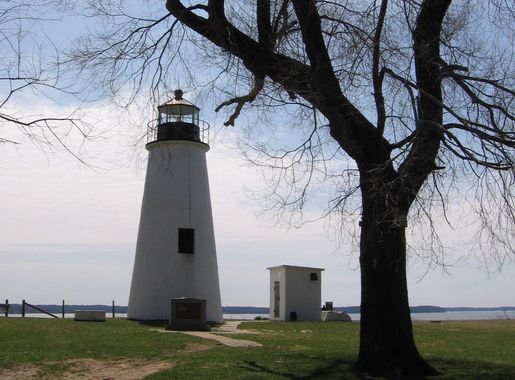
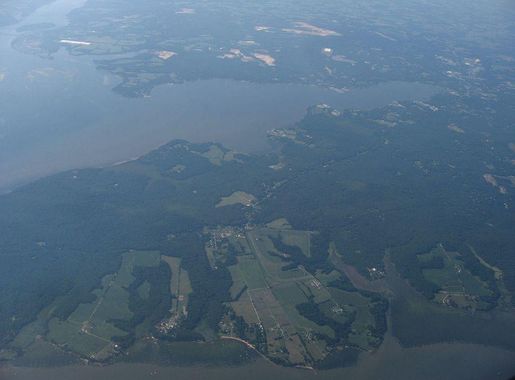
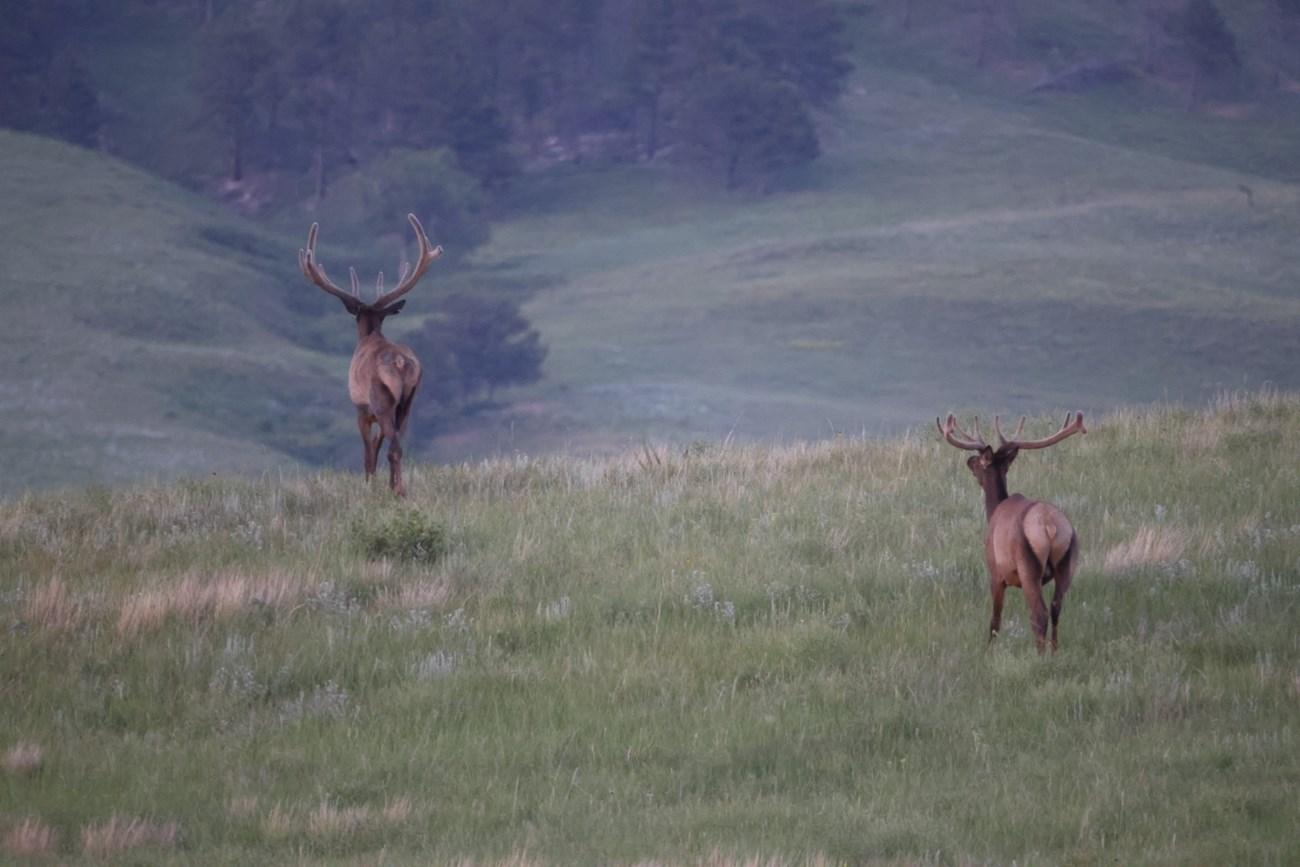
Elk Neck State Park, located in Cecil County, Maryland, is a stunning blend of lush forests, sandy beaches, and dramatic cliffs. Nestled between the Chesapeake Bay and the Elk River, this park is a paradise for nature lovers and outdoor enthusiasts. With over 2,000 acres of diverse landscapes, visitors can enjoy hiking, camping, fishing, and a variety of water activities. The park's most iconic feature is the Turkey Point Lighthouse, perched atop a 100-foot bluff, offering panoramic views of the bay. This historic lighthouse, built in 1833, provides a glimpse into Maryland's maritime history. The trails leading to the lighthouse are well-maintained and suitable for hikers of all levels, making it a perfect destination for a family outing. Elk Neck State Park also boasts a range of wildlife, including white-tailed deer, foxes, and a variety of bird species. Birdwatchers will relish the opportunity to spot bald eagles and ospreys soaring above. The park's tranquil beaches and picnic areas provide a perfect setting for relaxation and leisure. Whether you're looking to explore the scenic trails or simply unwind by the water, Elk Neck State Park offers an unforgettable escape into nature.

Know before you go
Hi, I'm Eve. Here are a few practical things to know before exploring Elk Neck State Park.
- Visit the Turkey Point Lighthouse early in the morning to avoid crowds and enjoy the sunrise.
- Bring binoculars for birdwatching, especially to spot bald eagles and ospreys.
- Pack a picnic and use the designated areas for a relaxing meal with a view.
- Wear sturdy shoes for hiking as some trails can be uneven.
- Check the weather forecast and tide schedule before planning water activities.
Explore Elk Neck State Park: Things to Do, Places to Eat, Hotels & More
Handpicked recommendations for top attractions, local dining, accommodations, and more

Best attractions in Elk Neck State Park
Top-rated picks
Best Attractions

Turkey Point Lighthouse
Explore Turkey Point Lighthouse: A stunning historical landmark offering breathtaking views, scenic hiking trails, and nature's tranquility on the Chesapeake Bay.

Elk Neck State Park Campground
Experience the beauty of Elk Neck State Park Campground, a serene destination for camping, hiking, and exploring Maryland's stunning landscapes.

Bohemia River State Park
Discover the scenic beauty and outdoor adventures at Bohemia River State Park in Chesapeake City, Maryland, a perfect escape for nature lovers.

Elk Neck State Park, Nature Center
Discover the natural beauty and educational experiences at Elk Neck State Park, a perfect getaway for families and nature lovers in Maryland.


Best shops in Elk Neck State Park
Top-rated picks
Best Shops

Elk Neck State Park
Explore Elk Neck State Park: A stunning Maryland destination for hiking, camping, and enjoying the beauty of nature.

Elk Neck State Park Campground
Experience the serene beauty and outdoor adventures at Elk Neck State Park Campground, a perfect getaway for nature lovers and adventure seekers.

Elk Neck State Park, Nature Center
Explore Elk Neck State Park's Nature Center for an educational and fun-filled adventure in Maryland's natural landscapes, perfect for families and outdoor lovers.

Explore Elk Neck State Park on the Map
A handpicked selection of must-see spots in Elk Neck State Park, mapped for you.
Elk Neck State Park Essentials
-
Elk Neck State Park is located in Cecil County, Maryland. The nearest major city is Baltimore, approximately 60 miles to the south. The most convenient way to reach the park is by car. From Baltimore, take I-95 North to MD-272 South (Exit 100) and follow the signs to the park. For those coming from Philadelphia, it's approximately 75 miles to the southwest via I-95 South. If you prefer public transportation, the closest Amtrak station is in Perryville, about 20 miles from the park. From there, you can rent a car or take a taxi to the park.
-
Once inside Elk Neck State Park, the best way to get around is by car or on foot. The park is expansive, covering over 2,000 acres, and many of its attractions are spread out. There are parking areas near the main points of interest, such as the Turkey Point Lighthouse, North East Beach, and the various campgrounds. Bicycles are also a popular mode of transportation within the park, offering a more eco-friendly way to explore the trails and scenic areas.
-
The official currency in the United States is the US Dollar (USD). Credit and debit cards are widely accepted within the park and in nearby towns. There are no ATMs within Elk Neck State Park, so it is advisable to withdraw cash beforehand if you plan to make purchases at smaller vendors or for activities like renting kayaks or canoes. Most nearby towns have ATMs and banks where you can access cash if needed.
-
Elk Neck State Park is generally a safe destination for tourists. However, as with any travel location, it is wise to take standard precautions. Avoid leaving valuables in plain sight in your vehicle and always lock your car doors. The park is patrolled by rangers, but it's still best to stay vigilant, especially in more secluded areas. There are no specific high-crime areas targeting tourists within the park or its surroundings.
-
In case of emergency, dial 911 for immediate assistance. Elk Neck State Park has a ranger station where you can report emergencies or seek help. There are also first aid stations located throughout the park. It is recommended to have travel insurance that covers medical emergencies. For minor health issues, there are pharmacies in the nearby towns of North East and Elkton where you can purchase over-the-counter medications.
-
Fashion: Do wear comfortable, weather-appropriate clothing and sturdy footwear for hiking and exploring the park. Avoid wearing flip-flops on trails. Religion: There are no specific religious customs to observe within the park, but always respect the natural environment. Public Transport: Public transportation is limited, so plan to rent a car or use a taxi service. Greetings: A friendly wave or a simple 'hello' is common among park visitors. Eating & Drinking: Do use designated picnic areas for meals and always dispose of trash properly. Don't feed the wildlife, as this can disrupt the natural ecosystem.
-
To experience Elk Neck State Park like a local, consider visiting during the off-peak seasons in spring and fall when the weather is mild, and the park is less crowded. Take a hike to the Turkey Point Lighthouse for stunning views of the Chesapeake Bay. Engage with park rangers who are knowledgeable and can provide insights into the park's history and wildlife. Don't miss the opportunity to kayak or canoe on the Elk River for a unique perspective of the park's natural beauty.
When is the best time to visit Elk Neck State Park?
Useful Local Phrases for Elk Neck State Park
You don't need to speak the language perfectly. Even learning a few simple words can make conversations warmer—and locals usually appreciate the effort.
— Eve

Here are the phrases I use most often in Elk Neck State Park. Try a few—you'll be surprised how far they go! 😊
❤️
-
- HelloHowdy
[haw-dee] - GoodbyeSee ya
[see yah] - YesYep
[yep] - NoNah
[nah] - Please/You're welcomePlease/You're welcome
[pleez/yur wel-kum] - Thank youThanks a bunch
[thanks uh bunch] - Excuse me/SorryPardon me
[par-dn me] - How are you?How's it going?
[hows it go-in?] - Fine. And you?I'm good. You?
[ahm good. yoo?] - Do you speak English?Y'all speak English?
[yawl speak ing-glish?] - I don't understandI ain't gettin' it
[ah aint get-tin it]
- HelloHowdy
-
- I'd like to see the menu, pleaseCan I check out the menu, please
[kan eye chek out the men-yoo pleez] - I don't eat meatI don't do meat
[ah doont do meat] - Cheers!Cheers!
[cheers!] - I would like to pay, pleaseI wanna settle up, please
[ah wanna set-tul up pleez]
- I'd like to see the menu, pleaseCan I check out the menu, please
-
- Help!I need a hand!
[ah need uh hand] - Go away!Beat it!
[beet it] - Call the Police!Ring up the Cops!
[ring up the cops] - Call a doctor!Get a doc over here!
[get uh doc over here] - I'm lostI'm turned around
[ahm turned around] - I'm illI'm feelin' under the weather
[ahm feelin under the weath-er]
- Help!I need a hand!
-
- I'd like to buy...I'm lookin' to purchase...
[ahm look-in to pur-chase] - I'm just lookingJust browsin'
[just brow-zin] - How much is it?What's the damage?
[whats the dam-age] - That's too expensiveThat's a bit steep
[thats uh bit steep] - Can you lower the price?Can ya cut me a deal?
[kan ya cut me uh deal]
- I'd like to buy...I'm lookin' to purchase...
-
- What time is it?What's the time?
[whats the time] - It's one o'clockIt's one
[its one] - Half past (10)10:30
[ten thir-tee] - MorningMornin'
[morn-in] - AfternoonAfternoon
[after-noon] - EveningEvenin'
[even-in] - YesterdayYest'day
[yest-day] - TodayToday
[to-day] - TomorrowTomorrah
[tom-ah-rah] - 1One
[wun] - 2Two
[too] - 3Three
[three] - 4Four
[four] - 5Five
[five] - 6Six
[six] - 7Seven
[seven] - 8Eight
[ate] - 9Nine
[nine] - 10Ten
[ten]
- What time is it?What's the time?
-
- Where's a/the...?Where's the...
[wheres the] - What's the address?Where's it at?
[wheres it at] - Can you show me (on the map)?Can you point it out (on the map)?
[kan yoo point it out on the map] - When's the next (bus)?When's the next one?
[whens the next one] - A ticket (to ....)A pass (to ...)
[uh pass to]
- Where's a/the...?Where's the...
History of Elk Neck State Park
-
Before European settlers arrived, the Elk Neck peninsula was home to indigenous tribes such as the Susquehannock. These Native American tribes utilized the area's rich natural resources for hunting, fishing, and farming. The fertile soil and abundant waterways made it an ideal location for their settlements. The arrival of European settlers in the early 17th century marked significant changes, as they began to establish farms and trading posts, altering the landscape and culture of the region.
-
Elk Neck State Park played a notable role during the War of 1812. The Chesapeake Bay area, including Elk Neck, was the site of several skirmishes and naval engagements between American forces and the British Royal Navy. The strategically important Elk River provided a critical route for supplies and troops. Local militia were often called upon to defend the area from British raids, and many of the park's landscapes still bear the echoes of these historical events.
-
The Turkey Point Lighthouse, constructed in 1833, stands as a beacon of maritime history within Elk Neck State Park. This 35-foot tall lighthouse was crucial for guiding ships safely through the treacherous waters of the Chesapeake Bay and the Elk River. The lighthouse keeper's role was vital in preventing shipwrecks and ensuring the safety of maritime traffic. Today, the lighthouse is a significant historical landmark, offering visitors a glimpse into the maritime heritage of the region.
-
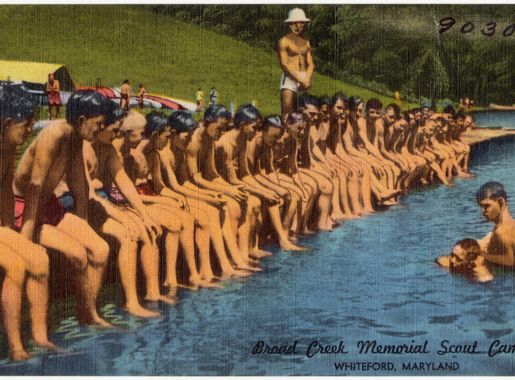
During the Great Depression in the 1930s, the Civilian Conservation Corps (CCC) played a pivotal role in developing Elk Neck State Park. The CCC was a public work relief program that provided jobs for young men and aimed at conserving the nation's natural resources. At Elk Neck, the CCC workers built many of the park's facilities, including trails, picnic areas, and infrastructure that are still in use today. Their efforts not only provided much-needed employment but also laid the foundation for the park's modern-day attractions.
-
In recent decades, Elk Neck State Park has been the focus of various conservation initiatives aimed at preserving its unique ecosystems and historical sites. Efforts to protect the park's diverse wildlife, including bald eagles, ospreys, and white-tailed deer, have been successful due to the concerted actions of park management and local conservation groups. Educational programs and sustainable tourism practices have been implemented to ensure that visitors can enjoy the natural beauty and historical significance of Elk Neck State Park responsibly.
Neighbouring destination travel guides
Browse our curated selection of top destinations, scenic points, and must-visit spots in the area.


Your all‑in‑one travel companion app
Explore expert travel guides, compare and book tours, experiences, hotels, and more—all from the palm of your hand. Download now for seamless trip planning wherever your wanderlust takes you.


Explore More of Susquehanna River Valley
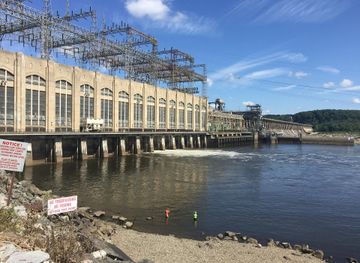
Looking beyond Elk Neck State Park? Discover Susquehanna River Valley for broader travel guides, local hot-spots, and regional highlights.
Explore Susquehanna River ValleyExplore More of Maryland

Looking beyond Elk Neck State Park? Discover Maryland for broader travel guides, local hot-spots, and regional highlights.
Explore MarylandElk Neck State Park in Photos
Browse through our photo collection highlighting the charm and character of the destination.




Elk Neck State Park: Nature's Haven in Maryland
Elk Neck State Park, located in Cecil County, Maryland, is a stunning blend of lush forests, sandy beaches, and dramatic cliffs. Nestled between the Chesapeake Bay and the Elk River, this park is a paradise for nature lovers and outdoor enthusiasts. With over 2,000 acres of diverse landscapes, visitors can enjoy hiking, camping, fishing, and a variety of water activities. The park's most iconic feature is the Turkey Point Lighthouse, perched atop a 100-foot bluff, offering panoramic views of the bay. This historic lighthouse, built in 1833, provides a glimpse into Maryland's maritime history. The trails leading to the lighthouse are well-maintained and suitable for hikers of all levels, making it a perfect destination for a family outing. Elk Neck State Park also boasts a range of wildlife, including white-tailed deer, foxes, and a variety of bird species. Birdwatchers will relish the opportunity to spot bald eagles and ospreys soaring above. The park's tranquil beaches and picnic areas provide a perfect setting for relaxation and leisure. Whether you're looking to explore the scenic trails or simply unwind by the water, Elk Neck State Park offers an unforgettable escape into nature.