

Fort Delaware State Park Travel Guide - Free Web & App
Your ultimate guide to Fort Delaware State Park. Discover top landmarks, proposed trips, and local tips. Free on the web or via the Evendo companion app.


Fort Delaware State Park in Delaware reveals a Civil War fortress, prison history, river landscapes and seasonal wildlife on Pea Patch Island near Delaware City.
Island Fortress and River Landscape
Fort Delaware State Park occupies Pea Patch Island, a low, marsh-edged island in the Delaware River between Delaware and New Jersey. Reached by boat from Delaware City, the park is defined by the massive nineteenth-century fort at its centre, tidal channels, broad river views and the changing atmosphere of an isolated island. The journey across the water is part of the experience: the island has no road connection, and its separation from the mainland helps visitors understand why the site was chosen for defence.Read more about Fort Delaware State Park
Military History and Living Interpretation
Wildlife and the Wider Estuary
When is the best time to visit Fort Delaware State Park?
Best: May–June, September · 22–27°C| Month | High (°C) | Rainfall (mm) |
|---|---|---|
| January | 5 | 85 |
| February | 7 | 80 |
| March | 11 | 90 |
| April | 16 | 85 |
| May (best) | 22 | 95 |
| June (best) | 27 | 100 |
| July | 29 | 110 |
| August | 29 | 115 |
| September (best) | 24 | 100 |
| October | 18 | 85 |
| November | 13 | 80 |
| December | 7 | 85 |
Getting to and around Fort Delaware State Park
How to get there
Transportation
Best attractions in Fort Delaware State Park
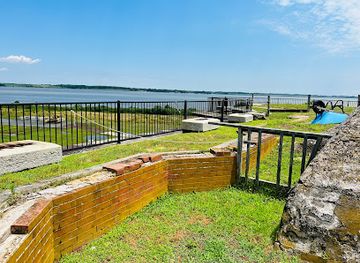
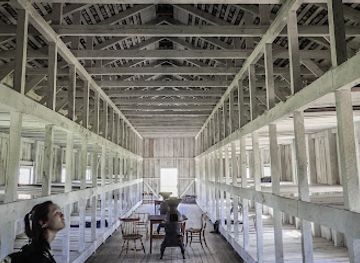
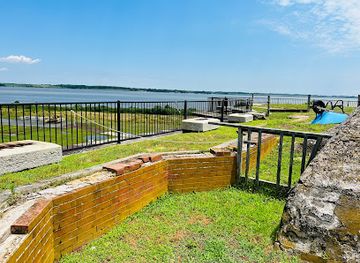
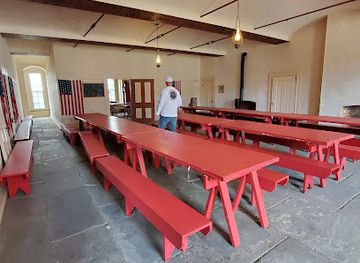
The central attraction is Fort Delaware itself, a substantial nineteenth-century masonry fortress whose casemates, gun positions, parade ground and enclosed rooms reveal the engineering of coastal defence and the realities of Civil War imprisonment. Guided interpretation and living-history programming, when scheduled, help explain the experiences of prisoners, guards, soldiers and civilian workers. The ferry crossing from Delaware City is an attraction in its own right, offering views across the channels and marsh-fringed waters of the Delaware River. Beyond the fort, Pea Patch Island provides a quiet setting for observing tidal scenery and seasonal birdlife, although some habitat may be restricted during nesting periods. The island is a compact, specialised destination rather than a broad network of trails and recreational facilities. Visitors seeking a wider historical itinerary can explore Delaware City's mainland setting and other nearby Delaware River heritage sites, while remembering that these surrounding places lie outside the state park.
-
Adventure sports
Fort Delaware State Park and Pea Patch Island
Explore Civil War history and natural beauty at Fort Delaware State Park, an island fortress accessible by ferry from Delaware City.
-
Island
Pea Patch Island
Explore Civil War history and observe unique wildlife on Pea Patch Island, home to Fort Delaware and a major bird sanctuary.
Best landmarks in Fort Delaware State Park
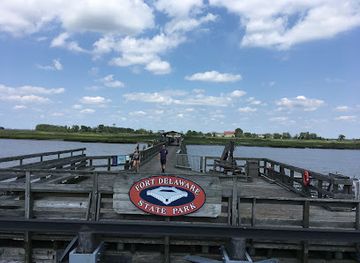
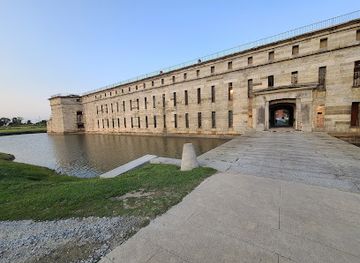
Fort Delaware is the defining landmark of Pea Patch Island: a carefully planned masonry fort with thick defensive walls, casemates, gun emplacements and a central parade ground. Its importance lies not only in military architecture but also in its role as a Union prison during the Civil War, when the enclosed structure became the setting for the confinement of captured Confederate soldiers and other wartime detainees. The Delaware River surrounding the island is a second essential landmark, its channels, marsh edges and changing water levels explaining the site's strategic location and distinctive isolation. Pea Patch Island's seasonal bird habitat adds an ecological dimension, although nesting areas may be managed for conservation. The ferry landing, historic fort fabric and open river views together form a landscape in which defence, imprisonment, navigation and estuarine nature remain closely connected.
-
Adventure sports
Fort Delaware State Park and Pea Patch Island
Explore Fort Delaware State Park and Pea Patch Island, a historic gem blending adventure sports and rich heritage in Delaware.
-
Ferry terminal
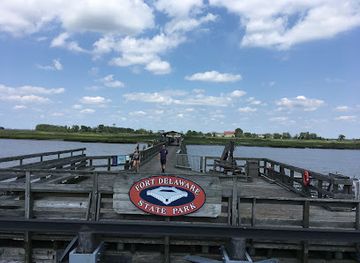
Fort Delaware Ferry
Discover the rich history and scenic beauty of Delaware with a visit to Fort Delaware via the Fort Delaware Ferry.

Explore Fort Delaware State Park on the map
Plan your trip on one map. See where the top attractions, landmarks, restaurants and hotels are, and book hotels and experiences in a few clicks.
Best hotels in Fort Delaware State Park
Best restaurants in Fort Delaware State Park
Fort Delaware State Park itself has limited dining infrastructure, so visitors should plan refreshments around the ferry departure and their time on Pea Patch Island. Delaware City is the principal nearby place to look for cafés, casual meals and other provisions, with a wider choice available in the larger communities of northern Delaware. The regional food culture reflects the Delaware River and Mid-Atlantic setting, combining seafood and river-influenced traditions with familiar American fare, seasonal produce and bakery goods. Farm stands and food outlets in the surrounding countryside may offer locally produced items, but availability varies by season and location. A practical approach is to eat before or after the island visit or carry suitable provisions, while checking what the park permits visitors to bring. The focus here is the historic excursion rather than a destination dining scene.
-
Adventure sports
Fort Delaware State Park and Pea Patch Island
Explore Fort Delaware State Park: A Historical Gem Offering Adventure Sports and Rich Civil War History on Pea Patch Island.
Best bars in Fort Delaware State Park
Evening entertainment is limited around Fort Delaware State Park because Pea Patch Island is a day-visit historic site with no nightlife district or resident bar scene. Delaware City provides the closest mainland setting for a quiet drink or an informal evening meal, while broader choices are found in Wilmington and other larger communities reached by road. The area's atmosphere is more suited to riverside views, conversation and an early start for the ferry than to late-night entertainment. Occasional heritage programmes or seasonal events may extend the visitor experience, but these should be checked in advance rather than assumed. Visitors staying nearby generally return to their accommodation after exploring the fort, river and mainland historic landscape.
-
Adventure sports
Fort Delaware State Park and Pea Patch Island
Discover adventure and history at Fort Delaware State Park, a Civil War-era fortification on picturesque Pea Patch Island.
-
Ferry terminal
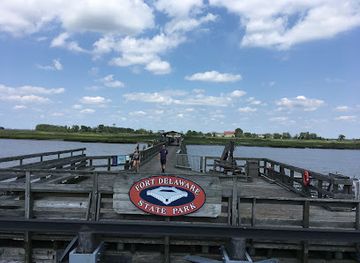
Fort Delaware Ferry
Discover the charm of Fort Delaware Ferry, where history meets scenic beauty on the Delaware River.
Best shops in Fort Delaware State Park
Shopping on Pea Patch Island is very limited and is centred on the visit itself rather than on a permanent retail district. Delaware City is the nearest mainland place for basic provisions, gifts and locally oriented purchases, while larger shops and specialist retailers are available in Wilmington and other northern Delaware communities. Visitors may find regional food products, books or souvenirs connected with Delaware history through park or heritage outlets when these services are operating, but stock and opening arrangements can vary. The surrounding area is also associated with the wider Mid-Atlantic tradition of farm produce, seafood and small-scale food businesses, although these are dispersed rather than concentrated in a single market. Fort Delaware is therefore best approached with essentials organised in advance, leaving shopping for the mainland or for a broader Delaware itinerary.
-
Adventure sports
Fort Delaware State Park and Pea Patch Island
Explore the historic Fort Delaware State Park on Pea Patch Island, where history and nature unite for an unforgettable adventure in Delaware.
-
Ferry terminal
Fort Delaware Ferry
Discover the scenic beauty and historical significance of Fort Delaware via the charming Fort Delaware Ferry, an essential Delaware experience.
Get your free copy of our complete guide to Fort Delaware State Park, delivered straight to you.
Everything on this page, from attractions and restaurants to essentials and local phrases, in one PDF you can read offline, print or share.
Already have an account? Sign in
Your Fort Delaware State Park guide is ready.
We'll send it to · Not you? Sign out

Getting your guide ready…
We are putting together a fresh copy of the Fort Delaware State Park guide. This can take up to a minute.
This can take a few moments. If your browser asks, choose Allow so the download can start. You'll find the guide in your Downloads folder.
Nothing happened? Download it again
Sorry, the guide is taking longer than usual. Please try again in a minute, or get it by email instead.
Fort Delaware State Park essentials
Currency and Payment
Safety
Emergency Situations
Do's and Don'ts
Local Tips
From Eve
Local phrases worth knowing
You don't need to get them perfect. A few words go a long way, and locals appreciate the effort.
Basics
| English | Local | Say it |
|---|---|---|
| Hello | Howdy | [haw-dee] |
| Goodbye | See ya | [see yah] |
| Yes | Yep | [yep] |
| No | Nah | [nah] |
| Please/You're welcome | Please/No problem | [pleez / no prob-lem] |
| Thank you | Thanks | [thanks] |
| Excuse me/Sorry | Pardon me | [par-dun mee] |
| How are you? | How y'all doin? | [how y'all doin] |
| Fine. And you? | Good. And you? | [good. and y'all] |
| Do you speak English? | Y'all speak English? | [y'all speak english] |
| I don't understand | I don't get ya | [I don't get ya] |
Eating & Drinking
| English | Local | Say it |
|---|---|---|
| I'd like to see the menu, please | I'd like to see the menu, please | [I'd like to see the menu, please] |
| I don't eat meat | I don't eat meat | [I don't eat meat] |
| Cheers! | Cheers! | [cheers] |
| I would like to pay, please | I would like to pay, please | [I would like to pay, please] |
Emergencies
| English | Local | Say it |
|---|---|---|
| Help! | Help! | [Help!] |
| Go away! | Git! | [Git!] |
| Call the Police! | Call the Sheriff! | [Call the Sheriff!] |
| Call a doctor! | Call a doc! | [Call a doc!] |
| I'm lost | I'm lost | [I'm lost] |
| I'm ill | I'm feelin' poorly | [I'm feelin' poorly] |
Shopping
| English | Local | Say it |
|---|---|---|
| I'd like to buy... | I'd like to buy... | [I'd like to buy...] |
| I'm just looking | I'm just lookin' | [I'm just lookin'] |
| How much is it? | How much is it? | [How much is it?] |
| That's too expensive | That's too pricey | [That's too pricey] |
| Can you lower the price? | Can you lower the price? | [Can you lower the price?] |
Time & Numbers
| English | Local | Say it |
|---|---|---|
| What time is it? | What time is it? | [What time is it?] |
| It's one o'clock | It's one o'clock | [It's one o'clock] |
| Half past (10) | Half past (10) | [Half past (10)] |
| Morning | Mornin' | [Mornin'] |
| Afternoon | Afternoon | [Afternoon] |
| Evening | Evenin' | [Evenin'] |
| Yesterday | Yest'day | [Yest'day] |
| Today | Today | [Today] |
| Tomorrow | Tomorra | [Tomorra] |
| 1 | One | [One] |
| 2 | Two | [Two] |
| 3 | Three | [Three] |
| 4 | Four | [Four] |
| 5 | Five | [Five] |
| 6 | Six | [Six] |
| 7 | Seven | [Seven] |
| 8 | Eight | [Eight] |
| 9 | Nine | [Nine] |
| 10 | Ten | [Ten] |
Transport & Directions
| English | Local | Say it |
|---|---|---|
| Where's a/the...? | Where's a/the...? | [Where's a/the...?] |
| What's the address? | What's the address? | [What's the address?] |
| Can you show me (on the map)? | Can you show me (on the map)? | [Can you show me (on the map)?] |
| When's the next (bus)? | When's the next (bus)? | [When's the next (bus)?] |
| A ticket (to ....) | A ticket (to ....) | [A ticket (to ....)] |
History of Fort Delaware State Park
A Strategic River Island
Pea Patch Island lies in a strategically important stretch of the Delaware River, where control of the waterway helped protect the commercial ports and industrial centres of the Delaware Valley. Its low position amid navigable channels made it useful for river defence, although the island itself was shaped by shifting water, marsh and sediment rather than by urban development. The wider river corridor had long supported Indigenous travel and fishing before European settlement and later became part of a heavily used colonial trading landscape. That geographical setting explains why successive governments regarded the island as a suitable location for military works.
Early Coastal Defence
The threat of attack during the War of 1812 encouraged the United States to strengthen the defences of the Delaware River. An earlier fortification was built on Pea Patch Island in the early nineteenth century, forming part of a wider system intended to prevent hostile vessels from reaching Wilmington, Philadelphia and other river ports. The island's isolated position was an advantage for defence but also created difficult conditions for supplying, staffing and maintaining a permanent garrison. These early works were eventually superseded by the larger masonry fort that survives today.
Building Fort Delaware
The present Fort Delaware developed during the long programme of nineteenth-century coastal fortification that followed the War of 1812. Construction of the substantial masonry fort began in the mid-nineteenth century and was completed in 1859. Its thick walls, casemates, gun positions and enclosed parade ground reflected contemporary efforts to defend important waterways against increasingly powerful naval weapons. By the time the fort was ready, the political crisis dividing the United States had made the Delaware River's protection an urgent national concern.
The Civil War Prison
During the American Civil War, Fort Delaware served as a Union military prison for captured Confederate soldiers and other detainees. The island's separation from the mainland made escape difficult, while its fortifications could be adapted to guard a large prison population. Disease, overcrowding, inadequate sanitation and shortages contributed to severe suffering and death, particularly during the war's harshest periods. The site also reflects the complexity of wartime service: soldiers, guards, engineers, medical workers, enslaved and formerly enslaved people, and civilian labourers all formed part of the fort's history.
Preservation and Public Interpretation
Military use of Fort Delaware declined after the Civil War, and the fort entered a long period in which weather, changing river conditions and limited occupation affected the surviving fabric. Its historical importance was increasingly recognised as interest in Civil War preservation expanded. Pea Patch Island and the fort are now protected as Fort Delaware State Park, where conservation, archaeological care and interpretation help explain both the structure and the people connected with it. Historic programming and guided interpretation present the site as a place of conflict, imprisonment and military engineering rather than as a simplified battlefield monument.
Fort Delaware State Park in Photos
Browse through our photo collection highlighting the charm and character of the destination.
Neighbouring destination travel guides
The closest destinations to Fort Delaware State Park, if you have time for more than one.
-
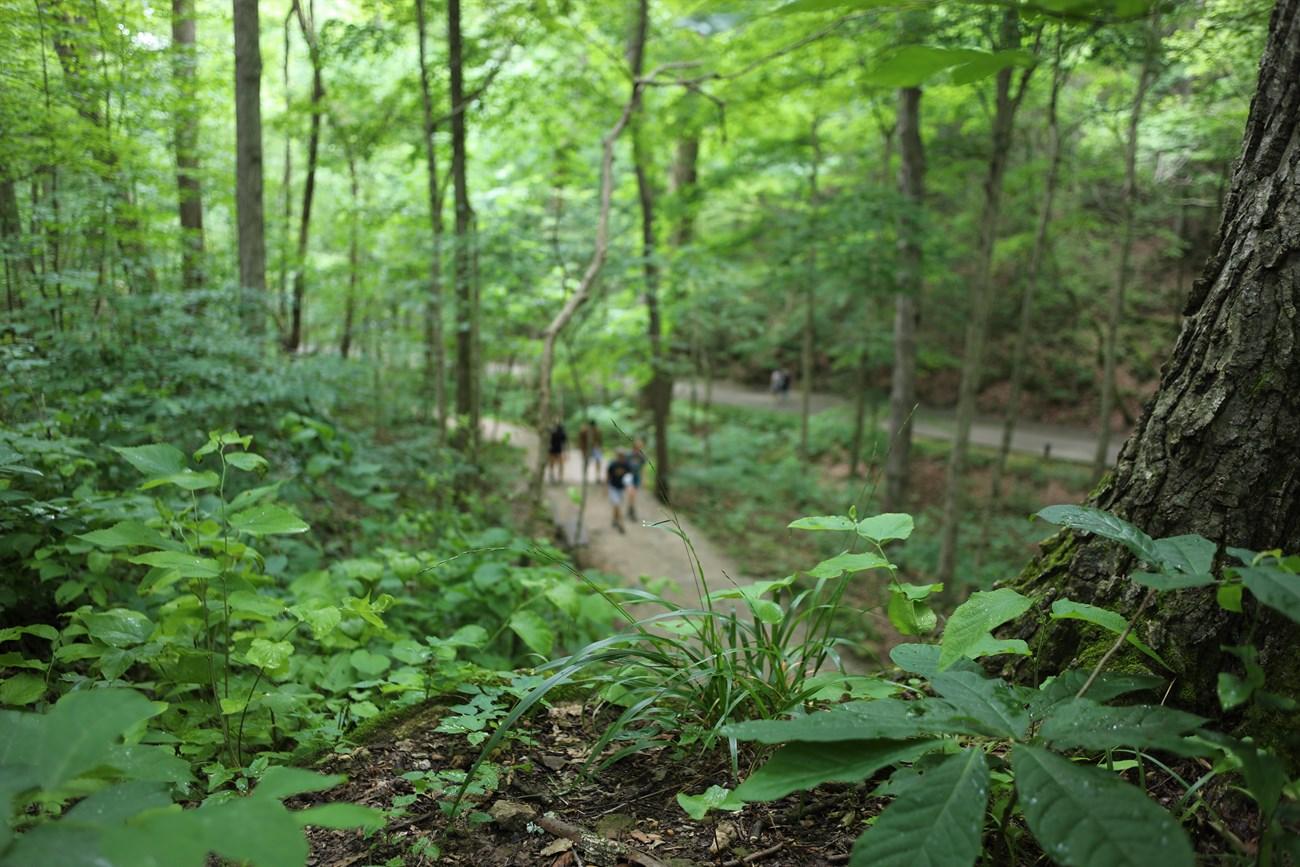 Lums Pond State Park
 in Delaware offers woodland trails, freshwater boating, fishing, camping and treetop adventures near Bear and Newark.
Lums Pond State Park
Lums Pond State Park in Delaware offers woodland trails, freshwater boating, fishing, camping and treetop adventures near Bear and Newark.
-

-
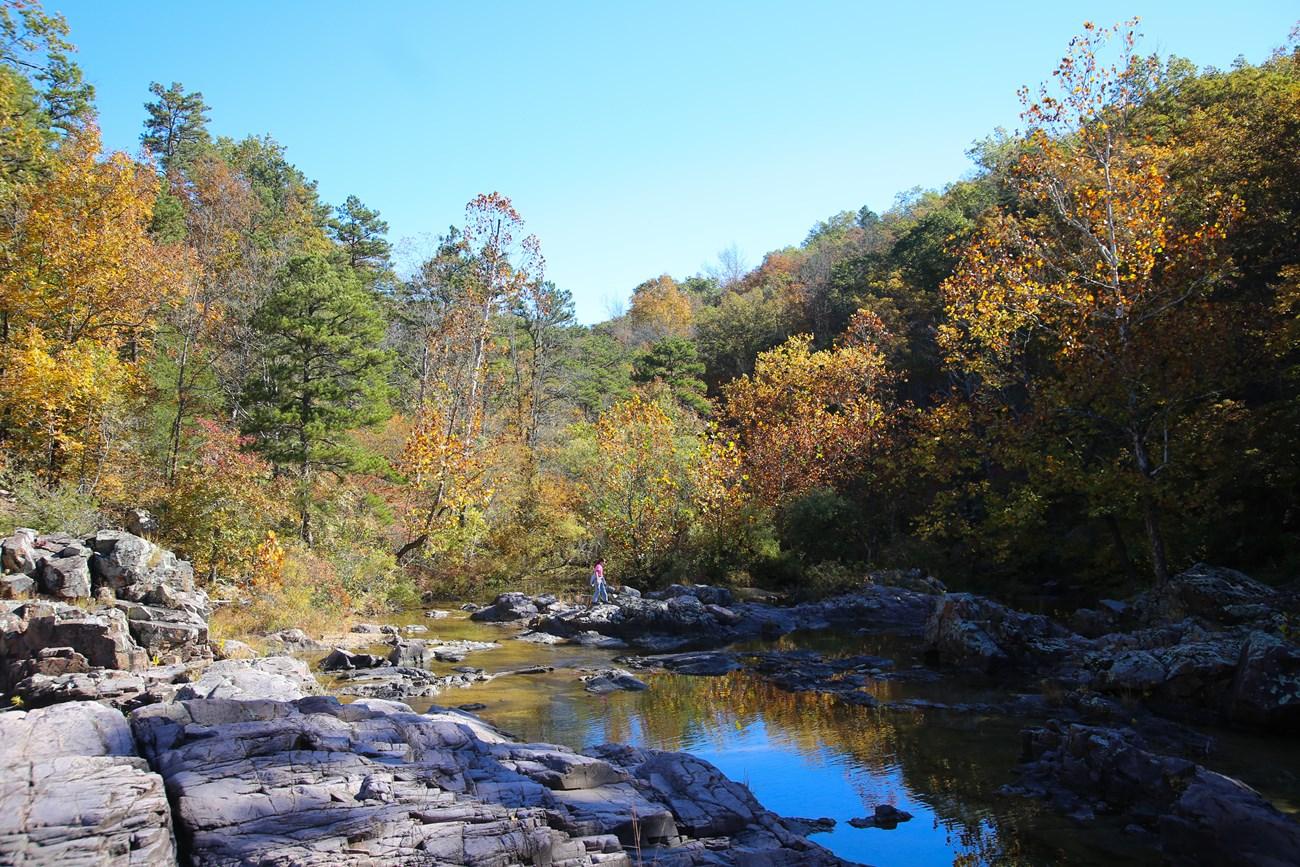 Brandywine Creek State Park
Explore Brandywine Creek State Park in Delaware—where natural beauty meets rich history, offering hiking trails, wildlife, and recreational activities for all ages.
Brandywine Creek State Park
Explore Brandywine Creek State Park in Delaware—where natural beauty meets rich history, offering hiking trails, wildlife, and recreational activities for all ages.
-

-


Swipe for more destinations
Explore more

Explore more of New Castle County
New Castle County pairs Wilmington's riverfront culture with colonial New Castle, Brandywine estates, wooded parks and northern Delaware food traditions.
Explore New Castle County
Explore more of Delaware
Discover Delaware: From historic sites and serene beaches to culinary delights and scenic parks, this small state offers big experiences for every traveler.
Explore Delaware