
Brandywine Creek State Park, Delaware Travel Guide
Explore Brandywine Creek State Park in Delaware—where natural beauty meets rich history, offering hiking trails, wildlife, and recreational activities for all ages.
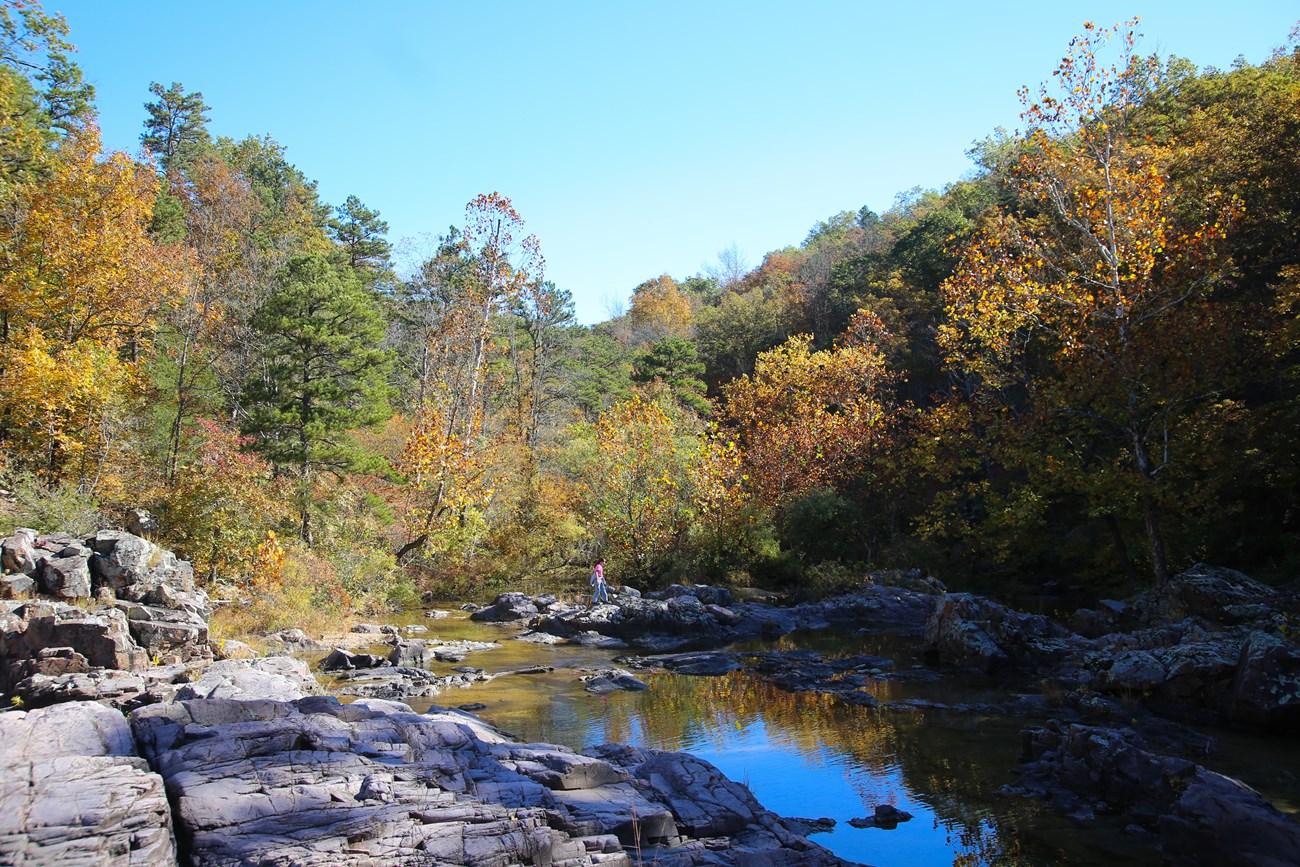
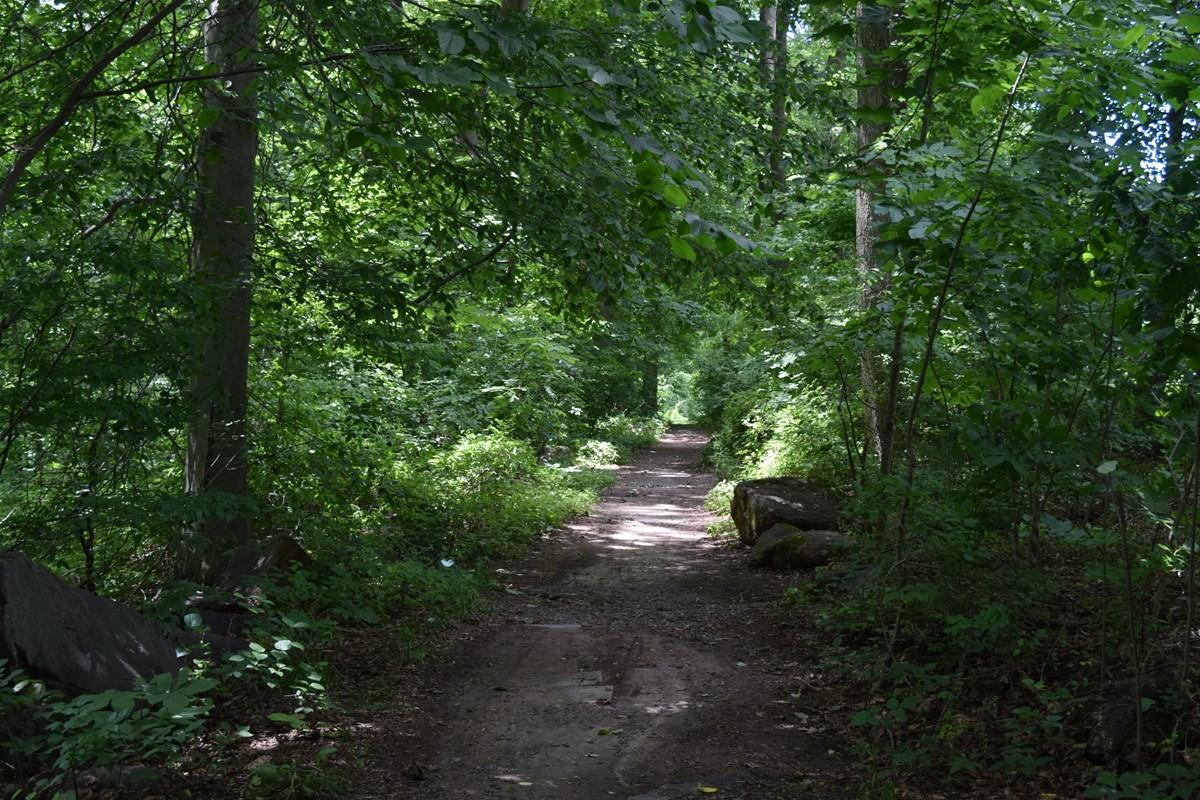
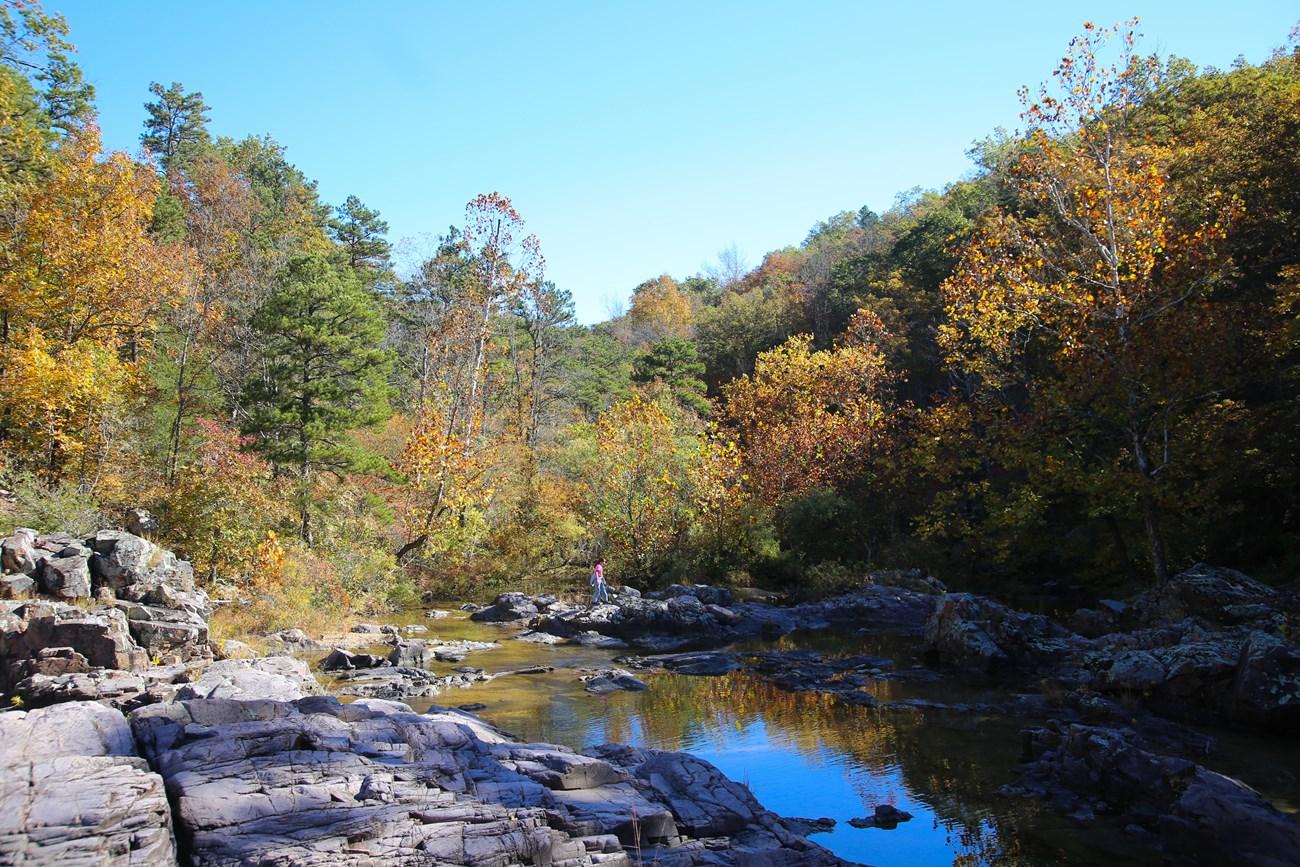
Brandywine Creek State Park is a picturesque escape situated in the heart of Delaware. This serene park spans over 900 acres and is a haven for nature lovers and outdoor enthusiasts alike. The park boasts an impressive array of wildlife, including various bird species, making it a prime spot for birdwatching. The park is crisscrossed by over 14 miles of trails that cater to hikers of all skill levels. Whether you're looking for a leisurely stroll or a more rigorous hike, Brandywine Creek has a path for you. The trails offer stunning views of the Brandywine Creek, dense woodlands, and rolling meadows. Brandywine Creek State Park is also home to the Brandywine Zoo, a small but charming zoo that features a range of animals from around the world. The park's historic stone walls and structures add a rustic charm that takes you back in time. Fishing in the creek, picnicking in the open fields, and even disc golfing are among the many activities you can enjoy here. For those interested in history, the park is located near the Brandywine Battlefield, a significant site from the American Revolutionary War. This proximity adds a layer of historical richness to your visit. With its blend of natural beauty, recreational activities, and historical significance, Brandywine Creek State Park is a must-visit destination in Delaware.

Know before you go
Hi, I'm Eve. Here are a few practical things to know before exploring Brandywine Creek State Park.
- Visit early in the morning to enjoy the park's serene atmosphere and avoid crowds.
- Bring binoculars for birdwatching; the park is home to a variety of bird species.
- Wear sturdy hiking shoes, as some trails can be uneven and rocky.
- Pack a picnic and enjoy a meal in the designated picnic areas with scenic views.
- Check the park's calendar for seasonal events and guided nature walks.
- Don't forget to visit the Brandywine Zoo, especially if you're traveling with children.
- Fishing enthusiasts should bring their gear; the creek is a popular spot for fishing.
Explore Brandywine Creek State Park: Things to Do, Places to Eat, Hotels & More
Handpicked recommendations for top attractions, local dining, accommodations, and more

Best attractions in Brandywine Creek State Park
Top-rated picks
Best Attractions

The Shops at Liberty Place
Experience the vibrant shopping and dining at The Shops at Liberty Place, Philadelphia's premier shopping destination in the heart of the city.

Sanderson Museum
Discover American art and local history at the Sanderson Museum in Chadds Ford, Pennsylvania, a must-visit for culture enthusiasts.

Longwood Gardens
Discover a world of horticultural beauty at Longwood Gardens, featuring stunning displays, captivating fountain shows, and a rich history in Kennett Square, PA.

Brandywine Museum of Art
Discover American art and the legacy of the Wyeth family in a historic gristmill nestled in the scenic Brandywine Valley.

Best landmarks in Brandywine Creek State Park
Top-rated picks
Best Landmarks

Brandywine Park
Discover the enchanting landscapes and outdoor adventures at Brandywine Park in Wilmington, Delaware, a perfect getaway for nature lovers and families alike.

Brandywine Springs Park
Discover the natural beauty and historical charm of Brandywine Springs Park in Wilmington, Delaware – a perfect getaway for nature lovers and families.

Ramsey Overlook- First State National Historical Park
Experience the breathtaking views and tranquil beauty of Ramsey Overlook at First State National Historical Park, a perfect escape for nature and history lovers alike.

Brandywine Creek State Park, Thompson's Bridge
Explore the serene landscapes and rich wildlife of Brandywine Creek State Park in Wilmington, Delaware, a perfect escape for outdoor enthusiasts.

Best restaurants in Brandywine Creek State Park
Top-rated picks
Best Restaurants

Godavari Delaware
Discover the vibrant flavors of India at Godavari Delaware – your go-to spot for authentic South Indian cuisine in Wilmington.

Brandywine Creek State Park
Discover Brandywine Creek State Park: A serene oasis in Wilmington, DE featuring trails, wildlife, and breathtaking landscapes perfect for all outdoor lovers.

Sullivan's Steakhouse
Experience the ultimate fine dining at Sullivan's Steakhouse in Wilmington—where premium steaks meet elegant ambiance.

Best bars in Brandywine Creek State Park
Top-rated picks
Best Bars

Buckley's Tavern
Experience the perfect blend of traditional and modern American cuisine at Buckley's Tavern in Wilmington, Delaware, a must-visit destination for food lovers.

TGI Fridays
Discover TGI Fridays in Wilmington, DE, where American cuisine and a lively sports bar ambiance come together for an unforgettable dining experience.

Sullivan's Steakhouse
Experience the best of fine dining at Sullivan's Steakhouse in Wilmington, where expertly crafted steaks meet an inviting atmosphere.

Chelsea Tavern
Experience the vibrant flavors of American cuisine at Chelsea Tavern, Wilmington's favorite gastropub with a cozy atmosphere and extensive drink selection.

Best shops in Brandywine Creek State Park
Top-rated picks
Best Shops

Christiana Mall
Discover a shopping paradise at Christiana Mall in Newark, DE, featuring top retail brands, delightful dining, and family-friendly entertainment.

Concord Mall
Discover a vibrant shopping experience at Concord Mall in Wilmington, Delaware, featuring diverse stores, delicious dining, and a welcoming atmosphere.

Best Buy
Discover cutting-edge technology and unbeatable prices at Best Buy in Wilmington, DE, your ultimate electronics shopping destination.

Brandywine Town Center
Discover the vibrant shopping and dining experiences at Brandywine Town Center in Wilmington, Delaware, where retail therapy meets community fun.

Explore Brandywine Creek State Park on the Map
A handpicked selection of must-see spots in Brandywine Creek State Park, mapped for you.
Brandywine Creek State Park Essentials
-
Brandywine Creek State Park is located in Wilmington, Delaware. The nearest major airport is Philadelphia International Airport (PHL), approximately 25 miles away. From the airport, you can rent a car, take a taxi, or use ride-sharing services to reach the park. Alternatively, you can take a train to Wilmington Station, which is serviced by Amtrak and SEPTA, and then use local transportation to reach the park.
-
Once in Wilmington, you can use a personal vehicle, bike, or even hike to explore Brandywine Creek State Park. Public buses by DART First State provide transportation to areas near the park, but a car or bike is most convenient for accessing the park's various trails and facilities. There are ample parking lots available at the park's entrances.
-
The official currency in Delaware, as in the rest of the United States, is the U.S. Dollar (USD). Credit and debit cards are widely accepted at most facilities in and around the park, including visitor centers and nearby restaurants. It is advisable to carry some cash for smaller vendors and potential park fees.
-
Brandywine Creek State Park is generally safe for tourists. However, standard travel precautions should be observed. Avoid leaving valuables in your car and stay on designated trails. Wilmington has areas with higher crime rates, particularly in certain urban neighborhoods. Stick to well-trafficked areas and avoid wandering around unfamiliar areas after dark.
-
In case of emergency, dial 911 for immediate assistance. The park rangers are also available to help with any issues within the park. Wilmington has several medical facilities, including Christiana Hospital, which is about a 15-minute drive from the park. Ensure you have travel insurance that covers medical emergencies.
-
Fashion: Do wear comfortable clothing and sturdy shoes suitable for hiking. Dressing in layers is advisable due to variable weather. Religion: Do respect any local customs but there are no specific religious requirements in the park. Public Transport: Do plan your route ahead if using public transport. Don't expect buses to drop you off directly at park entrances. Greetings: Do greet fellow hikers and park visitors with a friendly wave or 'hello.' Eating & Drinking: Do bring your own snacks and water, but don't leave litter behind. Use designated picnic areas for meals.
-
To experience Brandywine Creek State Park like a local, visit during the early morning or late afternoon to avoid crowds. Participate in ranger-led programs to learn about the park's natural history. Bring binoculars for bird watching, as the park is home to diverse bird species. Don't miss the chance to explore the Brandywine River itself; canoeing and kayaking are popular activities.
When is the best time to visit Brandywine Creek State Park?
Useful Local Phrases for Brandywine Creek State Park
You don't need to speak the language perfectly. Even learning a few simple words can make conversations warmer—and locals usually appreciate the effort.
— Eve

Here are the phrases I use most often in Brandywine Creek State Park. Try a few—you'll be surprised how far they go! 😊
❤️
-
- HelloWadup
[wuh-dup] - GoodbyeLater
[lay-ter] - YesYeah
[yeh] - NoNah
[nah] - Please/You're welcomePlease/No worries
[pleez/no wuhr-eez] - Thank youThanks
[th-anks] - Excuse me/SorryPardon/My bad
[par-dun/my bad] - How are you?How you doin'?
[how yuh doin'] - Fine. And you?Good. You?
[good. yuh?] - Do you speak English?You speak English?
[yuh speak ing-lish?] - I don't understandI don't get it
[I don't get it]
- HelloWadup
-
- I'd like to see the menu, pleaseLet me see the menu, please
[let me see the menu, please] - I don't eat meatI don't eat meat
[I don't eat meat] - Cheers!Cheers!
[Cheers!] - I would like to pay, pleaseI want to pay, please
[I want to pay, please]
- I'd like to see the menu, pleaseLet me see the menu, please
-
- Help!Help!
[Help!] - Go away!Beat it!
[Beat it!] - Call the Police!Call the cops!
[Call the cops!] - Call a doctor!Get a doc!
[Get a doc!] - I'm lostI'm lost
[I'm lost] - I'm illI'm sick
[I'm sick]
- Help!Help!
-
- I'd like to buy...I wanna buy...
[I wanna buy...] - I'm just lookingJust browsing
[Just browsing] - How much is it?How much?
[How much?] - That's too expensiveToo pricey
[Too pricey] - Can you lower the price?Can you drop the price?
[Can you drop the price?]
- I'd like to buy...I wanna buy...
-
- What time is it?What's the time?
[What's the time?] - It's one o'clockIt's one
[It's one] - Half past (10)Ten thirty
[Ten thirty] - MorningMornin'
[Mornin'] - AfternoonAfternoon
[Afternoon] - EveningEvenin'
[Evenin'] - YesterdayYesterday
[Yesterday] - TodayToday
[Today] - TomorrowTomorrow
[Tomorrow] - 1One
[One] - 2Two
[Two] - 3Three
[Three] - 4Four
[Four] - 5Five
[Five] - 6Six
[Six] - 7Seven
[Seven] - 8Eight
[Eight] - 9Nine
[Nine] - 10Ten
[Ten]
- What time is it?What's the time?
-
- Where's a/the...?Where's the...?
[Where's the...?] - What's the address?What's the address?
[What's the address?] - Can you show me (on the map)?Show me (on the map)
[Show me (on the map)] - When's the next (bus)?When's the next (bus)?
[When's the next (bus)?] - A ticket (to ....)A ticket (to ....)
[A ticket (to ....)]
- Where's a/the...?Where's the...?
History of Brandywine Creek State Park
-
Long before European settlers arrived, the area now known as Brandywine Creek State Park was home to the Lenape tribe. The Lenape utilized the rich natural resources of the Brandywine Valley for hunting, fishing, and agriculture. Artifacts such as stone tools and pottery found in the area provide a glimpse into their daily lives and sophisticated culture.
-
During the 17th century, European settlers began to arrive in the Brandywine Valley. The Swedes were among the first to establish settlements, followed by the Dutch and then the English. The fertile land and the creek's potential for water power attracted these early colonists, leading to the development of mills and farms along the Brandywine.
-
On September 11, 1777, the Battle of Brandywine took place during the American Revolutionary War. Although the battle itself occurred a bit further north, the Brandywine Creek area was heavily impacted. The British forces, led by General Howe, defeated General Washington’s troops, leading to the eventual British occupation of Philadelphia. The event left a lasting legacy on the region, shaping its historical narrative.
-
The 19th century saw Brandywine Creek become a hub for industrial activity. The creek's strong current and numerous falls made it an ideal location for water-powered mills. The DuPont family established their first gunpowder mills along the Brandywine in 1802, which would eventually grow into the multinational corporation known today. These mills were crucial to America's industrial growth and significantly influenced the local economy.
-
Brandywine Creek State Park was officially established in 1965, preserving the natural beauty and historical significance of the area for future generations. The park spans over 900 acres and includes a diverse range of habitats, from mature woodlands to meadows and marshes. It offers numerous recreational opportunities including hiking, bird watching, and fishing, while also serving as a living history museum preserving the legacy of the Brandywine Valley.
-
The park is home to several cultural landmarks, including the remnants of old mills, colonial-era structures, and the famed Brandywine Creek itself. One notable site is the Tulip Tree Woods, a National Natural Landmark, which features some of the oldest and largest tulip poplars in the region. These landmarks offer visitors a tangible connection to the area's rich past.
Neighbouring destination travel guides
Browse our curated selection of top destinations, scenic points, and must-visit spots in the area.


Your all‑in‑one travel companion app
Explore expert travel guides, compare and book tours, experiences, hotels, and more—all from the palm of your hand. Download now for seamless trip planning wherever your wanderlust takes you.


Explore More of New Castle County

Looking beyond Brandywine Creek State Park? Discover New Castle County for broader travel guides, local hot-spots, and regional highlights.
Explore New Castle CountyExplore More of Delaware
Looking beyond Brandywine Creek State Park? Discover Delaware for broader travel guides, local hot-spots, and regional highlights.
Explore DelawareBrandywine Creek State Park in Photos
Browse through our photo collection highlighting the charm and character of the destination.




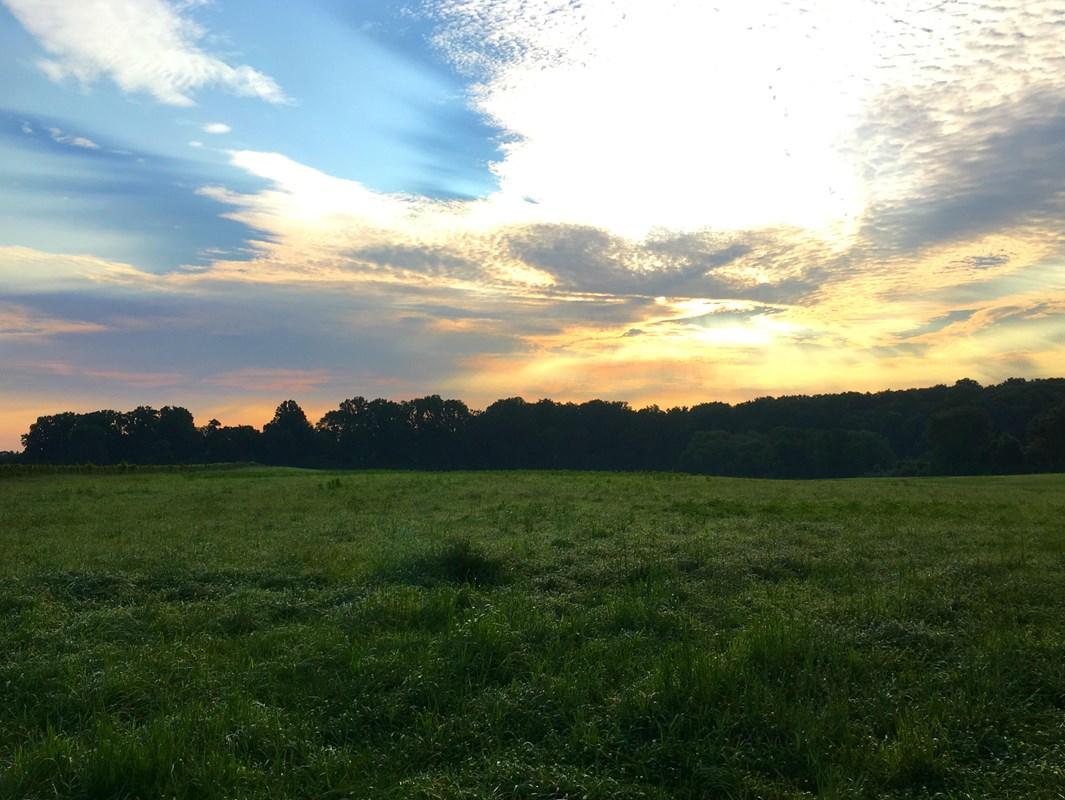
Brandywine Creek State Park: A Natural Haven in Delaware
Brandywine Creek State Park is a picturesque escape situated in the heart of Delaware. This serene park spans over 900 acres and is a haven for nature lovers and outdoor enthusiasts alike. The park boasts an impressive array of wildlife, including various bird species, making it a prime spot for birdwatching. The park is crisscrossed by over 14 miles of trails that cater to hikers of all skill levels. Whether you're looking for a leisurely stroll or a more rigorous hike, Brandywine Creek has a path for you. The trails offer stunning views of the Brandywine Creek, dense woodlands, and rolling meadows. Brandywine Creek State Park is also home to the Brandywine Zoo, a small but charming zoo that features a range of animals from around the world. The park's historic stone walls and structures add a rustic charm that takes you back in time. Fishing in the creek, picnicking in the open fields, and even disc golfing are among the many activities you can enjoy here. For those interested in history, the park is located near the Brandywine Battlefield, a significant site from the American Revolutionary War. This proximity adds a layer of historical richness to your visit. With its blend of natural beauty, recreational activities, and historical significance, Brandywine Creek State Park is a must-visit destination in Delaware.