

The Delaware Water Gap, Delaware Travel Guide
Discover the natural beauty and rich history of the Delaware Water Gap, a picturesque destination offering outdoor adventures, scenic hikes, and cultural experiences.
The Delaware Water Gap, straddling the borders of New Jersey and Pennsylvania, is a natural wonder that captivates visitors with its scenic beauty and outdoor adventures. This picturesque destination boasts a 40-mile stretch of the Delaware River, framed by lush forests and towering cliffs. Whether you are a nature enthusiast, a history buff, or simply seeking tranquility, the Delaware Water Gap offers something for everyone. Hiking enthusiasts will find a paradise of well-maintained trails, ranging from easy walks to challenging hikes. The Appalachian Trail runs through the area, offering stunning vistas from the top of Mount Tammany and Mount Minsi. Water activities like kayaking, canoeing, and fishing are popular pastimes on the river, providing a refreshing way to immerse yourself in the natural environment. Beyond its natural allure, the Delaware Water Gap is rich in cultural history. The area is home to several historic sites, including the Millbrook Village, a re-creation of a 19th-century village, and the Minisink Archaeological Site, which offers insights into the lives of the Native American tribes that once inhabited the region. For those who appreciate wildlife, the region is teeming with diverse flora and fauna, making it a haven for birdwatchers and photographers. Accommodations range from rustic campsites to charming bed and breakfasts, ensuring that every visitor can find a comfortable place to rest. Local eateries serve up delicious cuisine, often featuring fresh, locally-sourced ingredients. Seasonal events and festivals add to the vibrant community spirit, making every visit to the Delaware Water Gap a memorable experience.

Know before you go
Hi, I'm Eve. Here are a few practical things to know before exploring The Delaware Water Gap.
- Visit in the fall to experience the stunning foliage and cooler hiking conditions.
- Bring a map and plenty of water when hiking, as some trails can be challenging.
- Check the weather forecast before planning water activities to ensure safe conditions.
- Explore local dining options for a taste of regional cuisine, especially during seasonal festivals.
- Make reservations in advance for campsites and accommodations during peak seasons.
Explore The Delaware Water Gap: Things to Do, Places to Eat, Hotels & More
Handpicked recommendations for top attractions, local dining, accommodations, and more

Top Attractions & Sightseeing in The Delaware Water Gap
Top-rated picks
Best Attractions

Bushkill Falls
Discover the Poconos' breathtaking beauty at Bushkill Falls, Pennsylvania's 'Niagara,' with hiking, waterfalls, and family-friendly activities.

Delaware Water Gap National Recreation Area
Explore the scenic beauty and rich history of the Delaware Water Gap, a natural playground in the heart of the Appalachian Mountains.

Washington Crossing Historic Park
Step back in time at the site of Washington's daring 1776 crossing, where American history comes to life along the scenic Delaware River.

Mt Tammany Red Dot Trail
Hike the challenging Red Dot Trail to the summit of Mt. Tammany for breathtaking views of the Delaware Water Gap in New Jersey.

Best landmarks in The Delaware Water Gap
Top-rated picks
Best Landmarks

Delaware Water Gap National Recreation Area
Explore the breathtaking beauty of Delaware Water Gap National Recreation Area, a nature lover's paradise with trails, rivers, and rich wildlife.

Washington Crossing Historic Park
Explore the historic beauty of Washington Crossing Historic Park, where nature meets American Revolutionary history along the picturesque Delaware River.

Roebling’s Delaware Aqueduct
Explore the Roebling’s Delaware Aqueduct, a historic bridge showcasing 19th-century engineering excellence amidst stunning natural beauty.

Point of Gap Overlook
Discover stunning views of the Delaware River at Point of Gap Overlook - a breathtaking scenic spot in Delaware Water Gap National Recreation Area.

Best restaurants in The Delaware Water Gap
Top-rated picks
Best Restaurants

Joe Bosco Authentic Smokehouse BBQ
Discover mouthwatering smoked meats and authentic barbecue flavors at Joe Bosco Authentic Smokehouse BBQ in Delaware Water Gap.

Sycamore Grille
Discover Sycamore Grille in Delaware Water Gap – where American cuisine meets vibrant entertainment in a picturesque setting.

Deer Head Inn
Experience exquisite dining paired with captivating live jazz at Deer Head Inn in Delaware Water Gap – where flavors meet melodies.

Live Inspired Gallery
Experience artful dining at Live Inspired Gallery in Delaware Water Gap – where culinary excellence meets creative expression.

Best bars in The Delaware Water Gap
Top-rated picks
Best Bars

The Gem and Keystone Tavern
Experience the charm of The Gem and Keystone Tavern, where craft beer meets hearty cuisine in the heart of Shawnee on Delaware, PA.

Sycamore Grille
Sycamore Grille: Discover Delicious American Cuisine and Live Music in the Scenic Delaware Water Gap.

Sango Kura
Experience the fusion of Japanese sake and American cuisine at Sango Kura, a vibrant brewery in Delaware Water Gap.

Deer Head Inn
Discover the Deer Head Inn: Where Fine Dining Meets Captivating Jazz in the Heart of Delaware Water Gap.

Best nightclubs in The Delaware Water Gap
Top-rated picks
Best Nightclubs

Sycamore Grille
Discover the heart of American cuisine at Sycamore Grille in Delaware Water Gap, where every meal is a celebration of flavor and community.

Bar XIII Delaware
Discover the heartbeat of Wilmington nightlife at Bar XIII Delaware, where live music, great drinks, and unforgettable moments await.

Deer Head Inn
Experience the enchanting blend of live jazz and fine dining at Deer Head Inn, a historic venue in Delaware Water Gap.

Diego's Bar Nightclub, Rehoboth Avenue Extension, Rehoboth Beach, DE
Discover the vibrant nightlife of Diego's Bar Nightclub in Rehoboth Beach, where great drinks, dancing, and a welcoming atmosphere await.

Best shops in The Delaware Water Gap
Top-rated picks
Best Shops

Pocono Premium Outlets
Discover unbeatable deals at Pocono Premium Outlets, a shopper's paradise with over 100 brand-name stores nestled in the scenic Poconos.

Village Farmer and Bakery
Experience the heart of Delaware Water Gap at Village Farmer and Bakery, where fresh local produce meets delightful baked goods.

Sea Shell Shop
Explore the Sea Shell Shop for unique gifts and souvenirs that capture the spirit of Rehoboth Beach's coastal charm.

Seaside Country Store
Discover unique gifts and gourmet treats at Seaside Country Store, your go-to destination for coastal treasures in Fenwick Island.

Explore The Delaware Water Gap on the Map
A handpicked selection of must-see spots in The Delaware Water Gap, mapped for you.
The Delaware Water Gap Essentials
-
The Delaware Water Gap is situated along the border of New Jersey and Pennsylvania, not Delaware. The nearest major airport is Newark Liberty International Airport (EWR) in New Jersey, about 70 miles away. From the airport, you can rent a car or take a shuttle service. Alternatively, you can take a train from New York City to nearby towns such as Stroudsburg, PA, or take a bus like the Martz Trailways service, which has routes to the area.
-
Once you arrive, the most convenient way to explore the Delaware Water Gap is by car. Car rentals are available at the Newark Liberty International Airport and in nearby towns. For those who prefer not to drive, local taxi services and rideshare options like Uber and Lyft are available. Some areas within the park are accessible by hiking or biking, so consider bringing or renting a bicycle.
-
The official currency is the United States Dollar (USD). Credit and debit cards are widely accepted in most establishments, including hotels, restaurants, and shops. ATMs are readily available in nearby towns like Stroudsburg, PA, for cash withdrawals. It is advisable to carry some cash for smaller vendors and in case of emergencies.
-
The Delaware Water Gap is generally a safe area for tourists. However, as with any travel destination, it is important to take standard safety precautions. Avoid isolated areas after dark and keep an eye on your belongings. There are no specific high-crime areas targeting tourists, but staying vigilant and aware of your surroundings is always a good practice.
-
In case of an emergency, dial 911 for immediate assistance. Medical facilities are available in nearby towns such as Stroudsburg, PA. It is recommended to have travel insurance that covers medical emergencies. For minor health issues, there are pharmacies in the area where you can purchase over-the-counter medications. Familiarize yourself with the park's emergency contact numbers and locations of ranger stations.
-
Fashion: Do wear comfortable and weather-appropriate clothing, especially if you plan to hike. Avoid wearing high heels or impractical footwear. Religion: Do show respect when visiting local churches or religious sites by dressing modestly and being quiet. Public Transport: Do be courteous to other passengers and give up your seat to elderly or disabled individuals. Don't eat or drink on public transport. Greetings: Do greet people with a friendly smile and a handshake. A simple 'Hello' or 'Hi' is common. Eating & Drinking: Do try local specialties and accept food graciously when offered. Don't litter; always use designated trash bins.
-
For an authentic experience, visit the local farmers' markets in nearby towns to buy fresh produce and artisanal goods. Engage with locals, as they are often friendly and willing to share stories about the area's history and culture. Don’t miss hiking the Appalachian Trail, which runs through the Delaware Water Gap, offering stunning views. For a unique experience, try canoeing or kayaking on the Delaware River.
When is the best time to visit The Delaware Water Gap?
Useful Local Phrases for The Delaware Water Gap
You don't need to speak the language perfectly. Even learning a few simple words can make conversations warmer—and locals usually appreciate the effort.
— Eve

Here are the phrases I use most often in The Delaware Water Gap. Try a few—you'll be surprised how far they go! 😊
❤️
-
- HelloHowdy
[Ha-dee] - GoodbyeSee ya
[See yah] - YesYep
[Yep] - NoNah
[Nah] - Please/You're welcomeSure thing
[Shur thing] - Thank youThanks a lot
[Thanks a lot] - Excuse me/SorryPardon me
[Par-don me] - How are you?How ya doin'?
[How ya doin'?] - Fine. And you?Good. You?
[Good. You?] - Do you speak English?You speak English?
[You speak English?] - I don't understandI ain't gettin' it
[I ain't gettin' it]
- HelloHowdy
-
- I'd like to see the menu, pleaseCan I see the menu?
[Can I see the menu?] - I don't eat meatI’m a vegetarian
[I’m a vege-tarian] - Cheers!Cheers!
[Cheers!] - I would like to pay, pleaseCan I get the bill?
[Can I get the bill?]
- I'd like to see the menu, pleaseCan I see the menu?
-
- Help!Help!
[Help!] - Go away!Leave me alone!
[Leave me alone!] - Call the Police!Call the cops!
[Call the cops!] - Call a doctor!Get a doctor!
[Get a doctor!] - I'm lostI’m turned around
[I’m turned around] - I'm illI’m not feelin’ well
[I’m not feelin’ well]
- Help!Help!
-
- I'd like to buy...I wanna buy...
[I wanna buy...] - I'm just lookingJust browsin'
[Just browsin'] - How much is it?What’s the price?
[What’s the price?] - That's too expensiveThat costs too much
[That costs too much] - Can you lower the price?Can you cut the price?
[Can you cut the price?]
- I'd like to buy...I wanna buy...
-
- What time is it?What’s the time?
[What’s the time?] - It's one o'clockIt’s one
[It’s one] - Half past (10)Half past ten
[Half past ten] - MorningMornin'
[Mornin'] - AfternoonAfternoon
[Afternoon] - EveningEvenin'
[Evenin'] - YesterdayYesterday
[Yesterday] - TodayToday
[Today] - TomorrowTomorrow
[Tomorrow] - 1One
[One] - 2Two
[Two] - 3Three
[Three] - 4Four
[Four] - 5Five
[Five] - 6Six
[Six] - 7Seven
[Seven] - 8Eight
[Eight] - 9Nine
[Nine] - 10Ten
[Ten]
- What time is it?What’s the time?
-
- Where's a/the...?Where’s the...?
[Where’s the...?] - What's the address?What’s the addy?
[What’s the addy?] - Can you show me (on the map)?Can you point it out?
[Can you point it out?] - When's the next (bus)?When’s the next bus?
[When’s the next bus?] - A ticket (to ....)A ticket to...
[A ticket to...]
- Where's a/the...?Where’s the...?
History of The Delaware Water Gap
-
Long before European settlers arrived, the Lenape people, also known as the Delaware Indians, inhabited the Delaware Water Gap region. They called the river 'Lenapewihittuck,' meaning 'River of the Lenape.' The area was rich in resources, and the Lenape established numerous villages along the river, where they fished, hunted, and farmed.
-
In the 17th century, European settlers began to explore the Delaware Water Gap. The Dutch were among the first to arrive, followed by the English. By the mid-18th century, settlers had established small farms and trading posts. The Delaware River became a vital transportation route for goods and people moving between the colonies.
-
In the 19th century, the Delaware Water Gap became a popular destination for tourists. With the advent of the railroad, people from cities like New York and Philadelphia could easily reach the area. Resorts, hotels, and boarding houses sprang up, capitalizing on the region's natural beauty. The Kittatinny Hotel, opened in 1832, was one of the first major resorts and attracted visitors seeking fresh air and scenic views.
-
Established in 1965, the Delaware Water Gap National Recreation Area spans approximately 70,000 acres along the middle section of the Delaware River. The creation of the park aimed to preserve the natural landscape and provide recreational opportunities for the public. Today, the area is managed by the National Park Service and offers activities such as hiking, fishing, and canoeing.
-
The Delaware Water Gap has long been a source of inspiration for artists, writers, and musicians. Its picturesque scenery has been captured in countless paintings and photographs. Conservation efforts have been crucial in maintaining the area's natural beauty and biodiversity. Organizations like the Delaware River Basin Commission work to protect the water quality and habitats within the region.
Neighbouring Regions of The Delaware Water Gap
The closest regions to The Delaware Water Gap, if you have time for more than one.




Your all‑in‑one travel companion app
Explore expert travel guides, compare and book tours, experiences, hotels, and more—all from the palm of your hand. Download now for seamless trip planning wherever your wanderlust takes you.


Explore More of Delaware
Looking beyond The Delaware Water Gap? Discover Delaware for broader travel guides, local hot-spots, and regional highlights.
Explore DelawareThe Delaware Water Gap in Photos
Browse through our photo collection highlighting the charm and character of the destination.

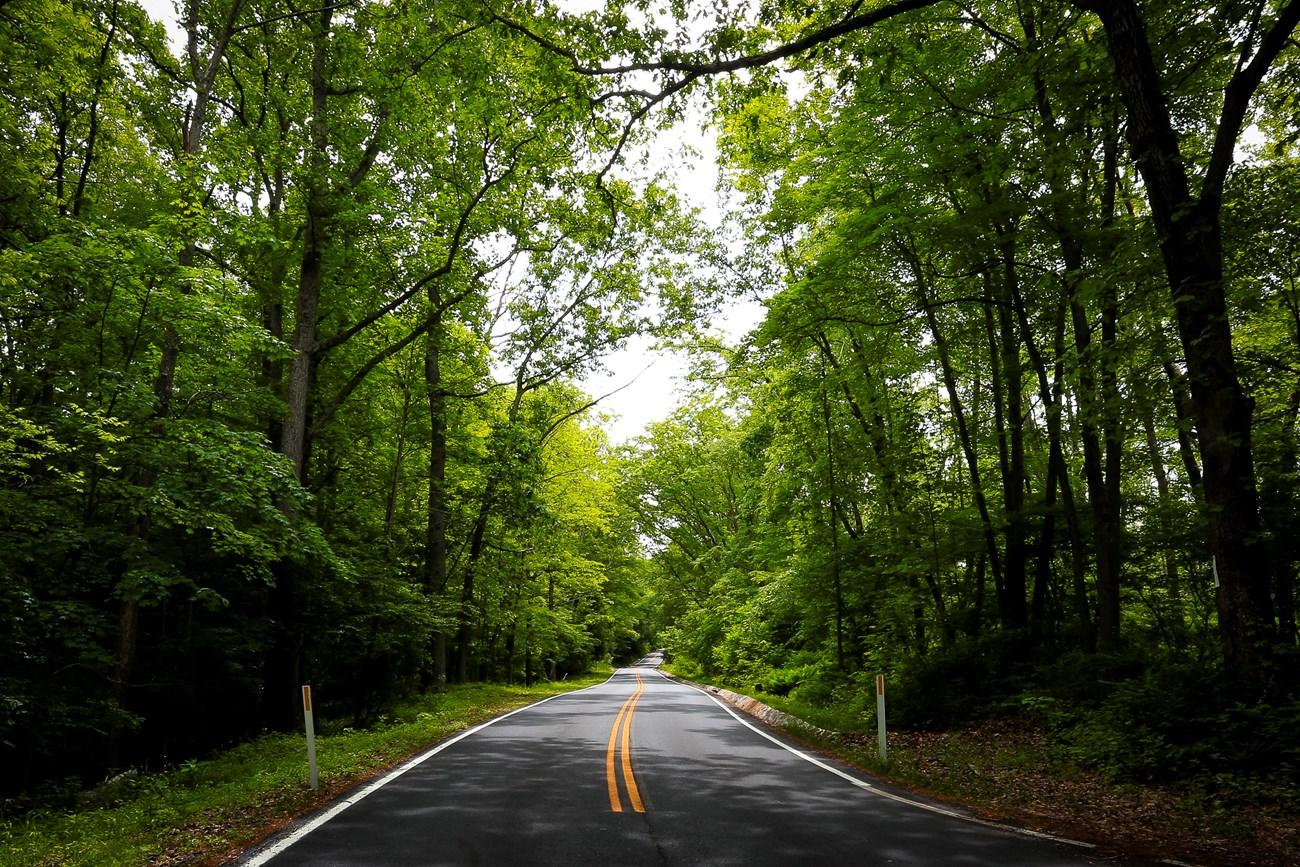


The Serene Splendor of Delaware Water Gap
The Delaware Water Gap, straddling the borders of New Jersey and Pennsylvania, is a natural wonder that captivates visitors with its scenic beauty and outdoor adventures. This picturesque destination boasts a 40-mile stretch of the Delaware River, framed by lush forests and towering cliffs. Whether you are a nature enthusiast, a history buff, or simply seeking tranquility, the Delaware Water Gap offers something for everyone. Hiking enthusiasts will find a paradise of well-maintained trails, ranging from easy walks to challenging hikes. The Appalachian Trail runs through the area, offering stunning vistas from the top of Mount Tammany and Mount Minsi. Water activities like kayaking, canoeing, and fishing are popular pastimes on the river, providing a refreshing way to immerse yourself in the natural environment. Beyond its natural allure, the Delaware Water Gap is rich in cultural history. The area is home to several historic sites, including the Millbrook Village, a re-creation of a 19th-century village, and the Minisink Archaeological Site, which offers insights into the lives of the Native American tribes that once inhabited the region. For those who appreciate wildlife, the region is teeming with diverse flora and fauna, making it a haven for birdwatchers and photographers. Accommodations range from rustic campsites to charming bed and breakfasts, ensuring that every visitor can find a comfortable place to rest. Local eateries serve up delicious cuisine, often featuring fresh, locally-sourced ingredients. Seasonal events and festivals add to the vibrant community spirit, making every visit to the Delaware Water Gap a memorable experience.