Daugbjerg Kalkgruber Travel Guide
Free Guide: Walk beneath the Jutland forest into Denmark’s oldest limestone mine, where cool tunnels, bats and outlaw legends bring a thousand years of history to life.


A brief summary of Daugbjerg Kalkgruber
Walk beneath the Jutland forest into Denmark’s oldest limestone mine, where cool tunnels, bats and outlaw legends bring a thousand years of history to life.
Daugbjerg Kalkgruber near Viborg is one of Scandinavia’s oldest hand‑worked limestone mines, a cool 8°C underground world of crooked tunnels, bat colonies and centuries of stories. Around 900 metres of the 22‑kilometre tunnel network are illuminated and accessible, revealing traces of Viking‑age quarrying, medieval lime burning and the legend of the outlaw Jens Langkniv. Above ground, protected Dybdalskov forest, simple facilities and a small café round out this atmospheric half‑day stop in central Jutland.
On-site amenities
 Restrooms
 Drink options
 Food options
 Seating areas
 Picnic areas
 Trash bins
 Information boards
 Visitor centre
Opening hours
- MonClosed
- Tue10 am–4 pm
- Wed10 am–4 pm
- Thu10 am–4 pm
- Fri10 am–4 pm
- Sat10 am–4 pm
- Sun10 am–4 pm
Opening hours as listed on the venue’s Google Business Profile. Hours can change for services and special events, so check with the venue before you go.
- Address
- Dybdalsvej 18c, 8800 Viborg
- Phone
- Website
Getting there
Car from Viborg
Regional bus plus short walk
Car day trip from Aarhus
Discover more about Daugbjerg Kalkgruber
Ancient limestone under the heart of Jutland
Daugbjerg Kalkgruber lies in rolling countryside west of Viborg, where soft white limestone has been quarried for more than a thousand years. The mine is considered one of the oldest hand‑excavated limestone workings in Denmark and Scandinavia, with extraction beginning in the Viking Age and continuing into the 19th century. Beneath the quiet forest, an estimated 22 kilometres of man‑made tunnels snake through the hillside, chiselled by generations of lime workers who supplied stone and lime mortar for churches, farms and later industry across Denmark and northern Europe.Only a fraction of this labyrinth is open today, but the sense of scale and age is unmistakable. Chisel marks, soot stains and low, irregular ceilings speak to a time when limestone was cut and hauled entirely by hand. In places, you walk through wide chambers where wagons once turned; in others, the passage narrows and you stoop, moving almost shoulder‑to‑wall through rock that has seen a millennium of use.
Exploring the illuminated underground maze
Visitors enter directly into a network of lit tunnels, with around 900 metres accessible on foot along marked routes. The air is cool and damp, hovering around 8°C year‑round, which makes a light jacket essential even on a hot summer day. Underfoot, the ground is uneven and sometimes wet, with occasional low ceilings; sturdy shoes and a willingness to duck are part of the experience. Information signs explain geology, mining techniques and the role of limestone in building Denmark’s medieval churches and manor houses.Some sections branch into darker side passages and unlit “cellar” areas that feel noticeably more atmospheric and slightly eerie. These zones underline that this is still a partly wild underground system rather than a fully smoothed‑out show cave. The mine’s constant temperature and humidity are also used for practical purposes: parts of the tunnel network are reserved for storage and maturation, taking advantage of the natural conditions that the rock provides.
Bats, outlaw legends and stories in the dark
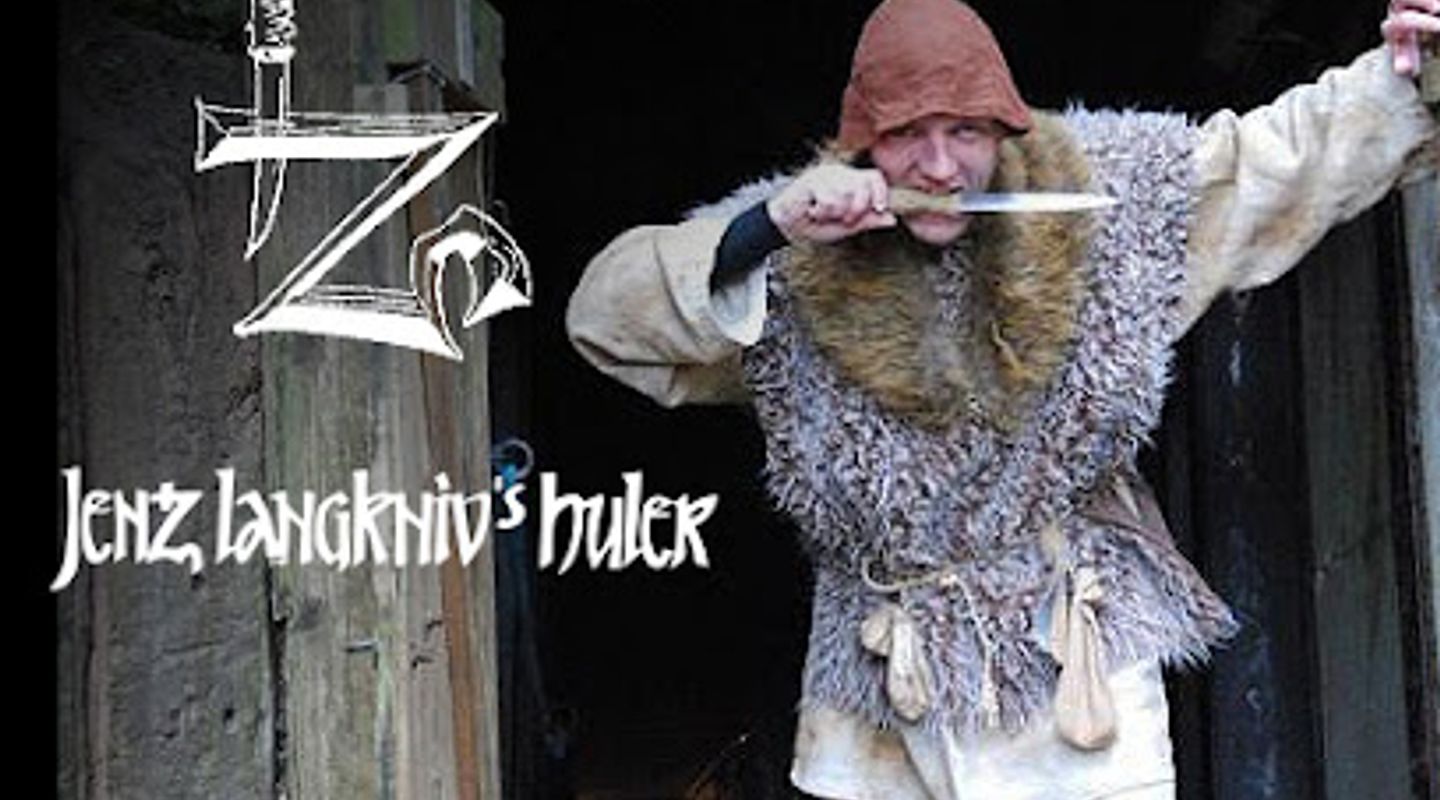
Beyond geology, Daugbjerg Kalkgruber has become famous for its wildlife and folklore. The mine is one of Denmark’s most important bat hibernation sites, hosting multiple species that spend the winter months clinging to the cool rock walls. In spring and autumn, you may see bats swarming near entrances or fluttering through the tunnels at dusk, a reminder that you are sharing the space with nocturnal residents.Local legend weaves human drama into this natural setting. The most enduring tale is that of Jens Langkniv, a 17th‑century outlaw sometimes dubbed Jutland’s Robin Hood. Stories tell of him using the mine and surrounding forest as a hideout, and elements of his life and era are introduced through interpretive displays and themed activities. Children can follow treasure‑hunt style trails that link clues in the mine to tales of robbers, witches and lime workers, turning the visit into a playful, story‑driven exploration.
From forest edge to cool subterranean calm
The approach to the mine leads through Dybdalskov, a protected woodland draped over the limestone ridge. The forest is known for its ferns, mosses and occasional sightings of small reptiles and woodland birds, giving the visit a pleasant above‑ground counterpart to the underground tour. After emerging from the cool tunnels, many visitors linger at a simple café and kiosk near the entrance, where you can warm up with coffee or hot chocolate and sample light snacks while looking back toward the forested hillside that hides the mine.Around the site you find basic facilities such as restrooms, outdoor seating and picnic‑friendly spots. The setting feels rural and low‑key rather than highly developed, reinforcing the impression that this is first and foremost a historic and natural site with modest visitor infrastructure. The combination of shaded woodland, fresh air and the dramatic temperature shift when you re‑enter daylight gives the experience a satisfying rhythm.
Planning a visit to this underground time capsule
Daugbjerg Kalkgruber is typically open in defined seasons: winter school holidays, Easter, selected spring and autumn weeks, and more regularly through the main summer months. Opening hours are usually in the late morning to mid‑afternoon window, so timing matters if you want unhurried exploration. Entry is ticketed, with separate prices for adults and children, and the site sometimes offers guided tours alongside self‑guided exploration.Because of the uneven surfaces and low sections, the mine is not well suited to visitors with significant mobility challenges, and prams or wheelchairs cannot access the underground routes. For most other visitors, a stay of one to two hours inside the mine, plus extra time in the forest and café, makes this an easy half‑day outing that pairs well with other sights around Viborg and central Jutland. Daugbjerg Kalkgruber is not a polished theme attraction; it is a genuine historic mine where you feel both the weight of the rock above and the long human story carved into it.
Evendo Review Centre
 Google
Guest reviews
Best time to go
Quietest: Jan, Nov & Dec · before 7am or from 7pm
Busy times are Evendo estimates for a typical year, to help you plan. Actual crowds vary with events, school holidays and the weather.
Explore Daugbjerg Kalkgruber on the map
A handpicked selection of must-see spots near Daugbjerg Kalkgruber, mapped for you.
Get your free copy of our complete guide to Daugbjerg Kalkgruber, delivered straight to you.
Everything on this page, from opening hours and how to get there to Eve’s tips and the best time to go, in one PDF you can read offline, print or share.
Already have an account? Sign in
Your Daugbjerg Kalkgruber guide is ready.
We'll send it to · Not you? Sign out

Getting your guide ready…
We are putting together a fresh copy of the Daugbjerg Kalkgruber guide. This can take up to a minute.
This can take a few moments. If your browser asks, choose Allow so the download can start. You'll find the guide in your Downloads folder.
Nothing happened? Download it again
Sorry, the guide is taking longer than usual. Please try again in a minute, or get it by email instead.
Other nearby places you may find interesting
The closest places of the same kind, if this one is not quite what you had in mind.
-
-
-
-
-


Swipe for more places
More to explore near Daugbjerg Kalkgruber

 Best experiences near Daugbjerg Kalkgruber
 Best hotels near Daugbjerg Kalkgruber
 Best landmarks near Daugbjerg Kalkgruber
 Best attractions near Daugbjerg Kalkgruber
 Best shops near Daugbjerg Kalkgruber
 Best restaurants near Daugbjerg Kalkgruber
 Best bars near Daugbjerg Kalkgruber
Do you manage this location?
Take control to get all the benefits, like improved information, better appearance, and stronger visibility across AI-powered discovery.
Explore more

Explore more of Central Jutland
Explore Central Jutland in Denmark: A perfect blend of natural beauty, cultural heritage, and family-friendly attractions.
Explore Central Jutland
Explore more of Denmark
Discover Denmark: A perfect blend of history, modern design, and the cozy concept of hygge. Explore vibrant cities, serene landscapes, and world-class cuisine.
Explore Denmark