Kalø Castle Travel Guide
Free Guide: Walk Denmark’s longest medieval road to a sea-breezed island, where the weathered stones of Kalø Castle Ruins tell stories of kings, rebels and a daring escape.


A brief summary of Kalø Castle
Walk Denmark’s longest medieval road to a sea-breezed island, where the weathered stones of Kalø Castle Ruins tell stories of kings, rebels and a daring escape.
Perched on a low island in Kalø Vig at the edge of Mols Bjerge National Park, Kalø Castle Ruins is one of Denmark’s best-preserved medieval fortresses. Reached via a 500 m cobbled causeway – the country’s longest medieval road – the 14th-century stronghold offers sweeping views over sea, fields and grazing cattle, plus atmospheric remnants of walls, gate, tower and dungeon that evoke royal power, peasant revolts and daring escapes.
On-site amenities
 Restrooms
 Drink options
 Food options
 Seating areas
 Picnic areas
 Trash bins
 Information boards
Opening hours
- Every dayOpen 24 hours
Opening hours as listed on the venue’s Google Business Profile. Hours can change for services and special events, so check with the venue before you go.
- Address
- Molsvej 31, 8410 Rønde
- Phone
Getting there
Car from Aarhus
Bus from Aarhus to Rønde
Cycling from Rønde
Discover more about Kalø Castle
A royal fortress in a quiet Danish bay
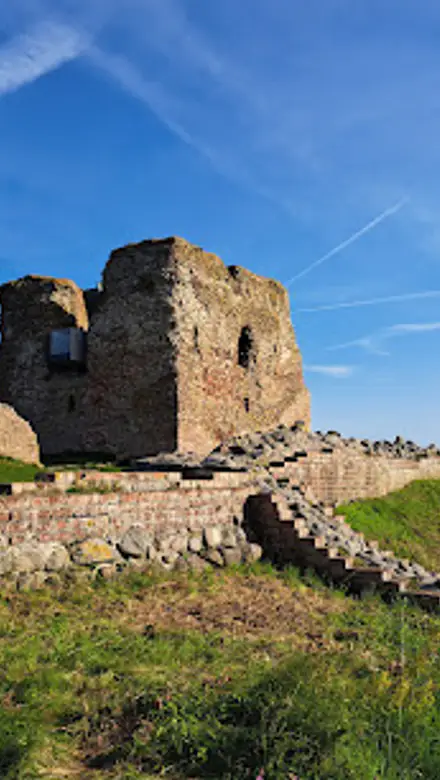
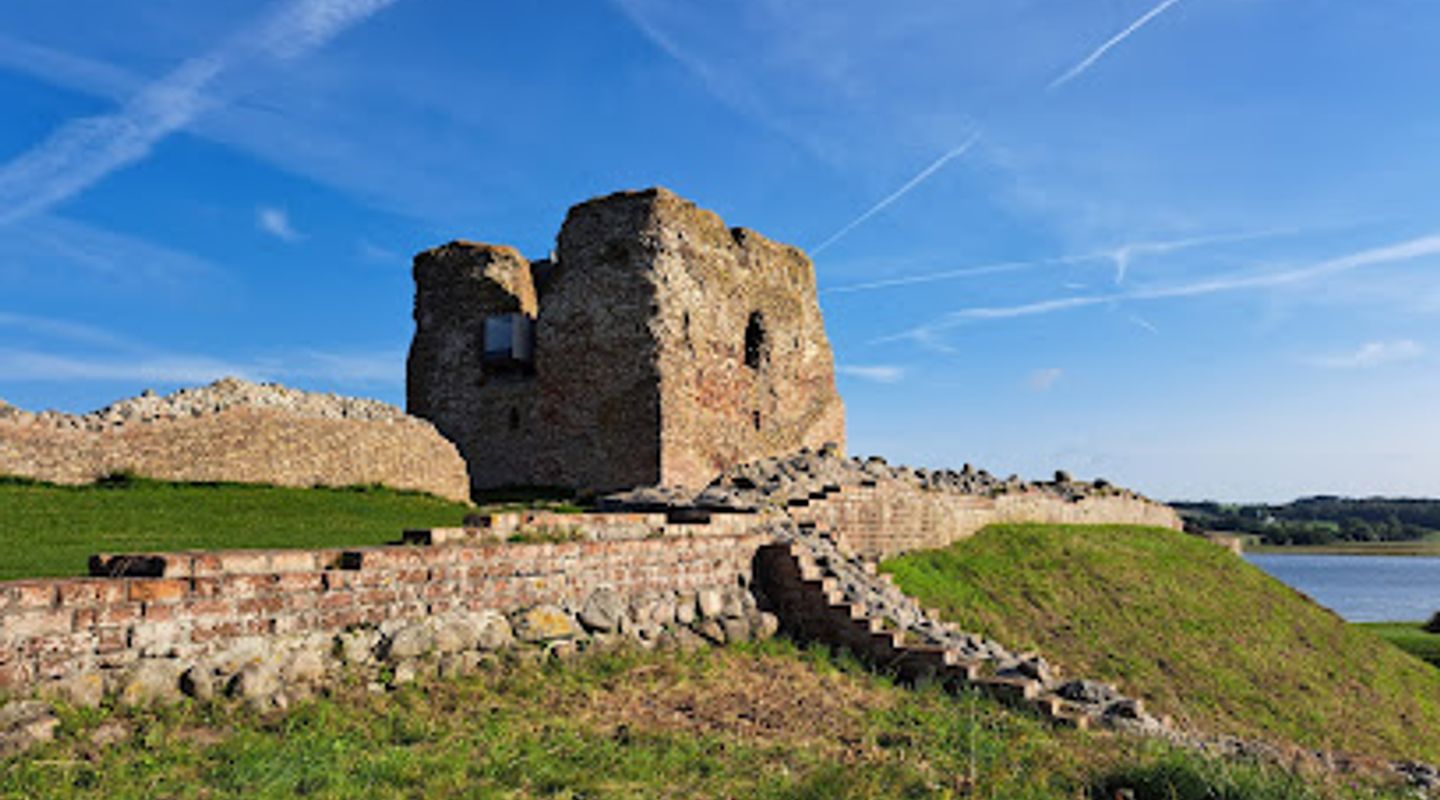
Kalø Castle Ruins sit on a low, grassy island in Kalø Vig, just outside the town of Rønde in eastern Jutland. Built around 1313 by King Erik Menved after crushing a Jutland peasant revolt, the stronghold was designed as a visible symbol of royal power and a base to control the surrounding countryside. Today only stout walls, foundations and the main tower remain, but the outline of the castle is still easy to read in the landscape.From the shore the ruin appears compact, almost modest in size, yet its position reveals its purpose. Surrounded by water on three sides and marsh on the fourth, the castle could watch over shipping in the bay and any movement across Djursland. The setting combines strategic clarity with understated beauty, especially in soft coastal light.
The longest medieval road in Denmark
Reaching Kalø means following Denmark’s longest preserved medieval road, a roughly 500 m stone-paved causeway that arcs gently out into the bay. Its uneven cobbles were not an accident: the bumpy surface slowed carts and cavalry, forming part of the castle’s layered defence along with ditches and heavy chains that once spanned the approach.Walking this narrow strip between sea and sky is like stepping into a 700-year-old corridor. On one side you may see seabirds working the shallows; on the other, grazing cattle sometimes wander close to the path, reinforcing the impression of a working coastal landscape. In windy weather waves slap close to the stones, hinting at how exposed this route would have felt to those arriving under less peaceful circumstances.
Towers, dungeons and traces of daily life
On the island itself, low walls mark former halls, courtyards and service buildings. The most striking feature is the main tower, where modern steps now allow you to climb to a viewing platform. From here you can look back along the causeway, across Kalø Vig and inland toward the rolling hills of Mols Bjerge, appreciating just how commanding the castle’s position once was.At the base of the tower, masonry reveals the castle’s rougher stories. A small dungeon space survives, with larger gaps near the bottom of one wall believed to stem from desperate attempts by prisoners to break free. Inside the precinct you can still sense where stores, stables and living quarters would have stood, even if only fragments of brick and fieldstone remain above ground.
Gustav Vasa and the politics of the north
Kalø is also tied to a wider Scandinavian drama. In 1518–1519 the future Swedish king Gustav Vasa was held here as a political prisoner during the Kalmar Union era. His escape from Kalø and subsequent leadership of a Swedish uprising helped reshape the balance of power in the north, eventually leading to an independent Sweden. Standing among the ruins, it is easy to imagine a guarded courtyard and a restless captive planning his route to freedom.After serving for centuries as a royal stronghold and later as the administrative manor for Djursland, the castle gradually lost its importance. By the time absolute monarchy was introduced in the 17th century, Kalø’s defensive value had faded and the site slowly slipped into ruin. The erosion of walls and loss of roofs turned the complex into the skeletal silhouette seen today.
Nature, calm and coastal light
Part of the appeal of Kalø Castle Ruins lies in the surrounding environment. The peninsula and shallow bay form a gentle coastal landscape of meadows, reed beds and shifting light, resting at the gateway to Mols Bjerge National Park. Shorebirds feed along the tideline, and in summer the fields around the causeway take on soft greens and golds.The walk out and back, around 3 km in total at an unhurried pace, invites you to linger. Some visitors circle the island along the stony beach; others simply find a spot in the grass to watch clouds move over the water. With no modern buildings crowding the castle mound, the ruin and its setting retain a rare sense of openness and quiet.
Exploring at your own rhythm
Kalø is unfenced and typically accessible at all hours, so you can shape your visit around your own rhythm. A short visit of an hour is enough to walk the causeway, climb the tower and take in the views; with more time you can explore side paths on the shore, enjoy a picnic near the water or use the site as a gentle introduction to the wider trails of Mols Bjerge.There is no on-site museum, which keeps the experience simple and atmospheric: stone, grass, wind and water. Occasional information signs in the wider area help explain the castle’s history and construction, but the ruins themselves remain largely uncluttered. It is a place where imagination and landscape do most of the guiding, making Kalø Castle Ruins a quietly compelling stop in eastern Jutland.
Evendo Review Centre
 Google
Guest reviews
Best time to go
Quietest: Jan, Feb & Mar · before 7am or from 8pm
Busy times are Evendo estimates for a typical year, to help you plan. Actual crowds vary with events, school holidays and the weather.
Explore Kalø Castle on the map
A handpicked selection of must-see spots near Kalø Castle, mapped for you.
Get your free copy of our complete guide to Kalø Castle, delivered straight to you.
Everything on this page, from opening hours and how to get there to Eve’s tips and the best time to go, in one PDF you can read offline, print or share.
Already have an account? Sign in
Your Kalø Castle guide is ready.
We'll send it to · Not you? Sign out

Getting your guide ready…
We are putting together a fresh copy of the Kalø Castle guide. This can take up to a minute.
This can take a few moments. If your browser asks, choose Allow so the download can start. You'll find the guide in your Downloads folder.
Nothing happened? Download it again
Sorry, the guide is taking longer than usual. Please try again in a minute, or get it by email instead.
Other nearby places you may find interesting
The closest places of the same kind, if this one is not quite what you had in mind.
-
-
-
-
-


Swipe for more places
More to explore near Kalø Castle

 Best experiences near Kalø Castle
 Best hotels near Kalø Castle
 Best landmarks near Kalø Castle
 Best attractions near Kalø Castle
 Best shops near Kalø Castle
 Best restaurants near Kalø Castle
 Best bars near Kalø Castle
Do you manage this location?
Take control to get all the benefits, like improved information, better appearance, and stronger visibility across AI-powered discovery.
Explore more

Explore more of Central Jutland
Explore Central Jutland in Denmark: A perfect blend of natural beauty, cultural heritage, and family-friendly attractions.
Explore Central Jutland
Explore more of Denmark
Discover Denmark: A perfect blend of history, modern design, and the cozy concept of hygge. Explore vibrant cities, serene landscapes, and world-class cuisine.
Explore Denmark