Frederiksberg Palace, Copenhagen Region Travel Guide
Hilltop Baroque palace overlooking Frederiksberg’s lakes and lawns, blending royal drama, military tradition and one of Copenhagen’s most beloved gardens.
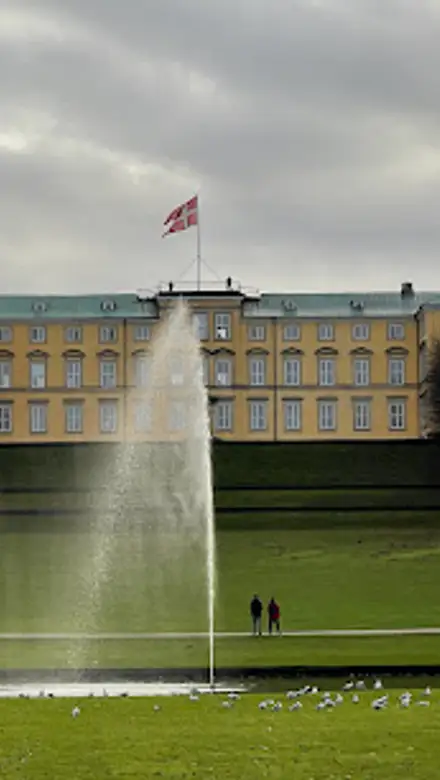
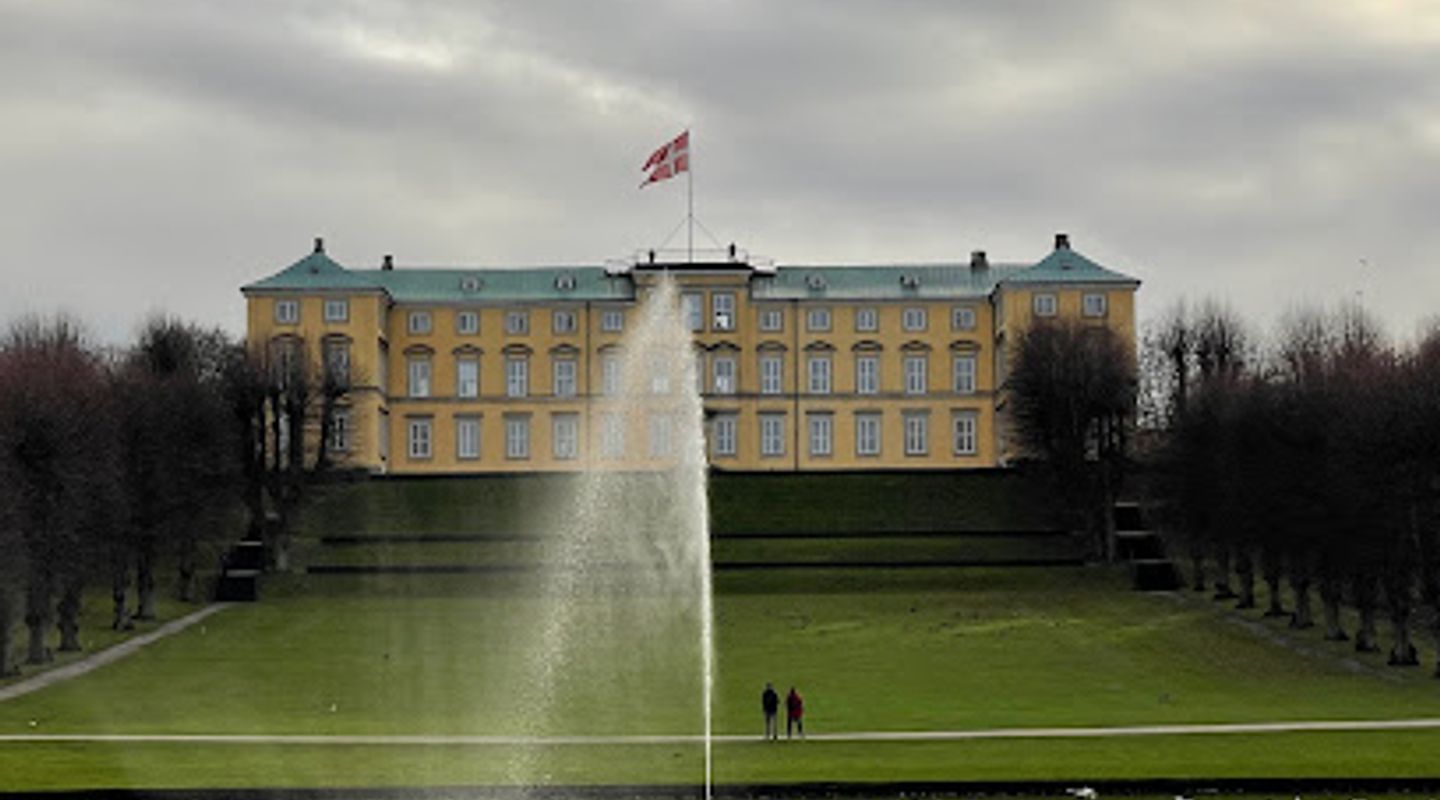
Perched atop a grassy hill in leafy Frederiksberg, Frederiksberg Palace is a stately yellow Baroque residence overlooking one of Copenhagen’s most beloved green spaces, Frederiksberg Garden. Built in the early 1700s as a summer retreat for King Frederik IV and later home to several Danish monarchs, the palace today houses the Royal Danish Military Academy and is generally not open to casual visitors, but its dramatic setting, royal stories and sweeping views across the park and zoo make it a rewarding stop for architecture buffs and urban strollers.
A brief summary to Frederiksberg Palace
- Roskildevej 28 A, Frederiksberg C, Frederiksberg C, 2000, DK
- Click to display
- Click to display
- Duration: 1.5 to 3 hours
- Free
-
 Outdoor
- Mobile reception: 5 out of 5

Know before you go
Hi, I'm Eve. Here are a few practical things to know before exploring Frederiksberg Palace.
- Plan your visit around a long walk in Frederiksberg Garden; most of the experience is outdoors as the palace itself is usually closed except for limited guided tours.
- Walk up the grassy slope in front of the palace for some of the best panoramic views over the gardens, especially in the soft light of early morning or late afternoon.
- Combine a palace-and-park stroll with a visit to Copenhagen Zoo next door if you are travelling with children or want to make a half-day of the area.
- Wear comfortable shoes; paths in the gardens and on the hill can be uneven or muddy after rain, and the slopes are gentle but sustained.
- Check ahead if you are interested in the interior: public guided tours inside the palace typically run only on specific days and may involve many stairs.
Do you manage this location?
Take control to get all the benefits, like improved information, better appearance, and stronger visibility across AI-powered discovery. Learn more about listing your business on Evendo
Activate your presenceOther nearby places you may find interesting
The closest places of the same kind, if this one is not quite what you had in mind.

Explore Frederiksberg Palace on the Map
A handpicked selection of must-see spots near Frederiksberg Palace, mapped for you.
Unlock the Best of Frederiksberg Palace
Buy tickets
-
No tickets available
Book tours with entry
-
No tours available
Book tours without entry

Getting There
-
Metro and short walk from central Copenhagen
From central Copenhagen, take the M1 or M2 metro line to Frederiksberg Station, a journey of about 5–10 minutes depending on your starting point. From the station it is roughly a 15–20 minute urban walk through the Frederiksberg neighbourhood to the palace and gardens, mostly on paved, gently sloping paths suitable for most visitors. A standard single metro ticket within the city zones typically costs around 20–30 DKK; check current prices and remember that contactless cards are widely accepted.
-
City bus to the edge of Frederiksberg Garden
Several city bus routes link central Copenhagen with Frederiksberg; services running along major arteries such as Roskildevej stop a few minutes’ walk from the palace, with typical travel times of 15–25 minutes depending on traffic. Buses run frequently during the day, less often late evenings and on weekends. Expect to pay roughly 20–30 DKK for a single ticket valid across bus and metro within the city zone. From the closest stops, access to the gardens involves some walking on park paths and a moderate uphill section to reach the palace itself.
-
Cycling through the city
Copenhagen’s extensive cycle lanes make biking to Frederiksberg Palace a very practical option from most central districts, with riding times usually in the 15–25 minute range. The route is largely flat until you reach the gentle rise of Frederiksberg Hill; standard city bikes handle it easily, but take care on shared paths in the gardens and respect local cycling rules. If you use a public bike‑share or rental, expect prices from about 20–40 DKK for a short ride, with day passes available at higher but still moderate rates.
-
Taxi or ride-hail within Copenhagen
Taxis and licensed ride‑hail services can take you directly to the roads bordering Frederiksberg Palace and Garden in roughly 10–20 minutes from the historic centre, depending on traffic. Fares within the city typically start with a base fee and then increase per kilometre and minute; for this distance, plan on spending in the range of 120–220 DKK per car. This option is convenient if you are travelling in a small group, carrying luggage or visiting during colder months when walking through the parks is less appealing.
For the on-the-go comforts that matter to you
-
 Restrooms
-
 Food Options
-
 Seating Areas
-
 Picnic Areas
-
 Trash Bins
-
 Information Boards
Discover more about Frederiksberg Palace
Royal retreat on Frederiksberg Hill
Frederiksberg Palace crowns the top of Frederiksberg Hill, its warm yellow Baroque façades and dark roofline instantly recognisable above the treetops of the surrounding gardens. Built in the early 18th century as a summer residence for King Frederik IV, the palace was inspired by Italian villas the monarch admired on his travels and soon became one of the most fashionable royal addresses outside central Copenhagen.The H-shaped layout, tall windows and rhythm of chimneys give the building a balanced, almost theatrical presence. From the forecourt, the eye sweeps down the slope towards the lakes and winding paths of Frederiksberg Garden, while behind the palace lies the equally green Søndermarken park. Even without stepping inside, you sense that this was conceived as a place where court life, landscape and ceremony blended into one carefully staged royal scene.Dramatic stories behind the Baroque walls
Within these walls unfolded some of the most intriguing chapters of Danish royal history. King Christian VI once made the palace his permanent home, reinforcing its status as a serious royal residence rather than just a summer escape. Later, in the late 18th century, the troubled King Christian VII, his British-born queen Caroline Mathilde and her physician and confidant Johan Friedrich Struensee all lived here, turning the hilltop palace into the backdrop for political reform, scandal and personal tragedy.In the basement, Caroline Mathilde’s marble bathroom and Christian VII’s bath and mirror formed part of a private world of luxury and ritual. Though the interiors are now largely hidden from public view, knowing that these intimate spaces still exist adds a layer of imagination as you look at the building from outside, picturing flickering candlelight, silk-clad courtiers and whispered conversations behind shuttered windows.From royal residence to military academy
By the mid‑19th century the royal family had largely moved on, and in 1869 the palace began a new life as home to the Royal Danish Military Academy. That function continues today, which is why the building is generally closed except for limited guided tours on selected days. The military presence has kept the structure in continuous use, preserving the Baroque shell even as the activities inside have changed from royal banquets to officer training.Seen from the gardens, the regimented rows of windows and the disciplined symmetry of the architecture feel fitting for its current role. Yet the palace never appears forbidding; the golden colour of the walls, the tidy terraces and the open parkland around it soften the atmosphere and remind you of its aristocratic origins rather than any sense of fortress.Frederiksberg Garden and the palace view
Most visitors experience Frederiksberg Palace as a majestic backdrop to a walk in Frederiksberg Garden below. The park, begun in Baroque style and later reshaped as a romantic English landscape garden, is all meandering paths, lakes, small bridges and carefully framed vistas. From the water’s edge you can gaze up at the palace rising above the slope, its reflection sometimes rippling in the lake on still days.Scattered through the garden are architectural follies such as the Chinese Summerhouse and small classical temples, echoing the palace’s Baroque heritage. Birdsong, the splash of oars from seasonal rowboats and occasional sounds drifting over from the neighbouring zoo create a surprisingly varied soundscape for an urban park. The palace, always visible somewhere on the skyline, acts as a visual anchor as you wander.Exploring the hilltop and nearby green spaces
Climbing the broad grassy hill to stand close to the palace offers one of the best panoramas in this part of Copenhagen. From here you can look back down into Frederiksberg Garden, trace the tree‑lined avenues and glimpse zoo enclosures, church towers and city rooftops beyond. Behind the palace, paths lead into Søndermarken, another historic park with tall trees and a more wooded feel, making the hilltop a natural junction between different green worlds.Because the main building is mostly off‑limits, a visit here is about atmosphere, architecture and landscape rather than indoor exhibits. It works particularly well combined with a longer stroll through the gardens, a look at the zoo or a quiet picnic on the slopes. For those fascinated by royal history and city planning, the palace illustrates how power, leisure and nature once interlocked on the very edge of Copenhagen and how that framework still shapes the neighbourhood today.












Your all‑in‑one travel companion app
Explore expert travel guides, compare and book tours, experiences, hotels, and more—all from the palm of your hand. Download now for seamless trip planning wherever your wanderlust takes you.


Explore More of Copenhagen Region
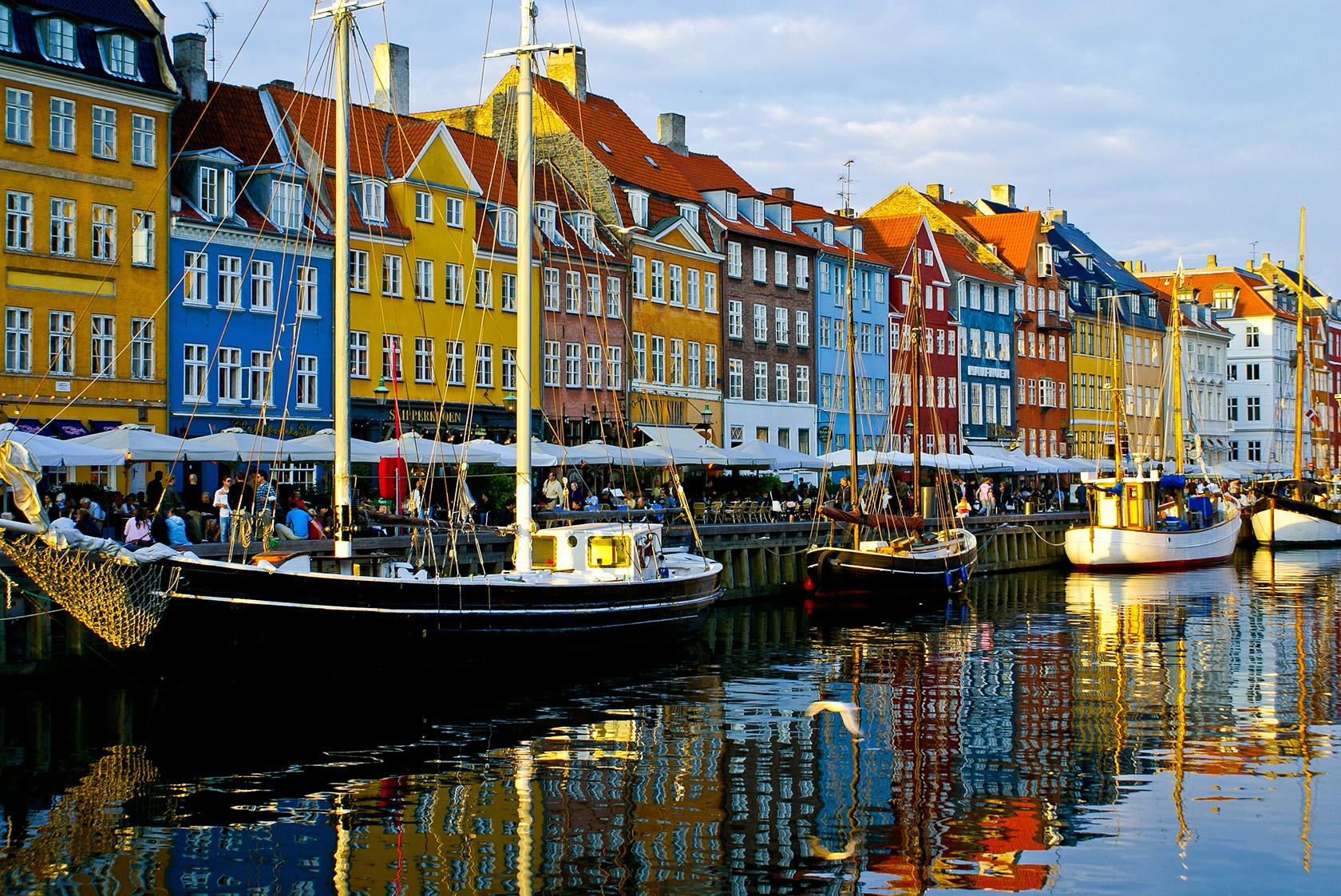
Looking beyond Frederiksberg Palace? Discover Copenhagen Region for broader travel guides, local hot-spots, and regional highlights.
Explore Copenhagen Region
Delve into the world of Danish humor and satirical art at the Storm P. Museum, where whimsical cartoons, eccentric inventions, and cultural history come alive in Frederiksberg.

Historic parklands in Frederiksberg with grand avenues, romantic woodlands, royal pavilions, and subterranean secrets—an urban oasis blending nature and history.