

Christianshavns Kanal, Copenhagen Travel Guide
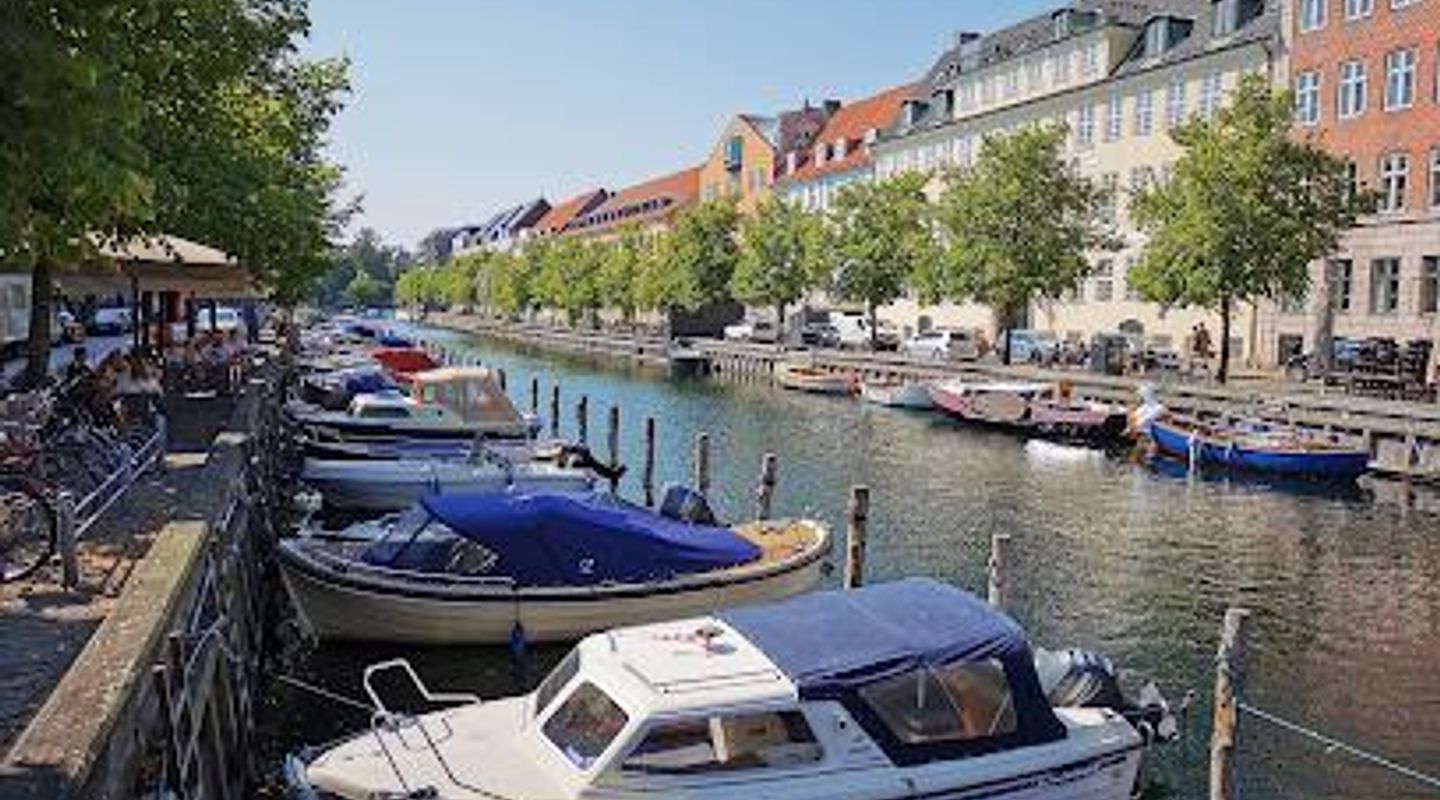
Free Guide: A narrow, centuries-old canal where gabled warehouses, houseboats and calm waterway traffic reveal Copenhagen’s maritime past and relaxed everyday life in one scene.


A brief summary of Christianshavns Kanal
A narrow, centuries-old canal where gabled warehouses, houseboats and calm waterway traffic reveal Copenhagen’s maritime past and relaxed everyday life in one scene.
Christianshavns Kanal is the sinuous waterway that cuts through the heart of Copenhagen’s island district of Christianshavn, a 17th‑century neighborhood envisioned by King Christian IV and inspired by Amsterdam’s canals. Lined with gabled warehouses, pastel townhouses and bobbing houseboats, the canal blends maritime heritage with a relaxed, village-like feel. Today it is both an active waterway and a scenic urban promenade, perfect for slow strolls, café stops, and photographing Copenhagen’s maritime soul from the water’s edge or aboard a boat.
On-site amenities
 Restrooms
 Drink options
 Drinking water
 Food options
 Seating areas
 Trash bins
 Information boards
- Address
- Copenhagen Municipality
Getting there
Metro from central Copenhagen
Cycling from city centre
Harbour bus
Walking from the old town
Discover more about Christianshavns Kanal
A historic waterway at the heart of Christianshavn
Christianshavns Kanal slices cleanly through the island district of Christianshavn, its calm surface tracing a plan laid out in the early 1600s when King Christian IV ordered a Dutch‑style merchant quarter to expand Copenhagen. Built with the help of Dutch engineers, the canal was wide and deep enough to receive tall‑masted ships sailing in from the Baltic, their rigging once crowding the skyline above the tiled roofs and warehouses.Over time, the busy mercantile artery evolved into a lived‑in neighborhood spine. Many of the brick warehouses that once stored grain and goods have been converted into homes, studios, and cultural spaces, but they still hint at the district’s trading past. The streets running on either side, Overgaden oven Vandet and Overgaden neden Vandet, date back to the canal’s foundation and frame the waterway with cobbles, low quays and a distinctly old‑Copenhagen atmosphere.
Everyday life along the quay
Today, Christianshavns Kanal feels both intimate and lively. Houseboats and sailing ships moor in long rows, particularly in the northern stretch, where masts sway gently and creaking rigging provides a soft soundtrack to the day. Cyclists and walkers drift along the quaysides, pausing on benches or café terraces to watch kayaks and small boats glide past at close range.Despite its central location, the canal retains a village sensibility. Students linger on the steps with takeaway coffee, locals chat from boat to boat, and in warmer months people sit on the edge of the quay with their feet dangling just above the water. The canal remains a functioning urban waterway as well as a place to linger, so there is a constant but unhurried movement of vessels threading between the bridges.
Bridges, architecture and a changing skyline
Several bridges punctuate the canal, each adding a layer to its story. Torvegade’s Børnehusbroen crosses near the middle, carrying the main thoroughfare that links Christianshavn with the historic city centre and the island of Amager. Further north, smaller spans frame classic views of gables and masts, turning ordinary crossings into moments to stop and look back along the water.At the northern end, the canal connects with the harbour basins around Holmen and the more recent harbourfront developments. Here historic brick buildings share the waterline with contemporary architecture, signalling how the old trading district has been woven into a broader harbour regeneration. The mix of centuries‑old façades and modern lines gives photographers a rich set of angles, especially in soft morning or evening light when reflections sharpen on the water.
Hidden stories in the buildings by the water
Scattered along the canal are buildings that tell more focused stories about Copenhagen’s maritime and social history. Former naval facilities, such as the complex that once housed a naval hospital, point to the era when the canal sat near the heart of Denmark’s seaborne power. Merchant houses recall international trade networks that stretched from northern Europe to distant colonies.Some of these structures have been adapted into museums and cultural venues, preserving period interiors or collections related to Christianshavn’s past. Others are residential, but their dated portals, carved doorways and warehouse hoists still hint at previous lives. Simply walking the length of the canal rewards anyone curious enough to read façades, plaques and rooflines as clues to four centuries of urban evolution.
Experiencing the canal from water and shore
There are two classic ways to experience Christianshavns Kanal: from along its banks and from its surface. Strolling the quays lets you appreciate details at a slow pace, from mooring bollards worn smooth with use to the names painted on wooden hulls. The narrowness of the waterway keeps everything close; you hear conversations drifting across from boats and smell food from nearby cafés and bakeries.Seeing the canal by boat reveals a different perspective. At water level, the curve of the quays and the height of the buildings feel more dramatic, and the bridges become low thresholds that frame each stretch like a series of scenes. Because this is still an active sailing community, your route is shared with classic wooden vessels and small motorboats, reinforcing the sense that the canal is a lived space rather than a stage set.
Seasonal moods and moments of quiet
Christianshavns Kanal changes character with the seasons and the clock. On bright summer evenings the quays fill with people and the water shimmers under a long northern sky. In the softer light of autumn, coloured façades and turning leaves are mirrored in darker water, while cool air carries the clink of halyards and distant church bells.Winter can be particularly atmospheric, with bare branches revealing more of the architecture and low sun casting long shadows across the canal. Misty mornings lend it a hushed, almost cinematic quality, and the narrowness of the waterway offers some shelter from wind. Whatever the time of year, there are always quieter corners where you can lean on the railing, watch a swan drift by and feel how central this modest stretch of water remains to Copenhagen’s identity.
Evendo Review Centre
 Google
Guest reviews
Best time to go
Quietest: Jan, Feb & Mar · before 6am
Busy times are Evendo estimates for a typical year, to help you plan. Actual crowds vary with events, school holidays and the weather.
Explore Christianshavns Kanal on the map
A handpicked selection of must-see spots near Christianshavns Kanal, mapped for you.
Get your free copy of our complete guide to Christianshavns Kanal, delivered straight to you.
Everything on this page, from opening hours and how to get there to Eve’s tips and the best time to go, in one PDF you can read offline, print or share.
Already have an account? Sign in
Your Christianshavns Kanal guide is ready.
We'll send it to · Not you? Sign out

Getting your guide ready…
We are putting together a fresh copy of the Christianshavns Kanal guide. This can take up to a minute.
This can take a few moments. If your browser asks, choose Allow so the download can start. You'll find the guide in your Downloads folder.
Nothing happened? Download it again
Sorry, the guide is taking longer than usual. Please try again in a minute, or get it by email instead.
Unlock the best of Christianshavns Kanal
Skip-the-line tickets, guided tours with entry, and walking tours of the area, booked in a few clicks.

Other nearby places you may find interesting
The closest places of the same kind, if this one is not quite what you had in mind.
-
Copenhagen Zoo Explore 4,000+ animals across continents without leaving Copenhagen—year-round indoor and outdoor wildlife adventure.
-
 National Aquarium Denmark
Northern Europe’s largest aquarium, where striking whirlpool architecture, sharks, sea otters and a lush indoor rainforest bring the world’s oceans to Copenhagen’s shoreline.
National Aquarium Denmark
Northern Europe’s largest aquarium, where striking whirlpool architecture, sharks, sea otters and a lush indoor rainforest bring the world’s oceans to Copenhagen’s shoreline.
-
Magstræde One of Copenhagen’s oldest cobbled lanes, Magstræde is a colorful, time‑worn shortcut through the city’s medieval heart and everyday modern life.
-
Kastellet A perfectly preserved 17th‑century star fortress where red barracks, a windmill and grassy ramparts create a quiet green refuge beside Copenhagen’s harbour.
-
Rosenborg castle A compact Renaissance palace of kings, crowns and stories, Rosenborg Castle pairs glittering Crown Jewels with tranquil gardens in the very heart of Copenhagen.
Swipe for more places
More to explore near Christianshavns Kanal

 Best experiences near Christianshavns Kanal
 Best hotels near Christianshavns Kanal
 Best landmarks near Christianshavns Kanal
 Best attractions near Christianshavns Kanal
 Best shops near Christianshavns Kanal
 Best restaurants near Christianshavns Kanal
 Best bars near Christianshavns Kanal
Do you manage this location?
Take control to get all the benefits, like improved information, better appearance, and stronger visibility across AI-powered discovery.
Explore more

Explore more of Copenhagen
Discover Copenhagen: A perfect blend of history, modernity, and vibrant culture, where picturesque canals, stunning architecture, and world-class dining await you.
Explore Copenhagen
Explore more of Denmark
Discover Denmark: A perfect blend of history, modern design, and the cozy concept of hygge. Explore vibrant cities, serene landscapes, and world-class cuisine.
Explore Denmark
