Kastellet, Copenhagen Travel Guide
Free Guide: A perfectly preserved 17th‑century star fortress where red barracks, a windmill and grassy ramparts create a quiet green refuge beside Copenhagen’s harbour.


A brief summary of Kastellet
A perfectly preserved 17th‑century star fortress where red barracks, a windmill and grassy ramparts create a quiet green refuge beside Copenhagen’s harbour.
Kastellet is Copenhagen’s remarkably preserved 17th‑century star‑shaped fortress, still an active military area yet open as a tranquil public park. Grassy ramparts, a broad moat and five bastions encircle rows of bright red barracks, a baroque chapel and a historic windmill with views over the harbour and city skyline. Just a short stroll from the Little Mermaid, it’s ideal for peaceful walks, history‑minded wandering and atmospheric photography in all seasons.
On-site amenities
 Restrooms
 Seating areas
 Trash bins
 Information boards
Opening hours
- Every day6 am–8 pm
Opening hours as listed on the venue’s Google Business Profile. Hours can change for services and special events, so check with the venue before you go.
- Address
- Gl. Hovedvagt, Kastellet 1, 2100 København
- Website
Getting there
Metro and short walk from central Copenhagen
City bus to Kastellet area
Cycling from the city centre
Walking from the inner harbourfront
Discover more about Kastellet
A Star-Shaped Fortress on the Edge of the Harbour
Kastellet, known in English as The Citadel, sits like a green pentagram beside Copenhagen’s harbour, its earth ramparts and wide moat forming one of Northern Europe’s best‑preserved star fortresses. Laid out in the 17th century as part of Copenhagen’s defensive ring, it was designed so soldiers could survey every approach line, a geometry that is still clearly legible from the paths atop the walls.As you wander the perimeter, the tranquil scene belies its original purpose. Grassy slopes tumble to the water, trees frame views of the harbour, and joggers trace the same lines once patrolled by guards. The fortress still belongs to the Danish armed forces, lending a subtle sense of ceremony and order, yet the grounds function as a relaxed public park where military history and everyday city life intersect.
From Royal Ambition to Modern Military Role
The story of Kastellet begins in the 1600s, when Danish monarchs reshaped Copenhagen into a fortified capital capable of withstanding European power struggles. Commissioned in the reign of King Frederick III and initiated under King Christian IV, the citadel was built to a cutting‑edge star design, enabling overlapping fields of fire and stronger bastions than medieval walls could offer.Over the centuries, the fortress witnessed sieges, shifting borders and evolving warfare. In the 19th century it served primarily as barracks and logistical hub; during the Second World War it was occupied by German forces, a reminder that even this peaceful corner of the city once sat at the fault line of European conflict. Today, parts of Kastellet still house military institutions, but the emphasis has shifted from defence to remembrance and quiet reflection.
Windmill, Chapel and Colour-Washed Barracks
Inside the walls, Kastellet feels like a self‑contained village. Rows of vividly painted red barrack blocks line the central axis, their orderly facades and white‑framed windows creating a striking contrast with the green embankments around them. These 18th‑century buildings once housed soldiers and officers and now provide a rare glimpse of historical military architecture in daily use.Close by, the baroque Citadel Church stands with understated elegance, its pale exterior and simple interior occasionally hosting services and concerts. On one of the bastions, a traditional windmill from the 1840s recalls the days when grain was ground here for the garrison, its sails framing views over the harbour. Together, these features give the fortress an almost pastoral character, more village green than garrison, especially on calm days.
Walking the Ramparts and Exploring the Bastions
For many visitors, the highlight of Kastellet is the chance to walk the full loop of its ramparts. The path undulates gently along the five bastions, revealing new perspectives at every turn: glimpses of the Little Mermaid and the open sea, the domes and spires of central Copenhagen, and the straight lines of the barracks town below. It is an easy, accessible walk that nonetheless conveys the scale and ingenuity of the original fortifications.Down at moat level, tree‑lined paths follow the water’s edge, popular with runners, dog‑walkers and families. Benches invite you to pause and watch waterfowl on the moat or study the subtle angles of the defences. In several spots, sculptural monuments and memorials commemorate Denmark’s international missions and military history, adding a contemplative dimension to a casual stroll.
A Green Refuge in the City
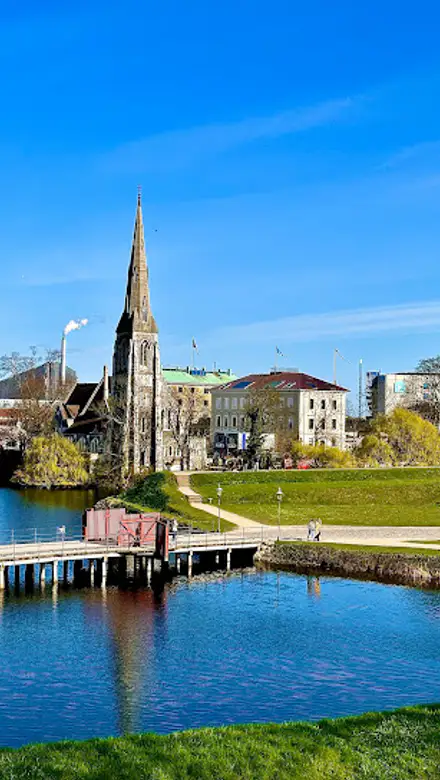
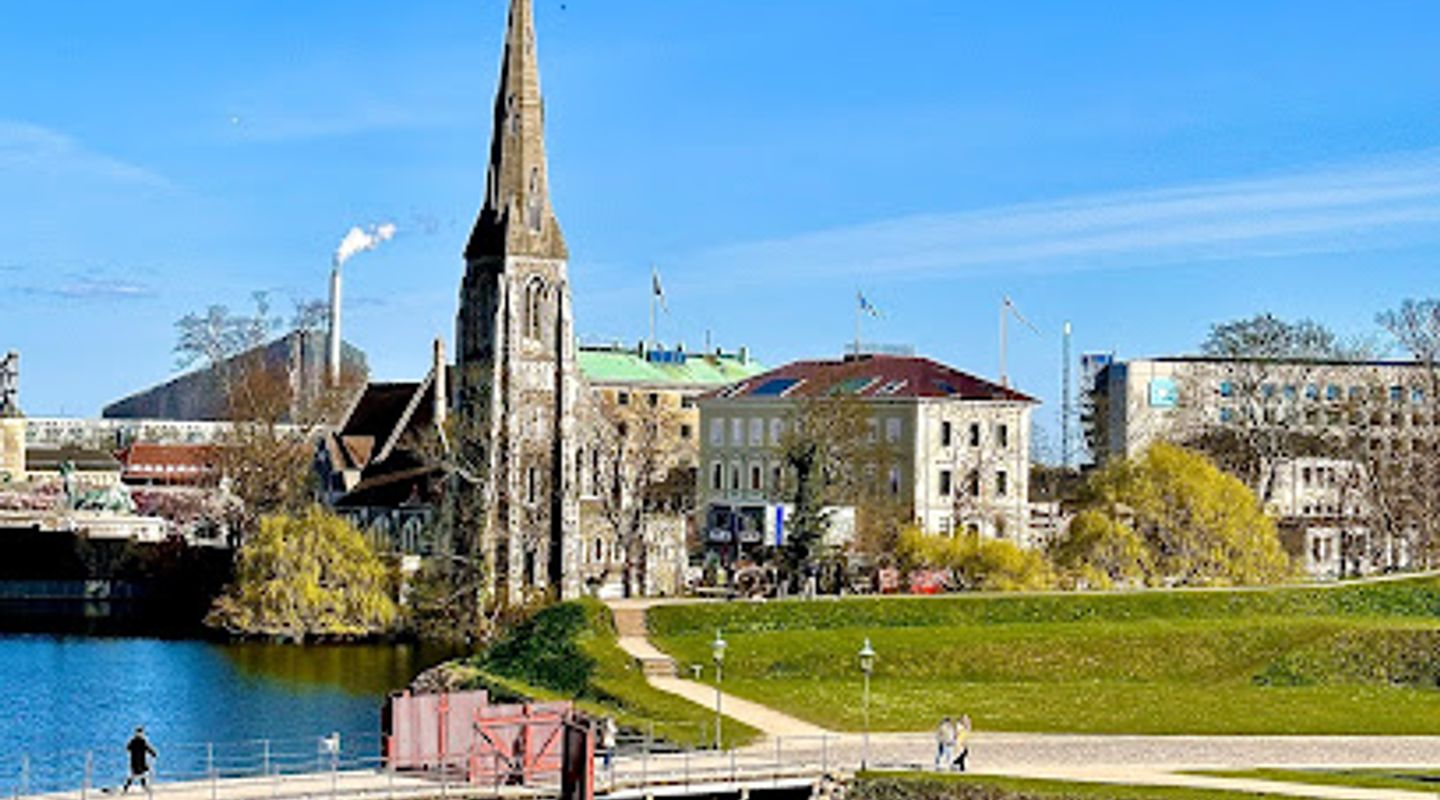
Despite its martial origins, Kastellet today feels primarily like a green haven. In spring, the lawns and ramparts burst into fresh colour; in summer, the long Nordic evenings make it a pleasant place for unhurried walks; autumn brings warm tones to the trees; winter can cloak the bastions in frost, sharpening the fortress outlines. Throughout the year, the atmosphere is notably calm compared with busier central parks.Its location near major sights such as the Little Mermaid, St Alban’s Church and the harbourfront makes Kastellet easy to weave into a wider day out, yet it retains a self‑contained serenity. Whether you come for military history, architectural geometry or just a quiet circuit in the fresh air, the citadel offers an unusually layered urban landscape: part monument, part park, and part living military site.
Evendo Review Centre
 Google
Guest reviews
Best time to go
Quietest: Jan, Feb & Mar · before 7am or from 10pm
Busy times are Evendo estimates for a typical year, to help you plan. Actual crowds vary with events, school holidays and the weather.
Explore Kastellet on the map
A handpicked selection of must-see spots near Kastellet, mapped for you.
Get your free copy of our complete guide to Kastellet, delivered straight to you.
Everything on this page, from opening hours and how to get there to Eve’s tips and the best time to go, in one PDF you can read offline, print or share.
Already have an account? Sign in
Your Kastellet guide is ready.
We'll send it to · Not you? Sign out

Getting your guide ready…
We are putting together a fresh copy of the Kastellet guide. This can take up to a minute.
This can take a few moments. If your browser asks, choose Allow so the download can start. You'll find the guide in your Downloads folder.
Nothing happened? Download it again
Sorry, the guide is taking longer than usual. Please try again in a minute, or get it by email instead.
Unlock the best of Kastellet
Skip-the-line tickets, guided tours with entry, and walking tours of the area, booked in a few clicks.
 Tour with entry
A Self-Guided Nordic Exploration in Copenhagen's Hidden Hygge
from $1.06 Tour with entry
Self-Guided Tour In Copenhagen with 100 Captivating Audio Stories
from $3.19 Tour with entry
Copenhagen Self Guided Audio Experience
from $5.70 Tour with entry
Copenhagen Walking Tour with Audioguide on Your Smartphone
from $10.67


Other nearby places you may find interesting
The closest places of the same kind, if this one is not quite what you had in mind.
-
-

-
-
-


Swipe for more places
More to explore near Kastellet

 Best experiences near Kastellet
 Best hotels near Kastellet
 Best landmarks near Kastellet
 Best attractions near Kastellet
 Best shops near Kastellet
 Best restaurants near Kastellet
 Best bars near Kastellet
Do you manage this location?
Take control to get all the benefits, like improved information, better appearance, and stronger visibility across AI-powered discovery.
Explore more

Explore more of Copenhagen
Discover Copenhagen: A perfect blend of history, modernity, and vibrant culture, where picturesque canals, stunning architecture, and world-class dining await you.
Explore Copenhagen
Explore more of Denmark
Discover Denmark: A perfect blend of history, modern design, and the cozy concept of hygge. Explore vibrant cities, serene landscapes, and world-class cuisine.
Explore Denmark