

Sankt Annæ Gade, Køge Travel Guide
Free Guide: A narrow Christianshavn street where warehouses became homes, church bells echo over cobblestones, and Copenhagen’s maritime past meets everyday neighborhood life.


A brief summary of Sankt Annæ Gade
A narrow Christianshavn street where warehouses became homes, church bells echo over cobblestones, and Copenhagen’s maritime past meets everyday neighborhood life.
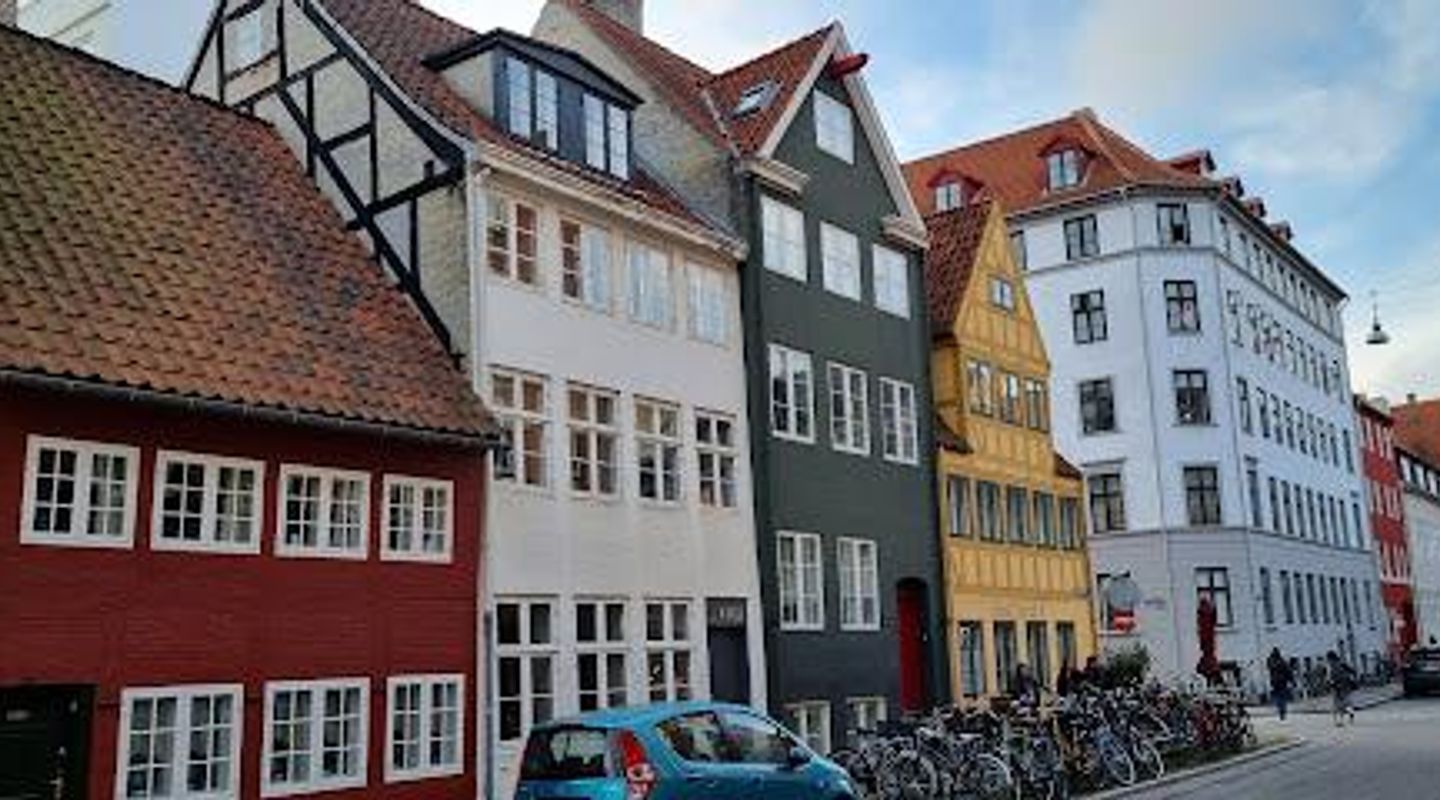
Sankt Annæ Gade is a quietly atmospheric street in Copenhagen’s Christianshavn district, lined with centuries-old townhouses, former merchants’ warehouses and glimpses of the nearby canals. Just behind the spire of Our Saviour’s Church, it preserves a strong sense of old Copenhagen, with cobblestones underfoot, gabled facades, and modest courtyards that hint at its maritime and trading past. Today it feels residential and local, yet remains an evocative place for a slow architectural wander.
On-site amenities
 Trash bins
- Address
- Copenhagen
Getting there
Metro from central Copenhagen
City bus within Copenhagen
Bicycle from inner city
On foot from Kongens Nytorv area
Discover more about Sankt Annæ Gade
A historic lane in the heart of Christianshavn
Sankt Annæ Gade threads through the Christianshavn quarter, one of Copenhagen’s most characterful historic districts. The street dates back to the 17th century, when this entire area was reclaimed from the seabed and planned as a merchant and seafaring neighborhood. Here, life and commerce once revolved around the nearby canals, and many of the houses still bear the proportions and materials of that era, with red brick, timber framing and steep gables facing the wind off the harbour.Strolling along the cobblestones, you sense how compact the old city once was: façades stand close to the street, rooflines crowd the sky, and details such as date stones, old door knockers and tiny cellar windows quietly tell of long urban lives.
Warehouses turned townhouses
One of the most striking aspects of Sankt Annæ Gade is how former warehouses and working buildings have been transformed into handsome residences while keeping their historic bones. Properties like the notable house at number 4 began life in the 1620s as part of a long commercial warehouse complex serving nearby merchants and shipowners. In the mid‑18th century, an anchor smith converted that structure into a two-storey dwelling, marking the shift from pure industry to mixed residential use in the street.Elsewhere along the street, bricked-up hoist doors, broad gateways and deep plots hint at past workshops, storage lofts and small yards where goods once moved in and out by cart and barge. Today these same shells shelter apartments and courtyards, but their silhouettes still speak of the working harbour that defined Christianshavn.
Everyday life with a maritime backdrop
Despite its impressive history, Sankt Annæ Gade feels lived-in rather than museum-like. Bicycles lean against plastered walls, potted plants soften stoops and window sills, and laundry lines appear in tucked-away courtyards. You are only a short block from the water, and the presence of the canals is constant: a glimpse of moored boats down a side alley, the faint slap of waves, or the creak of rigging on a windy day.The street’s human scale is part of its charm. Most buildings rise no higher than a few storeys, and narrow cross streets link quickly to other parts of Christianshavn, creating a compact maze that invites unhurried exploration on foot.
In the shadow of Our Saviour’s Church
At one end of Sankt Annæ Gade, the spiral spire of Our Saviour’s Church rises above the rooftops, an unmistakable landmark in this part of Copenhagen. The church itself dates from the late 17th century and is one of Denmark’s key baroque monuments, with a distinctive corkscrew tower added in the 18th century. As you move along the street, the tower appears and disappears between chimneys and gables, orienting you like a compass needle.Bells from the church mark the passing hours, and on clear days you may spot tiny figures climbing the external staircase high above. This interplay between modest residential street and grand sacred architecture gives Sankt Annæ Gade much of its distinctive atmosphere.
A gentle walk for architecture lovers
For visitors, Sankt Annæ Gade is best appreciated at a slow pace, ideally combined with a wider wander through Christianshavn and the canals. It is not a place of major attractions or big-ticket sights; instead, its appeal lies in the accumulation of small details: the way afternoon light slides along yellow plaster, the curve of an old doorway, or the patina on iron railings.Photographers will find plenty of angles, particularly where the street bends and frames the church tower, or where 18th-century façades line up in subtly different colours. It is an easy, low-key stop that reveals how Copenhagen’s maritime and mercantile past has been woven into a comfortable present-day neighborhood.
Quiet character through the seasons
Sankt Annæ Gade changes with the weather and time of year. In summer, greenery spills from window boxes and the cobblestones radiate warmth retained from the long Scandinavian evenings. Autumn brings crisp air and deeper shadows, with leaves collecting along the gutters. Even in light rain or winter snow, the street’s textures stand out: wet stone, glistening brickwork and the soft glow of lamplight in tall-paned windows.Whatever the season, this is a street that rewards those willing to slow down and notice how centuries of urban life have settled into the fabric of Copenhagen.
Evendo Review Centre
 Google
Guest reviews
Best time to go
Quietest: Jan, Feb & Mar · before 7am
Busy times are Evendo estimates for a typical year, to help you plan. Actual crowds vary with events, school holidays and the weather.
Explore Sankt Annæ Gade on the map
A handpicked selection of must-see spots near Sankt Annæ Gade, mapped for you.
Get your free copy of our complete guide to Sankt Annæ Gade, delivered straight to you.
Everything on this page, from opening hours and how to get there to Eve’s tips and the best time to go, in one PDF you can read offline, print or share.
Already have an account? Sign in
Your Sankt Annæ Gade guide is ready.
We'll send it to · Not you? Sign out

Getting your guide ready…
We are putting together a fresh copy of the Sankt Annæ Gade guide. This can take up to a minute.
This can take a few moments. If your browser asks, choose Allow so the download can start. You'll find the guide in your Downloads folder.
Nothing happened? Download it again
Sorry, the guide is taking longer than usual. Please try again in a minute, or get it by email instead.
Unlock the best of Sankt Annæ Gade
Skip-the-line tickets, guided tours with entry, and walking tours of the area, booked in a few clicks.

Other nearby places you may find interesting
The closest places of the same kind, if this one is not quite what you had in mind.
-
-
-
-
-


Swipe for more places
More to explore near Sankt Annæ Gade

 Best experiences near Sankt Annæ Gade
 Best hotels near Sankt Annæ Gade
 Best landmarks near Sankt Annæ Gade
 Best attractions near Sankt Annæ Gade
 Best shops near Sankt Annæ Gade
 Best restaurants near Sankt Annæ Gade
 Best bars near Sankt Annæ Gade
Do you manage this location?
Take control to get all the benefits, like improved information, better appearance, and stronger visibility across AI-powered discovery.
Explore more
Explore more of Køge
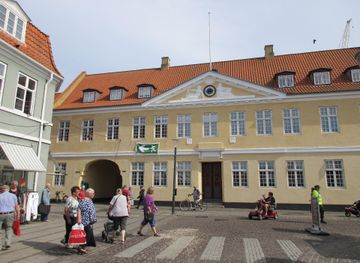
Explore Køge, Denmark's coastal gem, with its medieval charm, beautiful marina, and close proximity to the stunning Stevns Klint UNESCO World Heritage site.
Explore Køge
Explore more of Denmark
Discover Denmark: A perfect blend of history, modern design, and the cozy concept of hygge. Explore vibrant cities, serene landscapes, and world-class cuisine.
Explore Denmark
