Magstræde, Copenhagen Travel Guide
Free Guide: A narrow sweep of cobblestones and crooked pastel houses, Magstræde preserves Copenhagen’s medieval soul in the heart of the modern city.


A brief summary of Magstræde
A narrow sweep of cobblestones and crooked pastel houses, Magstræde preserves Copenhagen’s medieval soul in the heart of the modern city.
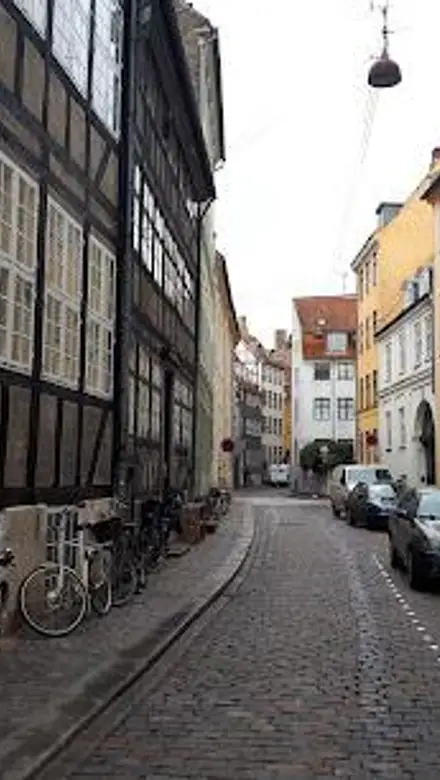
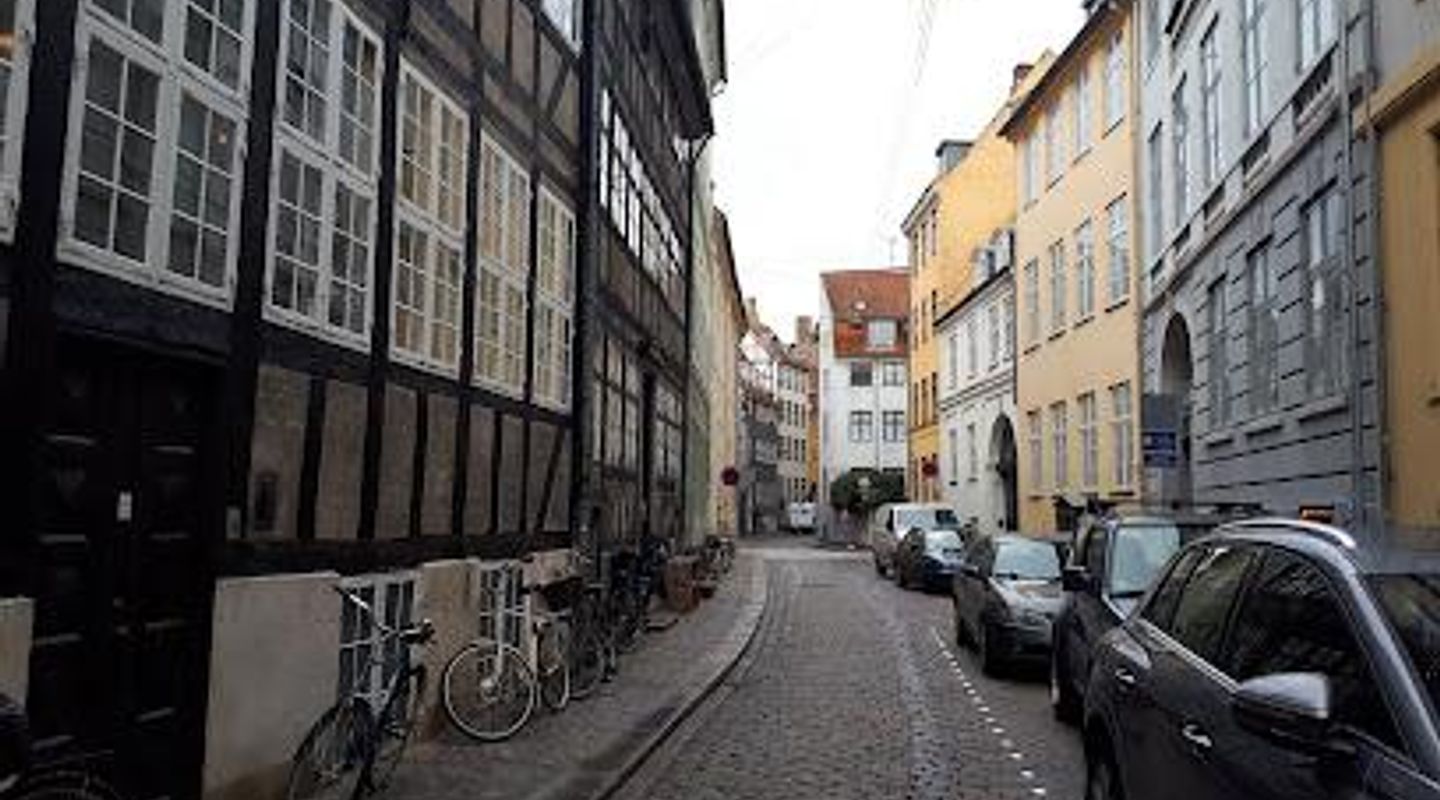
Magstræde is one of Copenhagen’s oldest and most atmospheric streets, a short, gently curving lane of original cobblestones and crooked, pastel townhouses in the historic Indre By. Dating back to the 1520s, it survived the city’s great fires and still showcases centuries of Danish urban life, from 17th‑century merchants’ houses to cultural venues and cozy eateries. Quiet yet central, it’s a favourite spot for slow strolls, architecture buffs, and photographers chasing that quintessential old Copenhagen scene.
On-site amenities
 Restrooms
 Drink options
 Food options
 Seating areas
 Trash bins
 Information boards
- Address
- Copenhagen
Getting there
Metro and short walk within central Copenhagen
City bus to the Old Town area
Bicycle within Copenhagen
On foot from central landmarks
Discover more about Magstræde
A Medieval Street Surviving Fire and Change
Magstræde is among Copenhagen’s very oldest streets, first laid out in the early 1500s when the shoreline shifted and new land was claimed from the harbor. Its name even hints at its humble beginnings, derived from an old word linked to public latrines once located nearby. Over the centuries the street witnessed the city’s growth as a trading hub and survived devastating fires in the 18th century that reshaped much of the surrounding Old Town.Unlike many neighboring lanes, Magstræde preserved much of its intimate medieval footprint. The street remains narrow and slightly irregular, bending just enough that you can never quite see from one end to the other. That subtle curve and compressed scale are part of its charm, evoking a time before straight boulevards and modern city planning.
Cobbles, Crooked Houses and Architectural Details
What makes Magstræde instantly memorable is the combination of original cobblestones underfoot and a row of colorful townhouses leaning at gentle, time‑earned angles. Facades range from muted ochres and dusty blues to brick-red gables, with steep roofs, dormer windows, and occasional half‑timbered details. Some buildings date back to the 17th century, with later reconstructions following the fires of 1728 and 1795, so a walk here is like reading layers of Danish architecture in a single glance.Look closely and you’ll spot clues to its working‑city past: old warehouse openings, discreet hoist beams, and robust wooden doors that once opened onto workshops, breweries, and merchant stores. A few houses are known for their craftsmanship, including former residences built for court carpenters and tradesmen tied to grand projects elsewhere in Copenhagen.
From Working Lane to Cultural Backdrop
Historically, Magstræde formed part of a busy corridor between the quays of Gammel Strand and the heart of town. Merchants, craftsmen, and city officials lived and worked here, using the nearby canal and narrow lanes as their logistical lifelines. Over time, as the harbor modernized and commerce moved, daily life on Magstræde slowed, creating space for new uses.Today, the street mixes offices, studios, and a scattering of bars and restaurants housed in the old buildings. Nearby, the long‑standing cultural house Huset‑KBH continues the area’s creative streak with music, film, and performance in a historic setting. The result is a quarter that feels lived‑in rather than staged: washing in a window, a bike leaning against a wall, and the occasional sound of rehearsals drifting out of a doorway.
A Photogenic Corner of Old Copenhagen
Magstræde’s combination of scale, color, and texture makes it one of the city’s most photographed spots. In early morning light, the pastel facades catch soft shadows, and the polished cobbles glint just enough to give depth without glare. On overcast days, the muted sky turns the street into a natural softbox, ideal for capturing architecture and portraits without harsh contrast.Its intimacy also makes it a rewarding place simply to pause. There are no grand monuments or sweeping squares here—just a human‑sized street with subtle lines, irregular plots, and details that reveal themselves slowly. Step back at corners for wider compositions, then move in close for carved doorframes, wrought‑iron details, and weathered street signs that anchor photos firmly in old Copenhagen.
Experiencing the Atmosphere on Foot
Magstræde is best experienced at walking pace. The cobblestones can be uneven, so you feel every step and remain acutely aware of moving through an old city fabric. Traffic tends to be light, often limited to the odd service vehicle or cyclist, which keeps the street’s soundscape to footsteps, conversation, and the ring of bicycle bells.Because it sits close to key historic areas such as Gammel Strand and Slotsholmen, Magstræde works naturally into a wider exploration of central Copenhagen. You might linger only a few minutes for photographs or stay longer, letting your route spill into neighboring side streets lined with galleries, small shops, and cafés. Either way, this short, centuries‑old lane leaves a strong impression of how compact, dense, and characterful the city once was—and, in places, still is.
Evendo Review Centre
 Google
Guest reviews
Best time to go
Quietest: Jan, Feb & Mar · before 8am or from 11pm
Busy times are Evendo estimates for a typical year, to help you plan. Actual crowds vary with events, school holidays and the weather.
Explore Magstræde on the map
A handpicked selection of must-see spots near Magstræde, mapped for you.
Get your free copy of our complete guide to Magstræde, delivered straight to you.
Everything on this page, from opening hours and how to get there to Eve’s tips and the best time to go, in one PDF you can read offline, print or share.
Already have an account? Sign in
Your Magstræde guide is ready.
We'll send it to · Not you? Sign out

Getting your guide ready…
We are putting together a fresh copy of the Magstræde guide. This can take up to a minute.
This can take a few moments. If your browser asks, choose Allow so the download can start. You'll find the guide in your Downloads folder.
Nothing happened? Download it again
Sorry, the guide is taking longer than usual. Please try again in a minute, or get it by email instead.
Unlock the best of Magstræde
Skip-the-line tickets, guided tours with entry, and walking tours of the area, booked in a few clicks.


Other nearby places you may find interesting
The closest places of the same kind, if this one is not quite what you had in mind.
-
-

-
-
-


Swipe for more places
More to explore near Magstræde

 Best experiences near Magstræde
 Best hotels near Magstræde
 Best landmarks near Magstræde
 Best attractions near Magstræde
 Best shops near Magstræde
 Best restaurants near Magstræde
 Best bars near Magstræde
Do you manage this location?
Take control to get all the benefits, like improved information, better appearance, and stronger visibility across AI-powered discovery.
Explore more

Explore more of Copenhagen
Discover Copenhagen: A perfect blend of history, modernity, and vibrant culture, where picturesque canals, stunning architecture, and world-class dining await you.
Explore Copenhagen
Explore more of Denmark
Discover Denmark: A perfect blend of history, modern design, and the cozy concept of hygge. Explore vibrant cities, serene landscapes, and world-class cuisine.
Explore Denmark