Fredensborg Palace
A lived‑in royal residence by Lake Esrum, where baroque palace architecture and vast gardens celebrate peace, ceremony and everyday Danish royal life.
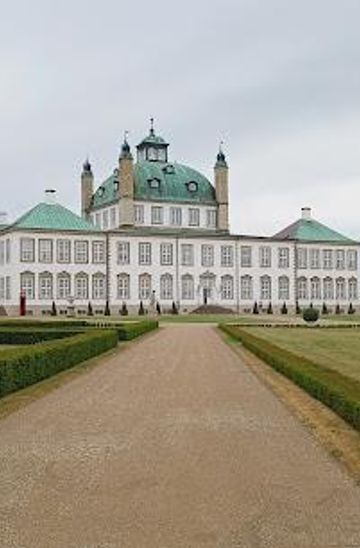
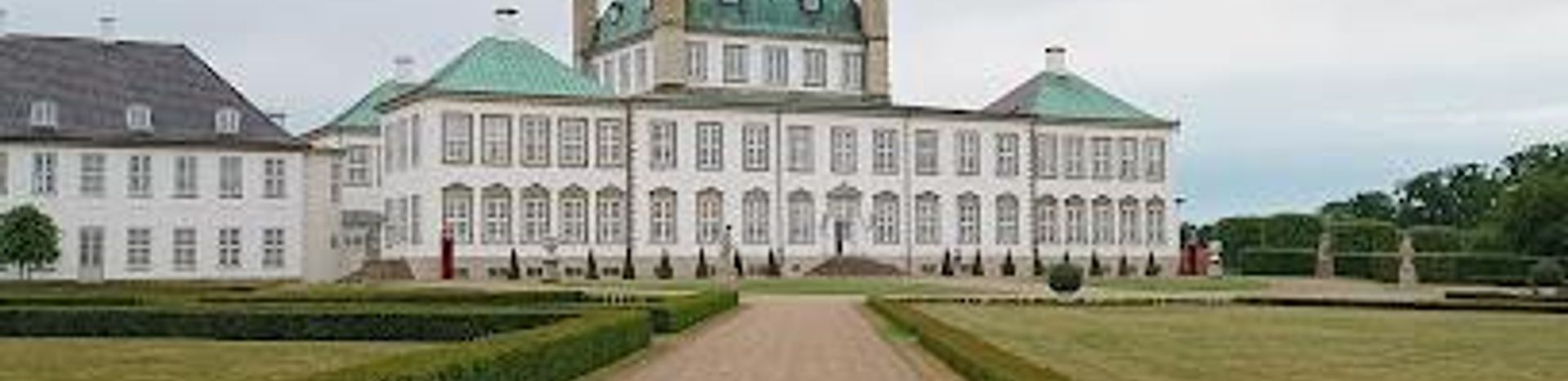
Set on the shores of Lake Esrum in North Zealand, Fredensborg Palace is one of the Danish royal family’s most cherished residences and a showcase of baroque elegance. Built for King Frederik IV in the early 18th century to celebrate peace after the Great Northern War, the creamy domed palace is framed by one of Denmark’s largest formal gardens, where long avenues, sculptural groups and woodland paths blend royal pomp with tranquil, everyday strolls.
A brief summary to Fredensborg Palace
- Slottet 1B, Fredensborg, 3480, DK
- Click to display
- Click to display
- Duration: 1.5 to 4 hours
- Mid ranged
-
 Mixed
Mixed
- Mobile reception: 4 out of 5

Know before you go
Hi, I'm Eve. Here are a few practical things to know before exploring Fredensborg Palace.
- Aim for a summer visit if you want the option of guided tours inside the palace, chapel and Reserved Garden, which are only open during specific weeks.
- Allow extra time to explore the baroque avenues and the Valley of the Norsemen sculptures; comfortable walking shoes are helpful on gravel paths.
- Check current tour times and languages in advance, as interior access is only possible with a ticketed guided tour and fixed starting slots.
- Bring layers: the lakeside setting can feel cool and breezy even on sunny days, especially in spring and autumn when the royal family is in residence.
- Photography is excellent in the early morning or late afternoon when low light enhances the long baroque perspectives and reflections on Lake Esrum.
Do you manage this location?
Take control to get all the benefits, like improved information, better appearance, and stronger visibility across AI-powered discovery. Learn more
Activate your presenceOther nearby places you may find interesting

Getting There
-
Regional train and local walk from Copenhagen
From central Copenhagen, take an S‑train or regional train towards Hillerød and change to the local line for Fredensborg; the total journey is typically 45–60 minutes. Trains run at least twice an hour during the day. From Fredensborg station it is a pleasant, mostly level walk of about 15–20 minutes through the town to the palace. A standard adult single train ticket usually costs around DKK 50–80 depending on discounts and ticket type.
-
Car from Copenhagen or Helsingør
Driving from central Copenhagen to Fredensborg generally takes 40–60 minutes, depending on traffic, while the route from Helsingør is often 25–35 minutes. Roads are paved and straightforward, and no special vehicle is required. Public parking is available near the palace and in the town; on peak summer days spaces closest to the palace can fill, so allow a little extra time to find a spot. Expect fuel and any toll costs in addition to parking, which is often free or low‑cost in this area.
-
Regional bus within North Zealand
If you are already in North Zealand towns such as Hillerød or Helsingør, regional buses connect to Fredensborg in roughly 25–45 minutes, depending on route and time of day. Services are less frequent in the evenings and on weekends, so checking the timetable in advance is important. Bus tickets within the region usually cost around DKK 25–50 for a single journey, and can often be used in combination with train tickets as part of the same zone system.
For the on-the-go comforts that matter to you
-
 Restrooms
-
 Drink Options
-
 Drinking Water
-
 Food Options
-
 Seating Areas
-
 Sheltered Areas
-
 Picnic Areas
-
 Trash Bins
-
 Information Boards
-
 Visitor Center
Discover more about Fredensborg Palace
Peace, power and a royal country retreat
Fredensborg Palace sits in gentle North Zealand countryside, its pale facades and green dome rising above the eastern shore of Lake Esrum. Conceived as a country seat for King Frederik IV and inaugurated in 1722, it marked a new era after the Great Northern War; its very name, meaning “Peace’s Castle”, commemorates the treaty that secured calm in the region. Though still an active royal residence, it also serves as a place where Denmark is formally presented to the world during state visits and important celebrations.The palace’s plan centres on a square main block with an octagonal courtyard, radiating symmetry typical of early 18th‑century baroque design. Over successive reigns, leading architects refined and extended the complex, adding corner pavilions, raising the roofline and creating a more imposing silhouette. Yet despite these changes, the ensemble still feels cohesive and intimate, closer to a grand manor than a forbidding fortress.Architecture shaped by generations of kings and queens
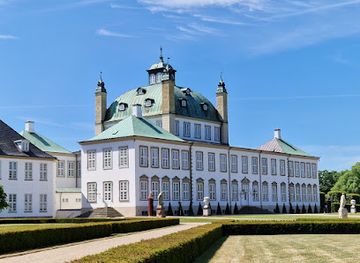
Fredensborg’s architecture is a layered story in stone and copper. Johan Cornelius Krieger’s original design drew on French baroque ideals: axial layouts, balanced wings and a central dome hall that acts as the architectural and ceremonial heart of the building. Later, Lauritz de Thurah reshaped the roof into a flatter form ringed by a balustrade, subtly increasing the palace’s stature without overwhelming its surroundings.Further additions by Nicolai Eigtved introduced four corner pavilions, their pyramid-shaped copper roofs lending a rhythmic profile around the main block. To one side, the palace chapel rises with an ornate spire and sculpted gable, signalling its importance as a setting for royal weddings, christenings and confirmations. Nearby, the long Chancellery House once housed ministers and high officials; today it continues the tradition of providing a more domestic counterpoint to the formality of the central residence.Gardens where baroque formality meets romantic woodland
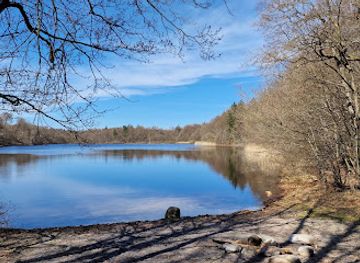
Beyond the palace walls stretches one of Denmark’s largest historical gardens, often compared to a modest Versailles in its ambition. Straight avenues shoot out from the main building like spokes, framing broad lawns and geometric bosquets. The principal axis, Brede Allé, was meticulously restored in the 21st century and now once again draws the eye in a grand perspective from the palace deep into the landscape.Within this formal structure lie quieter corners: woodland sections with curving paths, reflecting the later shift towards more naturalistic, Romantic garden design. Scattered along the routes are sculptural surprises, including the celebrated Valley of the Norsemen, where dozens of sandstone figures depict Norwegian and Faroese farmers and fishermen, an unusual tribute to ordinary people within a royal park. Closer to the palace, the Orangery and kitchen garden continue to supply flowers and produce for the court, underlining the garden’s working role.A living setting for royal ceremony and private life
Unlike castles that function purely as museums, Fredensborg remains a lived-in home, particularly in spring and autumn when the monarch resides here for extended periods. Its state rooms host diplomatic receptions, state banquets and moments of national significance, from wedding festivities to milestone birthdays. A distinctive tradition sees visiting heads of state etching their signatures into selected window panes, leaving a discreet record of international encounters.Behind the formal facades, more intimate spaces speak of family life. The Reserved Garden, normally screened from view, reflects the tastes of modern queens who have planted flower beds, hedges and ornamental trees to create a private sanctuary. Historic riding grounds and former stables recall an era when royal horses were stabled close enough to be summoned at short notice, while today the surrounding town and lakeside paths give the palace a softer, village-like context.Planning a visit to palace and parkland
Most of the year, visitors experience Fredensborg from the outside, combining views of the palace with long walks through the freely accessible main gardens and lakeside edges. In summer, selected periods bring the rare chance to join guided tours that lead through parts of the interior, the chapel, the Orangery and the usually closed Reserved Garden, offering a closer look at stucco ceilings, formal dining rooms and the everyday infrastructure of a working royal household.The site lends itself to unhurried exploration: broad gravel avenues, shaded benches and open lawns encourage picnics and quiet pauses as much as photography and architectural appreciation. Whether you stay near the palace core or wander far into the avenues and woodland, Fredensborg combines the grandeur expected of a royal residence with an atmosphere that feels surprisingly relaxed and accessible.Explore the best of what Fredensborg Palace has to offer













More about Copenhagen Region
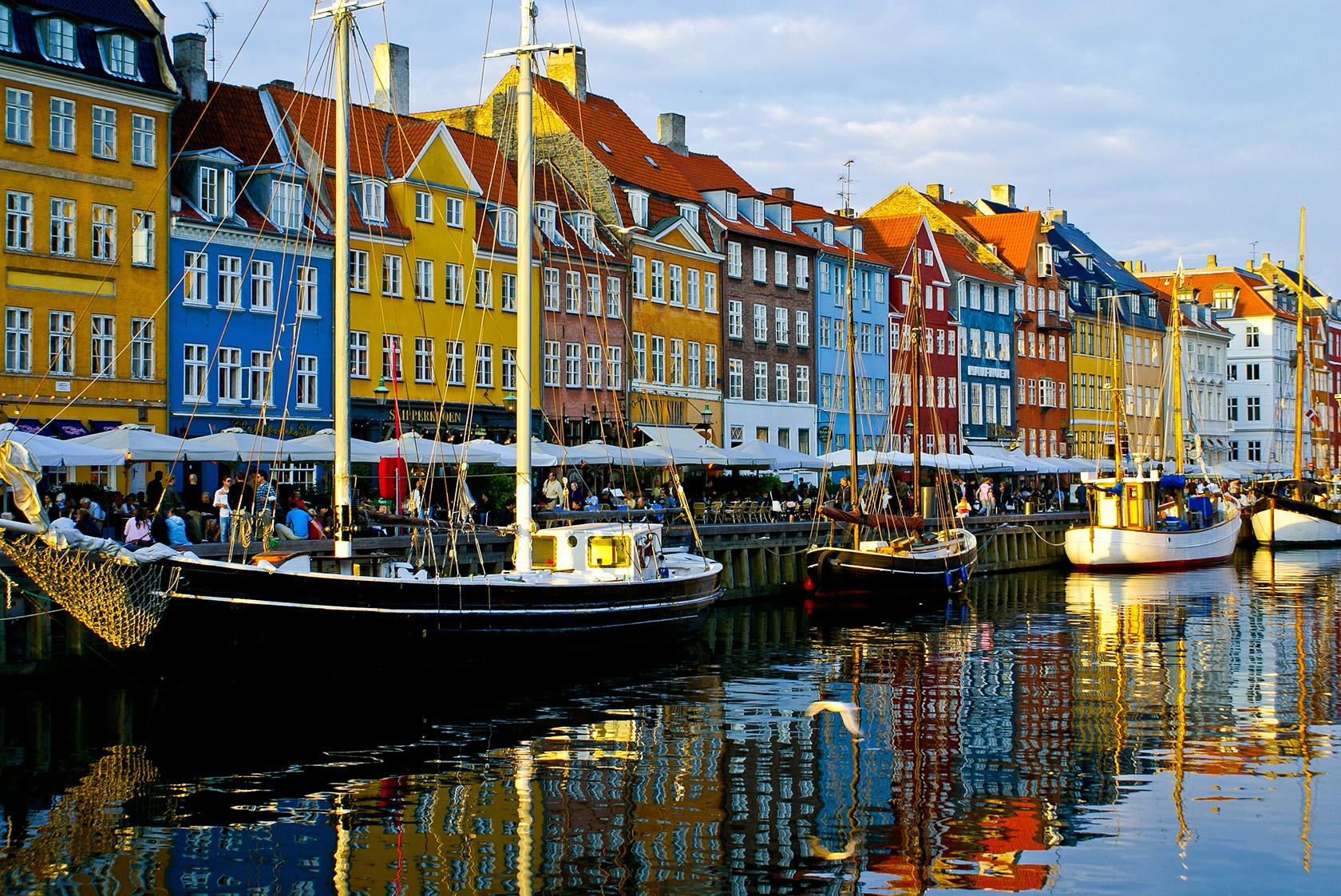
Discover the Copenhagen Region: A perfect mix of historic charm and modern vibrancy, offering scenic beauty, cultural landmarks, and a high quality of life.
Tell me more about Copenhagen Region
Historic royal hunting forest turned accessible nature escape, where star-shaped rides, stone dykes and quiet trails reveal North Zealand’s UNESCO-listed landscape.
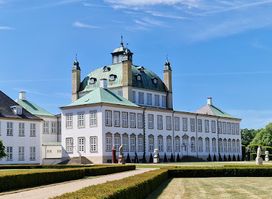
A vast royal park of sweeping avenues, quiet woodland and lake views, wrapping an active Danish palace in 120 hectares of remarkably peaceful landscape.