

Søborg Slotsruin, North Zealand Travel Guide
Medieval fortress ruins reflected in a restored lake, where Danish history meets nature restoration.
Søborg Slotsruin is a medieval castle ruin located northwest of the village of Søborg near Gilleleje in North Zealand, Denmark. Built in the 12th century as one of Denmark's strongest fortresses, the castle once served as a royal residence and high-security prison. Today, visitors can explore the atmospheric ruins set within the newly restored Søborg Lake landscape, a 600-hectare natural area featuring wetlands, freshwater meadows, and a 13-kilometer walking trail.
A brief summary to Søborg Slotsruin
- Bygaden 44, Gilleleje, 3250, DK
- Click to display
- Click to display
- Duration: 1.5 to 4 hours
- Free
-
 Outdoor
- Mobile reception: 4 out of 5

Know before you go
Hi, I'm Eve. Here are a few practical things to know before exploring Søborg Slotsruin.
- Visit during late afternoon or early evening to experience the best sunset views over the restored Søborg Lake, when the castle ruins are beautifully illuminated and reflected in the water.
- Explore the 13-kilometer trail around the lake in sections rather than attempting the full circuit in one visit; the northern and southern portions offer distinct perspectives and can be enjoyed separately.
- Visit the Søborggård and pump station to understand the 230-year drainage history and see the engineering infrastructure that shaped the landscape before its recent restoration.
- Bring binoculars for birdwatching; the restored wetlands and shallow lake attract diverse bird species including wading birds, waterfowl, and the rare corncrake.
- Combine your visit with nearby Søborg Church (built around 1180) to experience the complete medieval settlement context that developed around the castle.
Do you manage this location?
Take control to get all the benefits, like improved information, better appearance, and stronger visibility across AI-powered discovery. Learn more about listing your business on Evendo
Activate your presenceOther nearby places you may find interesting
The closest places of the same kind, if this one is not quite what you had in mind.
Explore Søborg Slotsruin on the Map
A handpicked selection of must-see spots near Søborg Slotsruin, mapped for you.
Getting There
-
By Car
From Copenhagen, drive north approximately 40 kilometers via the E47 motorway toward Hillerød, then follow signs toward Gilleleje. Søborg Slotsruin is located at Bygaden 44, 3250 Gilleleje. Parking is available at two locations: near Søborg Church or at Forsamlingshuset (the community center). Travel time from central Copenhagen is approximately 50–60 minutes depending on traffic. Parking is free at both locations.
-
By Bicycle
Søborg Slotsruin lies directly on Cycle Route 33, which connects Hillerød and Gilleleje. This is a well-maintained regional cycling route suitable for all ability levels. From Hillerød, the route is approximately 20 kilometers; from Gilleleje, approximately 8 kilometers. The route passes through North Zealand's countryside and is ideal for combining the castle visit with broader cycling exploration of the region. Journey time from Hillerød is approximately 1.5–2 hours; from Gilleleje, 30–40 minutes.
-
By Train and Bicycle
Train service connects Copenhagen to stations in the region. Alight at Pårup Trinbræt for access to the northern side of Søborg Lake, or at stations in Græsted for the southern section. From these stations, cycling via local routes to Søborg Slotsruin takes 20–40 minutes depending on your starting point. This option is ideal for visitors without a car who wish to combine public transport with cycling exploration.
-
On Foot
The 13-kilometer trail encircling Søborg Lake is divided into northern and southern sections, allowing visitors to walk portions of the route rather than the complete circuit. From Søborg Church or the parking areas, walking to the castle ruins takes approximately 15–25 minutes depending on your starting point. The terrain is generally flat and accessible, though sections may be muddy during wet weather. The full circuit requires 3–4 hours of walking.
For the on-the-go comforts that matter to you
-
 Restrooms
-
 Food Options
-
 Drink Options
-
 Seating Areas
-
 Picnic Areas
-
 Information Boards
-
 Trash Bins
Discover more about Søborg Slotsruin
A Fortress of Medieval Power and Royal Significance
Søborg Slotsruin stands as one of Denmark's most historically significant medieval fortifications. Built in the 12th century on a natural island in what was then Søborg Lake, the castle was constructed as a closed fortification system with a defensive ring wall and moat. According to tradition, Archbishop Eskil initiated the construction around the mid-12th century, though archaeological evidence suggests the palace structure may have been completed later, possibly in the late 13th century. The fortress became renowned throughout medieval Europe for its exceptional defensive capabilities, earning it the reputation as Denmark's strongest castle.The castle's strategic importance made it a favored residence for Danish royalty. Kings Erik Menved and Valdemar Atterdag both held court here, and it was within these walls that the future Queen Margaret I was born in 1353—the woman who would later unite the Nordic kingdoms under her rule. The castle's formidable construction also made it ideal for imprisoning the realm's most dangerous enemies, including the Archbishop of Lund, Jens Grand, who was held here from 1294 before his dramatic escape.From Island Fortress to Submerged Landscape
In medieval times, Søborg Slot occupied a strategic position on an island within a fjord that connected to Kattegat near Gilleleje. The castle was linked to the mainland by bridges and causeways, creating a complex defensive system. However, the landscape underwent dramatic transformation beginning in the late 18th century. Between 1872 and 1896, the fjord was drained through the construction of the Søborg Canal, converting the water into agricultural land. For more than 130 years, the castle ruins stood isolated in a drained landscape, their medieval context lost to farming and modern land use.The castle itself fell into decline following the Count's Feud (1534–1535), when it was severely damaged. By 1577, it had been placed under the administration of Kronborg Castle, and permission was granted to quarry stone from the ruins for other construction projects. Despite this deterioration, the site retained its historical significance, and from around 1900 onwards, the National Museum undertook archaeological investigations and restoration work that continued until 1947.The Restoration of Søborg Lake and Its Landscape Context
In a remarkable environmental and cultural restoration project, Søborg Lake has been recreated after more than 230 years of drainage. The pumps that had maintained the drained landscape were shut down on September 30, 2025, and the lake is expected to reach full water levels by 2026. This 600-hectare restoration encompasses a shallow lake with a maximum depth of approximately two meters, surrounded by freshwater meadows and wetlands. The project cost 126 million Danish kroner and involved complex negotiations with 63 original landowners, eventually consolidated to 15 through voluntary land redistribution agreements.The recreation of the lake transforms the visitor experience fundamentally. The castle ruins, which stood isolated in a drained landscape, now once again reflect in water on three sides, restoring the medieval visual and strategic context that defined the fortress for centuries. The restored landscape will support diverse wildlife, including rare species such as the corncrake, along with wading birds, waterfowl, and fish species including pike, perch, and roach.Exploring the Site and Surrounding Landscape
Visitors approaching Søborg Slotsruin today encounter a landscape in transition. The castle ruins themselves remain the focal point, offering panoramic views across the emerging lake and surrounding wetlands. A 13-kilometer trail encircles the lake, divided into northern and southern sections, accommodating walkers, cyclists, and horse riders. The trail allows visitors to experience the site in stages and from multiple perspectives.The broader Søborg area includes several points of cultural and historical interest. The Søborg Church, built around 1180, stands as a monumental reminder of the town that developed at the castle's gates. The Søborggård and pump station, constructed in 1874–1875 as part of the drainage infrastructure, now serve as cultural heritage monuments documenting the engineering efforts that transformed the landscape. A historic transformer station near the pump station has been repurposed to provide shelter for owls and bats, creating a bridge between industrial heritage and contemporary conservation.Access and Regional Context
Søborg Slotsruin is situated along Cycle Route 33, which connects Hillerød and Gilleleje, making it accessible to cyclists exploring North Zealand's cultural landscape. The site lies within the Nationalpark Kongernes Nordsjælland (National Park of the Kings of North Zealand), a designation reflecting the region's historical and natural significance. The location is approximately 40 kilometers north of Copenhagen, positioning it within reach of day-trippers and weekend visitors seeking to combine cultural exploration with natural landscape experiences.












Your all‑in‑one travel companion app
Explore expert travel guides, compare and book tours, experiences, hotels, and more—all from the palm of your hand. Download now for seamless trip planning wherever your wanderlust takes you.


Explore More of North Zealand
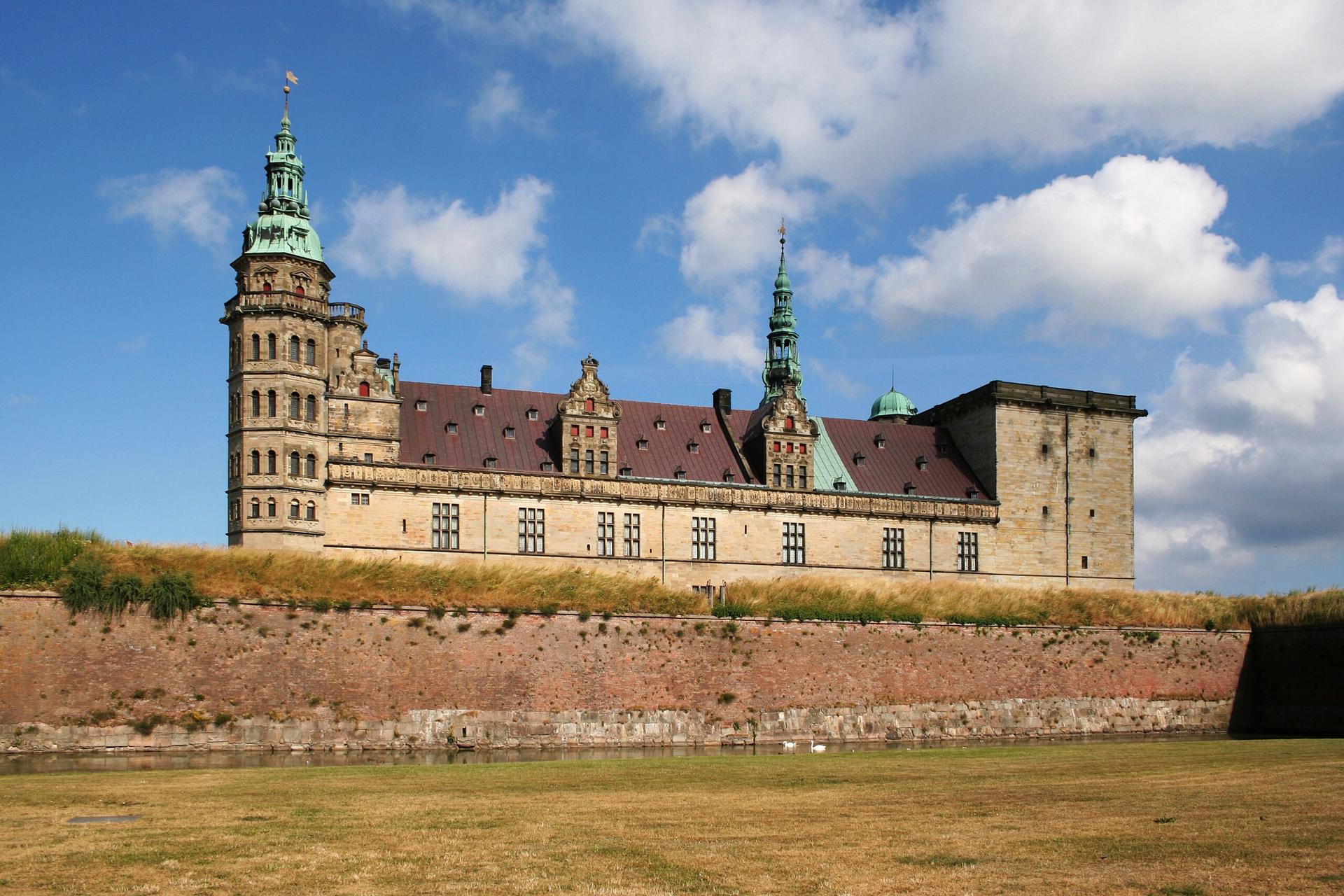
Looking beyond Søborg Slotsruin? Discover North Zealand for broader travel guides, local hot-spots, and regional highlights.
Explore North Zealand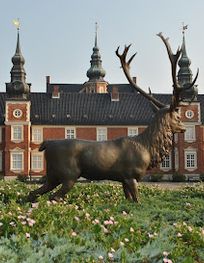
Royal hunting lodge turned democratic-era residence, Jægerspris Castle weaves Frederik VII, Countess Danner, sculpture-filled parkland and deep forests into one evocative estate.

Denmark's royal wilderness: ancient forests, vast lakes, UNESCO hunts, and castle ruins await in North Zealand's second-largest national park.
