Esbjerg Byhistoriske Arkiv, Esbjerg Travel Guide
Free Guide: A quiet but vital city archive where Esbjerg’s transformation from windswept harbour town to modern North Sea hub is preserved in maps, photos and personal stories.


A brief summary of Esbjerg Byhistoriske Arkiv
A quiet but vital city archive where Esbjerg’s transformation from windswept harbour town to modern North Sea hub is preserved in maps, photos and personal stories.
Tucked into a historic building on Torvegade in central Esbjerg, Esbjerg Byhistoriske Arkiv is the city’s memory bank: a local history archive where photographs, maps, personal papers and municipal records trace the transformation from small railway and ferry town to major North Sea port. Part reading room, part quiet museum, it invites anyone with a curiosity for Esbjerg’s past—whether researching family roots, maritime stories or everyday city life—to dig into well-organised collections with expert staff on hand.
On-site amenities
 Restrooms
 Seating areas
 Information boards
Opening hours
- Mon10 am–4 pm
- Tue10 am–4 pm
- Wed10 am–4 pm
- Thu10 am–5 pm
- Fri10 am–1:30 pm
- SatClosed
- SunClosed
Opening hours as listed on the venue’s Google Business Profile. Hours can change for services and special events, so check with the venue before you go.
- Address
- Torvegade 47, 6700 Esbjerg
- Phone
- Website
Getting there
Local bus
On foot within central Esbjerg
Bicycle in the city
Taxi from Esbjerg Railway Station
Discover more about Esbjerg Byhistoriske Arkiv
The city’s memory on Torvegade
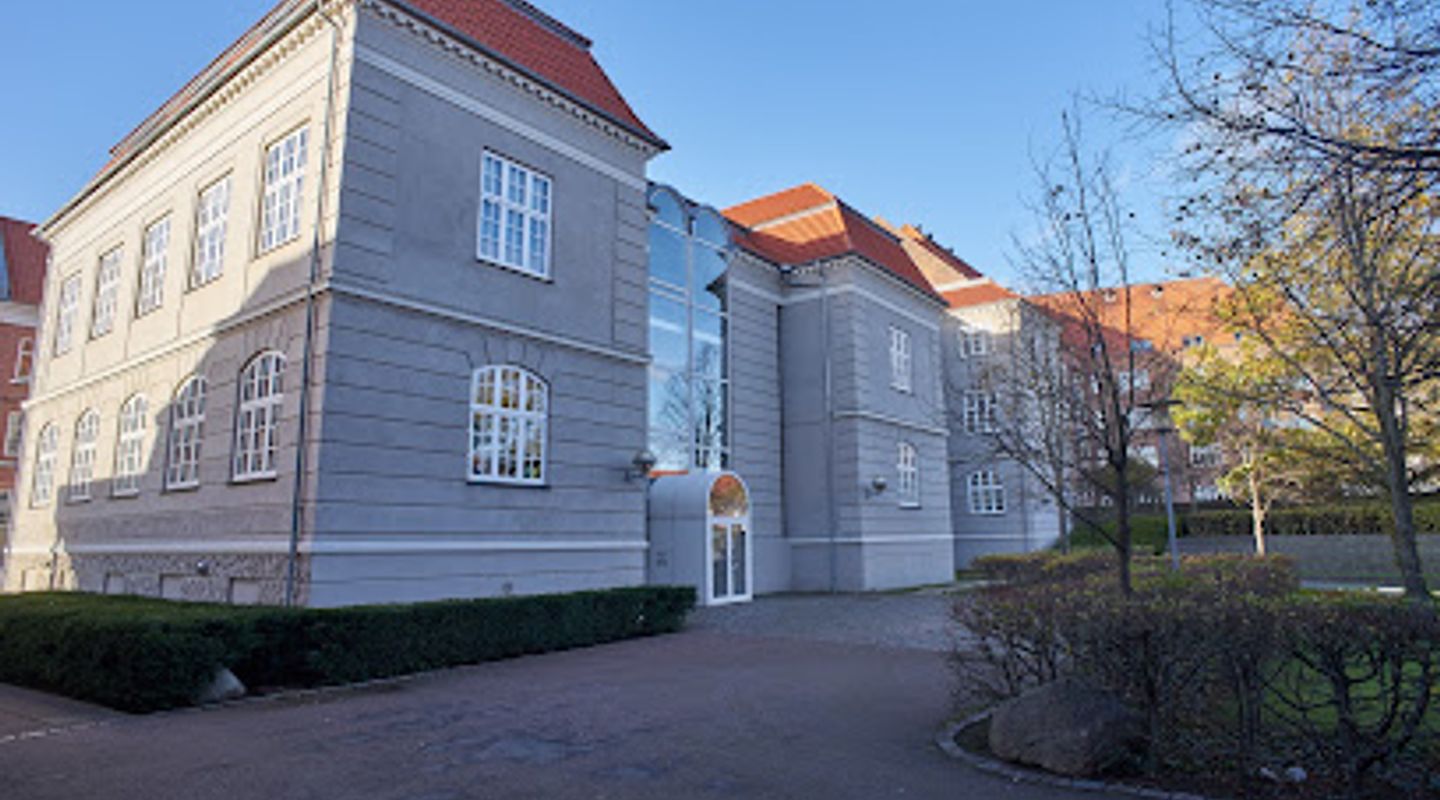
Esbjerg Byhistoriske Arkiv sits just off the main pedestrian streets in a solid, red-brick building that feels purpose-built for keeping stories safe. Inside, the pace of the modern harbour town suddenly slows. Shelves, boxes and filing cabinets line back rooms, while the public spaces are bright and orderly, with large tables laid out for quiet study.The archive’s mission is simple but expansive: to collect, preserve and share everything that tells the story of Esbjerg and its surroundings. From early urban plans to school photographs and business records, it forms a bridge between the fishing village roots along the Wadden Sea and the energy-driven city you encounter outside the door.
Documents that chart a young port city
Unlike many Danish towns with medieval cores, Esbjerg is a relatively young city, born in the late 19th century around its harbour and railway. That youth makes the archive’s holdings especially vivid. Here you find original maps showing how streets were laid out across windswept fields, building permits for early merchant houses and images of the harbour growing year by year.Researchers trace shipping companies, dockworkers and fish auctions; others dive into material on the German occupation, resistance activities and post-war reconstruction. Carefully catalogued municipal minutes and technical drawings reveal how planners imagined the port’s future, while small details—a note in the margin, a smudged stamp—remind you that these decisions were once fresh and uncertain.
Everyday lives in fading photographs
Beyond official papers, the archive is rich in personal stories. Private photo albums, donated over decades, show children playing in newly built housing blocks, Sunday outings to the beach and winter storms rolling in from the North Sea. Portraits from studios that once lined the town centre capture generations of Esbjerg residents marking confirmations, weddings and anniversaries.Often, visitors arrive with a single question—about a grandparent’s address, an old factory or a vanished corner shop—and end up paging through entire series of images and address books. The collections offer a granular view of how streets, schools, sport clubs and associations grew, changed name or disappeared altogether, turning the archive into a practical tool for those reconstructing family histories.
A working room for historians and locals
The public reading room is the heart of the visitor experience. Large desks, good light and an atmosphere closer to a small research library than a classic museum make it easy to focus. Staff members help interpret old handwriting, locate parish records or identify which boxes might hold the right building file. Digital catalogues open up parts of the collection on screen, while fragile originals are brought out under guidance.While some visitors arrive with academic projects, others simply want to verify a house date or understand a street name. The archive functions as a civic service as much as a cultural attraction, answering practical questions about property history, local associations and commemorations across the cityscape.
Preserving Esbjerg’s story for the future
Behind the scenes, climate-controlled rooms, acid-free boxes and careful digitisation ensure that Esbjerg’s paper trail will survive for future generations. New material continually arrives from private donors, local institutions and businesses as companies close, families clear attics or community groups mark anniversaries.The archive also participates in city walks, talks and thematic displays that bring specific chapters of Esbjerg’s past into focus—from the formative harbour years to offshore energy, from urban expansion to cultural life. In this way, Esbjerg Byhistoriske Arkiv is not only a storehouse of documents but an active partner in telling and retelling how a North Sea town became a regional hub.
Evendo Review Centre
 Google
Guest reviews
Best time to go
Quietest: Jan, Feb & Mar · before 8am or at 6pm or at 7pm
Busy times are Evendo estimates for a typical year, to help you plan. Actual crowds vary with events, school holidays and the weather.
Explore Esbjerg Byhistoriske Arkiv on the map
A handpicked selection of must-see spots near Esbjerg Byhistoriske Arkiv, mapped for you.
Get your free copy of our complete guide to Esbjerg Byhistoriske Arkiv, delivered straight to you.
Everything on this page, from opening hours and how to get there to Eve’s tips and the best time to go, in one PDF you can read offline, print or share.
Already have an account? Sign in
Your Esbjerg Byhistoriske Arkiv guide is ready.
We'll send it to · Not you? Sign out

Getting your guide ready…
We are putting together a fresh copy of the Esbjerg Byhistoriske Arkiv guide. This can take up to a minute.
This can take a few moments. If your browser asks, choose Allow so the download can start. You'll find the guide in your Downloads folder.
Nothing happened? Download it again
Sorry, the guide is taking longer than usual. Please try again in a minute, or get it by email instead.
Other nearby places you may find interesting
The closest places of the same kind, if this one is not quite what you had in mind.
-
-
-
-
-


Swipe for more places
More to explore near Esbjerg Byhistoriske Arkiv
-
 Best experiences near Esbjerg Byhistoriske Arkiv
-
 Best hotels near Esbjerg Byhistoriske Arkiv
-
 Best landmarks near Esbjerg Byhistoriske Arkiv
-
 Best attractions near Esbjerg Byhistoriske Arkiv
-
 Best shops near Esbjerg Byhistoriske Arkiv
-
 Best restaurants near Esbjerg Byhistoriske Arkiv
-
 Best bars near Esbjerg Byhistoriske Arkiv


Do you manage this location?
Take control to get all the benefits, like improved information, better appearance, and stronger visibility across AI-powered discovery.
Explore more

Explore more of Esbjerg
Discover Esbjerg: A coastal city in Denmark known for its maritime heritage, stunning sculptures, and vibrant downtown, offering something for every traveler.
Explore Esbjerg
Explore more of Denmark
Discover Denmark: A perfect blend of history, modern design, and the cozy concept of hygge. Explore vibrant cities, serene landscapes, and world-class cuisine.
Explore Denmark