
Fiskeri- og Søfartsmuseet – Fisheries and Maritime Museum, Esbjerg
Denmark’s museum of the sea, where Esbjerg’s fishing past, offshore present and North Sea wildlife come together in one immersive waterfront complex.
Set on Esbjerg’s windswept waterfront, Fiskeri- og Søfartsmuseet is Denmark’s museum of the sea, weaving together fishing history, offshore energy, and marine life. Opened in 1968, it combines classic gallery spaces with a saltwater aquarium, an outdoor sealarium, and open-air exhibits of boats, fishermen’s huts, and a WWII bunker. Families linger over touch pools and playgrounds, while maritime buffs dive into stories of the North Sea, from sail-powered trawlers to modern offshore wind farms.
A brief summary to Fiskeri- og Søfartsmuseet
- Tarphagevej 2, Esbjerg V, Esbjerg V, 6710, DK
- +4576122000
- Visit website
- Duration: 2.5 to 5 hours
- Mid ranged
-
 Mixed
Mixed
- Mobile reception: 5 out of 5
- Monday 10 am-5 pm
- Tuesday 10 am-5 pm
- Wednesday 10 am-5 pm
- Thursday 10 am-5 pm
- Friday 10 am-5 pm
- Saturday 10 am-5 pm
- Sunday 10 am-5 pm
Local tips
- Time your visit to coincide with the daily seal feedings; they are both engaging and a good framework around which to structure the rest of your museum visit.
- Allow at least three hours so you can explore the indoor exhibitions, visit the aquariums, walk through the outdoor Friland area and spend time at the playground if you are with children.
- Dress in layers and bring a windproof jacket, as the outdoor harbour exhibits and sealarium are exposed to the often breezy North Sea weather.
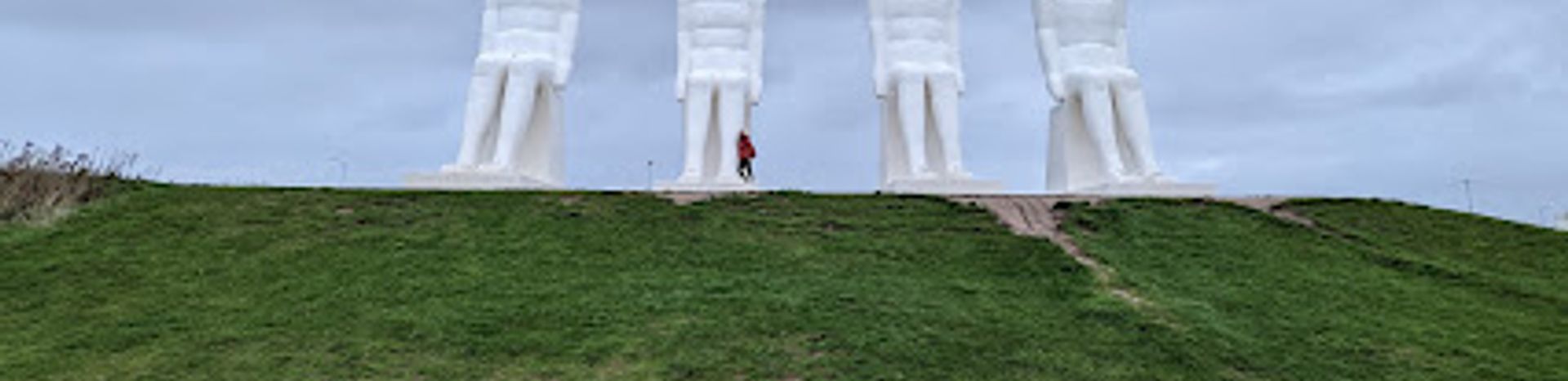
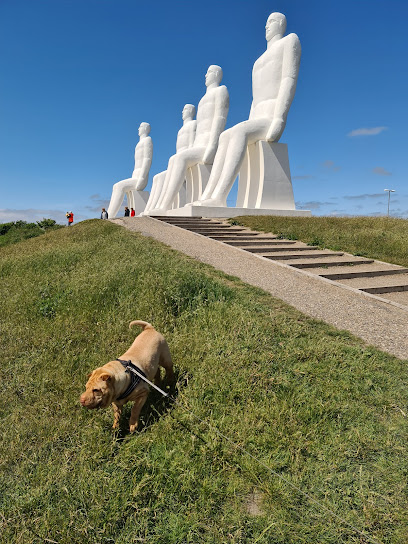
- If you are interested in photography, plan a circuit that includes the nearby Mennesket ved Havet sculptures for striking views of both art and coastline.

For the on-the-go comforts that matter to you
- Restrooms
- Drink Options
- Drinking Water
- Food Options
- Seating Areas
- Sheltered Areas
- Picnic Areas
- Trash Bins
- Information Boards
- Visitor Center
Getting There
-
City bus from Esbjerg centrum
From central Esbjerg, use the local city bus line serving the harbour and Sædding area; services typically run every 20–30 minutes during the day and take about 10–20 minutes to reach the stop near the museum. A single adult ticket within Esbjerg costs roughly 20–30 DKK and can usually be purchased via ticket machines or mobile app. Buses are low‑floor, but at busy times they can be crowded and wheelchair spaces limited.
-
Taxi from Esbjerg station
From Esbjerg railway station, a taxi ride to Fiskeri- og Søfartsmuseet normally takes around 8–15 minutes, depending on traffic. Fares are generally in the range of 120–180 DKK for the car, with surcharges in the evening or on holidays. Taxis set you down close to the main entrance, making this the most convenient option if you are travelling with young children, have limited mobility or are short on time.
-
Cycling from Esbjerg city centre
Esbjerg is well suited to cycling, and the route from the city centre to the museum typically takes 15–25 minutes at a relaxed pace. The terrain is mostly flat with some gentle inclines and a mix of separated cycle lanes and quieter streets, though strong winds from the sea can make the ride more demanding. You can rent a bike in town; expect to pay roughly 75–150 DKK for a day’s rental, with helmets and locks usually available.
-
Walking from nearby coastal viewpoints
If you are already exploring the coastal area around the large white Mennesket ved Havet sculptures, you can reach the museum on foot in roughly 10–25 minutes, depending on your exact starting point. Paths are generally level but can be exposed to wind and occasional puddles after rain. This is a pleasant option in dry weather, though it may be less comfortable for visitors who find longer walks challenging or in very strong winds.
Fiskeri- og Søfartsmuseet location weather suitability
-
 Any Weather
-
 Rain / Wet Weather
-
 Clear Skies
-
 Windy Conditions
-
 Mild Temperatures
Discover more about Fiskeri- og Søfartsmuseet
Where Esbjerg Meets the Open Sea
Perched near the North Sea and the Wadden Sea coast, Fiskeri- og Søfartsmuseet anchors Esbjerg’s identity as Denmark’s great western port. The complex spreads out in low, rounded buildings and open yards, with sea air and gull calls never far away. Step inside and the roar of traffic fades, replaced by the muffled slosh of aquariums and the creak of wooden hulls, as the museum lays out how an exposed stretch of coast became a hub for fishing, shipping and offshore industry. Founded in 1968, the museum was created to safeguard the working life that flourished on Denmark’s western waters. Over time its scope has grown from fishing gear and ship models to a full portrait of life in, on and under the sea, from hardy crews and harbour trades to the animals and ecosystems that share the same waters.From Fishing Fleet to Offshore Frontline
One wing traces the rise of Esbjerg from a newly built harbour in the late 19th century to a powerhouse of deep‑sea fishing. Archive photos, logbooks and reconstructed workshops show the shift from open boats to steel trawlers, and from hand‑repaired nets to industrial-scale processing. Tools, navigation instruments and rescue equipment reveal how dangerous and physically demanding this work could be. Another major exhibition turns to “energy from the sea”, charting how the decline of traditional fishing opened space for oil, gas and later offshore wind. Immersive displays take you from seabed geology to towering turbines, with models and multimedia that put you on a platform deck or in a helicopter cockpit above a wind farm. Together, the galleries show how Esbjerg’s livelihood has repeatedly been reinvented while remaining tied to the water.Sealarium, Aquariums and Life Beneath the Waves
The museum’s living collections make the North Sea feel immediate. Outdoors, the sealarium holds both harbour and grey seals, Denmark’s largest predator. Daily feeding sessions highlight their agility and power, but also their vulnerability to pollution and overfishing. Around the pool you can learn how seal populations have recovered in the Wadden Sea. Inside, the saltwater aquariums follow a journey from shallow coastal shallows to the darker depths offshore. Tanks teem with cod, flatfish, crabs, anemones and shoals of smaller species that reveal how rich – and fragile – these waters are. A dedicated touch pool lets you gently feel certain fish and invertebrates under staff supervision, a hands‑on way to grasp textures, armour and camouflage strategies that text panels alone cannot convey.Open-Air Harbours, Huts and a Wartime Bunker
Step back outside and you enter Friland, a series of open-air maritime environments. Historic fishing boats rest on cradles or float in small basins, their weathered timbers and rigging speaking of long seasons at sea. Nearby, simple wooden huts, sheds and a reconstructed shipyard with an active blacksmith’s shop evoke the bustle of a working harbour, complete with tools, winches and net-mending spaces. Tucked among these is a concrete bunker from the Second World War, a reminder that this strategic coastline was once heavily fortified. Walking through its narrow interior connects the peaceful maritime scenery with a more anxious chapter, when the sea was as much a barrier and battleground as a highway for trade.Architecture, Play and Practical Details
The original museum building was designed by architects Halldor Gunnløgsson and Jørn Nielsen, and its soft curves, low profile and generous glazing still shape the site’s atmosphere. Later additions respect the rounded corners and functional modernist feel, creating a cohesive campus of galleries, aquariums and service spaces that sit comfortably in the windswept landscape. Families will find plenty of space to roam, from outdoor play areas to lawns and benches where you can watch weather rolling in from the sea. Exhibitions are largely indoors and open year‑round, making the museum a reliable choice in both bright summer light and blustery off‑season weather. Plan at least half a day if you want to see the seals fed, explore the open-air harbour scenes and linger over the stories of how Denmark’s fortunes have long risen and fallen with the waves.Iconic landmarks you can’t miss

Begravet bunker
2.6 km
A preserved German WWII bunker revealing the hidden lives of occupation soldiers beneath Danish soil.
Denmark
3.5 km
Marselisborg Strand is Aarhus’s urban beach escape, offering sandy shores, a classic pier, family-friendly facilities, and beautiful views right at the city’s edge.
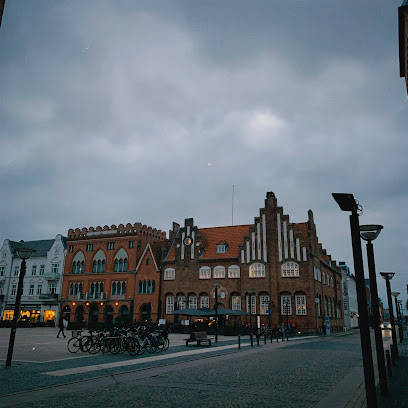
Vadehavskysten
3.5 km
An iconic copper bridge tower turned cultural gem, offering harbor panoramas, intimate events, and a taste of Copenhagen’s creative spirit on Knippelsbro.
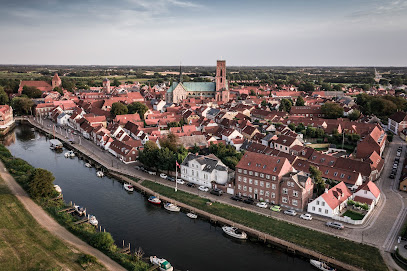
Dronning Louise
3.6 km
Urban beachfront serenity meets Danish royal heritage at Marselisborg Strand, Aarhus’ favorite local escape for swimming, sunbathing, and seaside strolls year-round.
FanøFærgen, Esbjerg
3.7 km
Compact harbor terminal in Esbjerg serving the fast 12‑minute Fanø ferry, linking mainland bustle with island calm in the Wadden Sea UNESCO landscape.
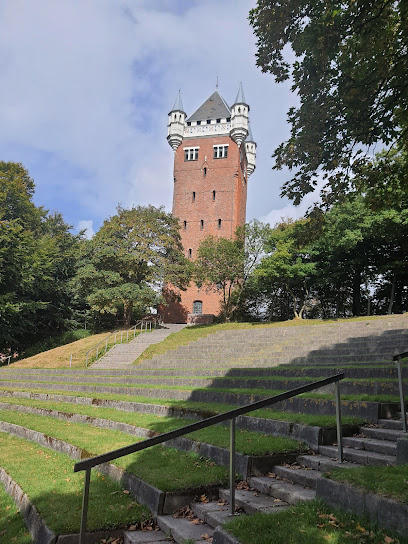
Esbjerg Water Tower
3.7 km
Historic red-brick water tower on a Bronze Age mound overlooking Esbjerg’s harbour, blending medieval-inspired architecture with the story of a young, ambitious port city.
Namaste Esbjerg
3.7 km
Marselisborg Strand is Aarhus’ vibrant urban beach, blending sandy coastline, tranquil bay views, and easy access to city highlights and lush forest parks.
Fanø Tourist Office
4.5 km
Centrally located on Fanø, the Tourist Office is the ideal starting point for discovering authentic island charm, local culture, and practical travel advice.
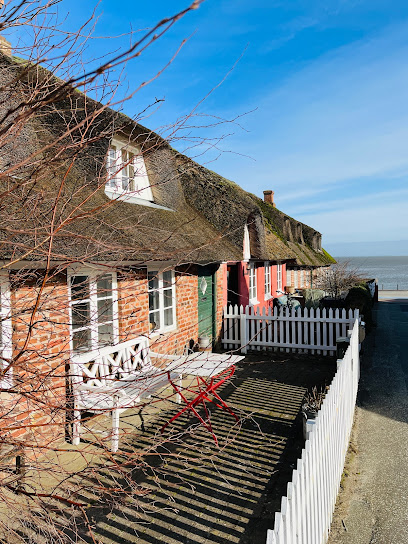
Fanø Krogaard
4.6 km
Experience the timeless charm of Fanø Krogaard, a historic inn blending Nordic cuisine, island tradition, and warm hospitality in the heart of Nordby harbour.
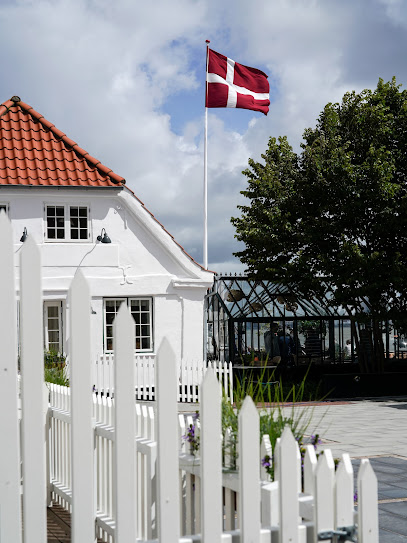
Fano Bed and Boats
4.8 km
Charming seaside bed & breakfast and boat rental in Nordby, Fanø—offering cozy rooms and authentic maritime experiences on Denmark’s storied North Sea island.
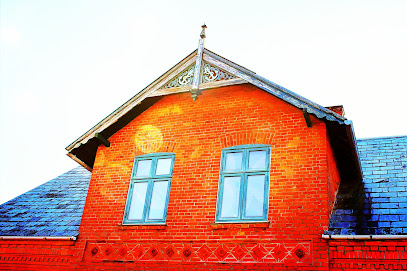
Hjerting Badehotel
5.2 km
Picturesque sandy beach blending serene sea views, lush forests, and family-friendly facilities just minutes from Aarhus city center.
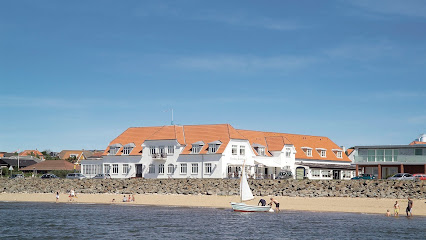
Sønderho Church
15.9 km
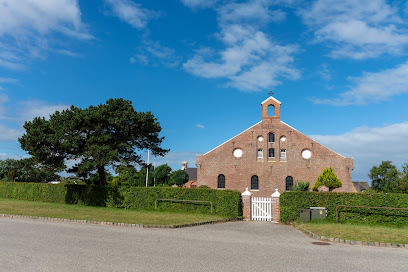
An 18th‑century island church filled with Denmark’s largest flotilla of votive ships, anchoring Sønderho’s seafaring history in a tranquil Wadden Sea village.
Æ Kåver
16.3 km
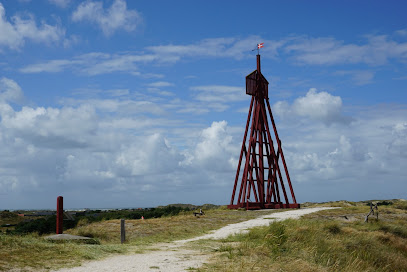
Reborn wooden seamark on Fanø’s southern edge, Æ Kåver recalls 17th‑century seafaring in a wild Wadden Sea landscape of wind, sand and wide horizons.
Kammerslusen Ribe
23.7 km
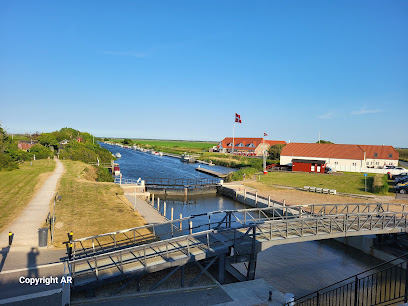
Discover Copenhagen's Black Diamond: A fusion of modern architecture and cultural heritage on the waterfront.
Queen Dagmar of Bohemia
28.0 km
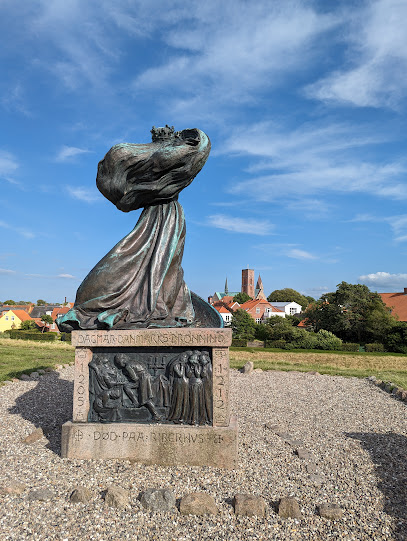
A contemplative statue on Ribe’s former castle hill, honouring the gentle 13th‑century Queen Dagmar where her life and legend became entwined with Denmark’s history.
Unmissable attractions to see

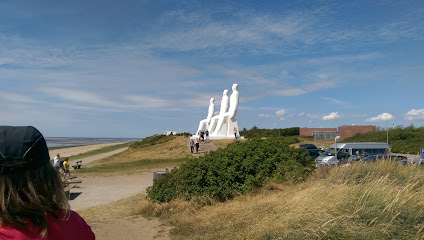
Men by the Sea
0.2 km
Four towering white figures gazing over the North Sea, Men by the Sea is Esbjerg’s unmissable coastal icon of humanity’s calm encounter with nature.
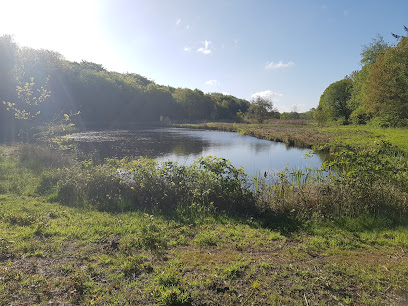
Brillesøerne
0.2 km
A pair of calm urban lakes in Esbjerg V, Brillesøerne offers easy paths, birdlife and open green space for tranquil walks and everyday nature escapes.
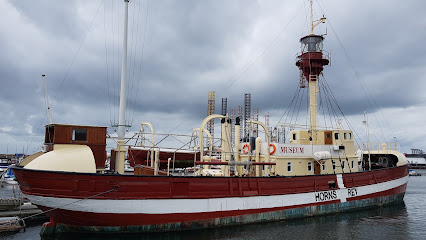
Museumsfyrskibet Horns Rev
0.7 km
Historic lightship turned museum at Esbjerg’s harbourfront, preserving the story of Horns Rev and life aboard a floating lighthouse on Denmark’s west coast.
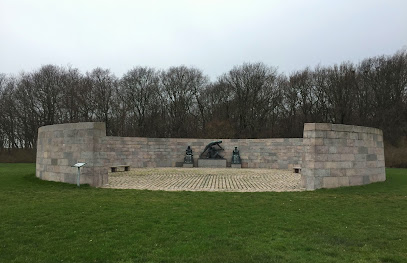
Fishermen memorial
0.9 km
A quiet granite grove on Esbjerg’s windy coast, honoring generations of local fishermen who never returned from the sea.
Sædding Mellem Fyr
1.1 km
A modest but historic leading light on Sædding’s shoreline, quietly recalling Esbjerg’s maritime navigation heritage beside the sands of the North Sea.
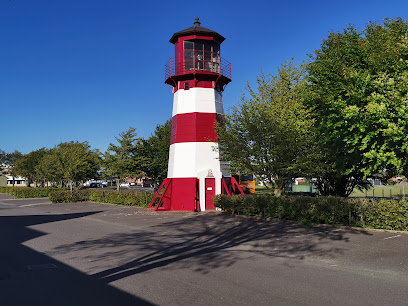
Esbjerg Havn
1.6 km
A vast working harbour and marina where offshore wind giants, fishing boats and yachts share the docks on Denmark’s windswept North Sea coast.
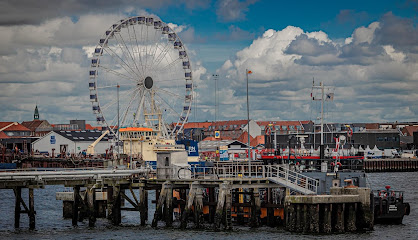
Dyrehaven
1.9 km
A tranquil deer-filled woodland in Esbjerg’s Nørreskoven, where city life fades into rustling leaves, soft hooves and unhurried forest walks among graceful herds.
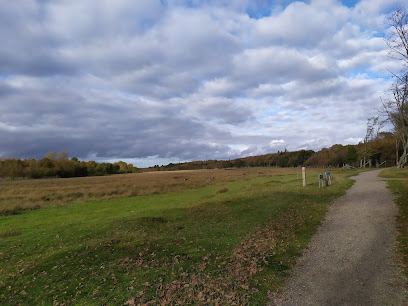
Vognsbølparken
2.0 km
Esbjerg’s big back garden: 178 hectares of woodland, lakes, lawns and play areas offering easy everyday nature, peaceful walks and relaxed family time.
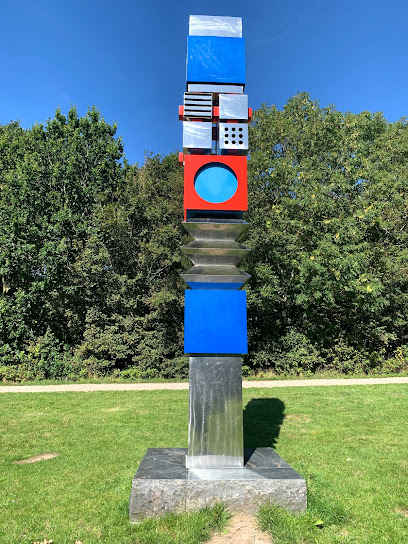
Skulptur “Frihedskæmpere”
2.1 km
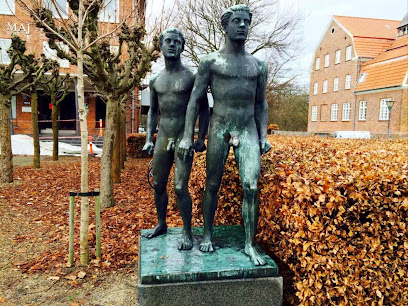
Step into Esbjerg’s past at this hands-on city museum, featuring a recreated historic street, archaeological treasures, and stories of seafaring ambition.
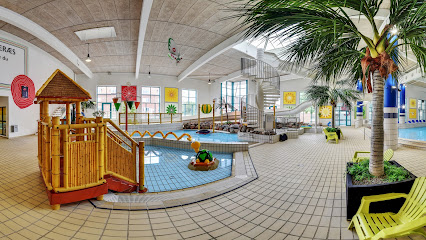
Swimming Stadium Denmark
2.1 km
Denmark’s largest indoor swim and water park: 10,000 m² of slides, waves, competition lanes and wellness under one roof in Esbjerg’s sports district.
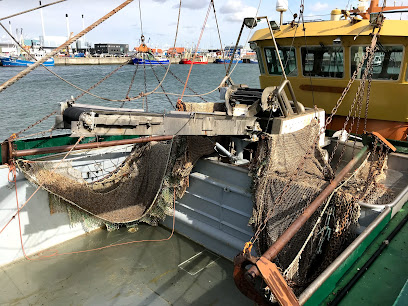
Fish Auction for tourists
2.2 km
Bid on fresh catches at Denmark's largest fishing harbour in this authentic, working auction.
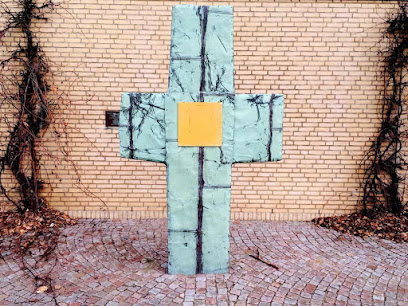
Skulptur “Kobberkors”
2.4 km
Explore Esbjerg Museum and discover the fascinating tale of Denmark’s west coast, from bustling port origins to maritime heritage and daily life exhibits.
Nördlich Odden (Let flakbatteri)
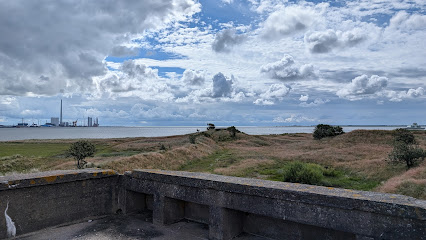
3.1 km
Evocative WWII bunkers and flak remains hidden in Fanø’s dunes, where Atlantic Wall history meets the wide skies and shifting sands of the Wadden Sea.
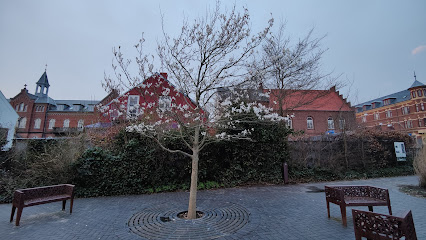
Brunnen Park
3.3 km
A small fountain-side green space on Kirkegade, offering a quiet pause of trees, lawns and benches in the very heart of Esbjerg’s urban grid.
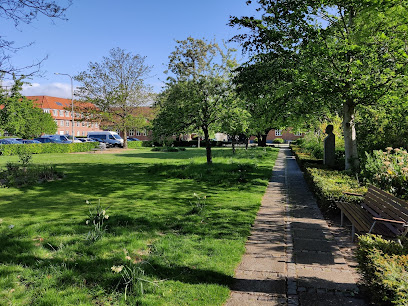
Borgmesterhaven
3.3 km
A small, low-key neighborhood park in central Esbjerg, offering simple greenery, benches and a brief escape from the surrounding streets and apartment blocks.
Essential places to dine

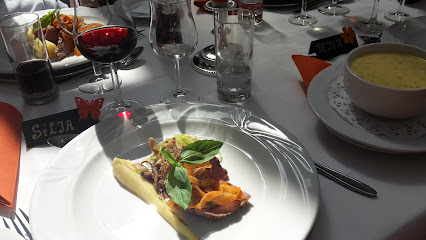
Den Røde Okse
0.3 km
Long‑running Esbjerg restaurant and catering house serving classic Danish menus, festive banquets and sustainable “mad ud af huset” in warm, roomy surroundings.
Catering i Esbjerg
0.4 km
Experience authentic Danish cuisine in the heart of Esbjerg at Spisestuen.
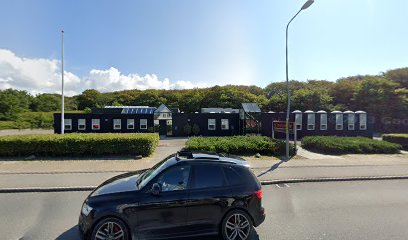
Restaurant Parken I/S
1.9 km
Classic Danish cooking with park and lakeside views, combining bright modern interiors and a terrace that opens directly onto Esbjerg’s green Vognsbølparken.
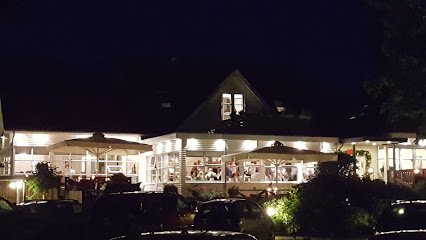
Sydvesten ApS
1.9 km
Harbour-side Danish seafood canteen turned local classic, serving hearty fish dishes and open sandwiches beside Esbjerg’s working fishing quay and marina.
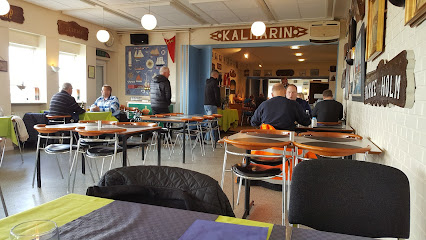
Restaurant Plates Esbjerg
1.9 km
Sky-high Nordic dining and cocktails on Esbjerg’s 17th floor, where harbour panoramas meet shareable plates, seasonal flavours and an easygoing, modern buzz.
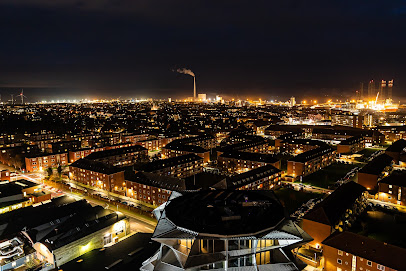
ECH Restaurant
2.4 km
Relaxed buffet-style dining inside the ECH Park complex, serving hearty grill dishes and Scandinavian breakfasts on Esbjerg’s leafy Stormgade.
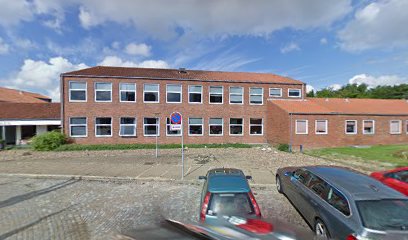
Kanda's Thai Cuisine
2.7 km
Compact, award‑winning Thai takeaway on Strandbygade, serving wok‑fresh curries and noodles that bring Southeast Asian warmth to the heart of Esbjerg.
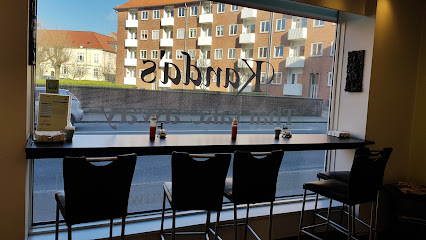
Asia Restaurant Esbjerg
2.7 km
Lively all-you-can-eat Asian buffet in Esbjerg’s northern outskirts, mixing Chinese favourites, sushi and Mongolian grill in a casual, group-friendly setting.
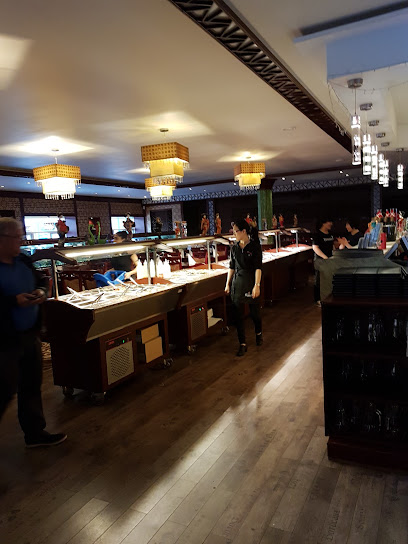
Café Danmark
2.8 km
Old-school Danish lunch café in central Esbjerg, serving generous smørrebrød and stjerneskud in a warm, nostalgic dining room with relaxed midday atmosphere.
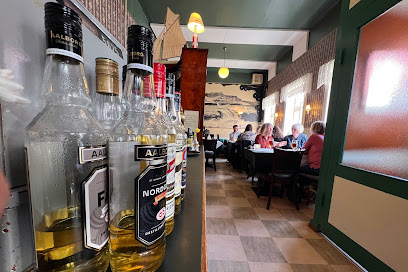
Spyddet Le Grill
2.8 km
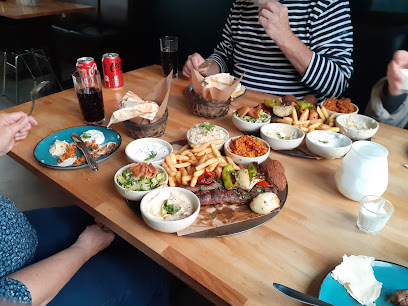
Casual Middle Eastern grill in central Esbjerg, serving juicy skewers, build‑your‑own plates and hearty comfort dishes in a relaxed, family‑friendly setting.
O-Shi Sushi
3.2 km
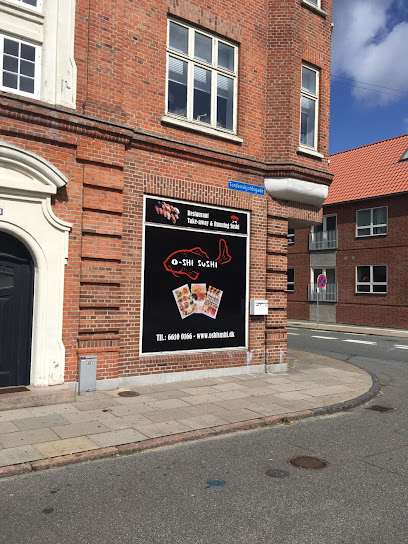
Compact, modern sushi spot in central Esbjerg serving fresh rolls and warm Japanese-inspired dishes for both casual dine-in and convenient takeaway.
Rådhuskroen
3.3 km
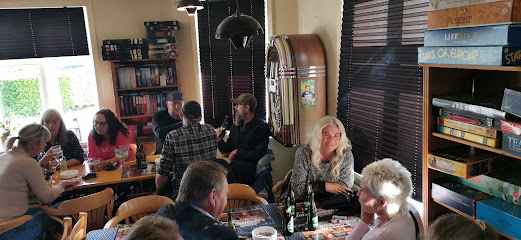
Traditional Danish kro-meets-pub in central Esbjerg, serving hearty plates and cold beer in a warm, wood-paneled setting filled with everyday local hygge.
Sand's Restauration ApS
3.3 km
Century-old Esbjerg institution serving hearty Danish classics, local seafood and regional specialties in a cosy, wood-accented setting on lively Skolegade.

Restaurant Lyokoi - Japansk Sushi
3.4 km
Compact, lively Esbjerg hotspot where colorful sushi platters meet sizzling Korean barbecue grills in a relaxed, social Skolegade setting.
La Scala Ristorante Pizzeria
3.4 km
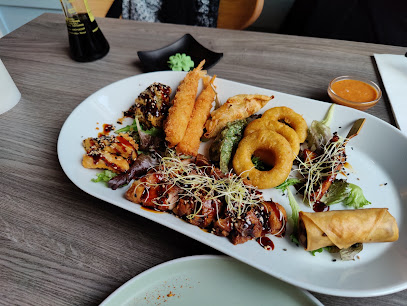
Long-running Italian pizzeria in central Esbjerg, serving stone-baked pizzas, hearty pastas and relaxed, cosy dinners from Tuesday to Sunday evenings.
Markets, malls and hidden boutiques

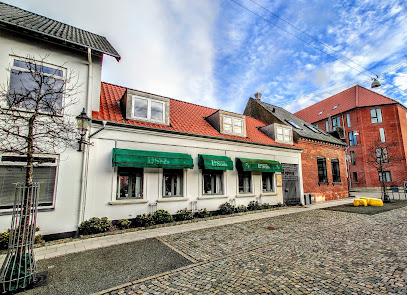
dansk Esbjerg
1.5 km
Curated Danish fashion and Nordic design in the heart of Esbjerg.
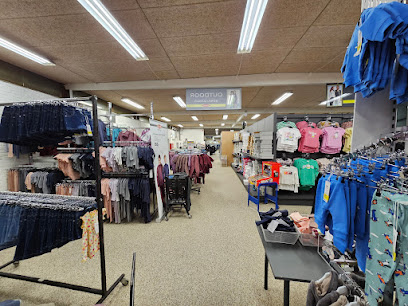
Gaveshop.nu
1.7 km
Curated corporate gifts delivered with elegance—where business appreciation meets thoughtful selection.

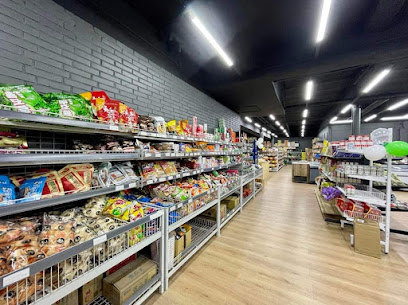
Esbjerg Asian Shop
2.6 km
Compact Asian grocery on Strandbygade, stocking noodles, spices, sauces and snacks that bring East and Southeast Asian flavours to everyday life in Esbjerg.
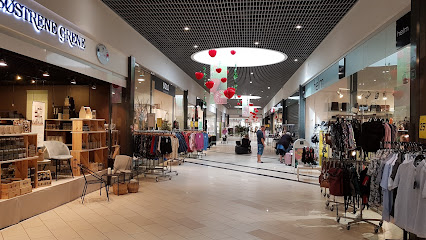
Esbjerg Storcenter
3.1 km
Spacious indoor shopping hub in northern Esbjerg, combining supermarkets, fashion, toys and cafés with plentiful free parking and easy, all-weather browsing.
KiDS Coolshop Esbjerg
3.2 km
A bright, family‑friendly toy universe inside Esbjerg Storcenter, packed with playful ideas, gifts and gadgets for children of all ages all year round.
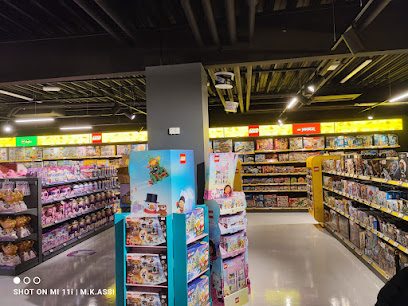
LE Kirk
3.2 km
Curated women's fashion in Esbjerg's vibrant city center with personalized service and contemporary style.
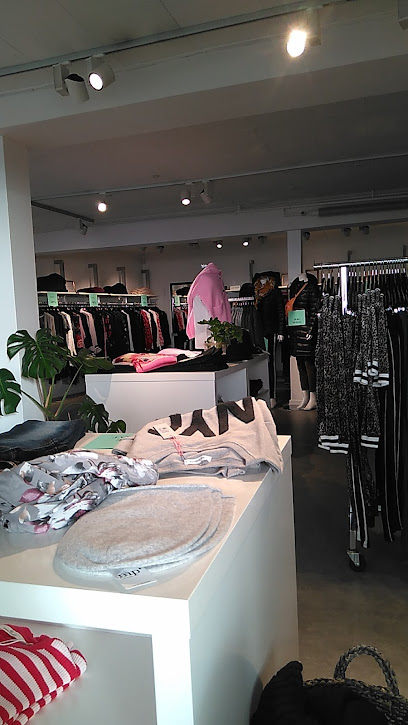
SLIK FOR VOKSNE
3.2 km
Playful by name and refined in taste, SLIK FOR VOKSNE is Esbjerg’s grown‑up candy store for wine, spirits, chocolate and beautifully wrapped gourmet gifts.
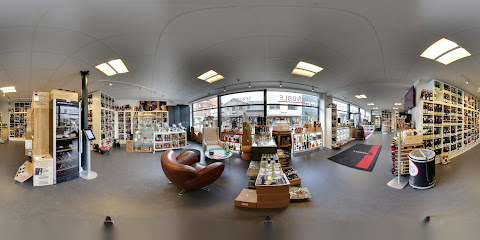
Boutique Elenor
3.3 km
A small, stylish clothing boutique on Kronprinsensgade, offering a curated alternative to big-brand shopping in the heart of Esbjerg’s lively city center.
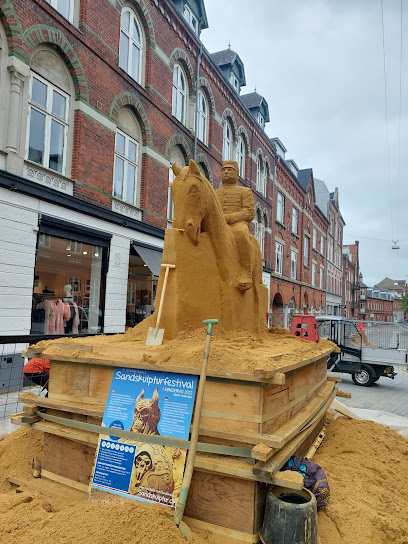
Kongehuset
3.3 km
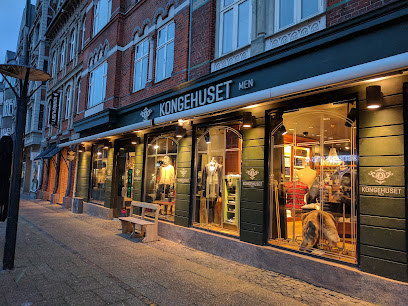
Curated fashion and quality outerwear in a handsome historic corner store on Esbjerg’s main pedestrian street, blending Scandinavian style with international brands.
Coast Women
3.3 km
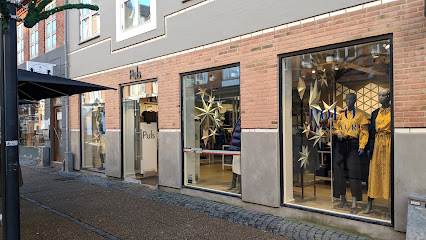
A polished multibrand women’s fashion boutique on Esbjerg’s main shopping street, blending Nordic ease, international labels and attentive personal service.
Collabo
3.3 km
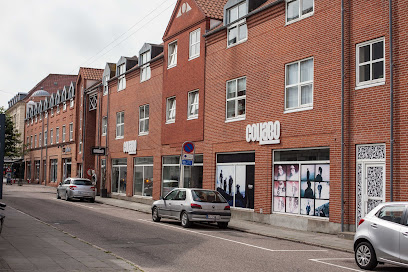
Core skateshop and streetwear hub in central Esbjerg, blending Scandinavian simplicity with global board culture, sneakers and subculturally inspired apparel.
KORN180
3.3 km
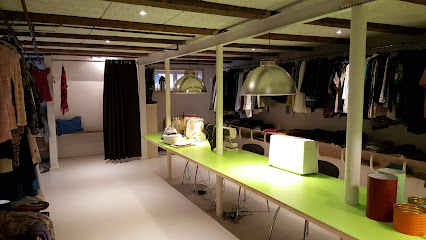
A hidden courtyard workshop in Esbjerg where reuse, upcycling and social enterprise turn ordinary cast-offs into inventive, one-of-a-kind designs.
Greenfriends
3.3 km
Esbjerg's dedicated cannabis retail shop with convenient city-center location and flexible weekend hours.

Incado City Roholt
3.4 km
Denmark's premier creative supply destination where artists find inspiration, materials, and community.
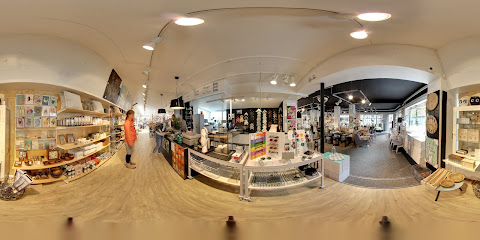
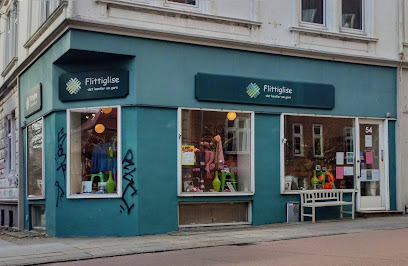
Flittiglise
3.4 km
A cozy Esbjerg yarn haven where shelves of color, quality fibers and friendly advice invite you to slow down, browse and bring a bit of Danish craft home.
Essential bars & hidden hideouts

Pub Bibas i Esbjerg
1.0 km
A classic brown Danish bodega in Esbjerg’s Sædding centre, serving cold beer, local stories and unpretentious bar life from late morning until late evening.
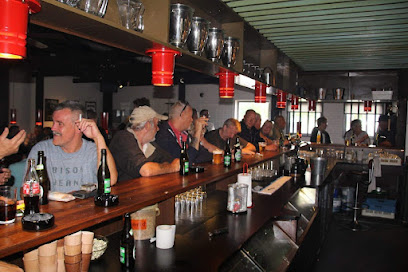
Riverside Pub
2.0 km
Relaxed neighborhood pub in Ådalsparken, serving cold beer and cozy Danish hygge in a low-key, local setting west of central Esbjerg.
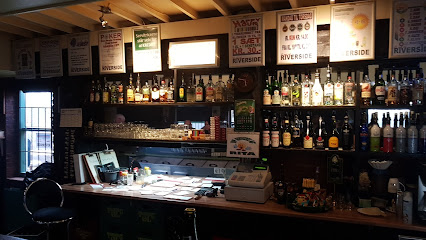
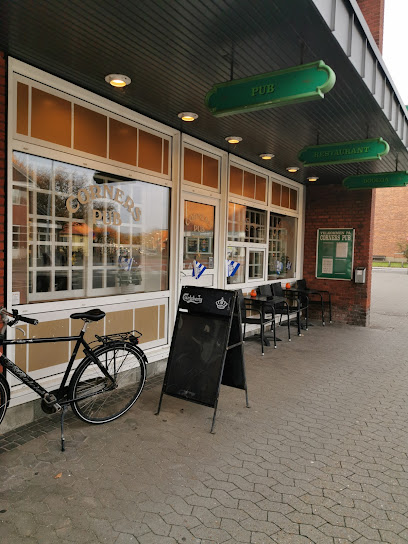
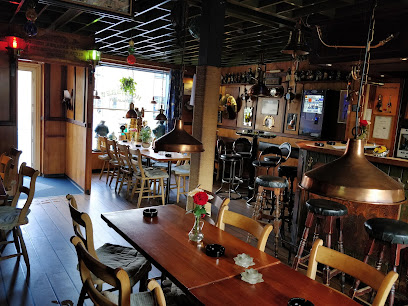
Corners Pub
2.2 km
A cozy neighborhood pub where cold beers and warm hospitality define the Danish experience.
Horns Rev Bodega & Bar
2.4 km
A no-frills Danish bodega in central Esbjerg, where wood-panelled warmth, affordable drinks, and local camaraderie capture the city’s everyday pub culture.
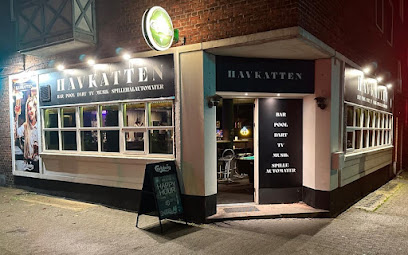
Havkatten
2.7 km
Old-school Esbjerg harbour bar with 80s tunes, pool, darts and everyday prices, offering a relaxed window into the city’s down-to-earth nightlife.
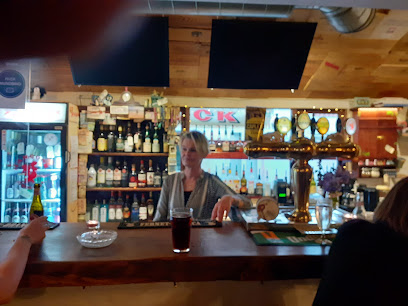
Vinbaren
3.5 km
Intimate, dimly lit and disarmingly casual, Vinbaren is Esbjerg’s brown-bar style wine hangout for late-night chats, cheap pours and the occasional close-up concert.
HomeRun Esbjerg
3.6 km
Lively gastro sports bar above Esbjerg’s main square, with wall-to-wall screens, bar games, casual bites and late-night energy on weekends.
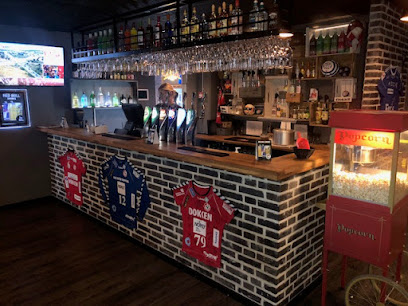
James Bond Esbjerg
3.6 km
Late-opening dance bar on Skolegade in Esbjerg, where a mature crowd sings along to classic hits and keeps the party going until early morning.
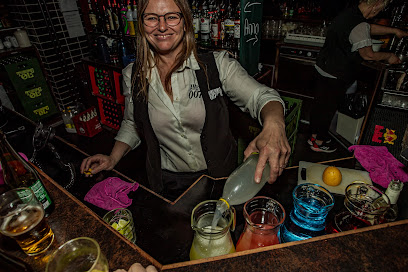
Kasket Karl
3.6 km
Legendary Esbjerg pub on Skolegade, pouring beer and hosting darts, dice and laid‑back evenings since 1975 in a warmly lit, unpretentious setting.
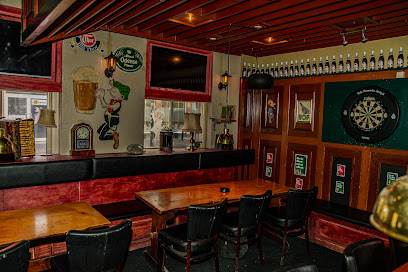
Industrien
3.7 km
Historic Danish bar where 130+ years of tradition meets contemporary hospitality on Esbjerg's vibrant Skolegade.
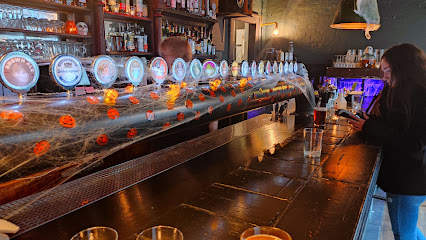
Pioner Bar Esbjerg
3.7 km
Late-night Esbjerg bar on Torvet with cheap cold beer, classic party hits from the ’80s to today, and a lively dance floor packed with locals and visitors.
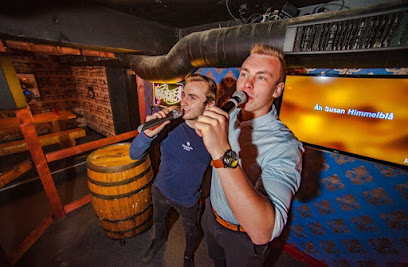
Skræddergården Esbjerg ApS
3.7 km
Adult-friendly dance bar in Esbjerg’s Skolegade nightlife strip, mixing DJ sets, live music nights and easygoing drinks in a former tailor’s house.
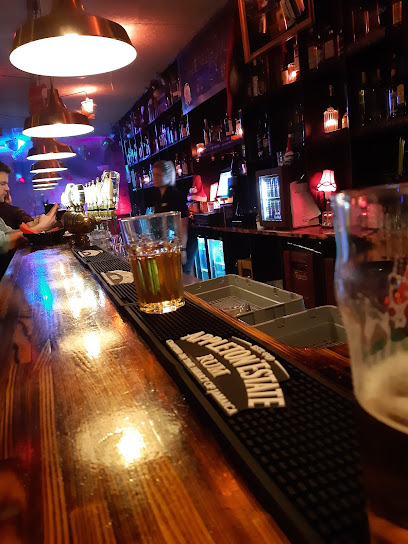
King George
3.7 km
Esbjerg's beloved beer hall where Danish tradition, lively atmosphere, and authentic hospitality converge on Skolegade.
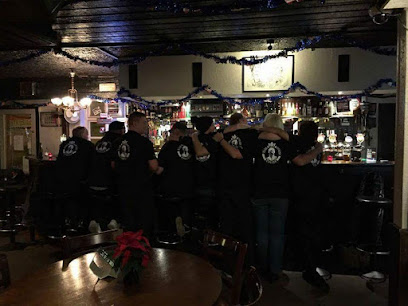
Dokken City Beach
3.7 km
A pocket of sand, deckchairs and drinks on Esbjerg Harbour, Dokken City Beach turns the working waterfront into a relaxed urban seaside escape.
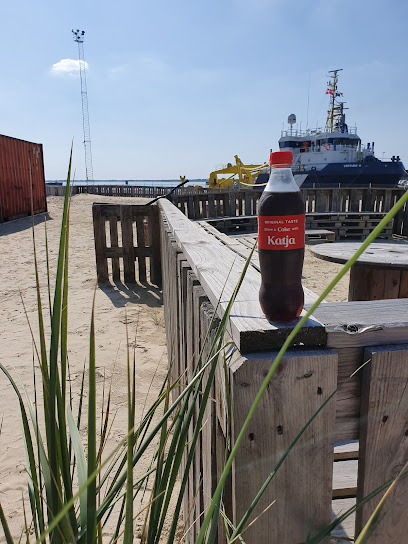
Rustik - Bar & Natklub
3.7 km
High‑energy bar and nightclub on Esbjerg’s Skolegade, mixing industrial style, cocktails and a tightly packed dance floor late into the night.

For the vibe & atmosphere seeker
- Scenic
- Fun-filled
- Unique
- Casual
For the design and aesthetic lover
- Modern Designs
For the architecture buff
- Historic
- Landmarks
- Parks & Gardens
For the view chaser and sunset hunter
- Iconic Views
- Panoramas
- Waterfront
- Sunset Spots
For the social media creator & influencer
- Instagrammable
- Photo Spots
- Selfie Spots
- Reel-Friendly
- Architectural Shots
For the eco-conscious traveler
- Eco-Friendly
- Public-Transport Accessible
- Leave-No-Trace Critical
- Locally Managed
- Wildlife Habitat
For the kind of experience you’re after
- Cultural Heritage
- Photowalk
- Adventure Photo Shoot
- Nature Escape
- Day Trip
- Roadtrip Stop
For how adventurous you want the journey to be
- Easy Access
Location Audience
- Family Friendly
- Senior Friendly
- Child Friendly
- Teen Friendly
- Solo Friendly
- Couple Friendly
- Solo Female Friendly
- Vegetarian Friendly
- Vegan Friendly
- Business Friendly


