
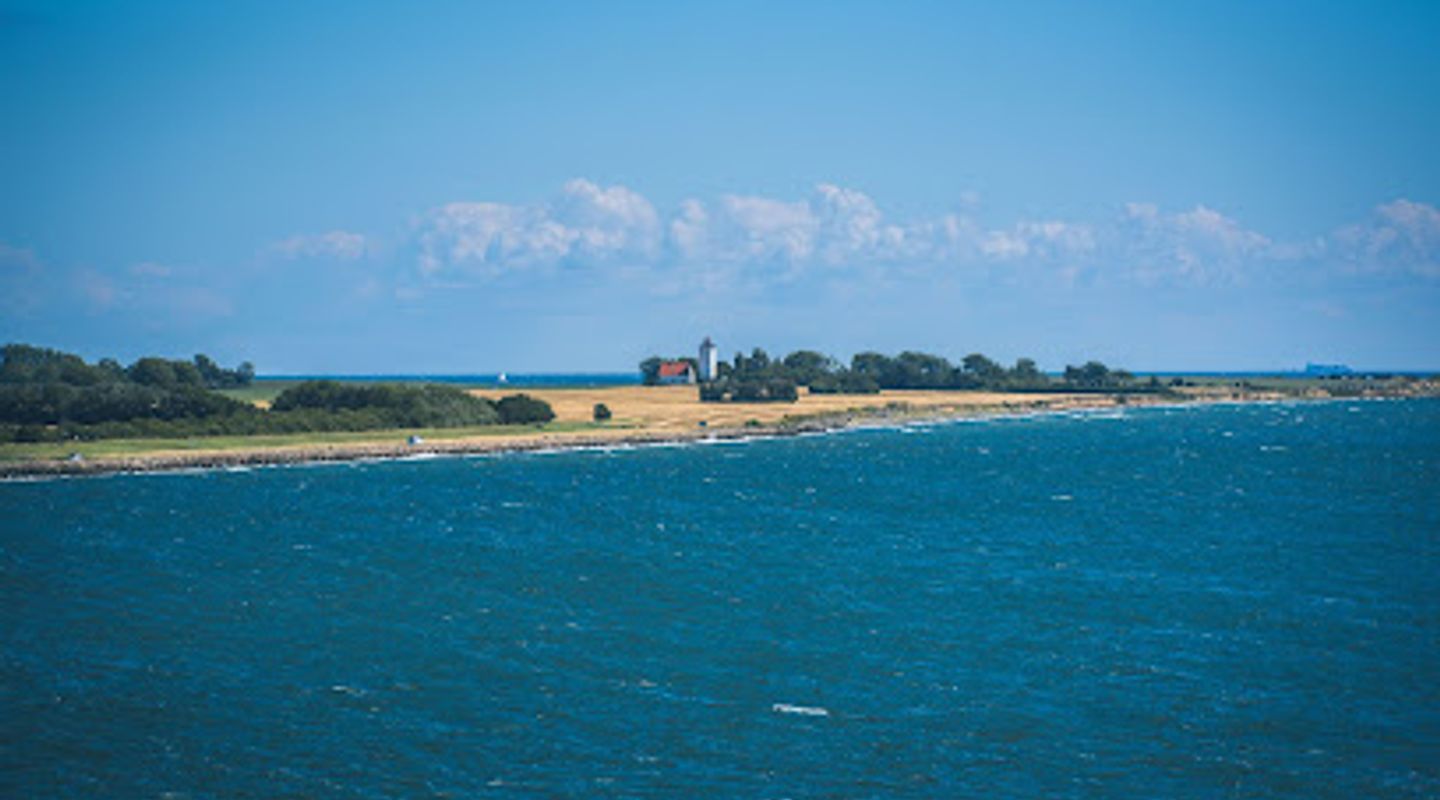
Gedser Lighthouse, Gedser Odde Travel Guide
Denmark's southernmost lighthouse marks the edge of Scandinavia with two centuries of maritime heritage.
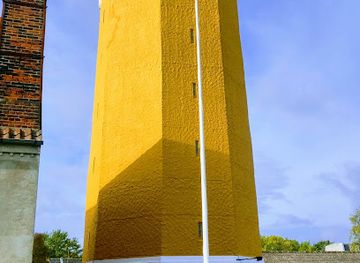
Denmark's iconic 20-meter brick lighthouse stands at Gedser Odde, the nation's southernmost point on the Falster peninsula. Built in 1802 and extensively renovated over two centuries, this historic tower offers panoramic views across the Fehmarn Belt strait toward Germany on clear days. The lighthouse remains a beacon of maritime heritage and a striking landmark at the edge of Scandinavia.
A brief summary to Gedser Lighthouse
- Gedser Fyrvej 2B, Gedser, 4874, DK
- Duration: 1 to 2.5 hours
- Free
-
 Outdoor
- Mobile reception: 4 out of 5

Know before you go
Hi, I'm Eve. Here are a few practical things to know before exploring Gedser Lighthouse.
- Visit on clear days for the best visibility across the Fehmarn Belt toward Germany. Weather conditions significantly impact the view from the top of the 20-meter tower.
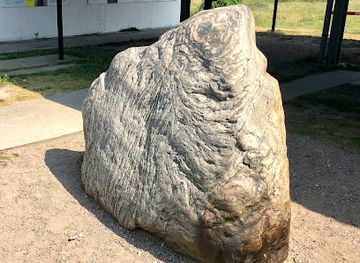
- Combine your visit with Sydstenen, the four-billion-year-old stone marking Scandinavia's southernmost point, located just beyond the lighthouse along the coastal path.
- Explore Gedser's preserved early-20th-century architecture and historic town center before or after visiting the lighthouse to understand the area's maritime heritage.
- The bird banding station near the lighthouse attracts ornithologists and nature enthusiasts, particularly during migration seasons.
- Check opening hours before visiting, as the lighthouse may have seasonal variations or occasional closures for maintenance or renovation work.
Do you manage this location?
Take control to get all the benefits, like improved information, better appearance, and stronger visibility across AI-powered discovery. Learn more about listing your business on Evendo
Activate your presenceOther nearby places you may find interesting
The closest places of the same kind, if this one is not quite what you had in mind.
Explore Gedser Lighthouse on the Map
A handpicked selection of must-see spots near Gedser Lighthouse, mapped for you.
Getting There
-
Bus from Nørre Alby
Regional bus services connect Gedser to surrounding towns on Falster. Journey times from Nørre Alby average 45–60 minutes depending on route and service frequency. Buses operate year-round with reduced schedules in winter months. Fares typically range from 60–90 DKK. Check local transport schedules as frequency varies seasonally.
-
Car via Route 9
Drive south on Route 9 toward Gedser town center, then follow local signs to Gedser Fyrvej. The lighthouse is located at Gedser Fyrvej 2B. Parking is available near the lighthouse. Journey time from Nørre Alby is approximately 40–50 minutes depending on traffic. No tolls required on Danish roads.
-
Ferry and local transport from Rostock, Germany
Gedser operates a ferry terminal with regular service to Rostock, Germany. Ferry crossing takes approximately 90 minutes. From Gedser ferry terminal, the lighthouse is accessible by local bus, taxi, or approximately 2–3 kilometers on foot through town. Ferry fares vary by season and operator, typically 150–300 DKK for foot passengers.
-
Walking from Gedser town center
From Gedser town center, the lighthouse is approximately 2–3 kilometers away. The walk takes 30–40 minutes and passes through the historic town before reaching open coastal terrain. The final section follows a country road and coastal path with moderate terrain. Not recommended for those with mobility limitations.
For the on-the-go comforts that matter to you
-
 Information Boards
-
 Seating Areas
-
 Trash Bins
Discover more about Gedser Lighthouse
A Monument at Denmark's Southern Edge
Gedser Lighthouse occupies one of Denmark's most geographically significant locations—Gedser Odde, the country's southernmost point and the southernmost tip of all Scandinavia. Perched at the southern end of the Falster peninsula, this 20-meter brick tower has guided mariners through treacherous waters for over two centuries. The lighthouse stands as a tangible link to Denmark's maritime past, marking a boundary between Danish territory and the waters leading toward Germany and the Baltic beyond.Two Centuries of Evolution and Adaptation
Construction began in 1802 as a simple tower equipped with a closed coal-fired lighthouse. By 1834, the apparatus was upgraded to a mirror system, reflecting the technological advances of the era. The tower itself was elevated in 1851 and fitted with a fixed lens apparatus. In 1905, the structure underwent another significant expansion, and the lens unit was exchanged for a rotary mechanism powered by kerosene burners. These successive upgrades transformed the lighthouse from a basic beacon into a sophisticated navigation aid, each modification reflecting the evolving demands of maritime traffic through the Fehmarn Belt.Strategic Importance During Conflict and Cold War
During World War II, the lighthouse and surrounding waters took on military significance. The strategic location made Gedser Odde a focal point during the Cold War era, when the lighthouse and nearby Gedser Rev lightvessel became symbols of hope for those attempting escape from East Germany. Between 1945 and 1972, the lightvessel stationed at Gedser Rev rescued approximately 50 East German citizens attempting to flee across the Baltic. The lighthouse itself remained an unmistakable landmark and navigation point throughout this turbulent period, its light serving both practical and symbolic purposes.Vantage Point and Natural Setting
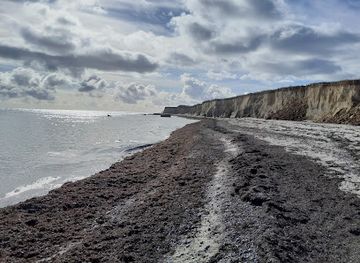
From the top of the lighthouse on clear days, visitors can see across the Fehmarn Belt strait into Germany. The surrounding coastline features distinctive cliffs and rocky outcrops, including Sydstenen—a four-billion-year-old stone marking the exact southernmost point. The landscape reflects the geological forces that have shaped this corner of Denmark, with the strait's waters creating a natural boundary between nations. The approach to the lighthouse takes visitors through the historic town of Gedser, with its preserved early-20th-century architecture, before reaching the open coastal terrain.Living History in a Changing Landscape
The lighthouse exists within the broader context of Gedser's transformation. Once a thriving port town with ferry connections to Germany and a population sustained by maritime commerce, Gedser has evolved into a quieter destination where historical preservation takes precedence. The lighthouse remains the primary draw for visitors, its architectural integrity and historical narrative offering insight into Denmark's relationship with the sea and its role as a guardian of maritime routes. The structure's continued maintenance ensures that this beacon—both literal and historical—continues to mark Denmark's southern frontier.












Your all‑in‑one travel companion app
Explore expert travel guides, compare and book tours, experiences, hotels, and more—all from the palm of your hand. Download now for seamless trip planning wherever your wanderlust takes you.


Explore More of Gedser Odde
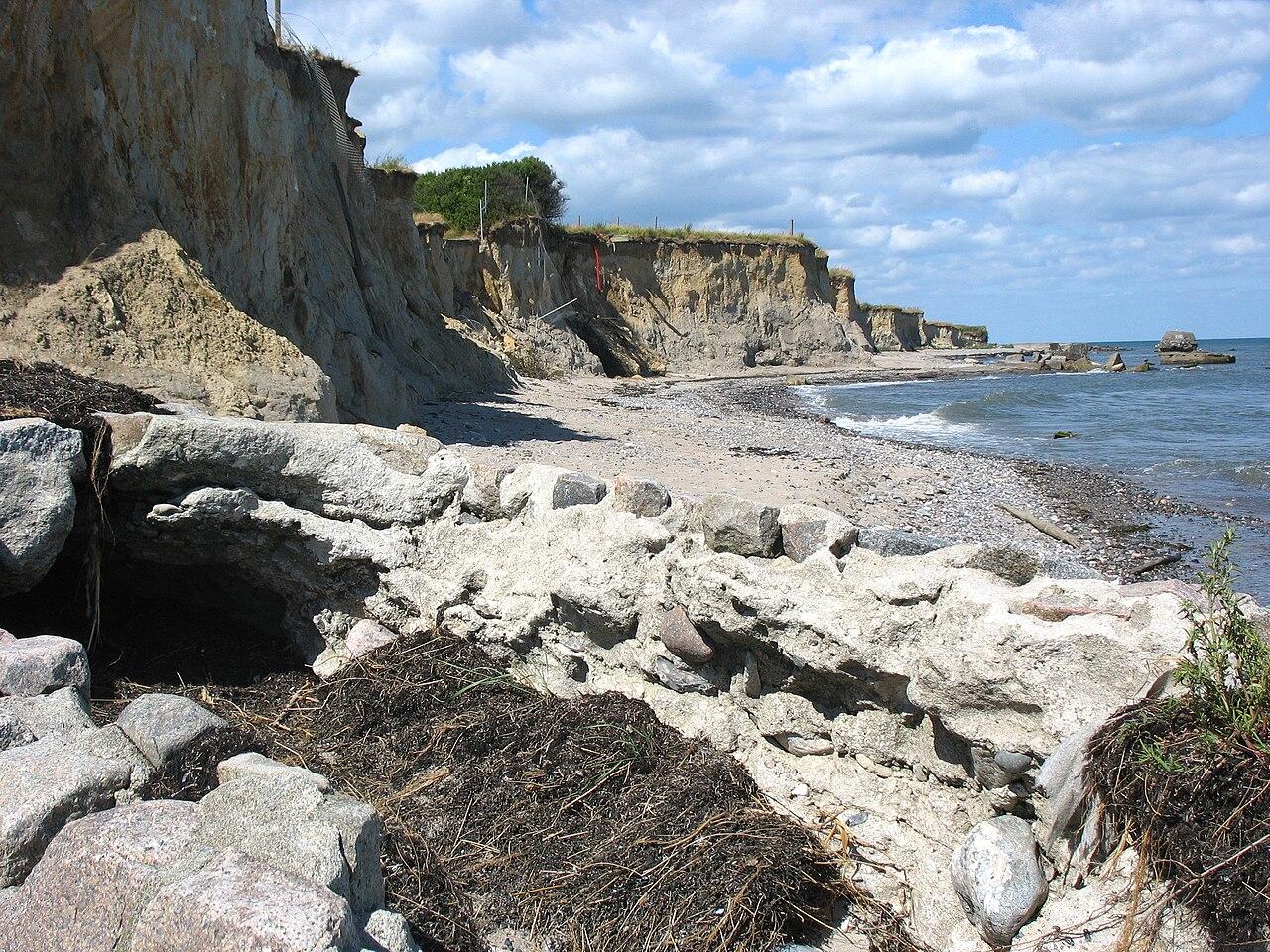
Looking beyond Gedser Lighthouse? Discover Gedser Odde for broader travel guides, local hot-spots, and regional highlights.
Explore Gedser Odde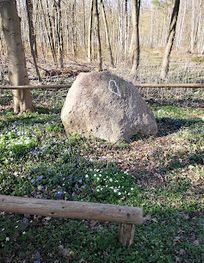
Explore Beckerstein, a historical landmark in Rostock, offering an enriching experience steeped in culture and history.

A simple stone at Gedser Odde marking Denmark’s southernmost point, where Baltic waves, migrating birds and windswept cliffs frame the edge of Scandinavia.
