
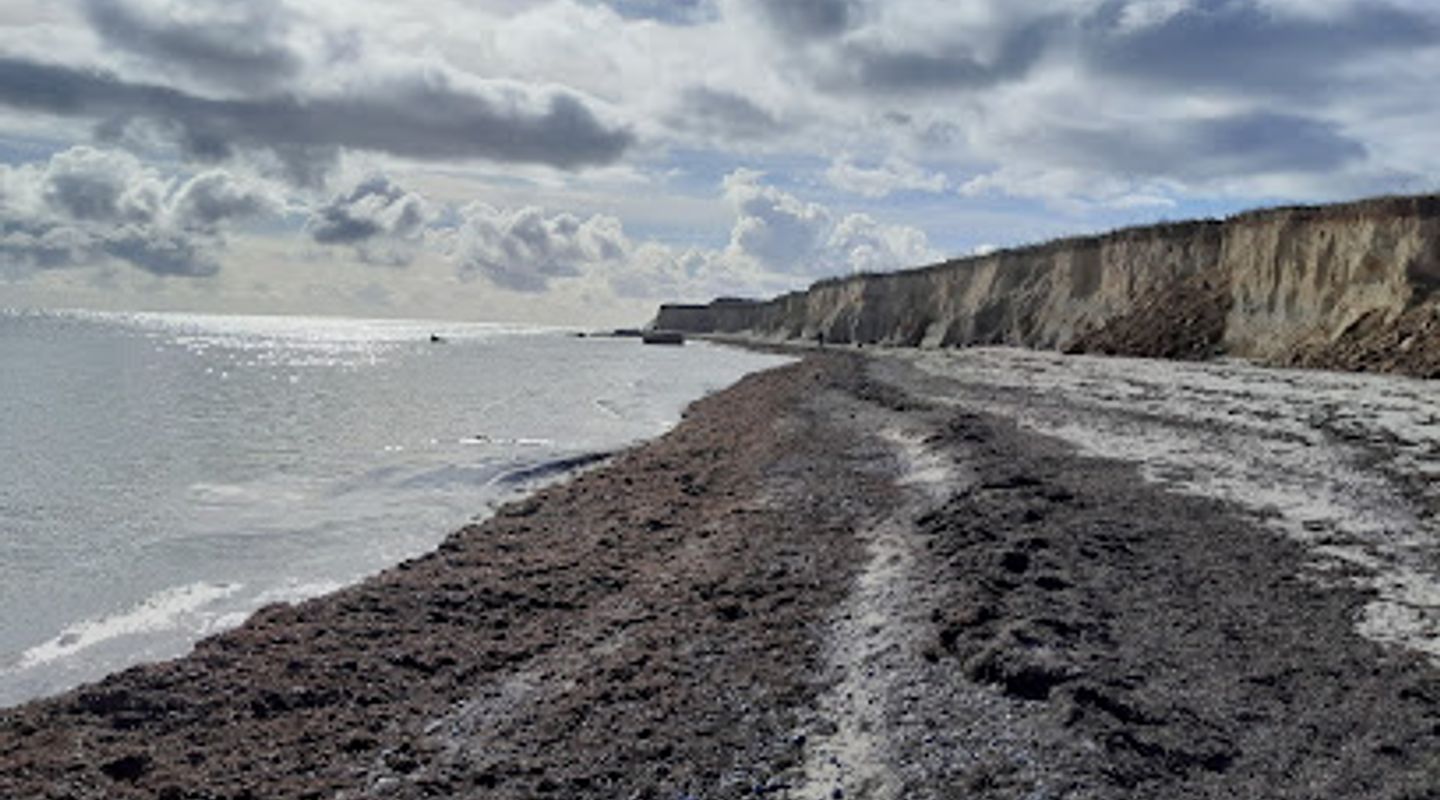
Trappe til stranden, Gedser Odde Travel Guide
Denmark's southernmost beach stairs—a simple passage to coastal recreation and maritime heritage.
A charming coastal stairway providing direct access from Birkemosevej down to Gedser's sandy beach. This modest but beloved landmark connects the town's upper residential area to the shoreline, offering an efficient route for swimmers, surfers, and beach enthusiasts. The stairs have become a local fixture and a practical gateway to one of Denmark's southernmost beaches, popular with families and water sports enthusiasts alike.
A brief summary to Trappe til stranden
- Birkemosevej 19, Gedser, 4874, DK
- Duration: 0.5 to 2 hours
- Free
-
 Outdoor
- Mobile reception: 4 out of 5

Know before you go
Hi, I'm Eve. Here are a few practical things to know before exploring Trappe til stranden.
- Visit during shoulder seasons (May–June or September–October) for pleasant weather and fewer crowds than peak summer months.
- Check weather conditions before descending, particularly in autumn and winter when coastal winds can be strong and stairs may be slippery.
- Bring water shoes or sandals suitable for sandy beaches; the stairs lead directly to a sandy shoreline ideal for swimming and wading.
- Combine your visit with nearby attractions such as Sydstenen (Denmark's southernmost point marker) located in the same area.
- Arrive early in the day to secure parking near Birkemosevej and enjoy the beach with minimal crowds.
Do you manage this location?
Take control to get all the benefits, like improved information, better appearance, and stronger visibility across AI-powered discovery. Learn more about listing your business on Evendo
Activate your presenceOther nearby places you may find interesting
The closest places of the same kind, if this one is not quite what you had in mind.
Explore Trappe til stranden on the Map
A handpicked selection of must-see spots near Trappe til stranden, mapped for you.
Getting There
-
Car
Drive to Birkemosevej 19 in Gedser. Parking is available on or near Birkemosevej; the street provides direct access to the stairway entrance. From central Gedser, follow local signage toward the southern coastal area. Travel time from Gedser town centre is approximately 5–10 minutes depending on traffic and parking availability.
-
Walking
From Gedser town centre, walk south along Birkemosevej toward the coast. The route is relatively flat and takes approximately 15–25 minutes depending on starting point. The final approach is straightforward, with the stairway entrance clearly visible from the street. This option is ideal for those staying in central Gedser accommodation.
-
Bicycle
Gedser is well-suited for cycling, and reaching the stairs by bicycle is a popular local option. Cycle south along Birkemosevej; the route is accessible and relatively flat. Journey time from town centre is approximately 5–10 minutes. Bicycle parking facilities may be available near the stairway entrance.
-
Local Bus
Regional bus services connect Gedser to surrounding areas. Check local transport schedules for routes serving the southern Gedser area near Birkemosevej. Bus travel time varies depending on route and starting point; typical journey times from Gedser centre are 10–20 minutes. Service frequency is moderate, particularly outside peak summer season.
For the on-the-go comforts that matter to you
-
 Seating Areas
-
 Trash Bins
Discover more about Trappe til stranden
Gateway to Gedser's Coastal Landscape
Located at Birkemosevej 19 in Gedser, the Trappe til stranden (Beach Stairs) serves as a vital pedestrian link between the town's upper level and the sandy shoreline below. This straightforward yet essential structure exemplifies the practical infrastructure that supports Denmark's coastal communities, providing convenient access for residents and visitors seeking to reach the beach without navigating longer, indirect routes through the town.The stairway's position at the southern edge of Falster places it within one of Denmark's most geographically significant regions. Gedser itself occupies a distinctive location as the country's southernmost municipality, making any landmark here part of Denmark's unique geographical identity. The stairs themselves, though simple in construction, have earned recognition among locals and visitors as a reliable and direct passage to the water.A Hub for Beach Recreation and Water Sports
The beach accessible via these stairs attracts a diverse range of visitors throughout the year. The area is particularly popular with families seeking safe swimming conditions and with water sports enthusiasts, especially surfers who take advantage of the coastal conditions that the Gedser shoreline offers. The proximity of the stairs to the beach means visitors can transition quickly from town to sea, making it an ideal starting point for a beach day or water activity session.The sandy beach itself provides ample space for various recreational pursuits, from leisurely walks along the shore to more active pursuits. The relatively uncrowded nature of this southern Danish beach compared to more famous coastal destinations makes it an appealing choice for those seeking a more tranquil seaside experience.Local Significance and Community Connection
For Gedser residents, the Trappe til stranden represents more than mere infrastructure—it embodies the community's connection to the sea and the natural landscape that defines life in this coastal town. The stairs facilitate daily beach access for locals, whether for exercise, leisure, or simply enjoying the maritime environment. This functional role has made the structure an integral part of Gedser's character and daily rhythm.The stairway's modest appearance belies its importance to the local community and its status as a recognized landmark. Its presence on local maps and in visitor information reflects its role as a notable point of reference in Gedser's geography. The structure has weathered the coastal environment and the passage of time, serving generations of beach-goers and remaining a testament to practical Danish coastal infrastructure.Seasonal Variations and Weather Resilience
Being exposed to the North Sea's maritime climate, the stairs experience the full range of seasonal conditions typical of Denmark's southern coast. Winter storms can be particularly intense in this region, and the structure must withstand significant weather pressures. Despite these challenges, the stairs continue to provide reliable access, though visitors should be mindful of weather conditions, particularly during autumn and winter months when coastal winds and precipitation are most severe.The surrounding landscape changes subtly with the seasons, from the vibrant activity of summer beach season to the quieter, more contemplative atmosphere of winter months. Spring and autumn offer moderate conditions ideal for beach walks and water activities, while summer brings peak visitor numbers to the area.












Your all‑in‑one travel companion app
Explore expert travel guides, compare and book tours, experiences, hotels, and more—all from the palm of your hand. Download now for seamless trip planning wherever your wanderlust takes you.


Explore More of Gedser Odde
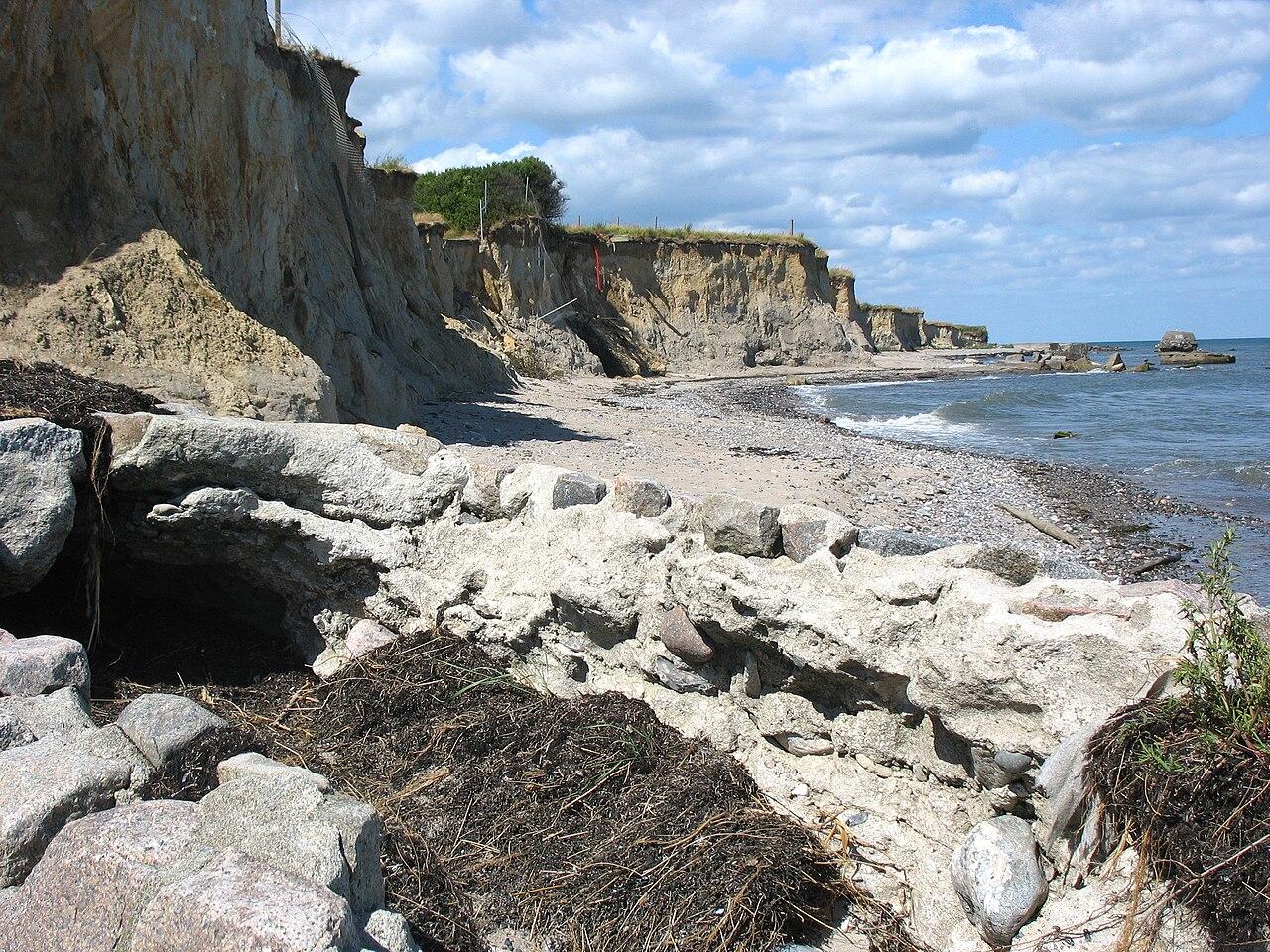
Looking beyond Trappe til stranden? Discover Gedser Odde for broader travel guides, local hot-spots, and regional highlights.
Explore Gedser Odde

