Frederiksborg Castle, Hillerød Travel Guide
Free Guide: Island palace, national museum, and baroque gardens in one unforgettable lakeside castle just north of Copenhagen.


A brief summary of Frederiksborg Castle
Island palace, national museum, and baroque gardens in one unforgettable lakeside castle just north of Copenhagen.
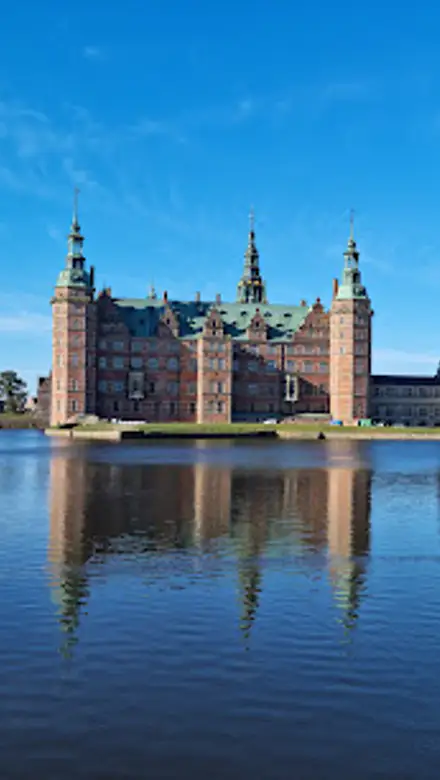
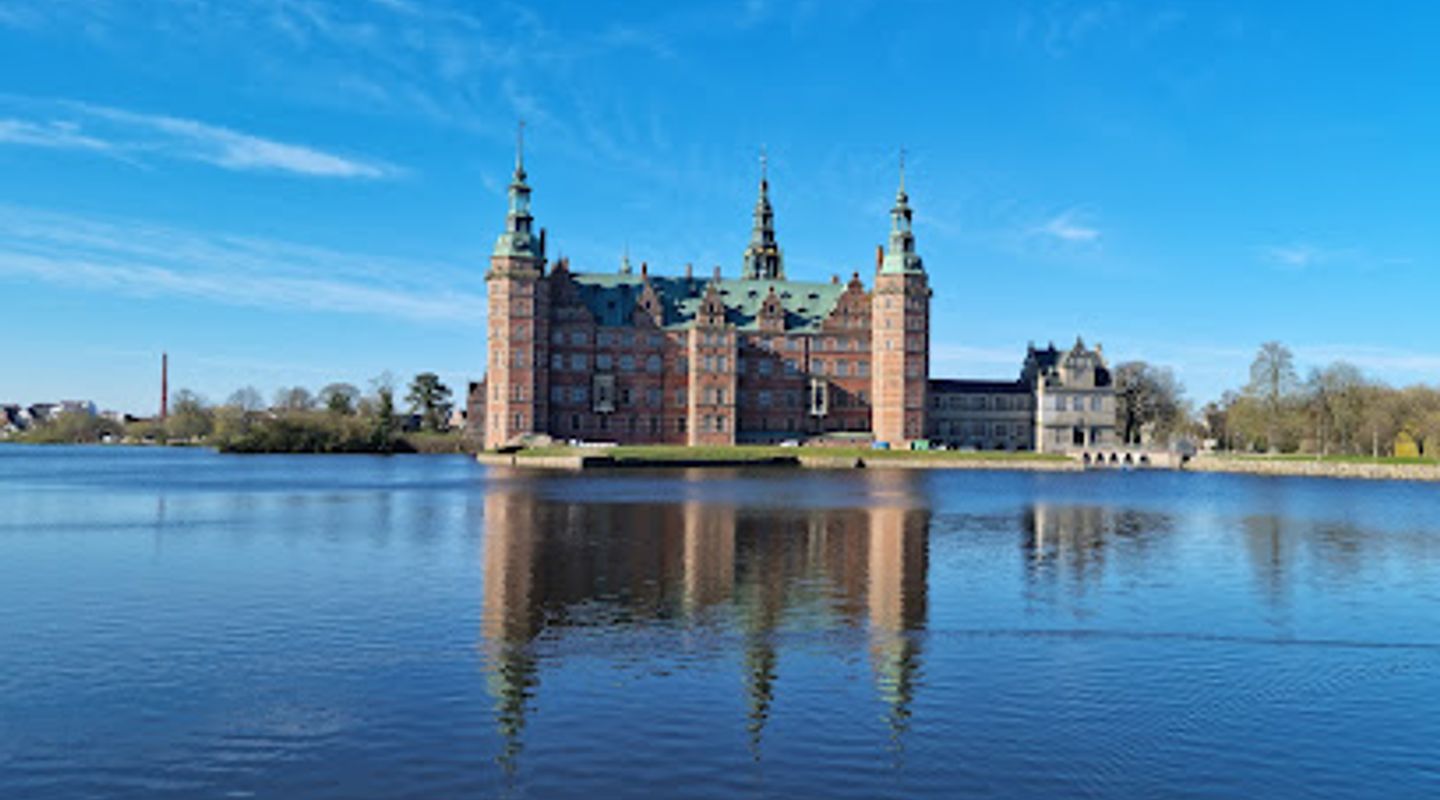
Rising from a mirror-still lake in Hillerød, Frederiksborg Castle is Denmark’s great Renaissance showpiece and home to the Museum of National History. Spread across three small islands, the red-brick palace dazzles with lavish halls, gilded ceilings, and a remarkable chapel that survived a devastating 19th-century fire. Beyond the interiors, formal Baroque terraces and romantic landscape gardens offer wide vistas, quiet corners, and some of the most atmospheric castle views in Scandinavia.
On-site amenities
 Restrooms
 Drink options
 Drinking water
 Food options
 Seating areas
 Sheltered areas
 Picnic areas
 Trash bins
 Information boards
 Visitor centre
Opening hours
- Every day10 am–5 pm
Opening hours as listed on the venue’s Google Business Profile. Hours can change for services and special events, so check with the venue before you go.
- Address
- Frederiksborg Slot 10, 3400 Hillerød
- Phone
- Website
Getting there
Train from Copenhagen
Regional bus within North Zealand
Self-drive car from Copenhagen
Discover more about Frederiksborg Castle
A Renaissance palace on an islanded lake
Frederiksborg Castle dominates the town of Hillerød like something out of a historical epic, its copper spires and red sandstone walls rising directly from the waters of Castle Lake. Built mainly under King Christian IV in the early 1600s, it was conceived as a spectacular statement of royal power, wealth, and taste. Approaching across the causeway, you pass through ornate gatehouses into cobbled courtyards framed by richly decorated façades.The ensemble sits on three interconnected islands, an ingenious layout that allowed the royal residence, ceremonial spaces, and service quarters to be separated while still feeling like a single, harmonious palace. Reflections of turrets and gables dance in the water, giving every angle a picture-book quality, especially in the soft light of early morning or late afternoon.
Fire, restoration, and national memory
In 1859, a catastrophic fire tore through much of the castle’s interior, destroying entire suites of rooms and precious furnishings. The shell that remained might easily have become a romantic ruin, but industrialist J. C. Jacobsen, founder of Carlsberg, financed an ambitious reconstruction. The work restored Frederiksborg not just as a royal palace but as a monument to Danish history itself.Today the castle houses the Museum of National History, with an extensive collection of paintings, sculpture, and decorative arts that trace Denmark’s story from the late Middle Ages to the present. Portraits of monarchs, nobles, reformers, and cultural figures line the galleries, turning a wander through grand rooms into a visual timeline of the nation’s changing face and fashions.
Sumptuous halls and a unique chapel
Inside, Frederiksborg’s rooms are a feast of carved wood, gilded stucco, and painted ceilings. The Great Hall, with its crystal chandeliers, elaborate tapestries, and long vistas of parquet floor, was designed for court festivities and still feels made for spectacle. Smaller chambers showcase period furniture, intricate tile stoves, and details that hint at everyday life within the palace.The jewel of the complex is the castle chapel, remarkably spared by the 1859 fire. Its tiered galleries, richly painted decorations, and royal coats of arms create a dense tapestry of symbolism and craftsmanship. The chapel has served for royal anointings and remains one of the most atmospheric sacred interiors in Denmark, where the interplay of dim light and gleaming ornament leaves a lasting impression.
Baroque geometry and romantic greenery
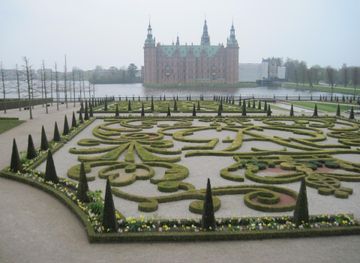
Spreading out behind the castle, the gardens extend the theatricality of the architecture into the landscape. The formal Baroque garden, laid out in the 1720s and later recreated, cascades down in four terraces towards the lake. Here, clipped hedges, shaped trees, and royal monograms inscribed in greenery express a carefully controlled vision of nature.Beyond the parterres, the mood softens into a romantic landscape garden. Winding paths lead through groves and along streams, with framed views back to the palace towers and the small Bathhouse Castle tucked into the greenery. In fine weather, lawns become informal picnic spots, and even on cooler days the gardens offer long, contemplative walks with ever-changing perspectives on the water and architecture.
A day-long encounter with Danish history
A visit to Frederiksborg can easily fill several hours as you balance time between the richly layered interiors and the open-air spaces. Temporary exhibitions add contemporary angles to the historical collections, while quiet corners of the museum invite closer study of individual portraits and artifacts. Seasonal light transforms the experience: bright summer days draw people out into the gardens, while winter casts dramatic shadows through tall windows and across the frozen lake.Between the sense of royal grandeur, the depth of the historical collections, and the sheer beauty of the setting, Frederiksborg Castle offers one of the most complete introductions to Denmark’s past and present in a single, walkable site.
Evendo Review Centre
 Google
Guest reviews
Best time to go
Quietest: Jan, Feb & Mar · before 8am or at 8pm
Busy times are Evendo estimates for a typical year, to help you plan. Actual crowds vary with events, school holidays and the weather.
Explore Frederiksborg Castle on the map
A handpicked selection of must-see spots near Frederiksborg Castle, mapped for you.
Get your free copy of our complete guide to Frederiksborg Castle, delivered straight to you.
Everything on this page, from opening hours and how to get there to Eve’s tips and the best time to go, in one PDF you can read offline, print or share.
Already have an account? Sign in
Your Frederiksborg Castle guide is ready.
We'll send it to · Not you? Sign out

Getting your guide ready…
We are putting together a fresh copy of the Frederiksborg Castle guide. This can take up to a minute.
This can take a few moments. If your browser asks, choose Allow so the download can start. You'll find the guide in your Downloads folder.
Nothing happened? Download it again
Sorry, the guide is taking longer than usual. Please try again in a minute, or get it by email instead.
Unlock the best of Frederiksborg Castle
Skip-the-line tickets, guided tours with entry, and walking tours of the area, booked in a few clicks.



Other nearby places you may find interesting
The closest places of the same kind, if this one is not quite what you had in mind.
-
-
-
-
-


Swipe for more places
More to explore near Frederiksborg Castle

 Best experiences near Frederiksborg Castle
 Best hotels near Frederiksborg Castle
 Best landmarks near Frederiksborg Castle
 Best attractions near Frederiksborg Castle
 Best shops near Frederiksborg Castle
 Best restaurants near Frederiksborg Castle
 Best bars near Frederiksborg Castle
Do you manage this location?
Take control to get all the benefits, like improved information, better appearance, and stronger visibility across AI-powered discovery.
Explore more
Explore more of Hillerød
Explore Hillerød: Discover Frederiksborg Castle, vibrant town life, and scenic nature trails in Denmark's charming North Zealand region.
Explore Hillerød
Explore more of Denmark
Discover Denmark: A perfect blend of history, modern design, and the cozy concept of hygge. Explore vibrant cities, serene landscapes, and world-class cuisine.
Explore Denmark