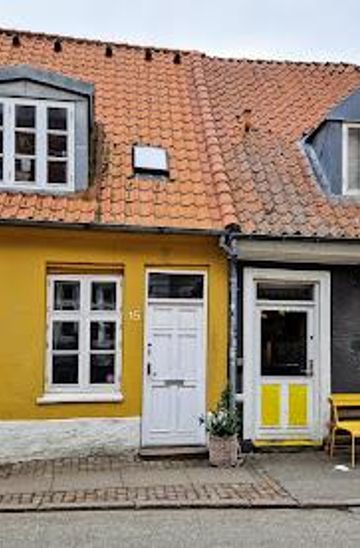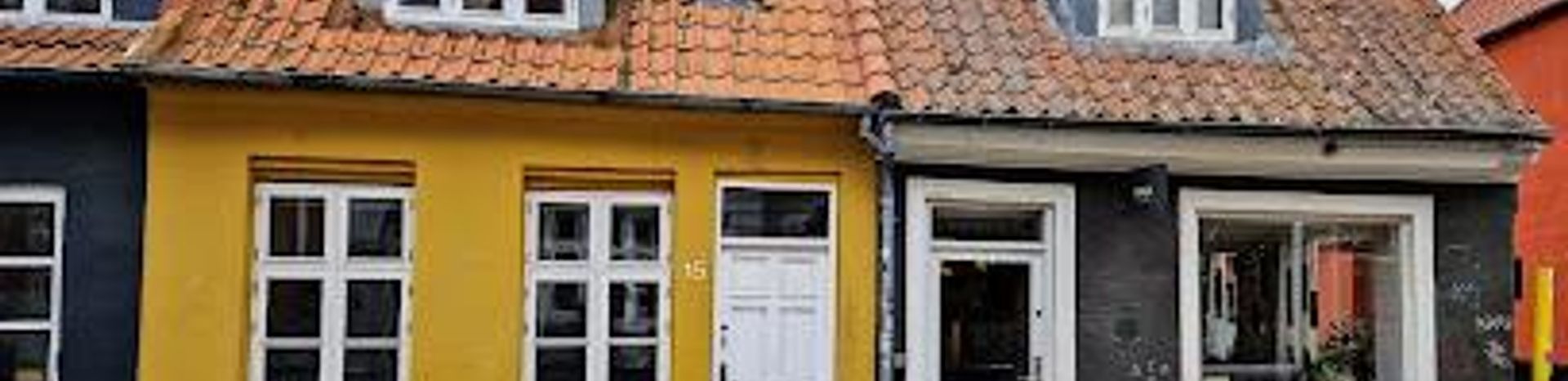
Latin Quarter (Mejlgade), Aarhus
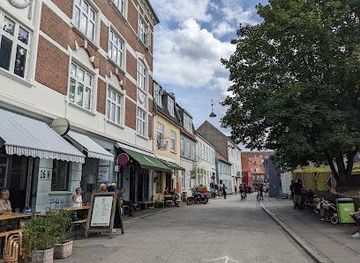
Atmospheric cobbled street in Aarhus’ Latin Quarter, where historic townhouses, independent boutiques, cafés and restaurants create a relaxed, bike-friendly urban village.
Tucked into Aarhus’ historic Latin Quarter, Mejlgade is a cobbled, bike-friendly street lined with centuries-old facades, independent boutiques, galleries, cafés and acclaimed restaurants. Here, half-timbered houses and stately townhouses meet bold Nordic gastronomy, busy patios and lively bars, creating one of the city’s most characterful corners. It is as much about slow wandering and people-watching as it is about design shopping, coffee breaks and long dinners that stretch into the evening.
A brief summary to Latin Quarter
- Mejlgade, Aarhus, Aarhus C, 8000, DK
- Duration: 1 to 4 hours
- Free
-
 Outdoor
- Mobile reception: 5 out of 5

Know before you go
Hi, I'm Eve. Here are a few practical things to know before exploring Latin Quarter.
- Aim for late morning or mid‑afternoon on weekdays for a gentler atmosphere and more space in cafés and boutiques.
- Bring comfortable shoes; the cobblestones are uneven in places and you will likely want to wander slowly up and down the full length of the street.
- Consider planning a meal at one of the high‑end Nordic restaurants on or near Mejlgade and use the street itself as your pre‑ or post‑dinner stroll.
- If you are cycling, remember that much of Mejlgade is one‑way with priority for bikes and pedestrians, but still watch for delivery vehicles and crossing foot traffic.
- In cooler months, look for cafés and bars with blankets and outdoor heaters so you can still enjoy the street life from a terrace seat.
Do you manage this location?
Take control to get all the benefits, like improved information, better appearance, and stronger visibility across AI-powered discovery. Learn more
Activate your presenceOther nearby places you may find interesting
Getting There
-
Walking from central Aarhus
From the central pedestrian shopping streets around Strøget and the cathedral area, reaching Mejlgade on foot typically takes 5–10 minutes. The route is flat but paved with cobblestones in places, which can be uneven for strollers or wheelchairs. Walking costs nothing and is often the most convenient option, as car access and parking in the Latin Quarter are limited.
-
City bus within Aarhus
Several local bus lines run through the inner city and stop on major roads a short walk from the Latin Quarter, with typical journey times of 10–20 minutes from residential districts. Single adult tickets within the city usually cost around 20–30 DKK and can be purchased via ticket machines, apps or on board on many services. Buses operate frequently during the day but less often late evenings and on Sundays.
-
Cycling in the city
Aarhus is very bike‑friendly and many visitors reach Mejlgade by bicycle using the city’s network of bike lanes and shared bike services. Travel time from most central neighbourhoods is 5–15 minutes. Expect mostly gentle slopes and dedicated cycle tracks, though you will share narrow sections with pedestrians on parts of the street. If you rent a bike, prices are often in the range of 80–150 DKK per day depending on type and provider.
-
Taxi from Aarhus Airport transfer points
If you arrive in Aarhus by airport coach or regional bus and prefer not to walk with luggage, taxis are available at central drop‑off points. A taxi ride to the Latin Quarter area generally takes 5–10 minutes in city traffic. Typical fares for short inner‑city trips fall roughly between 120 and 200 DKK, varying with distance, time of day and waiting time. Some of the oldest streets around Mejlgade are narrow, so expect to be dropped nearby and walk the last short stretch.
For the on-the-go comforts that matter to you
-
 Restrooms
-
 Drink Options
-
 Drinking Water
-
 Food Options
-
 Seating Areas
-
 Sheltered Areas
-
 Trash Bins
-
 Information Boards
-
 Visitor Center
Discover more about Latin Quarter
Historic heart of Aarhus’ Latin Quarter
Mejlgade threads north–south through the Latin Quarter, one of Aarhus’ oldest neighbourhoods, and concentrates more historic and listed buildings than any other street in the city. Its story reaches back to the 1500s, when merchants and craftsmen lined the narrow lane with timbered houses. Today you still see that layered history in the façades: gabled fronts leaning slightly over the cobbles, pastel plaster sitting next to exposed beams and elegant 19th‑century townhouses.Several addresses along the street are officially protected for their architectural value. Among them are handsome Empire-style residences, classicist townhouses and one of the city’s oldest half‑timbered dwellings from the late 16th century. As you walk, the details reveal themselves slowly: carved doorframes, old shop signs, mullioned windows and tiled roofs peeking above the skyline.Architectural landmarks and hidden courtyards
At the northern end, the imposing Mejlborg building stands where a medieval city gate once marked the edge of town. This grand late‑19th‑century block, rebuilt after a fire, hints at the period when Mejlgade became home to the local elite, with wide bay windows gazing out towards the Bay of Aarhus. Further along, an elegant townhouse that once served as the mayor’s residence reflects the street’s civic importance in the 1800s.Down at pavement level, the street opens into small side passages and courtyards. Some lead to studios and workshops, others to secluded terraces where café tables spill out in summer. The Jutland Art Academy occupies a dignified early‑1800s building, adding an artistic pulse; students and creatives drift between classrooms, exhibitions and the nearby bars, giving the area a quietly bohemian energy.Cafés, boutiques and everyday street life
Mejlgade’s ground floors are a patchwork of independent shops, design studios, record stores, vintage clothing, wine merchants and delicatessens. This is a place to browse slowly rather than to tick off big‑name brands: ceramics here, a small gallery there, shelves of Nordic homeware catching the light from tall windows. Many of the businesses champion local makers and small‑batch products, reinforcing the street’s individualistic character.Café culture is woven into daily life. Windows are often misted with the scent of freshly ground coffee and pastries; in warmer months, chairs and benches appear on the cobbles, inviting long, unhurried breaks. As the afternoon softens into evening, the scene shifts gently: wine bars open, and conversations linger under strings of outdoor lights.Bicycle-friendly lane with a relaxed pace
Although you are in the very centre of Denmark’s second‑largest city, Mejlgade moves at a slower tempo. For much of its length it is a one‑way, largely no‑parking street where pedestrians and cyclists have priority. The tiled carriageway forms part of a wider bicycle ring encircling the inner city, so you will see locals gliding past on bikes, pausing briefly to pick up groceries or coffee.This prioritisation of soft traffic helps maintain a human scale. Without rows of parked cars, the architecture feels closer and more tangible, and the soundscape is dominated by the low murmur of voices, the clink of cups and the occasional bell of a passing bicycle. Even at busier times, there is space to stop and take in the details without feeling rushed.Dining, nightlife and Nordic gastronomy
Mejlgade is also one of Aarhus’ most interesting streets for eating and drinking. Rustic pizza joints and informal bistros share the street with acclaimed New Nordic restaurants that spotlight local and seasonal produce. It is possible to begin with a casual coffee, return later for a tasting menu built around herbs and vegetables from the region, and finish the night with craft beer in a snug, atmospheric bar.After dark the mood becomes livelier but rarely overwhelming. Bars glow behind thick stone walls, music drifts from open doors and small groups gather around candlelit tables indoors or under heaters outside. The combination of heritage surroundings and contemporary food and drink makes Mejlgade a natural base for an evening out, whether you are savouring a special‑occasion dinner or simply hopping between a couple of characterful spots.Slow wandering and moments between sights
One of Mejlgade’s quiet strengths is how well it fits into a broader day in Aarhus. Landmark sights such as the cathedral and major museums are a short walk away, yet the street itself feels slightly tucked aside, like a local secret you slip into between attractions. It rewards detours and return visits: a bookshop discovered on one stroll, a courtyard café on the next.For many travellers, the most memorable moments here are the smallest ones: leaning against an old brick wall with an ice cream, watching cyclists navigate the gentle curves of the street; noticing how morning light hits a 17th‑century façade; catching the warm bustle of a dinner service and the glow of lamps through paned windows. In the Latin Quarter, Mejlgade offers an intimate, human‑scale slice of Aarhus life.Explore the best of what Latin Quarter has to offer













More about East Jutland
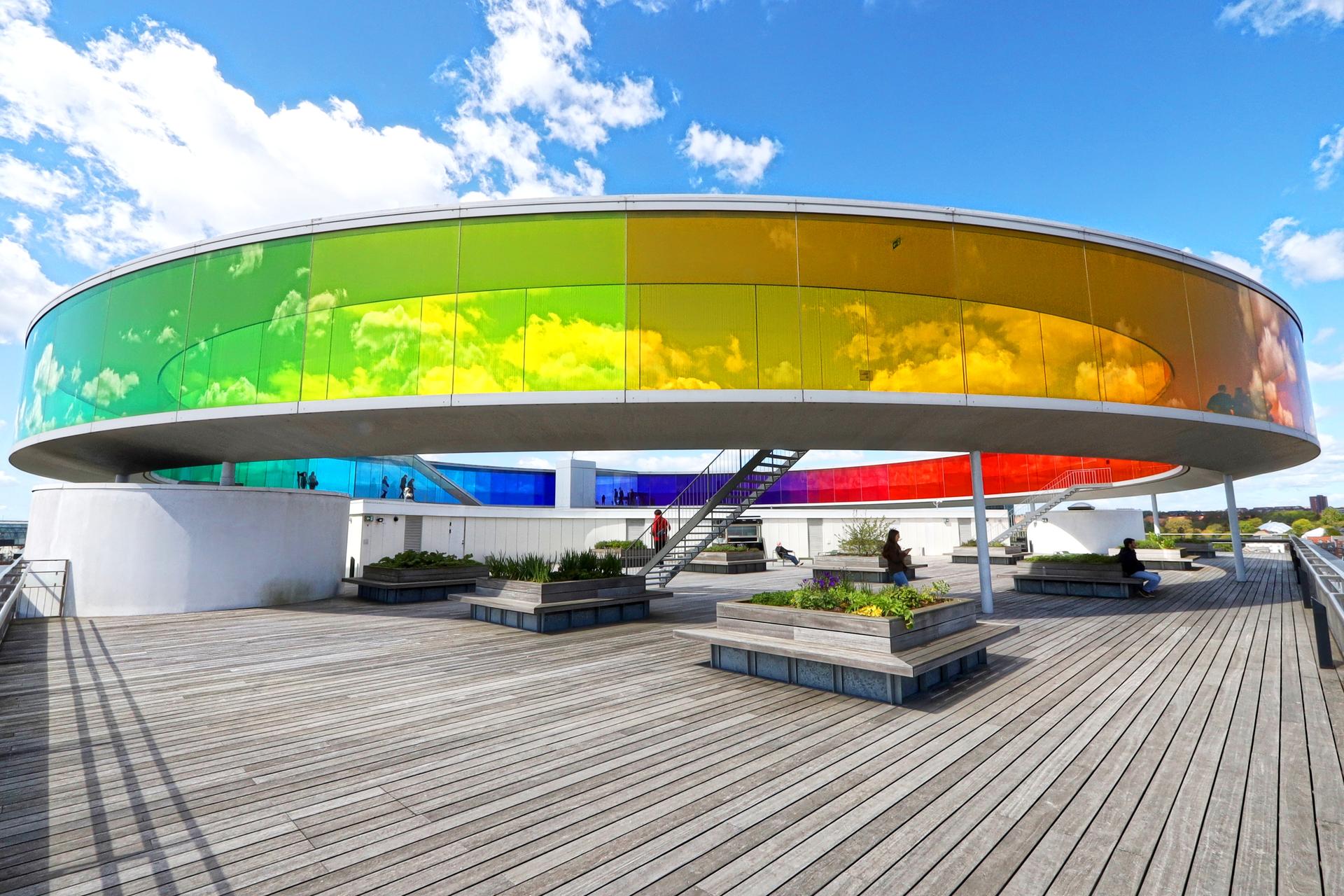
Discover East Jutland, Denmark's enchanting region blending vibrant cities, rich history, and stunning natural landscapes, perfect for every type of traveler.
Tell me more about East Jutland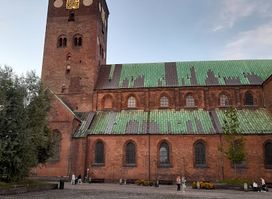
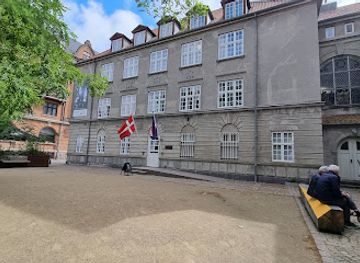
A thousand years of Aarhus history layered beneath a lively, tree‑lined square between the cathedral, theatre and Latin Quarter.
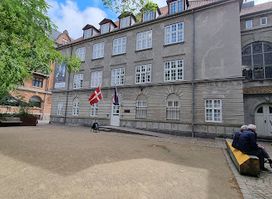
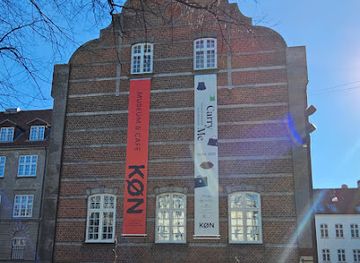
Aarhus’ former Gestapo headquarters turned museum, where original cells, local stories and moral dilemmas bring Denmark’s wartime occupation chillingly close.