Øresund Bridge, Koge Travel Guide
Europe's longest combined road-rail bridge connecting Copenhagen and Malmö across the Øresund Strait.
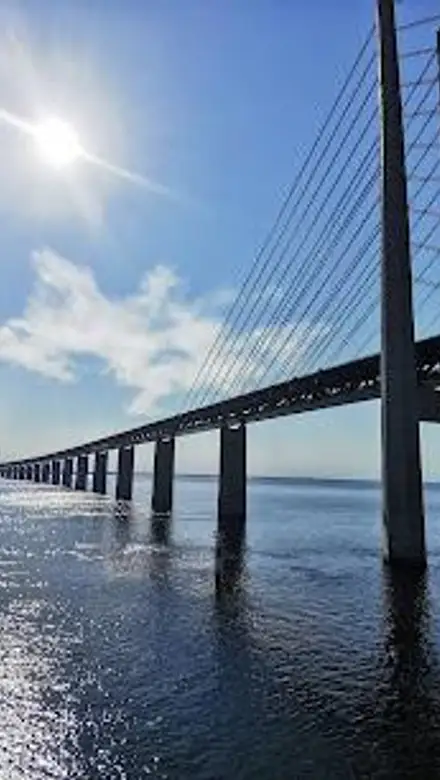
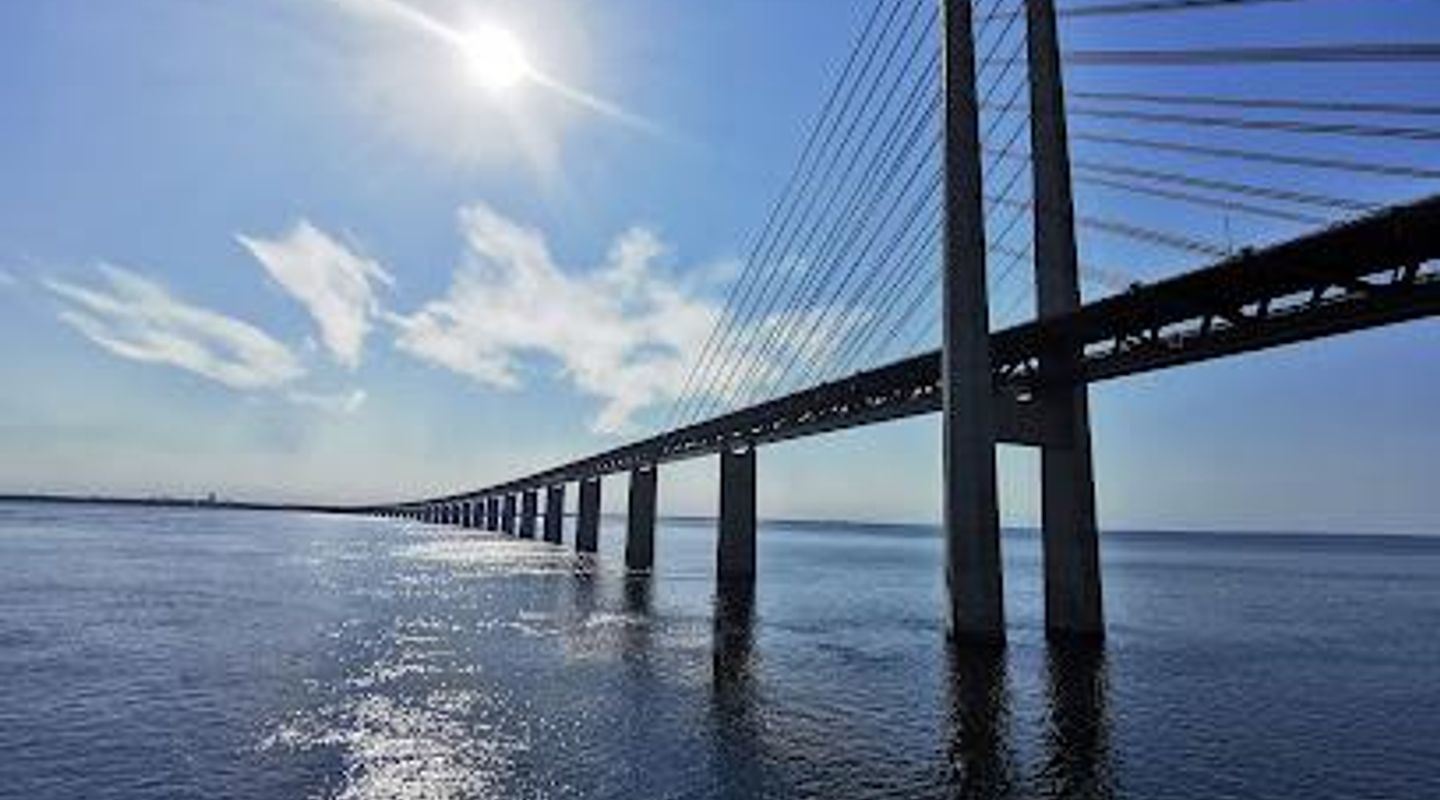
The Øresund Bridge is a 16-kilometre combined rail and road link connecting Copenhagen, Denmark, and Malmö, Sweden, across the Øresund Strait. Opened in 2000, this architectural marvel comprises an 8-kilometre cable-stayed bridge, a 4-kilometre underwater tunnel, and an artificial island. Over 60,000 people traverse it daily, making it Europe's longest combined road-rail bridge. The structure offers spectacular views of the Baltic Sea and serves as both a practical transport corridor and a symbol of Nordic cooperation.
A brief summary to Øresund Bridge
- Malmö, SE
- Click to display
- Click to display
- Duration: 0.25 to 1 hours
- Mid ranged
-
 Outdoor
- Mobile reception: 5 out of 5

Know before you go
Hi, I'm Eve. Here are a few practical things to know before exploring Øresund Bridge.
- Purchase an ØresundGO discount contract if crossing regularly; the annual fee is recovered on the first round trip with significantly reduced toll rates.
- For the best views, travel by train rather than car—the lower deck offers unobstructed sightlines of the Øresund Strait and the bridge's dramatic pillars.
- Visit the Luftkastellet lookout point near Malmö for the most impressive panoramic views of the bridge's imposing structure rising above the water.
- Ensure you have a valid passport or identity card when crossing; border control is conducted on trains at the first Swedish station after the tunnel.
- Combine your bridge crossing with a visit to Ribersborg's open-air bath and sauna on the Malmö side for spectacular views of the bridge and Copenhagen skyline.
Do you manage this location?
Take control to get all the benefits, like improved information, better appearance, and stronger visibility across AI-powered discovery. Learn more about listing your business on Evendo
Activate your presenceOther nearby places you may find interesting
The closest places of the same kind, if this one is not quite what you had in mind.
Explore Øresund Bridge on the Map
A handpicked selection of must-see spots near Øresund Bridge, mapped for you.
Unlock the Best of Øresund Bridge
Buy tickets
-
No tickets available
Book tours with entry


Getting There
-
Train from Copenhagen Central Station
The Øresundståg train departs from Copenhagen Central Station every 20 minutes, taking approximately 24 minutes to reach Malmö Central Station. The train travels on the lower deck of the bridge, offering excellent views of the Øresund Strait. Tickets cost approximately 13 euros one-way and can be purchased at station counters or online. Border control is conducted at the first Swedish station after the tunnel crossing. This is the most scenic option for experiencing the bridge.
-
Car via E20 motorway
Drive from Copenhagen via the E20 motorway towards Malmö, following signs for the Øresund Bridge. The journey takes approximately 45 minutes to 1 hour depending on traffic. Toll fees apply at the Swedish toll station before the bridge; prices vary by vehicle type and range from approximately 50-70 euros for standard cars, with discounts available through ØresundGO contracts. No border checks are conducted for vehicle crossings. The upper deck offers panoramic views during the crossing.
-
Combination ticket via Scandlines ferry
Purchase a combination ticket that includes the bridge crossing and a Scandlines ferry connection to Germany. This option provides a hassle-free journey from Sweden through Denmark to continental Europe without requiring separate toll payments. The combi ticket simplifies logistics for longer international trips and is available through the Øresundsbron website.
-
Coach services from Copenhagen
Several coach operators run regular services between Copenhagen and Malmö, crossing the bridge as part of their route. Journey times range from 1 to 1.5 hours depending on the service and traffic conditions. Fares typically range from 15-25 euros. Coaches use the upper motorway deck, and passengers experience the bridge crossing as part of a longer journey. No separate toll payment is required from passengers.
For the on-the-go comforts that matter to you
-
 Restrooms
-
 Drink Options
-
 Food Options
-
 Information Boards
Discover more about Øresund Bridge
Engineering Marvel Spanning Two Nations
The Øresund Bridge stands as one of Europe's most impressive engineering achievements, stretching nearly 16 kilometres across the Øresund Strait between Denmark and Sweden. Completed in 2000, the structure comprises three distinct sections: an 8-kilometre cable-stayed bridge rising 57 metres above the Flintrännan channel, an artificial island called Peberholm, and a 4-kilometre underwater tunnel that emerges on the Danish island of Amager. This innovative design was chosen to minimize environmental impact on the sensitive strait ecosystem while maintaining a direct connection between the two major metropolitan areas of Copenhagen and Malmö.The bridge carries both vehicular and rail traffic on two separate levels, with a four-lane motorway on the upper deck and a double-track railway beneath. Daily, over 60,000 vehicles and countless trains cross the span, making it one of Europe's busiest international crossings. The main architect, Danish designer Georg K.S. Rotne, created a structure that balances functional efficiency with visual elegance, making the bridge instantly recognizable from both the Danish and Swedish coasts.A Path to Nordic Cooperation
The concept of linking Denmark and Sweden dates back decades, with initial proposals emerging in the 1930s. However, the modern project took shape only after the Nordic Council identified the bridge as a priority for intra-Nordic mobility in 1953. Political and economic obstacles delayed progress until 1991, when the Danish and Swedish parliaments finally signed a bilateral agreement. The joint venture Øresundskonsortiet, formed between Swedish state company Svedab and Danish company A/S Øresundsforbindelsen, oversaw construction from 1993 onwards.The official dedication ceremony took place on 1 July 2000, hosted by Queen Margrethe II of Denmark and King Carl XVI Gustaf of Sweden. The bridge opened for public traffic the same day, immediately transforming the relationship between the two nations. What was once a 45-minute ferry crossing became a 10-minute drive or train journey, fundamentally reshaping commuting patterns, labour markets, and economic integration across the Øresund region.Economic and Social Transformation
The bridge's impact on the region has been profound and measurable. Daily commuters increased from 3,291 in 2000 to 18,000 by 2010, as workers and businesses capitalized on the expanded labour market. A 2021 study found that the bridge attracted high-skilled workers to Malmö, driving innovation and economic growth. A subsequent 2022 study documented a 13.5% increase in average wages for workers in the region, directly attributable to the expanded job market created by the bridge. The connection also facilitated the flow of goods and services, strengthening supply chains across Scandinavia and linking the Nordic region more directly to continental Europe.The Experience of Crossing
Travelling across the Øresund Bridge is a memorable experience in itself. Drivers and train passengers enjoy panoramic views of the dark blue waters of the Øresund Strait, framed by the bridge's distinctive tall pillars. The journey offers a unique perspective on the geography separating and connecting the two nations. From the Swedish side, the bridge rises majestically above the water before descending into the tunnel section. Train passengers experience the transition from the elevated bridge section to the underground tunnel, a dramatic shift in perspective that underscores the engineering feat. The entire crossing takes approximately 10 minutes by car and 24 minutes by train from Copenhagen Airport to Malmö Central Station.Cultural Icon and Television Fame
Beyond its practical function, the Øresund Bridge has become a cultural symbol of Nordic cooperation and integration. The bridge gained international recognition as the setting for the acclaimed Danish-Swedish television series "The Bridge," which used the structure as a metaphor for connection and the complexities of cross-border relationships. The bridge's imposing silhouette, visible from the Malmö coastline and from aircraft approaching Copenhagen Airport, has become an iconic landmark recognized throughout Scandinavia and beyond. For many visitors, crossing the bridge represents not just a journey between two cities, but a passage between two distinct cultures and histories.












Your all‑in‑one travel companion app
Explore expert travel guides, compare and book tours, experiences, hotels, and more—all from the palm of your hand. Download now for seamless trip planning wherever your wanderlust takes you.


Explore More of Koge
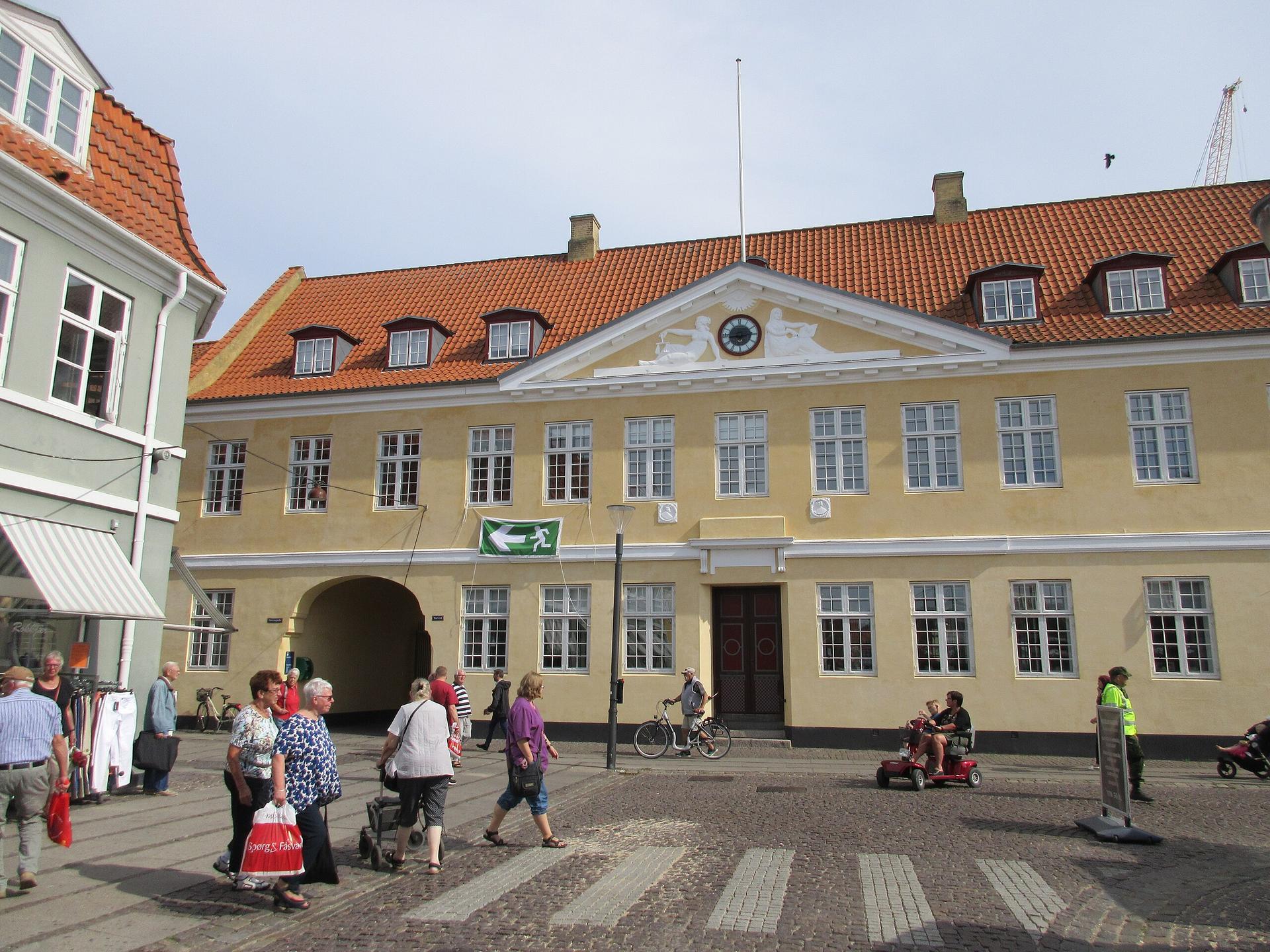
Looking beyond Øresund Bridge? Discover Koge for broader travel guides, local hot-spots, and regional highlights.
Explore Koge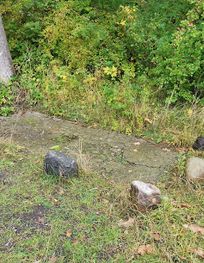
A quiet concrete slab on Copenhagen’s old ramparts where 29 convicted collaborators were executed after World War II, this stark site confronts the dilemmas of post‑war justice.
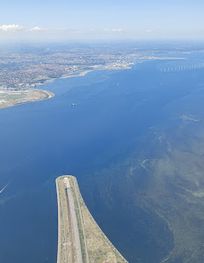
A man-made island where nature reclaimed the landscape—Europe's most successful ecological experiment.