Skovterrassen, Kolding Travel Guide
Free Guide: A simple wooden terrace tucked into Kolding’s Marielundskoven, offering a calm forest pause along Troldhedestien for walkers, cyclists, and families.


A brief summary of Skovterrassen
A simple wooden terrace tucked into Kolding’s Marielundskoven, offering a calm forest pause along Troldhedestien for walkers, cyclists, and families.
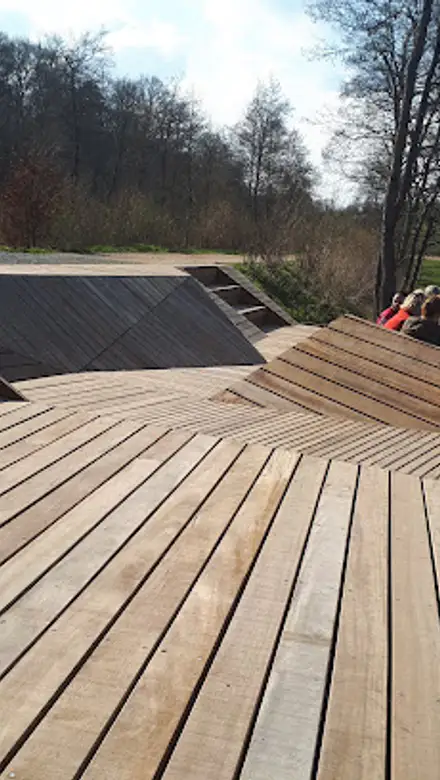
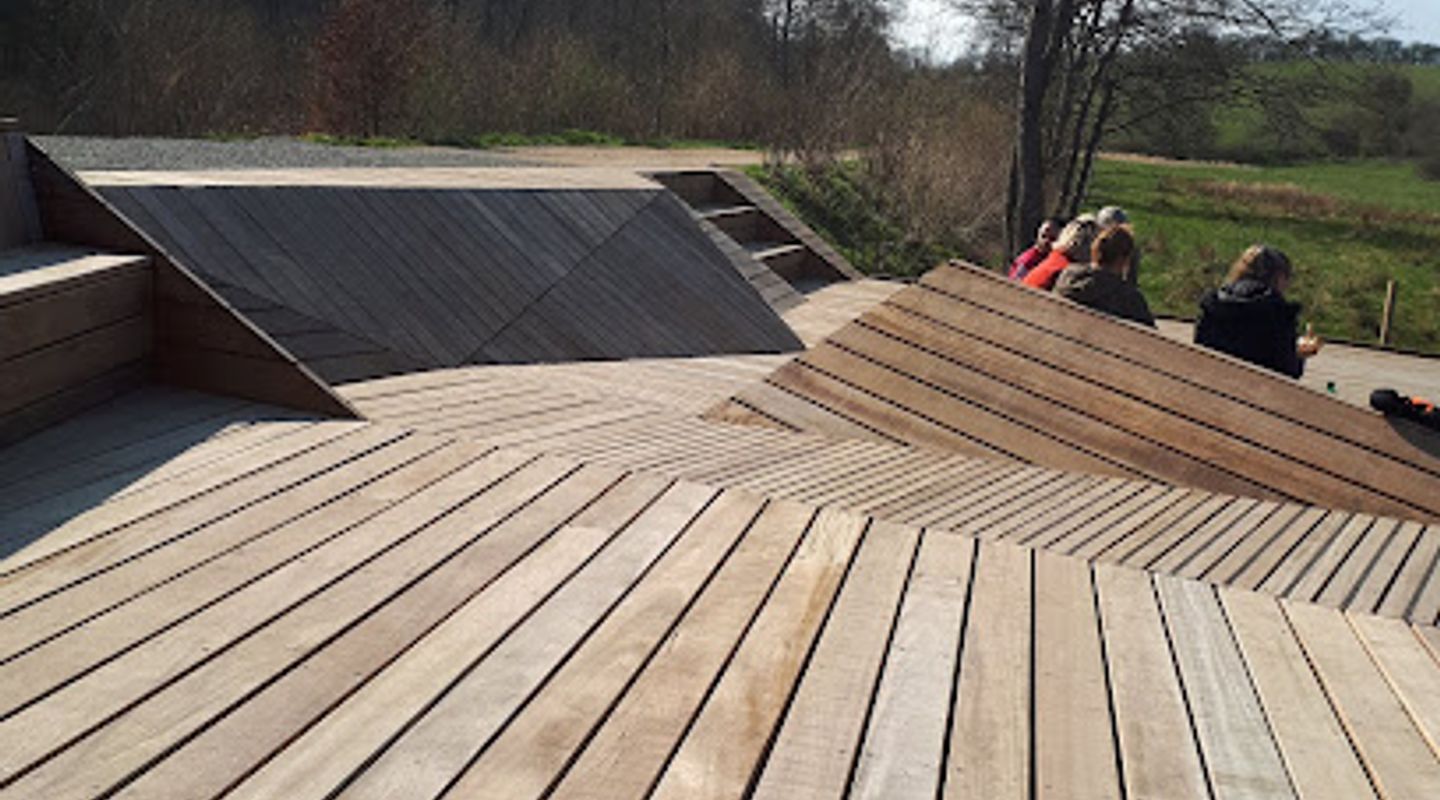
Skovterrassen is a wooden viewing and rest terrace tucked into Marielundskoven, the leafy forest belt on the edge of Kolding. Set beside the Troldhedestien trail and the modest Skovløberhuset shelter, it functions as a green meeting point where walkers, cyclists and families pause above the trees and forest floor. Expect birdsong, filtered light through beech and oak, and simple seating that invites a thermos coffee break rather than big-ticket thrills.
On-site amenities
 Seating areas
 Information boards
 Trash bins
Opening hours
- Every dayOpen 24 hours
Opening hours as listed on the venue’s Google Business Profile. Hours can change for services and special events, so check with the venue before you go.
- Address
- Emerholtsvej 13A, 6000 Kolding
Getting there
City bus from central Kolding
Bicycle from Kolding city center
Walking from nearby neighborhoods
Taxi from Kolding station
Discover more about Skovterrassen
A forest terrace in the heart of Marielundskoven
Skovterrassen is a quietly striking wooden deck built into the slope of Marielundskoven, part of the wider Kolding Skov green belt that wraps around the town. Raised above the forest floor and flanked by mature beech and conifer, it feels like a small balcony suspended in the woods. From here, you look out over a sea of trunks, moss, and undergrowth instead of rooftops and traffic.The terrace sits beside the modest Skovløberhuset, a simple forest shelter that underlines the area’s role as a local nature hub rather than a formal attraction. Together, house and terrace form a natural pause point where trails intersect, people meet up, and children explore while adults linger over a bench and a view.
Along the Troldhedestien trail network
Skovterrassen lies directly on Troldhedestien, a well-known route following a former railway corridor through Kolding’s woodland. The trail threads through Marielundskoven, occasionally opening onto lakes, clearings, and viewpoints, with Skovterrassen as one of its most deliberately designed rest spots. Its position makes it a convenient waypoint on longer walks or runs.Underfoot, the path surface varies from compacted gravel on the main trail to more natural forest ground if you wander off toward side paths and clearings. This mix keeps the area accessible to most walkers and cyclists while still feeling like a genuine forest, with roots, leaves, and seasonal mud never far away.
Simple design, rich woodland atmosphere
Architecturally, Skovterrassen keeps things understated. The structure relies on timber and clean lines, allowing the surroundings to dominate. Wooden railings and seating follow the contours of the slope, so you can sit facing into the forest or lean on the edge to take in the view. The materials age with the weather, gradually blending into the bark and fallen leaves.What elevates the experience is the atmosphere: in spring the forest floor brightens with fresh green, in high summer the canopy filters the sun into shifting patches of light, and in autumn copper and gold leaves surround the terrace. Even on grey days, the smell of damp soil and the sound of wind in the branches make the spot compelling.
A pause point for locals and day trippers
Skovterrassen functions as a social hinge in the forest. It is where running partners stretch and chat, families unpack snacks, and solo walkers take a quiet moment away from town. The terrace is large enough to feel communal without ever becoming rowdy, and the open design means you can choose a corner that feels more secluded if you prefer.Because it is freely accessible and open at all hours, the mood changes throughout the day. Morning brings dog walkers and commuters cutting through the woods, afternoons see more families and cyclists, and on long summer evenings the terrace becomes a peaceful lookout, with the forest gradually darkening and birds calling as they settle for the night.
Seasonal character and practical details
The terrace can be visited in all seasons, but each brings different practical considerations. In winter, low sun and bare branches create long views through the trees, while frost or snow can make surfaces slippery and the air sharply cold. In summer and early autumn, it is wise to bring water, insect repellent, and perhaps a light layer for when you stop moving.Facilities around the terrace are intentionally limited, reinforcing the sense of being in nature rather than a park with full services. Benches and informal seating on the terrace provide comfort, but visitors generally bring their own drinks or snacks. Litter should be packed out to keep the woods clean, and staying on established paths helps protect the forest floor and undergrowth.
Forest stories and small discoveries
Part of Skovterrassen’s charm lies in the details you only notice when you slow down. Look closely at the trunks and you may spot fungi, mosses, and climbing plants; listen patiently and you will often hear woodpeckers, songbirds, and rustling small animals in the undergrowth. Fallen branches and logs nearby become impromptu balance beams for children and informal seating for groups.The terrace also acts as a gentle gateway to exploring more of Kolding Skov and Marielundssøen, which lies further along the forest. Many visitors use it as a decision point: end the outing here, or continue deeper along Troldhedestien for a longer immersion in the woods. Either way, Skovterrassen offers a moment of stillness where the town feels pleasantly distant, even though it is only a short journey away.
Evendo Review Centre
 Google
Guest reviews
Best time to go
Quietest: Jan, Feb & Nov · before 6am or from 9pm
Busy times are Evendo estimates for a typical year, to help you plan. Actual crowds vary with events, school holidays and the weather.
Explore Skovterrassen on the map
A handpicked selection of must-see spots near Skovterrassen, mapped for you.
Get your free copy of our complete guide to Skovterrassen, delivered straight to you.
Everything on this page, from opening hours and how to get there to Eve’s tips and the best time to go, in one PDF you can read offline, print or share.
Already have an account? Sign in
Your Skovterrassen guide is ready.
We'll send it to · Not you? Sign out

Getting your guide ready…
We are putting together a fresh copy of the Skovterrassen guide. This can take up to a minute.
This can take a few moments. If your browser asks, choose Allow so the download can start. You'll find the guide in your Downloads folder.
Nothing happened? Download it again
Sorry, the guide is taking longer than usual. Please try again in a minute, or get it by email instead.
Other nearby places you may find interesting
The closest places of the same kind, if this one is not quite what you had in mind.
-
-
-
-
-


Swipe for more places
More to explore near Skovterrassen

 Best experiences near Skovterrassen
 Best hotels near Skovterrassen
 Best landmarks near Skovterrassen
 Best attractions near Skovterrassen
 Best shops near Skovterrassen
 Best restaurants near Skovterrassen
 Best bars near Skovterrassen
Do you manage this location?
Take control to get all the benefits, like improved information, better appearance, and stronger visibility across AI-powered discovery.
Explore more

Explore more of Kolding
Discover Kolding, Denmark's blend of historical charm, natural beauty, and vibrant art scene, making it a must-visit destination for travelers seeking a unique experience.
Explore Kolding
Explore more of Denmark
Discover Denmark: A perfect blend of history, modern design, and the cozy concept of hygge. Explore vibrant cities, serene landscapes, and world-class cuisine.
Explore Denmark