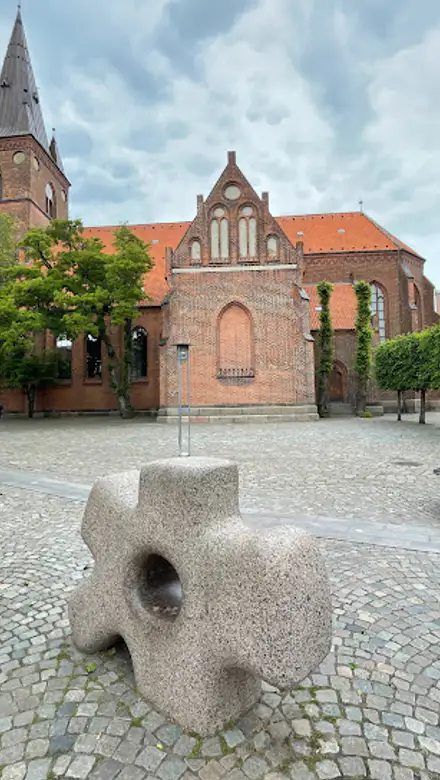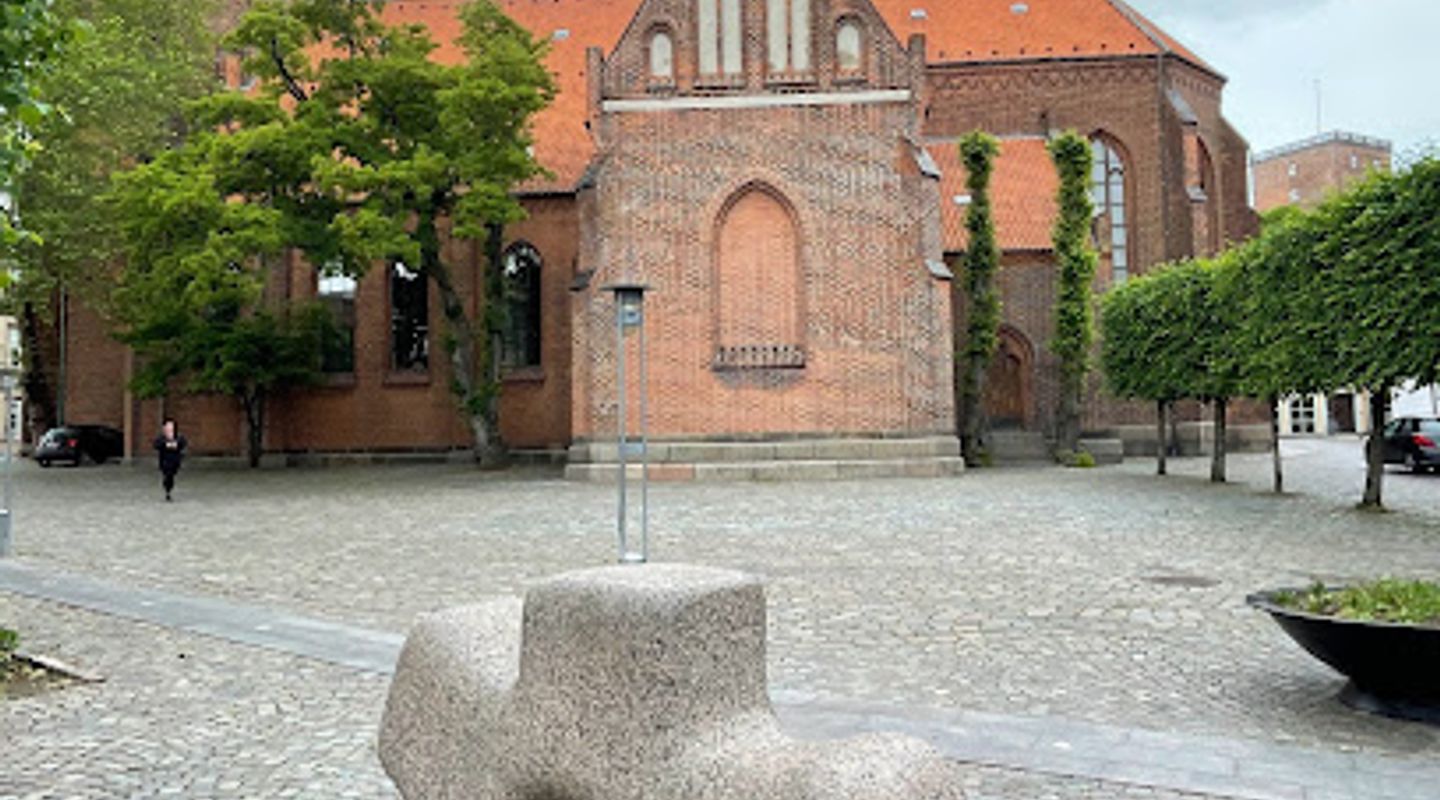
Saint Nicolas Church, Kolding Travel Guide
Kolding’s oldest church, where medieval roots, Renaissance artistry, and daily parish life meet under a red-brick neo‑Gothic tower.
Sankt Nicolai Church is Kolding’s oldest church, with roots around 1250 and a striking red-brick exterior shaped by a major 19th-century restoration. Step inside to discover a richly carved late Renaissance altarpiece and pulpit linked to Koldinghus castle, a sandstone font from the early 1600s, evocative epitaphs and headstones, vivid mid‑20th‑century stained-glass windows, and the resonant sound of a 57‑stop Marcussen organ and a 48‑bell carillon. Set on Nicolaiplads in the compact city center, it offers a quiet, atmospheric pause amid centuries of Danish history and everyday parish life.
A brief summary to Saint Nicolas Church
- Nicolaiplads 3, Kolding, 6000, DK
- Click to display
- Click to display
- Duration: 0.5 to 1.5 hours
- Free
-
 Indoor
- Mobile reception: 4 out of 5
- Monday 9 am-2 pm
- Tuesday 9 am-2 pm
- Wednesday 9 am-2 pm
- Thursday 11 am-5 pm
- Friday 9 am-1 pm

Know before you go
Hi, I'm Eve. Here are a few practical things to know before exploring Saint Nicolas Church.
- Plan your visit on a weekday late morning or early afternoon, when the church is most often open for quiet viewing of the interior.
- Take time to study the late Renaissance altarpiece and pulpit; many visitors overlook the fine carved details and inscriptions linked to Koldinghus.
- Pause by the baptismal font and nearby epitaphs to trace names and dates; they reveal layers of Kolding’s civic and noble history.
- Step outside and circle the church to appreciate the 19th‑century brickwork and tower from different angles on Nicolaiplads.
- If you are sensitive to sound, check service and event times in advance; organ recitals and bell chimes can be impressively loud inside.
Do you manage this location?
Take control to get all the benefits, like improved information, better appearance, and stronger visibility across AI-powered discovery. Learn more about listing your business on Evendo
Activate your presenceOther nearby places you may find interesting
The closest places of the same kind, if this one is not quite what you had in mind.
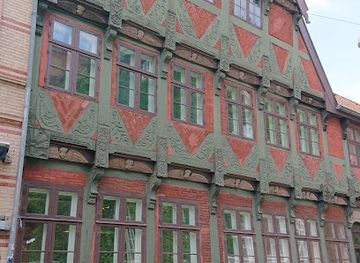
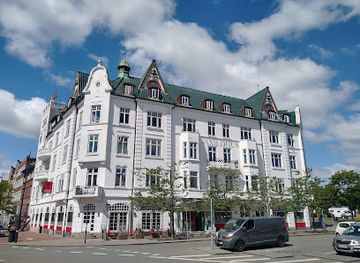
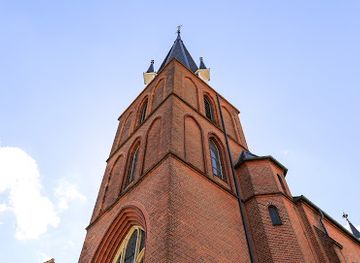
Explore Saint Nicolas Church on the Map
A handpicked selection of must-see spots near Saint Nicolas Church, mapped for you.
Getting There
-
On foot from central Kolding
From the main shopping streets and central squares of Kolding, allow around 5–10 minutes on foot to reach Nicolaiplads, where Sankt Nicolai Church stands. The route is flat, paved, and suitable for wheelchairs and strollers, though cobblestones close to the church can be slightly uneven in wet or icy weather. Walking is the most convenient option within the compact city center and avoids navigating one‑way streets by car.
-
Local bus within Kolding
City buses running through Kolding’s center typically stop within a short walk of Nicolaiplads, with travel times of about 5–15 minutes from most residential districts. A single adult ticket within the local zone generally costs in the range of 20–30 DKK, with services running more frequently on weekdays and reduced timetables in evenings and on weekends. Check accessibility if you use a wheelchair, as low‑floor buses are common but not universal.
-
From Kolding Station by bus or taxi
From Kolding’s main railway station, local buses to the central area take roughly 5–10 minutes, with tickets usually costing around 20–30 DKK for a short city journey. Taxis waiting outside the station cover the distance in about 5 minutes, with typical fares in the range of 80–140 DKK depending on time of day and traffic. Both options drop you within a few minutes’ walk of the church, and there is no need for long uphill walks.
-
By car from the wider Trekantområdet
Arriving by car from nearby towns in the Triangle Region, driving times to central Kolding are often 20–40 minutes via regional roads and motorways. Public parking areas are available in and around the city center, usually paid during weekday daytimes and Saturdays with hourly rates commonly between 10 and 25 DKK depending on the zone. Spaces can be limited at busy times, so allow extra time to park and walk a few minutes through the compact streets to the church.
For the on-the-go comforts that matter to you
-
 Restrooms
-
 Seating Areas
-
 Information Boards
Discover more about Saint Nicolas Church
Centuries of Faith in the Heart of Kolding
Sankt Nicolai Church stands on Nicolaiplads as Kolding’s oldest church, with origins dating back to around 1250. Only fragments of the medieval fabric remain, but the site has anchored religious life here for more than seven centuries. For centuries it was simply known as Kolding Church, only taking the name of Saint Nicholas in the 20th century when a new parish church was built elsewhere in town.The building you see today is the product of many phases. A thorough Baroque rebuilding in the 1750s reshaped the interior, while a major 19th‑century restoration in the 1880s gave the church its present neo‑Gothic red‑brick exterior and distinctive tower, now a familiar landmark on Kolding’s skyline.Historic Interior Rich with Detail
Inside, Sankt Nicolai is anything but plain. The focal point is a richly carved Renaissance altarpiece from the late 16th century, donated by Caspar Markdanner, the royal vassal of nearby Koldinghus. Inspired by contemporary Dutch engravings, its tiers of figures and ornament reward close inspection and link the church directly to Denmark’s noble past.Across the nave, the dark wooden pulpit, also from 1591, bears Markdanner’s coat of arms and the motto initials “G.M.B.”, an abbreviation of “Gott mein Beistand.” Together with the medieval choir stalls and an array of carved details, these fixtures create a sense of continuity between the church’s late medieval Catholic roots and its later Lutheran identity.Stone, Glass, and Memorials
Near the chancel stands the sandstone baptismal font, added in the early 17th century and decorated with symbols of the four evangelists. Suspended above it is an ornate canopy carved a couple of decades later, drawing the eye upward and framing one of the church’s most important ritual spaces.Embedded in the floors and walls you will notice epitaphs and gravestones commemorating prominent local families, merchants, and clergy. Their inscriptions and heraldic shields speak of lives lived in close connection to the church and offer a stone record of Kolding’s social history over the centuries.Light, Sound, and Postwar Renewal
The church’s stained-glass windows in the choir are relatively recent, created in the years after the Second World War by artist Kræsten Iversen. They were installed around 1950 as part of a major anniversary and bring strong color and symbolic scenes into the otherwise pale interior, transforming the quality of light on bright days.Music also plays a central role in the atmosphere. A substantial organ, built in the 1970s by renowned Danish firm Marcussen & Søn, fills the nave with sound during services and concerts. Up in the tower, a carillon of dozens of bells rings out several times a day, its melodies marking the hours and echoing across the city center.Visiting Today: Still a Living Parish
Although steeped in history, Sankt Nicolai remains an active Lutheran parish church. On weekdays the doors are typically open, inviting quiet reflection, candle lighting, or simple architectural appreciation between errands in town. Leaflets in multiple languages explain key artworks and features for independent exploration.The church’s location on Nicolaiplads makes it easy to combine a visit with nearby cultural sights and shopping streets. Whether you stay briefly to admire the craftsmanship or linger longer to listen for the bells and organ, the building offers a calm, characterful glimpse into Kolding’s past and present.












Your all‑in‑one travel companion app
Explore expert travel guides, compare and book tours, experiences, hotels, and more—all from the palm of your hand. Download now for seamless trip planning wherever your wanderlust takes you.


Explore More of Kolding
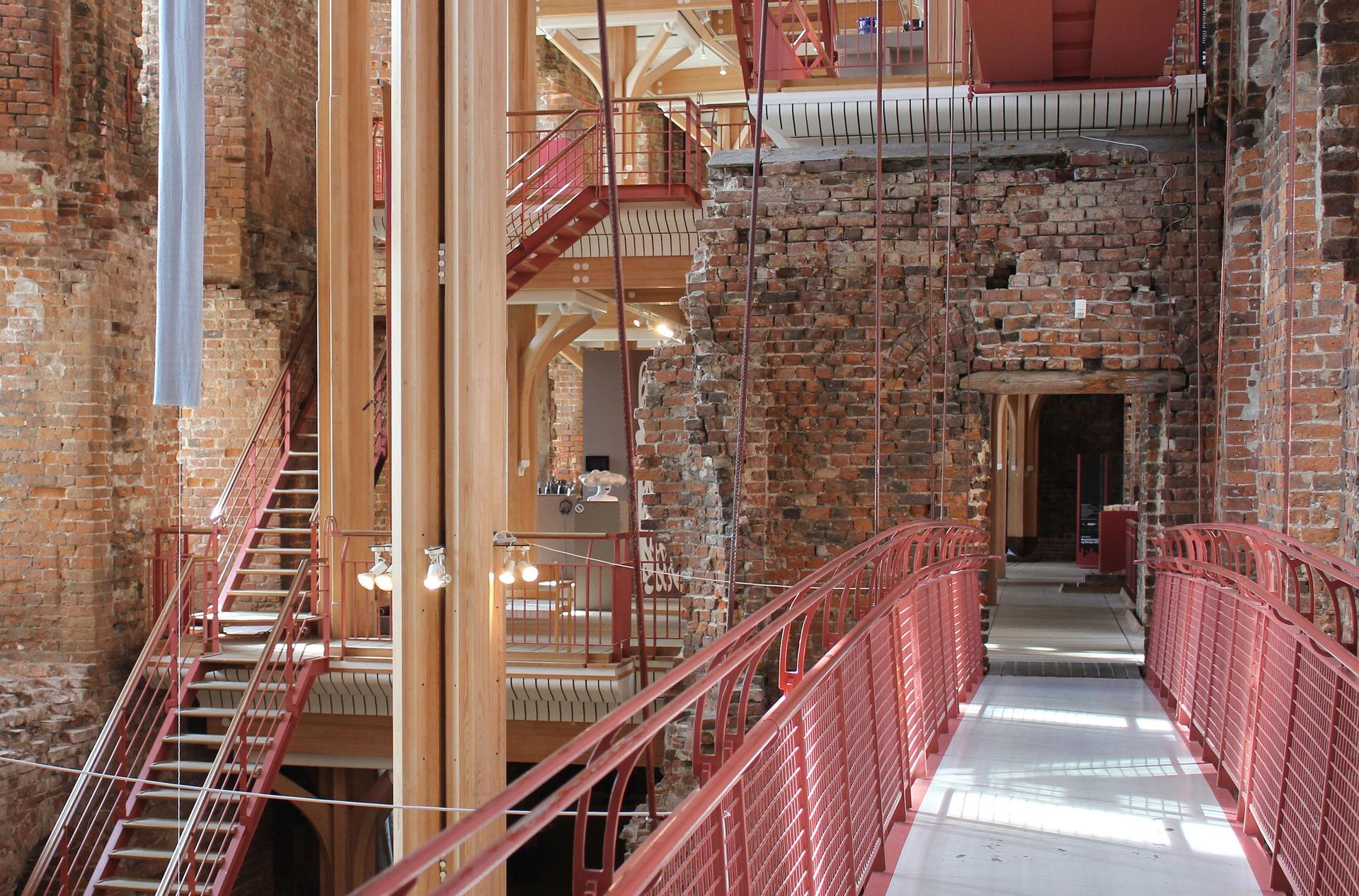
Looking beyond Saint Nicolas Church? Discover Kolding for broader travel guides, local hot-spots, and regional highlights.
Explore Kolding
A slender oak column on Ribe’s riverfront, Stormflodssøjlen turns historic storm surges into visible rings, telling a powerful story of sea, danger and resilience.
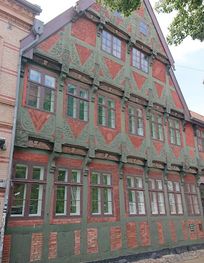
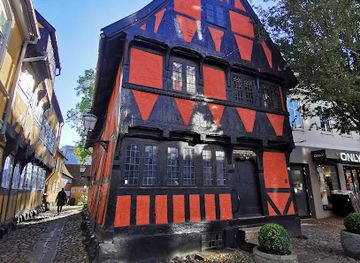
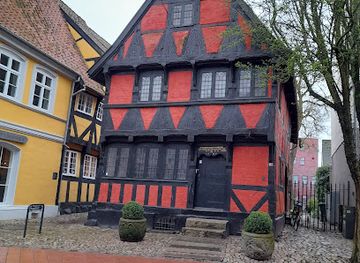
A vividly painted Renaissance townhouse from 1595, Borchs Gård brings Kolding’s mercantile past to life on the edge of lively Akseltorv square.