Roslev Mølle Travel Guide
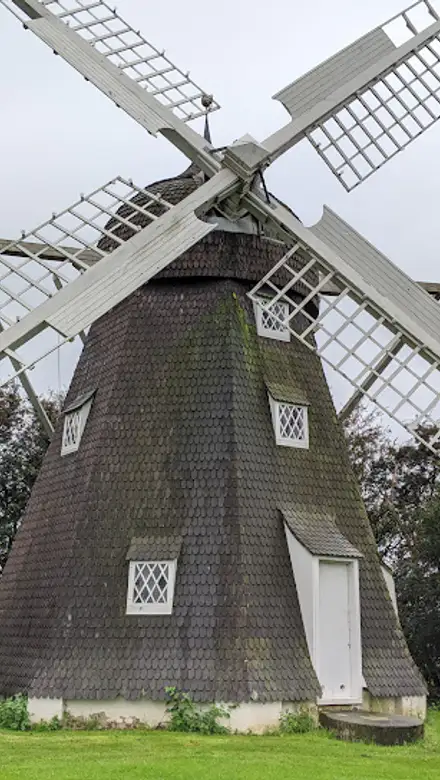
Free Guide: A classic Danish countryside windmill rising above the fields of Salling, recalling the days when wind and grain shaped everyday life in Roslev.


A brief summary of Roslev Mølle
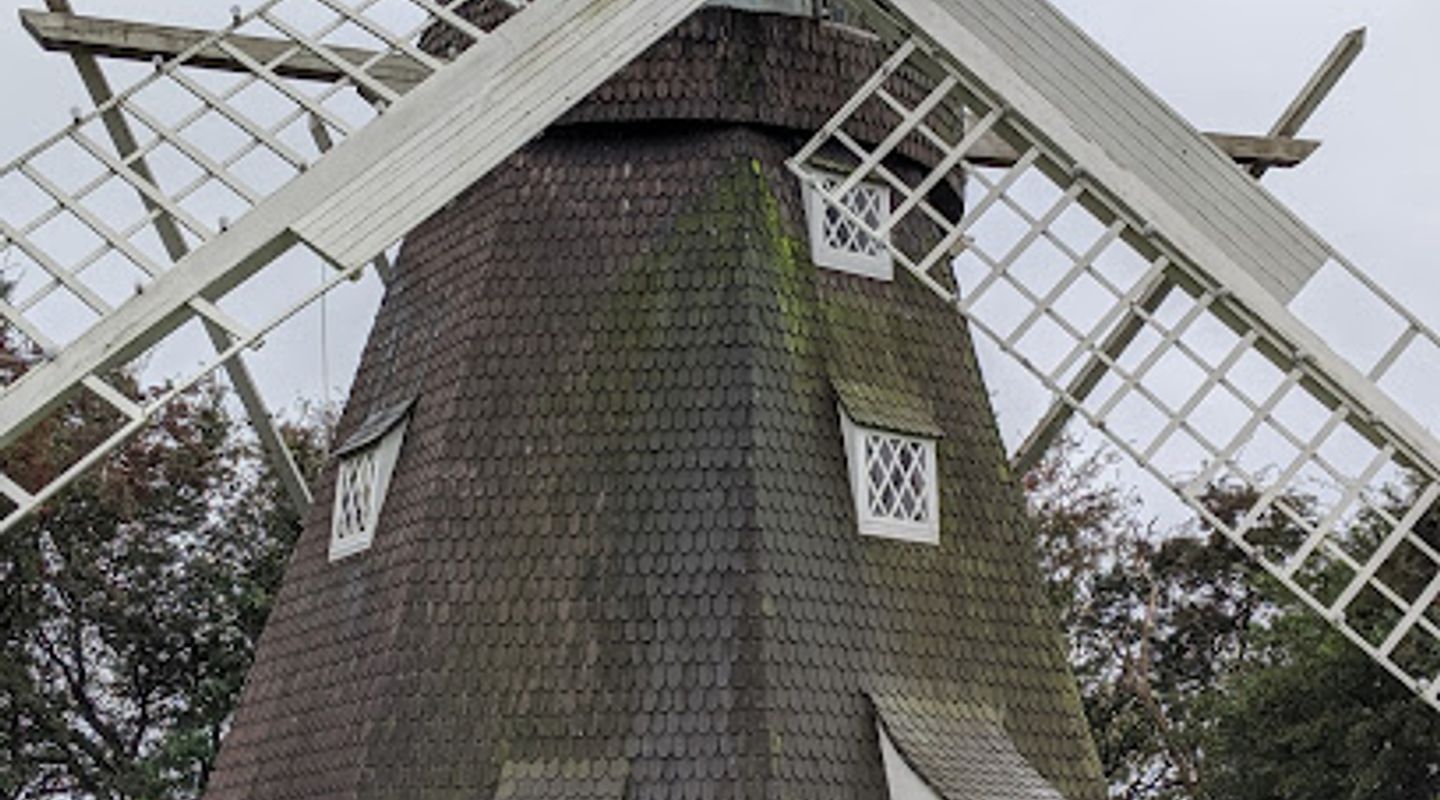
A classic Danish countryside windmill rising above the fields of Salling, recalling the days when wind and grain shaped everyday life in Roslev.
Roslev Mølle is a beautifully restored historic windmill set amid gentle farmland just outside the small town of Roslev in northwest Jutland. The classic white body and dark cap rise above the fields, recalling the era when wind power drove local grain production. Visitors can admire the traditional Danish mill architecture, walk around the base to see its timber details and sails, and enjoy wide rural views that change with the seasons, from golden crops to muted winter fields.
On-site amenities
 Trash bins
- Address
- Sallingsundvej 63A, 7870 Roslev
Getting there
Car from Skive
Local bus and short walk from Roslev
Bicycle on Salling back roads
Discover more about Roslev Mølle
A countryside landmark above the fields
Roslev Mølle stands on a low rise beside the road on the Salling Peninsula, its sails and conical cap a familiar silhouette against the big Jutland sky. Surrounded by open farmland, the mill feels both modest in scale and dominant in the landscape, a reminder of how such structures once served as vital beacons for nearby villages. As you approach, the contrast between the whitewashed tower and the dark wooden gallery and cap becomes more striking, especially on a clear day when the light shifts across the plastered surfaces.The setting is inherently rural: tractors pass on nearby roads, hedgerows shelter singing birds, and the wind that once powered the mill still sweeps across the fields. Even without going inside, standing at the base gives you a sense of how carefully these buildings were positioned to catch the breeze while remaining close to the grain-growing farms they served.
Crafted engineering and traditional design
Closer inspection reveals the craftsmanship that went into Roslev Mølle’s design. The stout masonry base tapers as it rises, creating a stable yet elegant form. A wooden gallery encircles the upper section, from which millers once adjusted the sails and monitored the weather. The cap, designed to turn so that the sails faced the wind, crowns the structure like a dark helmet. Bolts, braces and timber joints speak to a time when engineering relied on wood, iron and a deep understanding of wind and load.The sails themselves, when mounted, illustrate how large surfaces could be controlled with relatively simple mechanisms. Openings and hatches around the tower hint at the gears and millstones that once filled the interior. Even if access is limited during much of the year, imagining the creak of wooden gearwheels and the steady rumble of grinding stone brings the building to life.
Life and work in a milling community
Although today the area is quiet, Roslev Mølle evokes the bustle that once surrounded a working mill. Farmers would have arrived with wagons of grain, waiting their turn while chatting about weather and harvest prospects. For local households, flour from mills like this underpinned daily bread and festive baking alike, making the mill a subtle but central player in community life.Windmills in rural Denmark also marked time: the turning of the sails could be seen from afar, signaling that work was underway and that the winds were favorable. On still days the immobile wings signaled calm, while stronger gusts might keep the mill working from early morning until fading light. Roslev Mølle, preserved as a visible landmark, keeps that rhythm in memory even if the machinery no longer runs.
A quiet pause on the Salling Peninsula
For modern visitors, Roslev Mølle offers a short but atmospheric stop on journeys through the Salling countryside. The open surroundings make it an appealing place to stretch your legs, frame a few photographs of classic Danish rural scenery, or simply stand and listen to the wind. The nearby road ensures the mill never feels completely remote, yet step a few paces away and you are immersed in the muted sounds of fields and passing clouds.Beach-lined fjords, farmsteads and gentle hills lie within easy reach, so the mill naturally fits into a broader day exploring this part of Jutland. Whether you stay only a few minutes or linger to watch the changing light at dusk, Roslev Mølle serves as a small but memorable touchpoint with Denmark’s agricultural past.
Seasons, light and photographic moments
Roslev Mølle rewards repeat visits across the seasons. In summer, green or golden crops provide a soft, textured carpet around the base, while long evenings bathe the sails in warm light. Autumn can bring dramatic skies and lively winds that underscore the building’s original purpose. Winter strips the scene back to bones: bare trees, pale fields and the stark geometry of the tower itself.Photographers will find simple yet strong compositions in the curve of the gallery, the angle of the sails and the distances across the surrounding countryside. Subtle details—the weathering of wood, the pattern of old brickwork, the interplay of shadows on the white walls—add to the visual appeal. Even a brief stop can yield images that capture the essence of rural Denmark.
Evendo Review Centre
 Google
Guest reviews
Best time to go
Quietest: Jan, Feb & Mar · before 8am or at 7pm
Busy times are Evendo estimates for a typical year, to help you plan. Actual crowds vary with events, school holidays and the weather.
Explore Roslev Mølle on the map
A handpicked selection of must-see spots near Roslev Mølle, mapped for you.
Get your free copy of our complete guide to Roslev Mølle, delivered straight to you.
Everything on this page, from opening hours and how to get there to Eve’s tips and the best time to go, in one PDF you can read offline, print or share.
Already have an account? Sign in
Your Roslev Mølle guide is ready.
We'll send it to · Not you? Sign out

Getting your guide ready…
We are putting together a fresh copy of the Roslev Mølle guide. This can take up to a minute.
This can take a few moments. If your browser asks, choose Allow so the download can start. You'll find the guide in your Downloads folder.
Nothing happened? Download it again
Sorry, the guide is taking longer than usual. Please try again in a minute, or get it by email instead.
Other nearby places you may find interesting
The closest places of the same kind, if this one is not quite what you had in mind.
-
-
-
-
-


Swipe for more places
More to explore near Roslev Mølle

 Best experiences near Roslev Mølle
 Best hotels near Roslev Mølle
 Best landmarks near Roslev Mølle
 Best attractions near Roslev Mølle
 Best shops near Roslev Mølle
 Best restaurants near Roslev Mølle
 Best bars near Roslev Mølle
Do you manage this location?
Take control to get all the benefits, like improved information, better appearance, and stronger visibility across AI-powered discovery.
Explore more
Explore more of Limfjord
Discover Limfjord in Denmark: A serene waterway offering a blend of nature, culture, and history with charming villages, Viking sites, and vibrant arts scenes.
Explore Limfjord
Explore more of Denmark
Discover Denmark: A perfect blend of history, modern design, and the cozy concept of hygge. Explore vibrant cities, serene landscapes, and world-class cuisine.
Explore Denmark