Østerspigen Travel Guide
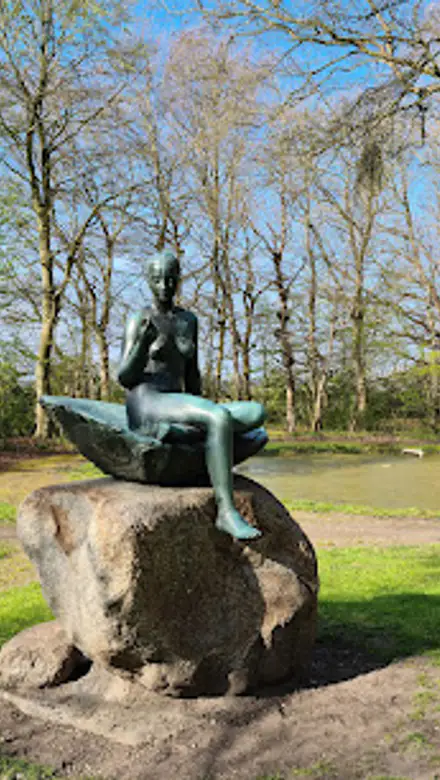
Free Guide: Graceful bronze statue at Stadion Allé, honoring Nykøbing Mors’ centuries-old oyster heritage and the island’s enduring bond with the Limfjord.


A brief summary of Østerspigen
Graceful bronze statue at Stadion Allé, honoring Nykøbing Mors’ centuries-old oyster heritage and the island’s enduring bond with the Limfjord.
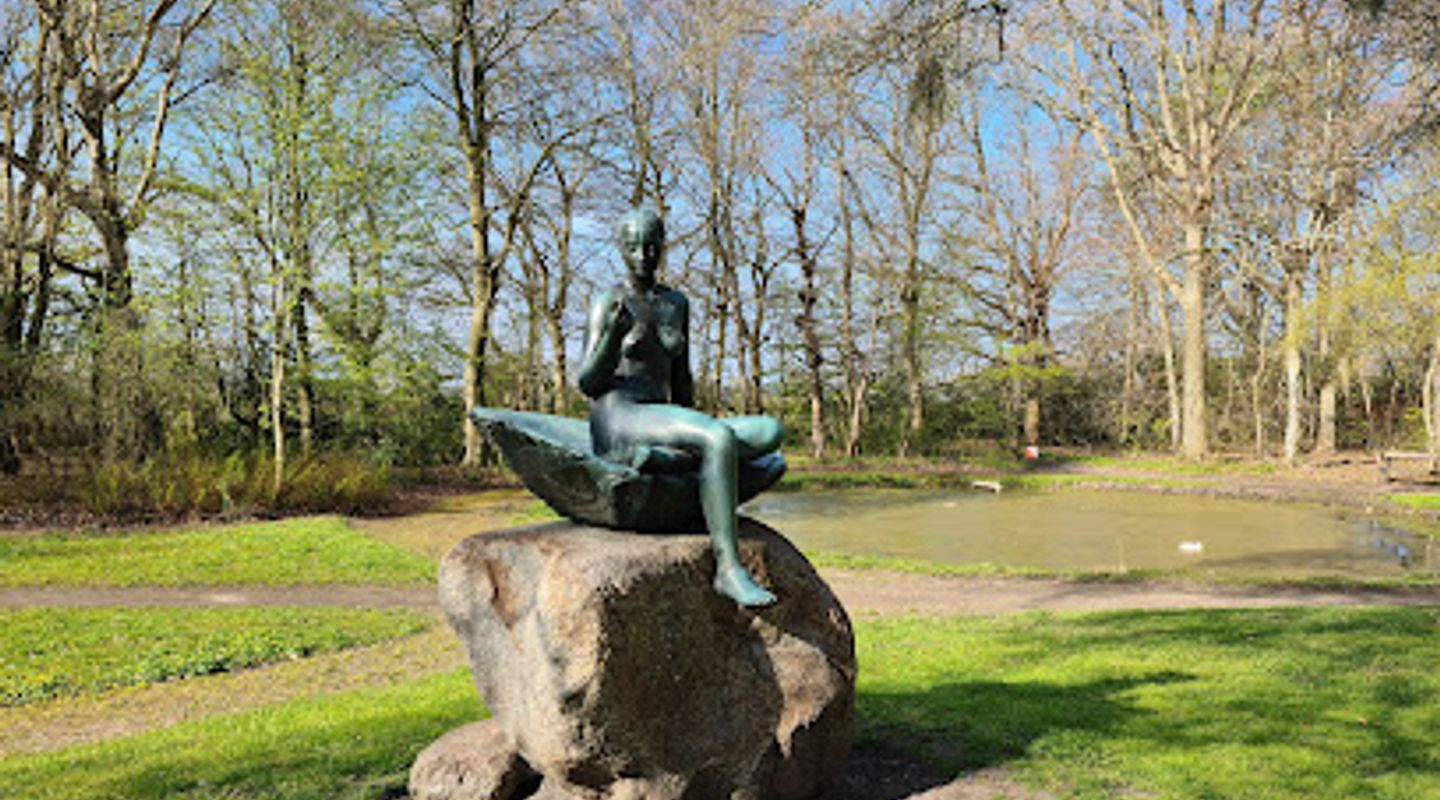
Østerspigen is an elegant bronze statue in Nykøbing Mors, celebrating the island’s deep-rooted oyster heritage and close relationship with the Limfjord. Created in 1949 by sculptor Trine Dreyer as a gift from the local oyster company for the town’s 650th anniversary, the figure of a young woman presenting an oyster has become a quiet icon of Mors. Set in a green recreational area by community sports grounds, it offers a reflective pause where everyday life and maritime history meet.
On-site amenities
 Seating areas
 Trash bins
 Information boards
Opening hours
- Every dayOpen 24 hours
Opening hours as listed on the venue’s Google Business Profile. Hours can change for services and special events, so check with the venue before you go.
- Address
- Stadion Alle 8, 7900 Nykøbing Mors
Getting there
Walking from central Nykøbing Mors
Local and regional bus within Mors
Driving within the Limfjord region
Discover more about Østerspigen
A bronze tribute to Limfjord’s oyster culture
Østerspigen, literally “The Oyster Girl,” is a bronze statue that distills the essence of Mors’ relationship with the Limfjord into a single graceful figure. Cast in 1949 by Danish sculptor Trine Dreyer, the work depicts a young woman poised with an open oyster shell, inviting you to consider the sea’s bounty that has sustained generations in this part of Denmark. Her gesture is both offering and celebration, a quiet salute to the work that took place on the water and along the shore.Commissioned by the local oyster company as a gift to mark Nykøbing Mors’ 650th anniversary, the statue links commercial history and civic pride. It stands not as a grand monument but as an approachable, human-scale figure, making the town’s maritime heritage feel personal rather than distant.
From anniversary gift to local symbol
When Østerspigen was unveiled, it symbolised a moment of optimism after the upheavals of the early 20th century. Oysters from the Limfjord had helped carry the town’s name far beyond Denmark’s borders, and the statue gave that success a face. Over time, it has evolved into an unofficial emblem of Nykøbing Mors, appearing in local imagery and serving as a visual shorthand for the island’s connection to the sea.The sculptor’s choice of a young woman is significant. Instead of depicting fishermen or boats, Dreyer focused on the act of presentation, underlining how raw resources are transformed into shared experiences. Standing before the figure today, it is easy to imagine the long chain from oyster beds to market tables, and how closely the town’s fortunes were tied to this delicate shellfish.
A calm corner beside fields and sports grounds
Located at Stadion Allé, Østerspigen stands near community sports facilities and open green spaces, a setting that blends everyday life with moments of reflection. The surroundings are informal: lawns, trees, and recreational areas where locals pass by on their way to matches, walks, or picnics. This casual backdrop makes the statue feel woven into the town’s daily rhythms rather than set apart.Benches and small seating spots nearby offer a place to pause, watch activity around the stadium, and consider the figure in changing light. In soft evening sun, the bronze surface picks up warm tones, while on overcast days its patina feels more subdued and introspective. The modest scale of the work invites you to move closer, noticing details like the curve of the shell and the calm focus in the girl’s expression.
Reading the details in metal and posture
Take time to study how Dreyer modelled the figure: the slightly forward lean of the torso, the careful balance between strength and grace in the arms, and the way the oyster shell forms a small focal point at the centre. The composition draws the eye upward from the base to the hands, then to the face, suggesting a narrative of offering something precious.The bronze’s weathered surface tells its own story. Decades of wind, rain, and seasonal shifts have subtly altered the colour, adding depth and character. These traces of time echo the long history of oyster harvesting in the Limfjord, where natural cycles and human labour have always been tightly intertwined.
Seasonal moods and local stories
Østerspigen’s meaning deepens if you visit during the oyster season, when events and tastings around Mors highlight the enduring importance of the shellfish industry. Even outside festival periods, the statue serves as a quiet reminder of that heritage, especially on cool autumn days when the air carries a hint of the nearby fjord.In summer, the area around Stadion Allé feels lighter and more playful, with children, cyclists, and sports teams moving past the statue. In winter, frost and low light can give the figure a more contemplative air, emphasising its role as a steadfast witness to changing times. Throughout the year, Østerspigen remains a compact but evocative stop for anyone interested in how art, local identity, and maritime history intersect on Mors.
Evendo Review Centre
 Google
Guest reviews
Best time to go
Quietest: Jan, Feb & Mar · before 8am or at 9pm
Busy times are Evendo estimates for a typical year, to help you plan. Actual crowds vary with events, school holidays and the weather.
Explore Østerspigen on the map
A handpicked selection of must-see spots near Østerspigen, mapped for you.
Get your free copy of our complete guide to Østerspigen, delivered straight to you.
Everything on this page, from opening hours and how to get there to Eve’s tips and the best time to go, in one PDF you can read offline, print or share.
Already have an account? Sign in
Your Østerspigen guide is ready.
We'll send it to · Not you? Sign out

Getting your guide ready…
We are putting together a fresh copy of the Østerspigen guide. This can take up to a minute.
This can take a few moments. If your browser asks, choose Allow so the download can start. You'll find the guide in your Downloads folder.
Nothing happened? Download it again
Sorry, the guide is taking longer than usual. Please try again in a minute, or get it by email instead.
Other nearby places you may find interesting
The closest places of the same kind, if this one is not quite what you had in mind.
-
-
-
-
-


Swipe for more places
More to explore near Østerspigen

 Best experiences near Østerspigen
 Best hotels near Østerspigen
 Best landmarks near Østerspigen
 Best attractions near Østerspigen
 Best shops near Østerspigen
 Best restaurants near Østerspigen
 Best bars near Østerspigen
Do you manage this location?
Take control to get all the benefits, like improved information, better appearance, and stronger visibility across AI-powered discovery.
Explore more
Explore more of Limfjord
Discover Limfjord in Denmark: A serene waterway offering a blend of nature, culture, and history with charming villages, Viking sites, and vibrant arts scenes.
Explore Limfjord
Explore more of Denmark
Discover Denmark: A perfect blend of history, modern design, and the cozy concept of hygge. Explore vibrant cities, serene landscapes, and world-class cuisine.
Explore Denmark