Glyngøre Kulturstation Travel Guide
Free Guide: Local history, Limfjord stories and creative exhibitions brought together in Glyngøre’s atmospheric former railway station.


A brief summary of Glyngøre Kulturstation
Local history, Limfjord stories and creative exhibitions brought together in Glyngøre’s atmospheric former railway station.
Set in Glyngøre’s former railway station, Glyngøre Kulturstation is a small, characterful museum devoted to the life of the Limfjord. Exhibitions trace how the fjord has shaped local history, from fishing and railway trade to modern-day coastal living. Rotating seasonal displays, intimate galleries and a strong sense of place make this a rewarding cultural stop, especially when paired with a stroll around the harbour and waterfront village.
On-site amenities
 Restrooms
 Seating areas
 Information boards
Opening hours
- Every day11 am–3 pm
Opening hours as listed on the venue’s Google Business Profile. Hours can change for services and special events, so check with the venue before you go.
- Address
- Museumstorvet 7, Glyngøre, 7870 Roslev
- Phone
- Website
Getting there
Regional bus from Skive
Car from Skive and central Jutland
Cycling within the Limfjord area
Discover more about Glyngøre Kulturstation
From Railway Hub to Cultural Meeting Point
Glyngøre Kulturstation occupies the atmospheric red-brick buildings of Glyngøre’s old railway station, once a vital link between the fishing village and the wider Jutland region. Inside, the original station layout still guides your movement: former waiting rooms, ticket offices and freight areas have been transformed into intimate exhibition spaces. Timber details, old doors and high windows quietly recall the days when trains and ferries connected this outpost on the Limfjord with the rest of Denmark.The museum keeps that sense of connection alive, not through rolling stock but through stories. Photographs, artefacts and reconstructed interiors explore how the railway and ferry links changed everyday life here, from trade and tourism to the rhythm of work at the harbour. The result feels less like a grand institution and more like being invited into the collective memory of a coastal community.
Stories Shaped by the Limfjord
At the heart of Glyngøre Kulturstation is the Limfjord itself. Exhibitions focus on how this broad, shallow sound has influenced settlement, livelihoods and culture around Glyngøre over centuries. Displays on fishing show nets, tools and processing equipment, capturing the gritty, practical side of life on and by the water. Panels and models explain how currents, tides and shifting channels have affected navigation and trade.Alongside the working history, there is an eye for everyday human detail: family photographs, domestic objects and snippets of personal recollections give texture to the broader narrative. You gain a sense of how the fjord permeated everything from diet and housing to leisure time and local identity. This is local history on a human scale, anchored firmly in its landscape.
Seasonal Exhibitions and Creative Projects
Glyngøre Kulturstation works with a seasonal rhythm. The museum’s main exhibition season begins around the midsummer Sankt Hans celebrations, when a new annual exhibition is launched, and continues through the summer months. Outside these periods, the buildings open for specific events, workshops and cultural evenings, giving the place a dynamic, project-based feel.Programming often includes art shows, thematic displays about the Limfjord region and creative activities such as drawing or craft workshops tied to local motifs like flowers, boats or coastal scenery. This blend of history and contemporary creativity reinforces the museum’s role as a living cultural station rather than a purely retrospective display.
Experiencing the Museum on a Visit
A visit here is typically compact but rewarding. The rooms are small and easy to navigate, with text and objects arranged so you can dip in briefly or linger over particular stories. It is a comfortable stop for families, couples or solo travellers looking for context after exploring Glyngøre harbour or the nearby shore.The atmosphere is relaxed and unhurried, with time to study old photographs or examine model boats without feeling rushed. On days with special events or openings, the museum takes on a more lively character, with conversations in Danish and sometimes English mingling in the former station halls.
A Coastal Stop in the Limfjord Landscape
The station’s location adds to its appeal. Step outside and you are a short walk from the waterfront, where views open across the Sallingsund towards the island of Mors. The contrast between the sturdy, land-bound station buildings and the ever-changing waterline encapsulates the story the museum tells: a community balanced between land-based infrastructure and the open fjord.Combined with a walk along the harbour or a break at one of the local eateries, Glyngøre Kulturstation fits naturally into a half-day exploration of this corner of the Limfjord. It offers perspective on the boats, bridges and shorelines you see outside, enriching what might otherwise be just a scenic stop with a deeper understanding of place.
Practical Notes for Planning
Glyngøre Kulturstation is a small museum with modest admission fees that help support exhibitions and activities. Opening hours are seasonal and centred on the summer months from Sankt Hans into August, with the rest of the year reserved for particular events or arrangements, so checking current schedules in advance is important.Allow around one to two hours to explore the exhibitions, depending on how closely you read display texts and whether any events are taking place. As an indoor attraction, it is a useful option on cooler or breezier Limfjord days, especially when combined with short outdoor walks between the station and harbour.
Evendo Review Centre
 Google
Guest reviews
Best time to go
Quietest: Jan, Feb & Mar · before 9am or at 5pm or at 6pm
Busy times are Evendo estimates for a typical year, to help you plan. Actual crowds vary with events, school holidays and the weather.
Explore Glyngøre Kulturstation on the map
A handpicked selection of must-see spots near Glyngøre Kulturstation, mapped for you.
Get your free copy of our complete guide to Glyngøre Kulturstation, delivered straight to you.
Everything on this page, from opening hours and how to get there to Eve’s tips and the best time to go, in one PDF you can read offline, print or share.
Already have an account? Sign in
Your Glyngøre Kulturstation guide is ready.
We'll send it to · Not you? Sign out

Getting your guide ready…
We are putting together a fresh copy of the Glyngøre Kulturstation guide. This can take up to a minute.
This can take a few moments. If your browser asks, choose Allow so the download can start. You'll find the guide in your Downloads folder.
Nothing happened? Download it again
Sorry, the guide is taking longer than usual. Please try again in a minute, or get it by email instead.
Other nearby places you may find interesting
The closest places of the same kind, if this one is not quite what you had in mind.
-
-
-
-
-


Swipe for more places
More to explore near Glyngøre Kulturstation

 Best experiences near Glyngøre Kulturstation
 Best hotels near Glyngøre Kulturstation
 Best landmarks near Glyngøre Kulturstation
 Best attractions near Glyngøre Kulturstation
 Best shops near Glyngøre Kulturstation
 Best restaurants near Glyngøre Kulturstation
 Best bars near Glyngøre Kulturstation
Do you manage this location?
Take control to get all the benefits, like improved information, better appearance, and stronger visibility across AI-powered discovery.
Explore more
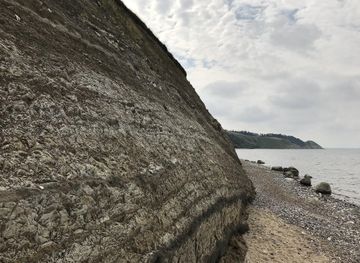
Explore more of Limfjord
Discover Limfjord in Denmark: A serene waterway offering a blend of nature, culture, and history with charming villages, Viking sites, and vibrant arts scenes.
Explore Limfjord
Explore more of Denmark
Discover Denmark: A perfect blend of history, modern design, and the cozy concept of hygge. Explore vibrant cities, serene landscapes, and world-class cuisine.
Explore Denmark