

Hald Manor
Five centuries of Danish history and architecture nestled beside a glacial lake near Viborg.
Hald Manor is a historic 18th-century estate near Viborg, Denmark, set on the shores of Hald Lake amid rolling glacial hills. The current manor, completed in 1798, serves as a venue for conferences and houses the Danish Centre for Writers and Translators. While the main building remains closed to public access, visitors can explore extensive parklands and discover the ruins of four earlier Hald structures dating back to 1328, creating a unique open-air museum of Danish architectural and political history.
A brief summary to The Manor House of Hald
- Ravnsbjergvej 76, Viborg, 8800, DK
- +4586638410
- Visit website
- Duration: 1.5 to 4 hours
- Free
-
 Outdoor
- Mobile reception: 4 out of 5
Local tips
- Begin at the visitor centre near the parking area to understand the five Hald sites before exploring the ruins and landscape on foot.
- Wear sturdy walking shoes and allow 2–3 hours to explore the ruins, parkland, and the medieval-themed playground.
- Visit in late spring or early autumn when the glacial hills and lakeside setting are most visually striking and weather is stable.
- The ruins of the third Hald on the peninsula are the most visually dramatic; the earthworks and reconstructed tower are particularly photogenic at golden hour.
- Combine your visit with nearby attractions including Viborg Cathedral, Viborg Museum, and the Skovgaard Museum, all within 7–8 km.

For the on-the-go comforts that matter to you
- Restrooms
- Visitor Center
- Information Boards
- Picnic Areas
- Trash Bins
Getting There
-
Car from Viborg
From central Viborg, drive southwest on Ravnsbjergvej for approximately 7 km (10–12 minutes). Follow signs toward Hald Lake and Hald Hovedgaard. A dedicated parking area is provided at the manor entrance. Parking is free and accommodates standard vehicles; the road is paved and well-maintained year-round.
-
Bus from Viborg
Local bus services operate from Viborg town centre to the Hald area, though frequency varies seasonally. Journey time is approximately 20–30 minutes depending on route and stops. Check current schedules with Viborg Kommune or local transport providers, as services may be limited on weekends and public holidays. Fares are typically 25–50 DKK per journey.
-
Bicycle from Viborg
A scenic cycling route of approximately 7 km connects Viborg to Hald Manor, following regional cycle paths through the Dollerup Bakker landscape. Journey time is 25–35 minutes depending on fitness and terrain. The route is suitable for hybrid or road bikes; some sections include gentle hills. Cycle paths are well-marked and maintained.
-
Walking from Viborg
A long-distance walking route of approximately 7 km connects Viborg to Hald Manor, taking 1.5–2 hours. The path follows forest trails and regional footpaths through the Dollerup Bakker hills. The terrain includes gentle slopes and uneven ground; waterproof footwear is recommended, especially in wet seasons. The route is scenic but requires moderate fitness.
The Manor House of Hald location weather suitability
-
 Any Weather
-
 Clear Skies
-
 Mild Temperatures
Discover more about The Manor House of Hald
Seven Centuries of Danish Power and Architecture
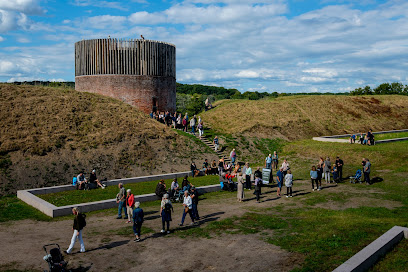
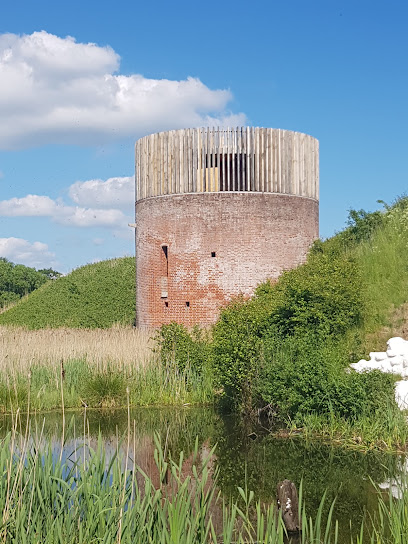
Hald Manor represents one of Denmark's most layered historical sites, with five distinct structures built across nearly 700 years. The story begins in 1328 when the estate was known as Brattingsborg, owned by Rigsmarsk Ludvig Albertsen Eberstein. In 1346, Niels Bugge acquired the property and constructed a new main building, becoming an influential figure in Danish politics before his death during peace negotiations. The estate subsequently passed to Queen Margaret I, who granted it to the Bishop Seat in Viborg in 1383, establishing its importance as a seat of ecclesiastical power. The third Hald, built in 1528 for Bishop Jørgen Friis, occupied a small peninsula extending into the lake. Its ruins, surrounded by distinctive earthworks and partly reconstructed masonry towers, remain visible today and offer tangible evidence of Renaissance-era Danish architecture. The fourth iteration, completed in 1703 for General Gregers Daa, was a four-winged half-timbered structure that has since vanished from the landscape, leaving only traces in historical records and the park's topography.The Current Manor and Its Literary Mission
The fifth and present Hald Manor was constructed in 1798 for Ove Høegh-Guldberg, a former Prime Minister who served from 1772 to 1784. The building exemplifies late 18th-century Danish neoclassical design, featuring a single-storey structure with a commanding three-storey central section flanked by two pavilions set within the surrounding parkland. Originally designed as a gatehouse, the manor's elegant proportions and strategic placement reflect the refined aesthetic sensibilities of the Danish gentry during the reign of Christian VII. Since 1999, Hald Manor has housed the Danish Centre for Writers and Translators, offering free working residencies to Danish authors, translators, and illustrators. The international H.A.L.D. program, launched in 2009, extends invitations to fiction writers from abroad to participate in collaborative literary residencies. Each guest receives a private room with desk and furnishings, while communal spaces including a dining room, fireplace study, garden room, and banquet hall foster creative exchange. The manor's well-equipped kitchen allows residents to prepare their own meals, creating an environment where writers can focus entirely on their craft.Landscape, Ruins, and the Five Halds Project
The estate encompasses 973 hectares of diverse terrain, with portions managed organically by the Danish Nature Agency and the remainder comprising forest within the Fussingø State Forest District. The surrounding landscape, known as Dollerup Bakker, features glacial hills and scenic vistas that have inspired artists and writers for generations. The renowned ghost story writer M.R. James famously described Hald as "accounted one of the prettiest things in Denmark" in his 1904 work *Number 13*. A comprehensive restoration project, supported by the A.P. Møller Foundation with a grant of 50 million Danish kroner, has transformed the five Hald sites into an integrated heritage experience. A visitor centre near the main parking area provides historical context and interpretation for the entire complex. A medieval-themed playground, designed by architectural firm Erik Brandt Dam Architects in collaboration with Monstrum, engages younger visitors through interactive structures including a five-metre-tall wooden wild boar, a catapult swing, and a tower, all referencing the site's military and feudal history.Access and the Public Experience
While the manor building itself remains closed to public access, the surrounding parks are freely accessible to visitors. A dedicated parking area serves as the primary entry point, from which walking trails lead through the forested landscape to various historical sites. The ruins of earlier Hald structures can be explored on foot, allowing visitors to trace the architectural evolution across centuries. The combination of natural beauty, historical ruins, and interpretive facilities creates a compelling outdoor museum experience that requires no admission fee.Iconic landmarks you can’t miss

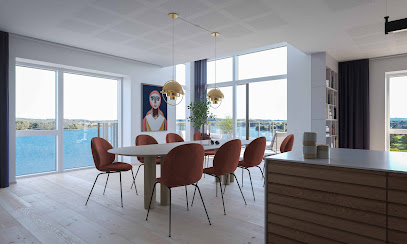
Viborg View
6.8 km
Experience Dokk1, Aarhus’ state-of-the-art library and cultural center, where pioneering architecture meets urban vitality on the scenic waterfront.
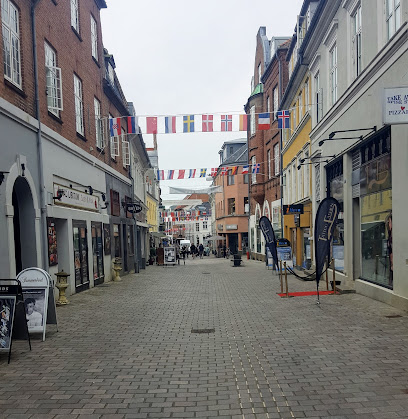
Vi er Viborg
7.6 km
Experience Danish innovation at Dokk1, Aarhus’ renowned waterfront library and cultural hub, blending architecture, technology, and vibrant community life.
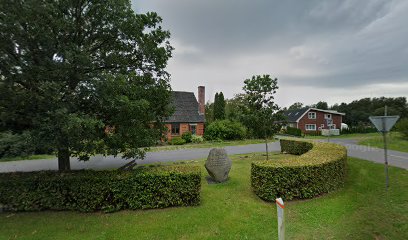
Befrielsessten i Ravnstrup
7.9 km
A modest countryside liberation stone near Viborg, quietly commemorating Denmark’s freedom in 1945 amid open fields and a peaceful village setting.
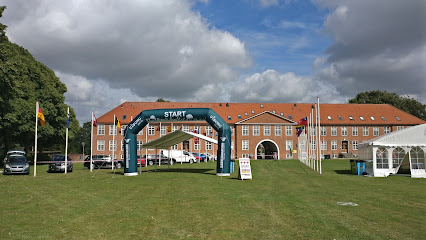
Oberst J.C. Lunds Plads
8.1 km
Historic public square anchoring Viborg's Cathedral Quarter and medieval city center.
Bølling Lake
24.3 km
A restored glacial lake offering scenic walks, excellent fishing, and peaceful nature immersion in central Jutland.
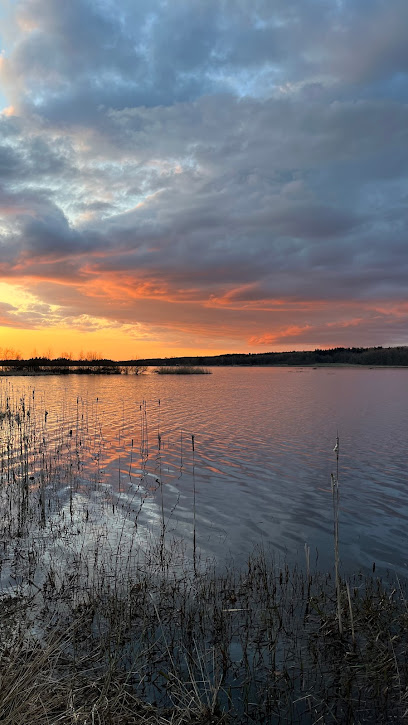
silkeborg
27.9 km
Historic 1871 railway landmark connecting Central Jutland with frequent regional services and heritage charm.
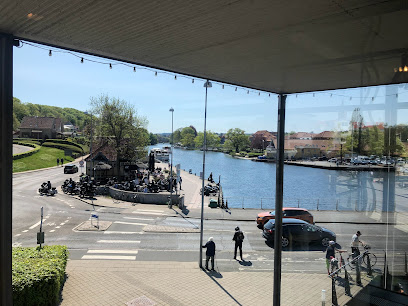
Tollundmanden
28.1 km
Stændertorvet is the historic main square of Roskilde, home to bustling markets, festivals, and community life, set beside UNESCO-listed Roskilde Cathedral.

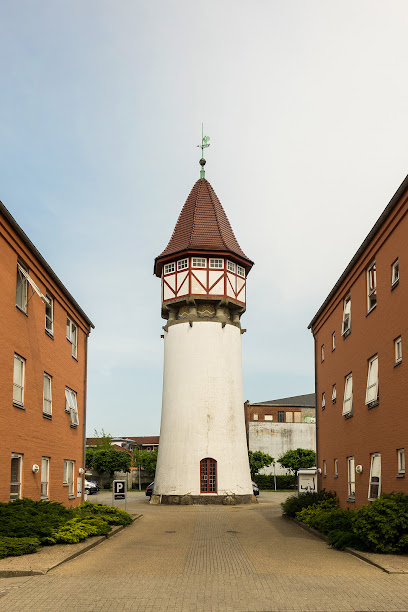
Silkeborg Water Tower
28.3 km
A heritage-listed industrial landmark symbolising Silkeborg's textile manufacturing legacy.
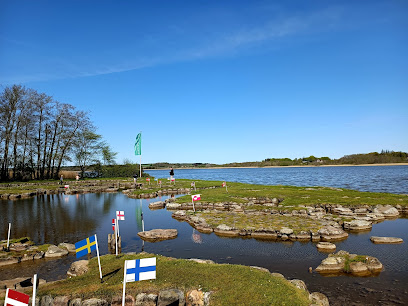
Worldmap at Klejtrup Lake
28.5 km
Explore the world in miniature at Klejtrup Lake's Worldmap, a unique park featuring a walkable map, playgrounds, and animal encounters for an unforgettable family adventure.
Silkeborg Bunkermuseum
28.9 km
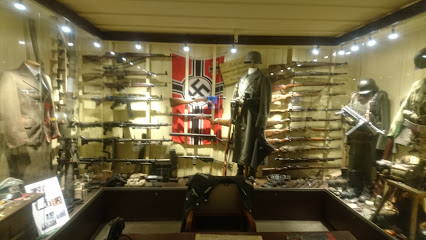
Relive Central Jutland’s wartime past at Silkeborg Bunkermuseum, an immersive WWII command bunker with original artifacts and deep stories from Denmark’s occupation.
Art Center
28.9 km
A vibrant historic square in Roskilde, encircled by lively cafés, markets, and the iconic cathedral—an essential hub for local culture and urban atmosphere.

Museum Jorn, Silkeborg
29.0 km
Explore the world of Asger Jorn and modern art at this vibrant museum in Silkeborg, Denmark, featuring a diverse collection, interactive exhibits, and a scenic riverside setting.
Stærke Storm af Thomas Dambo
29.0 km
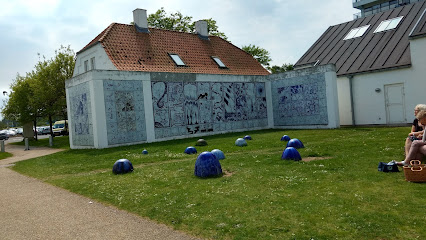
A colossal wooden troll crafted from recycled materials—where art, nature, and Nordic folklore converge near Silkeborg's serene lake.
Funder Ruin
29.0 km
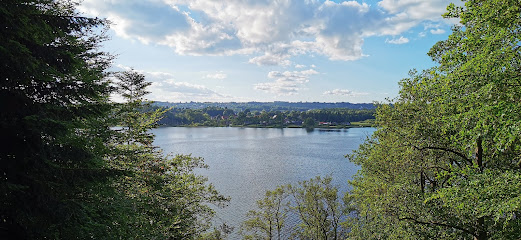
Experience the vibrant blend of history and modern life at Stændertorvet, Roskilde's central square.

Store Troldhøj
29.2 km
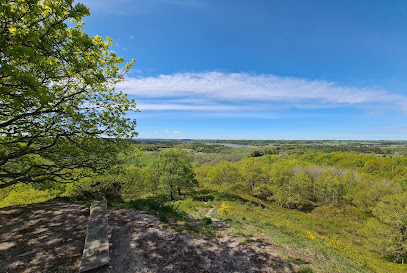
A cone-shaped summit offering panoramic valley views and a climbing tree in Denmark's scenic lake district.
Unmissable attractions to see

Den Selvejende Institution Hald
0.0 km
Medieval ruins and ice-age hills where 800 years of Danish history meets pristine natural landscape.
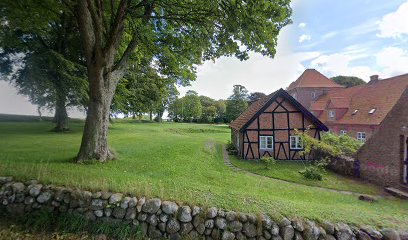
De Fem Halder
0.1 km
A lakeside cultural landscape where moats, ruins, ramparts and a manor house compress 800 years of Danish power and landscape history into a single scenic walk.
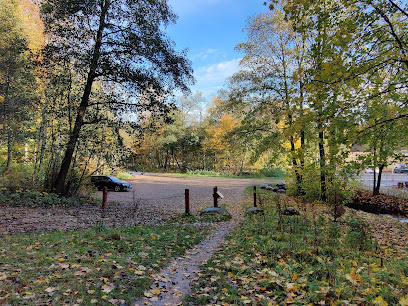
Troldeslugten
0.6 km
A short, atmospheric forest ravine above Hald Sø where steep, root-tangled slopes, cool shade and nearby playgrounds and ruins turn a simple walk into a layered outing.
Hald Slot
0.8 km
Evocative lakeside castle ruins where towering earthworks, a rebuilt tower and wooded shores reveal centuries of power struggles beside clear Hald Sø.
Hald Sø
1.4 km
Deep, clear waters, Ice Age hills and centuries of castles and manors make Hald Sø a striking blend of wild Danish nature and quiet cultural landscape.
Inderøen
1.7 km
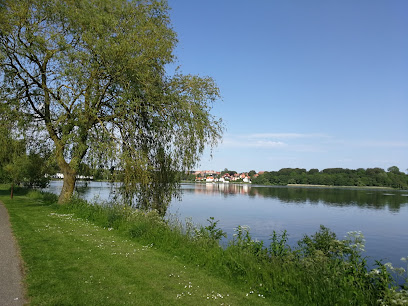
A tranquil, wooded peninsula reaching into Hald Sø, where gentle trails, heathland and sweeping lake vistas create an easy nature escape just south of Viborg.
Jættestuen Viborg Krat
2.8 km
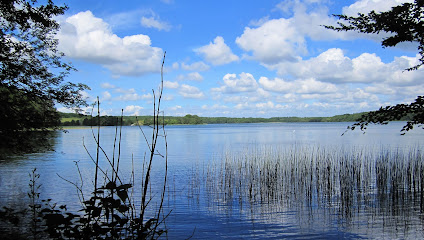
A modest prehistoric burial mound tucked into Viborg’s old oak scrub, where quiet forest paths meet deep-time stories in the heart of Jutland.
Dollerup Bakker
2.9 km
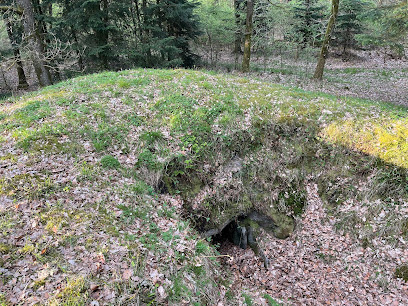
Ice Age-sculpted hills, purple heath and deep lake views combine at Dollerup Bakker, a remarkably rugged and atmospheric nature reserve just south of Viborg.
Naturstyrelsen
3.2 km
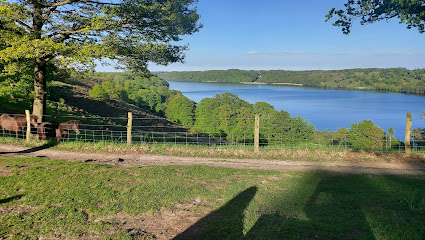
Discover glacial hills, serene lake views, protected forests, and ancient legends at Dollerup Bakker, the famed natural preserve on Viborg’s scenic outskirts.
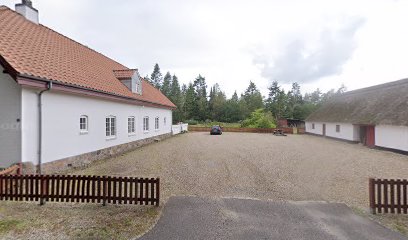
Viborg Plantage
3.7 km
A centuries-old forest sanctuary blending nature, history, and outdoor adventure near Viborg.
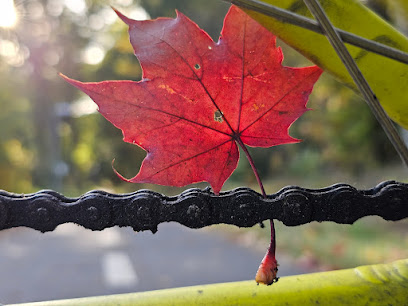
Vedsø
4.5 km
A small, sky‑wide lake on Viborg’s fringe, where quiet banks, open horizons and simple paths offer an easy escape into classic Jutland countryside.
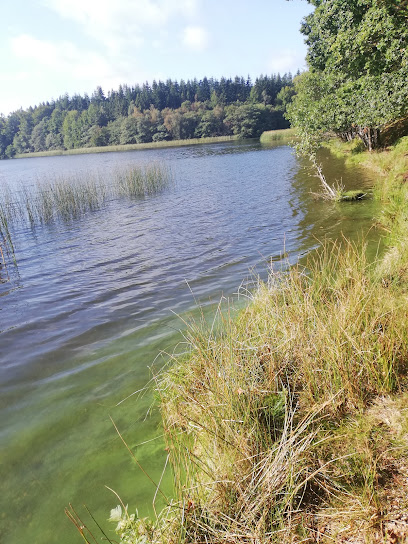
E Bindstouw
4.7 km
Atmospheric 18th-century village schoolhouse and Blicher haunt in Lysgård, offering an intimate glimpse into rural Jutland life, learning and storytelling.
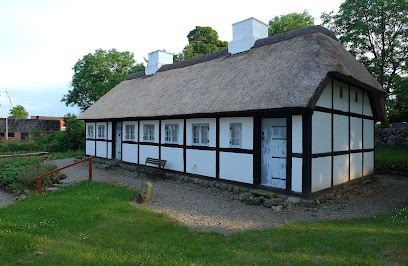
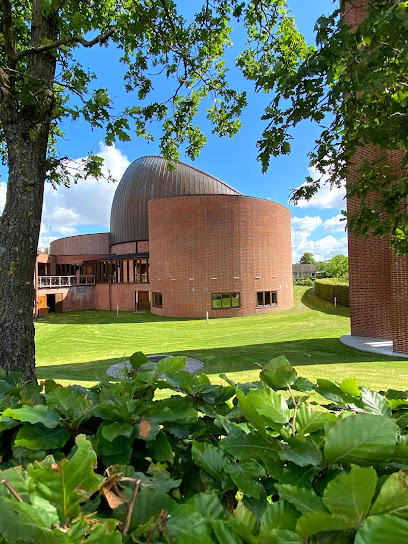
Søndermarkskirken
5.2 km
A circular parish church where modern Danish design, symbolic artwork and community-focused architecture come together on Viborg’s quiet southern edge.
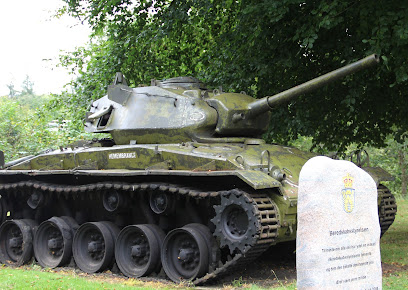
Danske Soldaters Mindelund
5.6 km
A tranquil memorial park by historic Rindsholm Kro, honoring more than 100,000 Danish soldiers and peacekeepers amid lawns, trees, monuments and armored vehicles.
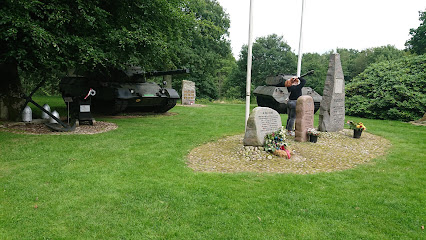
Mindesten for Faldne ved Jydske Dragonregiment
5.7 km
A quiet countryside memorial near Viborg where the Jutland Dragoons’ fallen are honoured amid trees, flags and fields at the historic Rindsholm site.
Essential places to dine

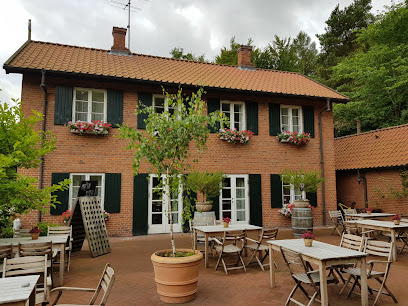
Niels Bugges Kro
0.6 km
Historic countryside inn by Hald Sø, where refined seasonal cuisine, intimate rooms and forest-framed views create a slow, indulgent escape near Viborg.
Birgittelyst Kro
2.0 km
Authentic Danish inn blending traditional Nordic cuisine with European refinement and craft brewery excellence.
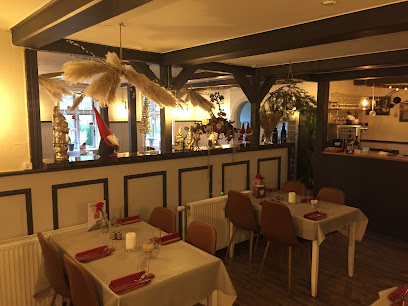
Asian Grill v/Løvbjerg
5.0 km
Quick, no-fuss Asian chinaboxes and stir-fries served from a cosy grill counter inside Løvbjerg on Koldingvej – ideal for an easy lunch or early dinner.

Rindsholm Kro og Hotel (selskaber mv., se åbningstider på hjemmesiden)
5.6 km
Historic Danish roadside inn near Viborg where hearty kro cooking, characterful rooms and walls of memorabilia turn a meal or stay into a journey through local history.
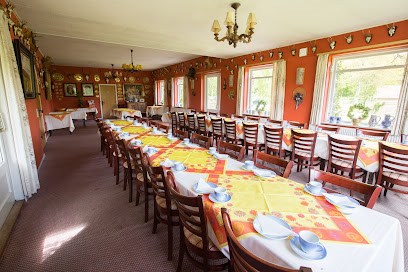
Konge Buffet
6.0 km
Relaxed all-you-can-eat Asian buffet in Viborg, blending Chinese dishes, Mongolian barbecue and sushi in a spacious, family-friendly setting.
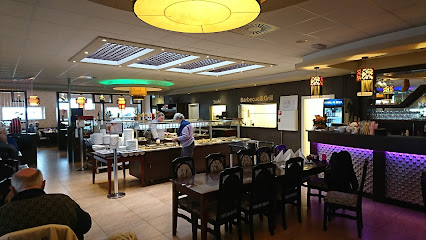
Carl's Jr. Viborg
6.2 km
Flame-grilled American burgers and crispy chicken in the heart of Viborg's shopping district.
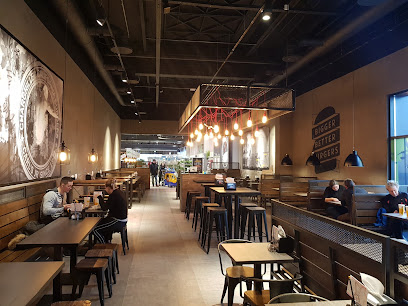
Sunset Boulevard
6.9 km
Danish-style fast food on Holstebrovej, serving freshly made burgers, sandwiches and signature seasoned fries in a bright, casual setting all day.
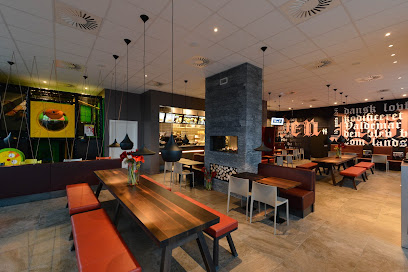
Les Jeunes — kaffebar og neo-bistro
7.0 km
A modern Viborg hangout where specialty coffee, Nordic-Japanese small plates and relaxed bistro vibes share the same intimate, light-filled corner space.
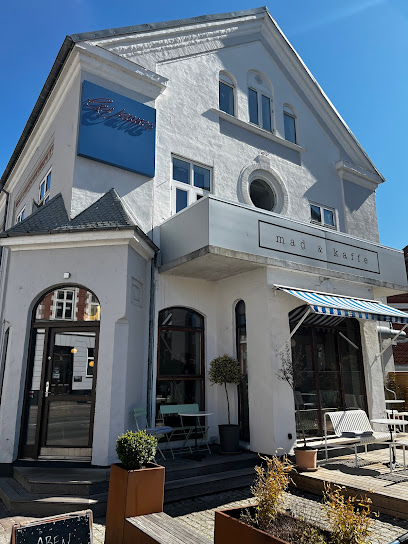
Restaurant Pavarotti Viborg
7.2 km
Authentic Italian flavours meet Danish freshness in Viborg's most welcoming neighbourhood restaurant.
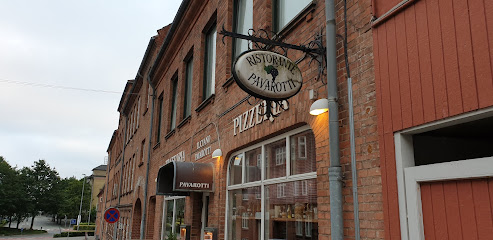
Khawand Pizzaria
7.2 km
Quarter-century pizzeria serving authentic Italian pizza and grilled specialties with genuine hospitality.
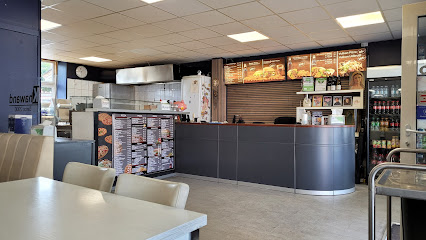
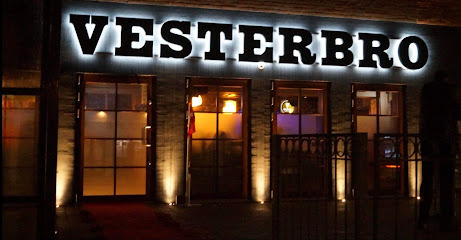
Vesterbro Pub
7.2 km
Experience the best of Danish nightlife at Vesterbro Pub - where great drinks meet vibrant atmosphere in Viborg.
Viborg Pizzaria
7.2 km
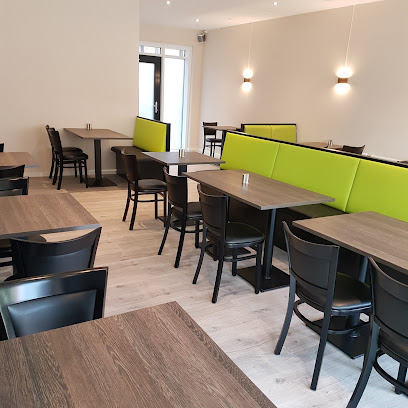
Casual, no-nonsense pizza and Italian-style comfort food on central Vesterbrogade, perfect for quick sit-in meals or convenient takeaway in historic Viborg.
Crispy Chicken
7.2 km
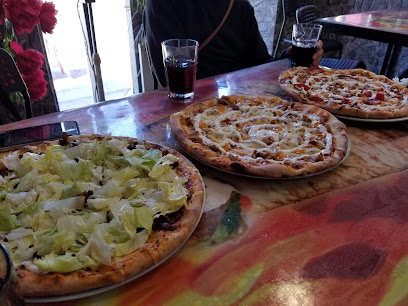
Quick, casual fried chicken and pizza in central Viborg—affordable fast-food convenience.
D'let - Det Grønne Køkken Thai Take Away
7.2 km
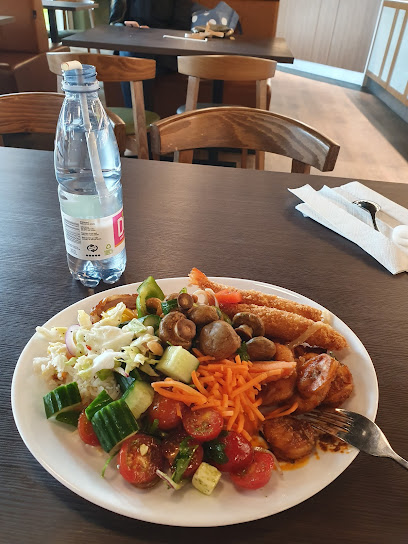
Bright, buffet-style Thai fast-casual in Viborg’s Sct. Mathias Centret, where you fill your own plate, pay by weight and eat in or take your food to go.
Café Baghuset
7.3 km
Hygge‑filled all‑day café in central Viborg, serving generous brunches, Danish comfort dishes, coffee and cocktails in an intimate, atmospheric setting.
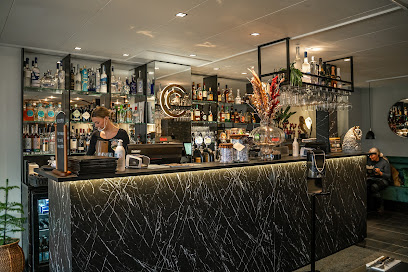
Markets, malls and hidden boutiques

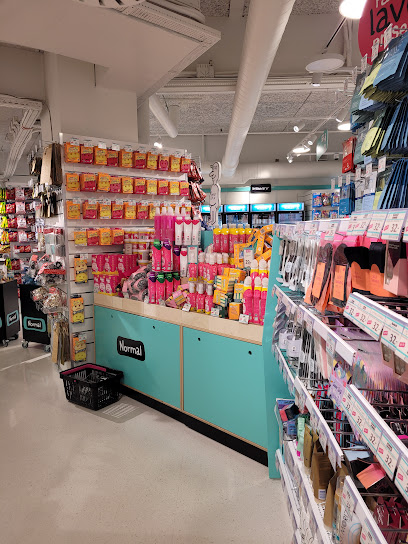
NORMAL Viborg, Viborg Storcenter
6.2 km
Bright, budget-friendly and packed with everyday essentials, NORMAL Viborg in Viborg Storcenter offers a quick, quirky shopping stop inside a modern Danish mall.
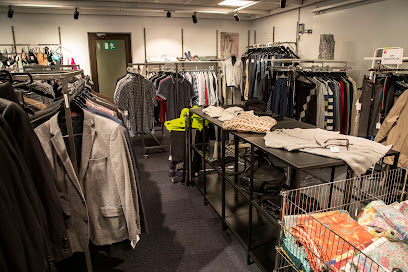
Red Cross Op Shop
6.4 km
Spacious Red Cross thrift store in Viborg, where second-hand fashion and homeware meet Danish volunteer spirit and every bargain supports humanitarian work.
COW CONCEPT I / S
6.5 km
A cozy Viborg showroom where an online design shop comes to life through tactile bags, jewelry and accessories in a calm, curated studio setting.
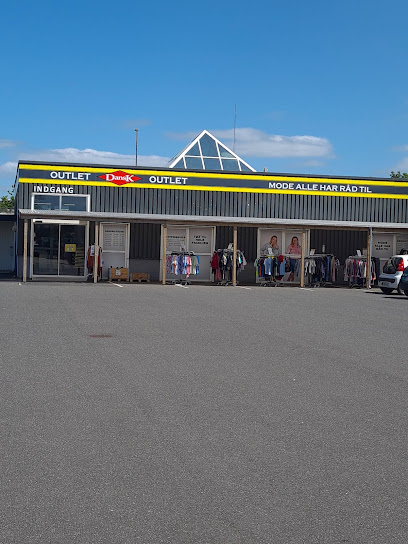
Dansk
6.5 km
Accessible, family-focused fashion in Viborg, offering practical Danish everyday clothing, outerwear and basics for all ages under one roof on Livøvej.
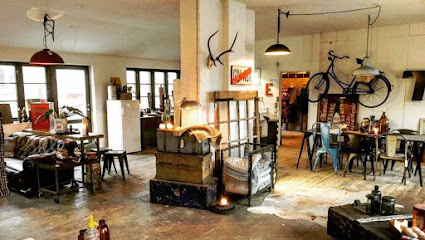
The Old Garage
7.1 km
Characterful little vintage store in a former Viborg garage, where retro Danish furnishings, quirky curios and nostalgic finds wait behind an unassuming suburban door.
Eleganza Eterna
7.1 km
A compact Viborg fashion boutique blending Scandinavian simplicity with elegant, curated womenswear and accessories just off the city’s historic heart.
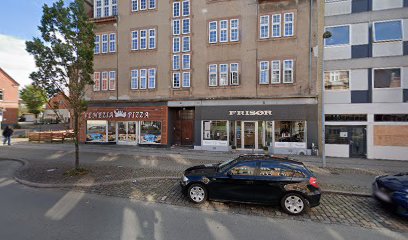
Rashed
7.2 km
A straightforward neighborhood store on Jernbanegade in central Viborg, offering everyday essentials and a quick, no-fuss stop amid the town’s lived-in streets.
Søsterne Grene
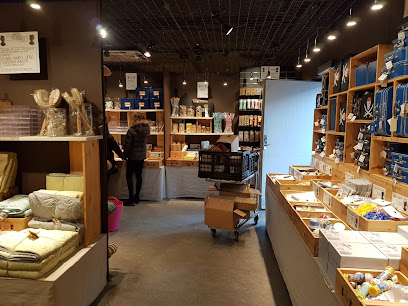
7.2 km
A calming Scandinavian treasure trove in central Viborg, filled with affordable décor, crafty inspiration and small everyday joys tucked inside Sct. Mathias Centret.
Sct. Mathias Center
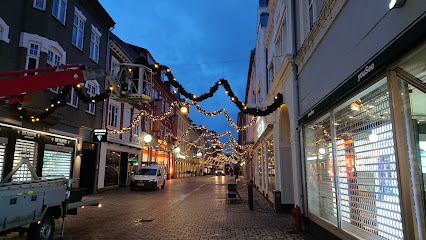
7.2 km
Compact indoor mall in Viborg’s pedestrian heart, combining everyday shopping, a supermarket and cafés just steps from the cathedral and historic streets.
NEYE Viborg
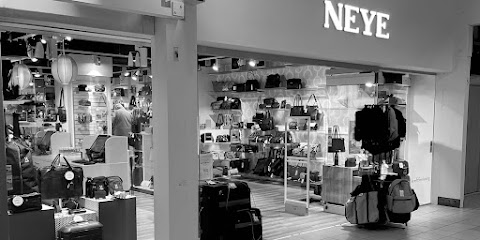
7.2 km
Specialist bag and luggage store in Viborg’s Sct. Mathias Centret, offering Scandinavian-style handbags, backpacks and suitcases for everyday use, school and travel.
Hunkemöller
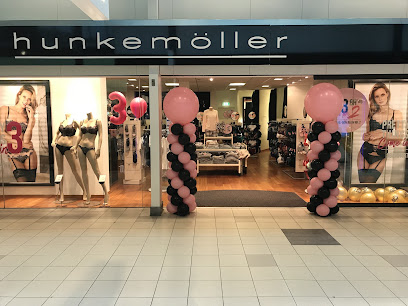
7.2 km
Contemporary lingerie, swimwear and loungewear in Viborg’s Sct. Mathias Centret, with personal fitting help and a focused, comfortable boutique atmosphere.
Imerco
7.3 km
Modern Danish homeware and kitchen design in Viborg’s central Sct. Mathias Centret, combining practical cookware, stylish tableware and gift‑ready ideas under one roof.
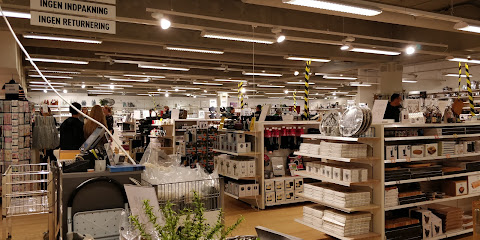
Zizzi - Viborg
7.3 km
Curve-focused Danish fashion in the heart of Viborg, offering modern plus-size womenswear, beach styles and friendly, relaxed shopping inside Sct. Mathias Centret.
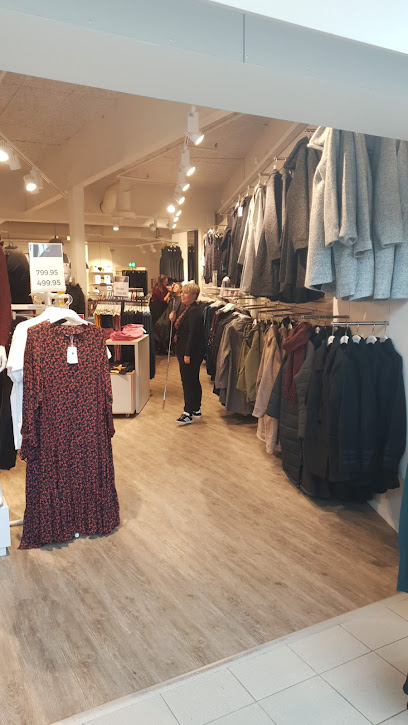
PIECES Viborg
7.3 km
Compact Danish fashion boutique inside Sct. Mathias Centret, offering Scandinavian basics, trend pieces, and accessories for women in the heart of Viborg.

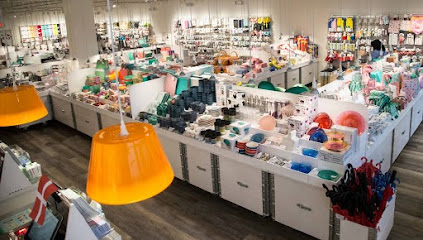
Flying Tiger Copenhagen
7.3 km
Scandinavian creativity meets affordable everyday joy in Viborg's most colorful gift shop.
Essential bars & hidden hideouts

Roxy Malt Viborg
7.2 km
Cosy Irish-style pub in central Viborg with specialty beers, cocktails, live music and a relaxed, grown-up atmosphere for unhurried nights out.
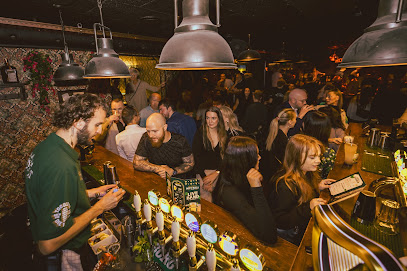
Ølluminati Brewbar
7.4 km
Microbrewery bar in Viborg’s old town, serving ever-changing small-batch craft beers and ciders in a cozy, quirky setting with a relaxed, music-filled atmosphere.
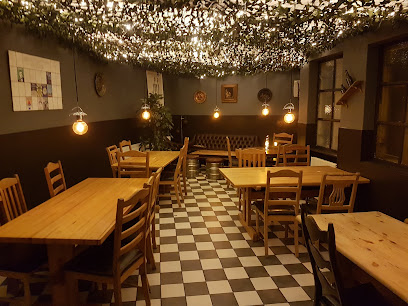
Mathias Kælderen
7.4 km
Cosy cellar bar in central Viborg offering hygge-filled evenings, rustic charm and relaxed drinks just steps below the historic streets of Sankt Mathias Gade.
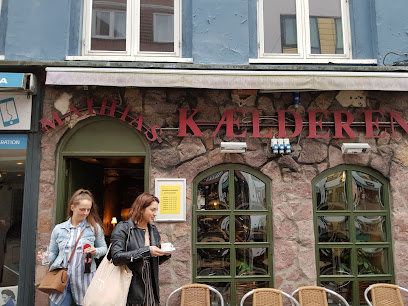
Terminalen I/S v/Carl Erik Agnskov M.Fl.
7.4 km
Unpretentious central Viborg bar with friendly staff, late weekend hours, affordable drinks and occasional karaoke nights in a laid-back pub setting.
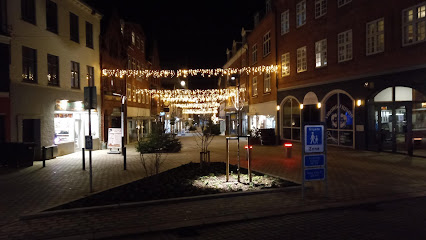
CRAVE Bar
7.4 km
Cosy Viborg bodega and karaoke bar where cold beers, pool games and sing-along nights blend into an easygoing, late-night local hangout.
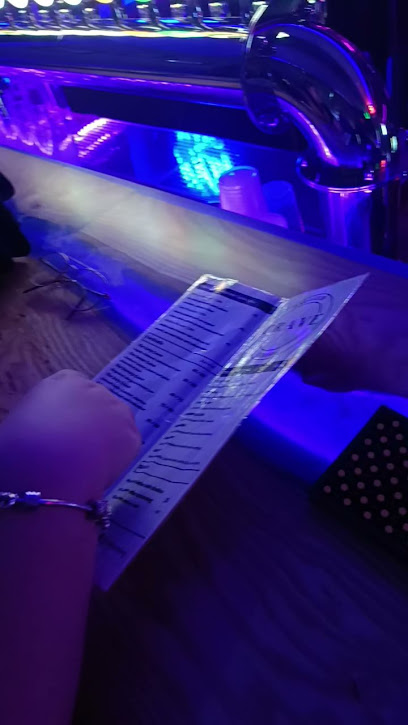
Tema Bar
7.4 km
A loud, late‑night party bar in central Viborg with colorful lights, mainstream beats and no‑frills drinks, perfect for weekend dancing and a casual night out.
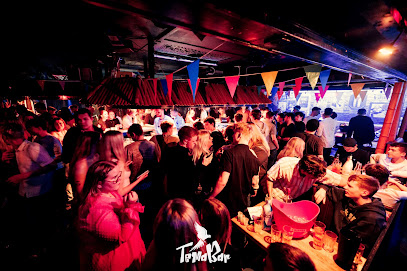
Rabalder Bar Viborg
7.4 km
Casual, colorful bar energy in the heart of Viborg’s old town, blending easygoing Danish hygge with lively late-night drinks and sociable weekend parties.
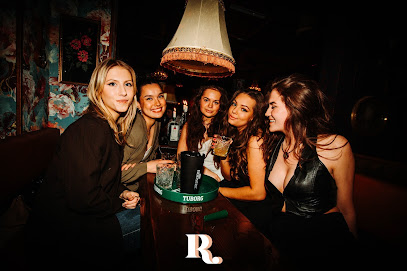
Rockabilly Bar
7.5 km
Craft beer meets 1950s rock and roll in Viborg's most distinctive beer bar.
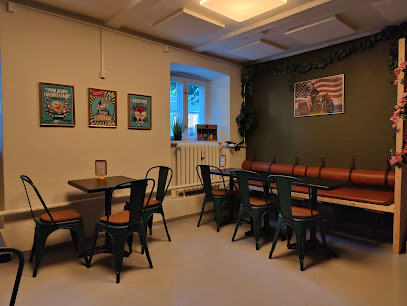
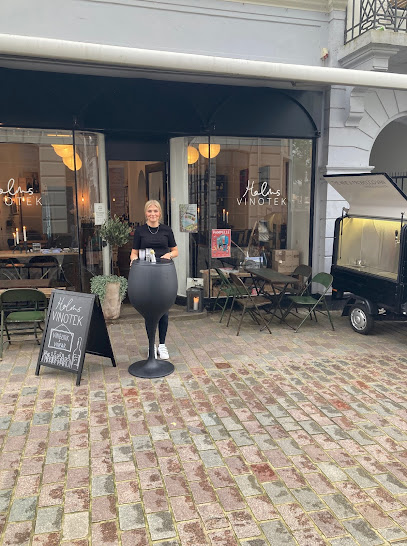
Holms Vinotek
7.5 km
Curated wines and artisanal tapas in a historic pharmacy turned sophisticated gathering place.
Sportspub Målet
7.6 km
Classic Danish sports bodega in central Viborg, where cold beer, big matches, karaoke and late-night hygge keep the lights on long after the final whistle.
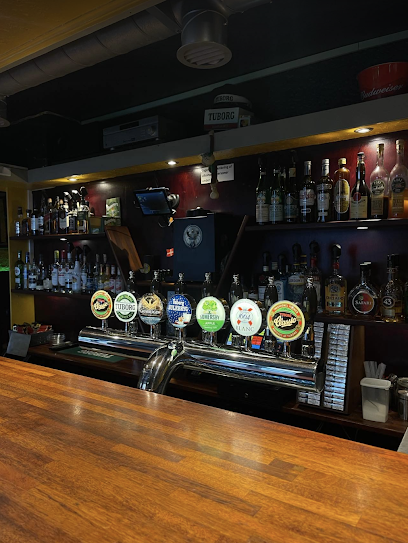
Café Børsen
7.7 km
A long‑standing Viborg café‑bar where Danish hygge, history and late‑night drinks meet in one cozy, central hangout on Gravene.
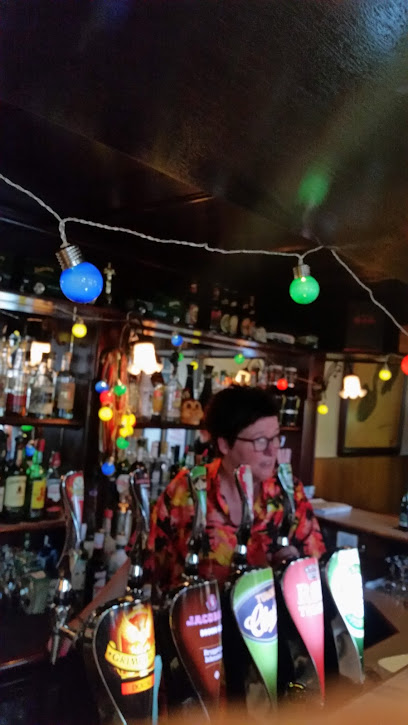
Bodega Hegnet
7.7 km
Viborg's cozy neighborhood bar where affordable drinks, free pool, and live music create genuine local warmth.
Zwei Grosse Bier Bar
7.7 km
High-energy après-ski style beer bar in central Viborg, pouring big drafts, loud music and late-night party vibes with free entry and group-friendly seating.
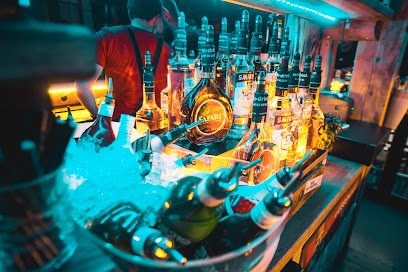
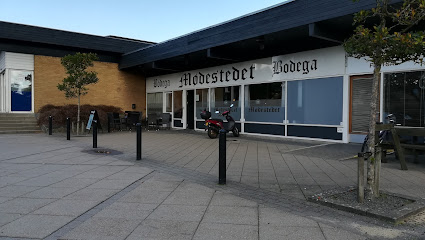
Mødestedet Viborg ApS
8.2 km
Cosy local bar and meeting place in Viborg, blending classic Danish pub vibes with flexible space for social events, dance evenings and everyday gatherings.
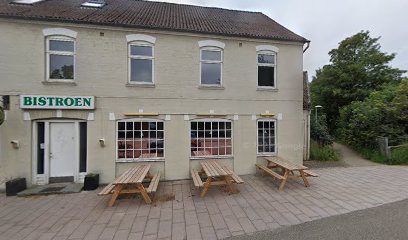
Bistro Byens Hjørne v/Evald Scherer Laursen
10.8 km
Cozy corner bistro in central Rødkærsbro, serving straightforward food, cold beers and small‑town Danish atmosphere in a friendly neighborhood bar setting.
Nightclubs & after hour spots

ANDERS LAUSTSEN A/S
7.3 km
Compact, casual late-night bar and dance spot in Viborg, offering simple drinks, music, and a local Danish nightlife vibe just beyond the historic center.
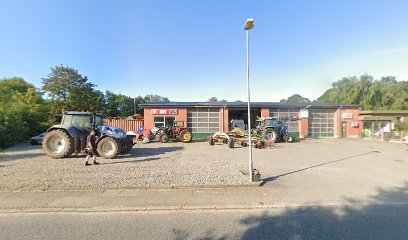
Der Kuhstall Mønsted
11.3 km
Rural barn vibes meet late-night beats at this countryside nightclub near Viborg, where casual crowds, strong drinks and a compact dance floor power the weekend.
B'sharp - Silkeborg Rhythm Og Blues Association
28.1 km
Volunteer-run blues stronghold in central Silkeborg, where intimate weekend concerts, affordable drinks and close-up performances keep rhythm & roots music alive.
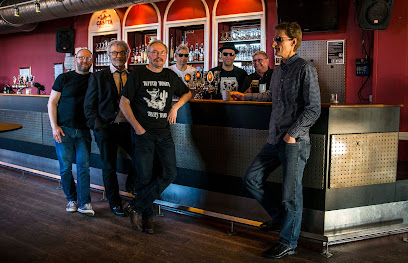
Piano Herning
36.4 km
Experience Herning’s vibrant nightlife in a cozy piano bar with live music, great cocktails, and classic Danish hospitality in the center of town.
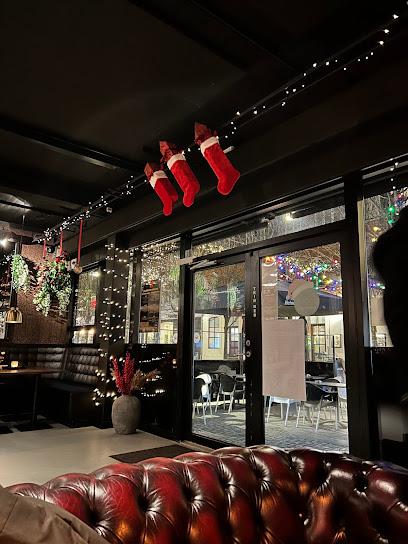
Bart
36.4 km
Stylish cocktail bar in central Herning, renowned for inventive drinks, cheerful ambiance, and generous opening hours—an essential stop for experiencing the city’s modern nightlife.
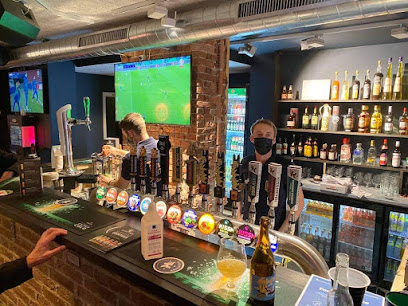
Murphy's Pub
36.4 km
Traditional Irish pub in the center of Herning, Denmark, featuring welcoming atmosphere, live music, a variety of beers and whiskies, and lively sports viewing.
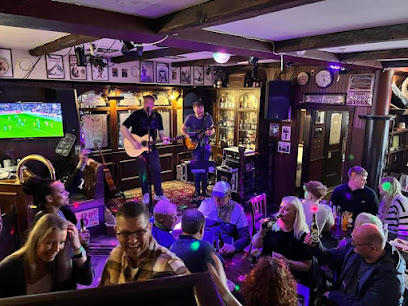
Mindegade5
36.6 km
Experience the heartbeat of Herning's nightlife at Mindegade5, where music, dance, and celebration converge.
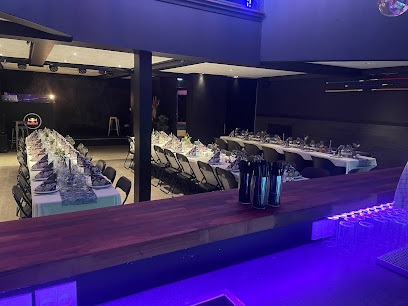
Fermaten
36.6 km
Experience Herning’s vibrant music scene at Fermaten, the city’s top venue for live concerts, cultural events, and dynamic nights out in central Jutland.
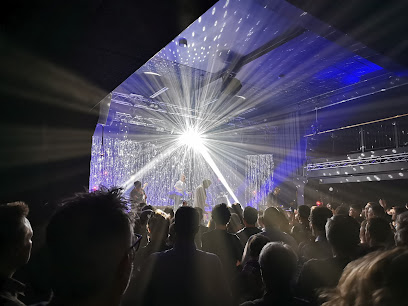
Buddy Holly
38.8 km
Late-night disco hub in central Hobro, where locals and visitors pack the dance floor to chart hits, lights and drinks until the early hours.

Jazz Hobro
39.0 km
Experience the soulful melodies of live jazz in the heart of Hobro at Jazz Hobro.
Rustik & Flamingo
43.3 km
Rustik & Flamingo offers upscale cocktails and a vibrant late-night dance floor, making it one of Randers’ premier nightlife and party destinations.
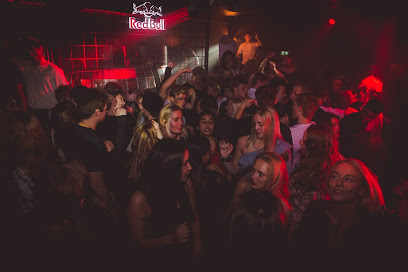
Jagtbar Randers
43.3 km
A lively late-night bar in Randers’ city center known for its dynamic events, energetic crowds, and welcoming atmosphere—a favorite for unforgettable nights out.
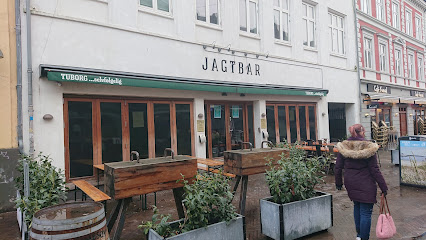
Tante Olga - Bar
43.3 km
Beloved for its dynamic live music, unique ambiance, and lively events, Tante Olga is a cornerstone of Randers nightlife and a top local destination for music lovers.
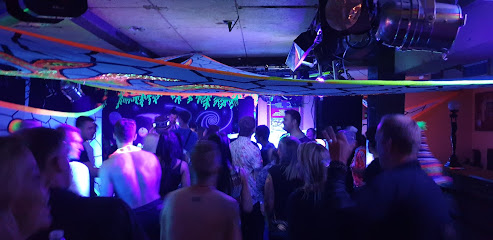
Randers Rave
44.4 km
Compact, bass-heavy nightclub in Randers NØ, where an unassuming façade hides a late-night dance floor fueled by rave-inspired lights, DJs and high energy.
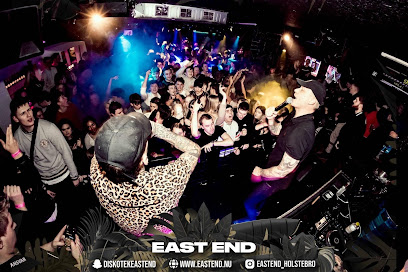
East End Holstebro
44.7 km
High-energy disco club in central Holstebro, where DJs, flashing lights, and a packed dance floor keep the party going into the early morning hours.
For the vibe & atmosphere seeker
- Scenic
- Tranquil
- Romantic
- Unique
- Adventurous
For the design and aesthetic lover
- Historic
- Rustic Designs
- Vintage Styles
For the architecture buff
- Historic
- Landmarks
- Heritage Neighborhoods
- Parks & Gardens
For the view chaser and sunset hunter
- Panoramas
- Waterfront
- Iconic Views
- Sunset Spots
For the social media creator & influencer
- Instagrammable
- Photo Spots
- Architectural Shots
- Aesthetic Corners
For the eco-conscious traveler
- Protected Area
- Eco-Friendly
- Locally Managed
- Nature Reserve
For the kind of experience you’re after
- Cultural Heritage
- Myth & Legends
- Photowalk
- Nature Escape
- Day Trip
For how adventurous you want the journey to be
- Easy Access
- Requires Hike
Location Audience
- Family Friendly
- Solo Friendly
- Couple Friendly
- Senior Friendly
- Child Friendly


