

Limfjordsbroen Travel Guide
Free Guide: Historic bascule bridge linking Aalborg and Nørresundby, offering everyday Danish life, harbor views, sea air and classic Limfjord light in all seasons.


A brief summary of Limfjordsbroen
Historic bascule bridge linking Aalborg and Nørresundby, offering everyday Danish life, harbor views, sea air and classic Limfjord light in all seasons.
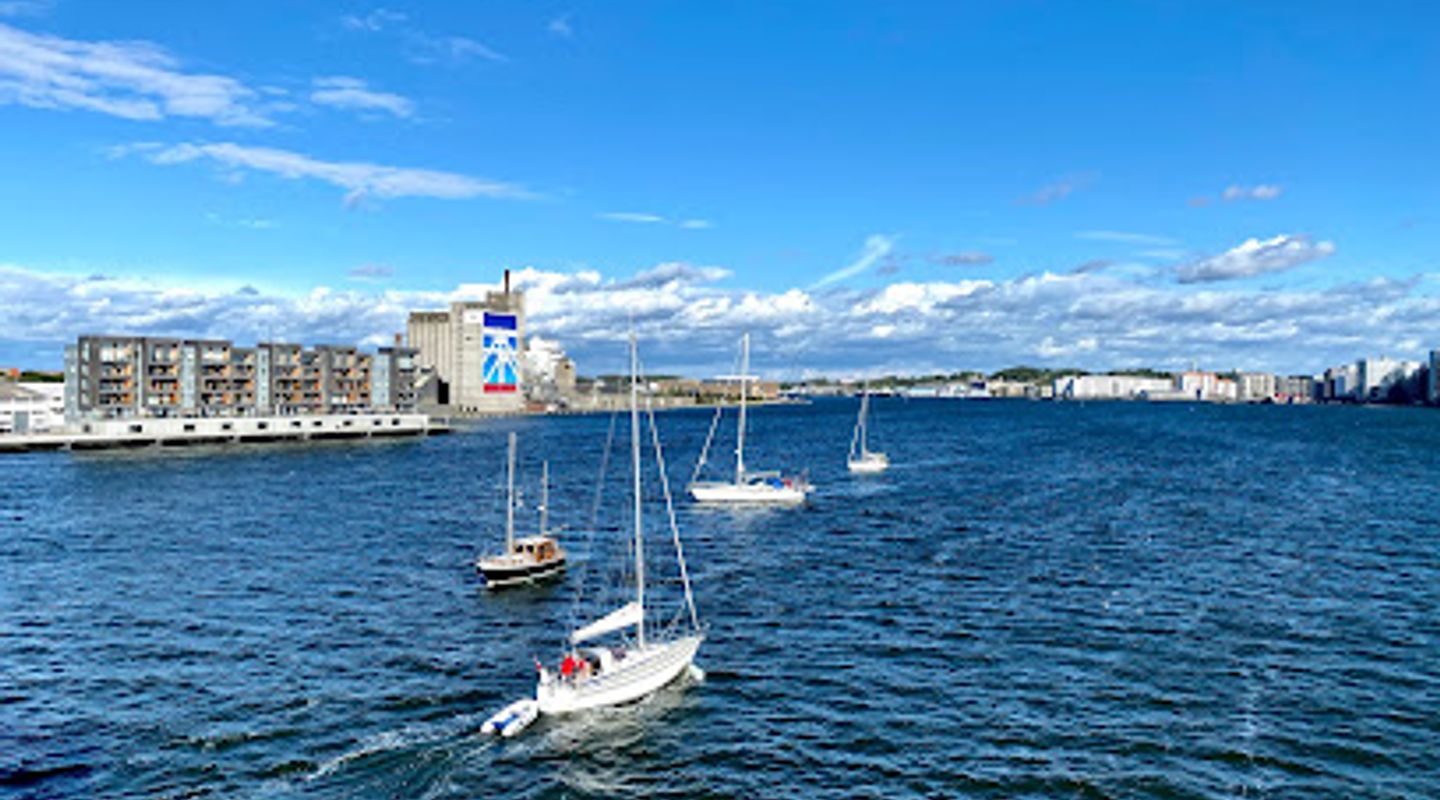
Limfjordsbroen is a 540m bascule road bridge spanning the Limfjord and linking Aalborg with Nørresundby in northern Jutland. Opened in 1933 as a key fixed crossing, it carries cars, cyclists and pedestrians and offers sweeping views of the harbor, waterfront promenades and city skyline. More than just infrastructure, it’s a classic Aalborg vantage point for everyday life, sea traffic and sunsets over the Limfjord.
On-site amenities
 Seating areas
 Trash bins
 Information boards
Opening hours
- Every day6 am–11 pm
Opening hours as listed on the venue’s Google Business Profile. Hours can change for services and special events, so check with the venue before you go.
- Address
- Limfjordsbroen, 9400 Nørresundby
- Phone
- Website
Getting there
On foot from Aalborg city centre
City bus within Aalborg and Nørresundby
Bicycle access across the bridge
By car or taxi within the urban area
Discover more about Limfjordsbroen
A Working Icon Across the Limfjord
Limfjordsbroen stretches in a gentle arc across the Limfjord, joining Aalborg on the southern shore with Nørresundby and the gateway to Vendsyssel to the north. Completed in 1933 as a modern road bridge, it replaced an older pontoon crossing and instantly became a vital link in northern Jutland’s transport network. Today its four traffic lanes, flanked by dedicated paths for cyclists and pedestrians, carry a constant rhythm of everyday movement between the two towns.The bridge runs for roughly 540m with a broad deck and low, functional railings that keep your view open to water, harbor and cityscape. Beneath, the shallow sound of the Limfjord funnels ships and leisure craft between the North Sea and the Kattegat, making the bridge as much a balcony onto maritime life as it is a piece of infrastructure.
Engineering, Movement and the Opening Span
Structurally, Limfjordsbroen is a bascule bridge, with a movable central section that can lift to let taller vessels pass. The mechanism is largely hidden from casual view, but when the span opens the roadway seems to hinge skyward, creating a dramatic pause in road traffic and a brief stage for the ship sliding through.When it was built, the bridge represented cutting-edge engineering for the region. Large sections were prefabricated along the waterfront before being moved into position, and extensive load tests with lines of heavy trucks were used to prove its strength. Later widening works and the addition of cycle and footpaths ensured it kept pace with a growing city while retaining its original character as a sturdy, utilitarian structure.
Views Over Water and Waterfront
For visitors, the real appeal of Limfjordsbroen lies in the views. From the pedestrian paths you look east and west along the Limfjord, with its changing light, shipping traffic and low, often windswept banks. To the south, Aalborg’s skyline rises with church towers, converted warehouses and contemporary cultural buildings along the redeveloped harborfront.The bridge forms a natural extension of Aalborg’s waterfront promenade, which has transformed from an industrial dockside into a sequence of public spaces, cultural venues and leisure spots. A stroll here can easily be combined with a crossing of the bridge, linking city-center streets to Nørresundby’s quieter neighborhoods and waterside paths in a single loop.
Daily Life on Two Wheels and on Foot
Limfjordsbroen is also a snapshot of Danish daily life. Cyclists in commuting gear, families pushing prams, joggers and dog walkers all share the broad side paths, while city buses and cars roll steadily along the central lanes. The gentle climb to mid-span is rewarded with a breezier, more expansive outlook, often accompanied by the sound of gulls and the low hum of traffic.Because it is open to non-motorized traffic all day, the bridge works almost like a public square in motion, weaving together the everyday routines of two closely linked communities. In the quieter early morning or late evening, the mood softens and the structure feels more like a peaceful walkway floating above the water.
Light, Weather and Seasonal Atmosphere
The experience of Limfjordsbroen changes with the weather and season. On clear days, light shimmers off the water and the views stretch far along the fjord. In winter, low northern light and colder air lend the scene a stark beauty, sometimes with ice floes and snow-dusted quays. Wind is common here, adding a brisk edge but also sharpening the sense of exposure to sea and sky.After dark, streetlights trace the line of the bridge, and reflections glow on the water as car headlights stream across, giving the crossing a cinematic feel. Whether you pause midway to watch a ship glide underneath or simply use it as a route between errands, Limfjordsbroen adds a distinctly maritime dimension to any visit to Aalborg.
Evendo Review Centre
 Google
Guest reviews
Best time to go
Quietest: Jan, Feb & Mar · at 1am or at 2am or at 5am
Busy times are Evendo estimates for a typical year, to help you plan. Actual crowds vary with events, school holidays and the weather.
Explore Limfjordsbroen on the map
A handpicked selection of must-see spots near Limfjordsbroen, mapped for you.
Get your free copy of our complete guide to Limfjordsbroen, delivered straight to you.
Everything on this page, from opening hours and how to get there to Eve’s tips and the best time to go, in one PDF you can read offline, print or share.
Already have an account? Sign in
Your Limfjordsbroen guide is ready.
We'll send it to · Not you? Sign out

Getting your guide ready…
We are putting together a fresh copy of the Limfjordsbroen guide. This can take up to a minute.
This can take a few moments. If your browser asks, choose Allow so the download can start. You'll find the guide in your Downloads folder.
Nothing happened? Download it again
Sorry, the guide is taking longer than usual. Please try again in a minute, or get it by email instead.
Other nearby places you may find interesting
The closest places of the same kind, if this one is not quite what you had in mind.
-
-
-
-
-


Swipe for more places
More to explore near Limfjordsbroen

 Best experiences near Limfjordsbroen
 Best hotels near Limfjordsbroen
 Best landmarks near Limfjordsbroen
 Best attractions near Limfjordsbroen
 Best shops near Limfjordsbroen
 Best restaurants near Limfjordsbroen
 Best bars near Limfjordsbroen
Do you manage this location?
Take control to get all the benefits, like improved information, better appearance, and stronger visibility across AI-powered discovery.
Explore more
Explore more of Limfjord
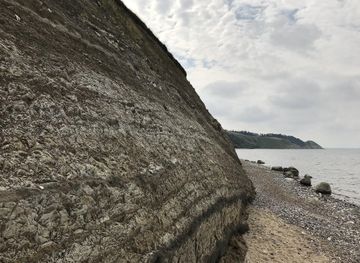
Discover Limfjord in Denmark: A serene waterway offering a blend of nature, culture, and history with charming villages, Viking sites, and vibrant arts scenes.
Explore Limfjord
Explore more of Denmark
Discover Denmark: A perfect blend of history, modern design, and the cozy concept of hygge. Explore vibrant cities, serene landscapes, and world-class cuisine.
Explore Denmark
