
Statue of Michael Drewsen, Central Jutland Travel Guide
Bronze monument to Silkeborg's visionary founder, where history meets civic pride in the heart of the town square.
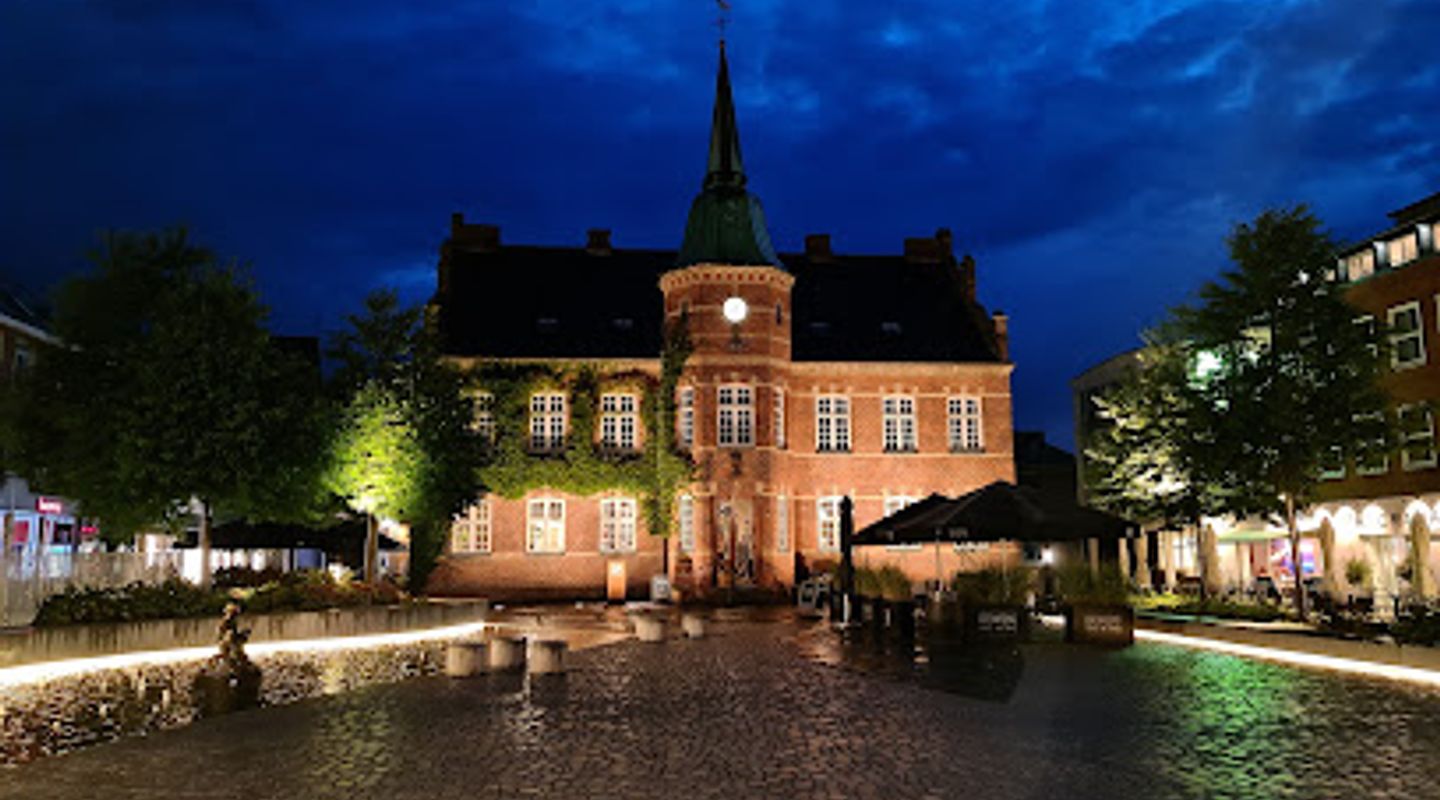
A bronze monument to Michael Drewsen (1804–1874), the industrialist who founded Silkeborg's paper mill and transformed the town from a rural settlement into a thriving market town. Cast by sculptor Hans Peder Pedersen-Dan and unveiled in 1892, the statue stands in Torvet, Silkeborg's central square, surrounded by historic buildings and fountains. Today it serves as a focal point of civic pride and a cherished gathering place where graduating students traditionally dance in celebration.
A brief summary to Statue of Michael Drewsen
- Torvet, Silkeborg, 8600, DK
- Click to display
- Duration: 0.25 to 1.5 hours
- Free
-
 Outdoor
- Mobile reception: 5 out of 5

Know before you go
Hi, I'm Eve. Here are a few practical things to know before exploring Statue of Michael Drewsen.
- Visit on a Saturday morning to experience Torvet's weekly market, which creates a vibrant atmosphere around the statue and offers local produce, crafts, and food.
- Combine your visit with nearby attractions: the Old Town Hall (tourism office), Silkeborg Museum (250 metres away), and Silkeborg Hovedgård manor estate, all within easy walking distance.
- Return in June to witness the graduation celebrations when students dance around the statue—a vibrant local tradition that brings the monument to life.
- Explore the surrounding pedestrian zone in the early evening when the square is quieter, allowing for contemplative observation and photography without crowds.
Do you manage this location?
Take control to get all the benefits, like improved information, better appearance, and stronger visibility across AI-powered discovery. Learn more about listing your business on Evendo
Activate your presenceOther nearby places you may find interesting
The closest places of the same kind, if this one is not quite what you had in mind.
Explore Statue of Michael Drewsen on the Map
A handpicked selection of must-see spots near Statue of Michael Drewsen, mapped for you.
Getting There
-
Walking from Silkeborg Station
From Silkeborg Railway Station, walk northwest through the town center toward Torvet. The journey takes approximately 8–12 minutes on level, well-marked pedestrian streets. Follow signs for the town center or ask locals for Torvet. The square is impossible to miss as it is the main civic hub.
-
By Car and Parking
Drive to Silkeborg town center and use one of the public car parks near Torvet. Street parking is available around the square, though spaces fill quickly on Saturdays during the market. Parking is typically free or low-cost. From the car park, walk to Torvet (usually less than 5 minutes).
-
By Bus
Regional buses serve Silkeborg town center with stops near Torvet. Journey times from nearby towns range from 20–45 minutes depending on origin. Check local bus schedules for current routes and fares. Buses run regularly throughout the day.
-
Cycling
Silkeborg is well-connected by cycling routes. Bike paths lead directly to Torvet from surrounding neighborhoods and attractions. Journey times vary from 5–20 minutes depending on starting point. Bike parking is available near the square.
For the on-the-go comforts that matter to you
-
 Restrooms
-
 Drink Options
-
 Food Options
-
 Seating Areas
-
 Information Boards
-
 Visitor Center
Discover more about Statue of Michael Drewsen
The Founder's Legacy in Bronze
The Statue of Michael Drewsen stands as a bronze monument to the man who transformed Silkeborg from a rural hamlet into a prosperous industrial town. Michael Drewsen arrived in 1844 and established the Drewsen og Sønner paper mill on the banks of the Gudenå River, exploiting its waters for power and transport. Over the next three decades, he wielded enormous influence over the town's development, lobbying for roads and railways, establishing a gasworks and telegraph connection, and purchasing the Hjejlen, a lake steamer that still operates today. The statue, designed by sculptor Hans Peder Pedersen-Dan—who also created the famous statue of Holger Danske at Kronborg—was cast in bronze and erected in 1892, eighteen years after Drewsen's death in 1874.A Monument Born of Controversy
The decision to erect a statue in Drewsen's honor was not without dispute. When citizens first proposed the memorial in 1892, critics argued that Drewsen had primarily served his own commercial interests and had failed to secure the future welfare of his former workers. Despite these objections, the statue was placed in Torvet, the heart of Silkeborg's civic life. This controversy reflects the complex legacy of industrial pioneers—figures whose ambition and vision drive economic growth yet whose methods and priorities may not benefit all members of the community equally. The statue thus stands as a nuanced symbol, acknowledging both Drewsen's undeniable role in founding the town and the legitimate questions about his stewardship.The Heart of Silkeborg's Public Life
Torvet, the square where the statue stands, is the cultural and social center of Silkeborg. Surrounded by the Old Town Hall (built in 1857 and now housing the tourism office), the city church (Silkeborg Kirke), and the historic Hotel Dania (founded in 1848), the square creates an intimate public gathering space. Two fountains complement the bronze figure, and on Saturdays the square hosts the city's weekly market, filling the space with vendors, shoppers, and the rhythms of daily commerce. The pedestrian-only zone encourages lingering and conversation, making it a natural meeting point for locals and visitors alike.A Tradition of Celebration
In contemporary Silkeborg, the statue has acquired a new cultural significance as a symbol of achievement and transition. Each year, graduating students gather around the Drewsen monument to dance and celebrate their accomplishments, transforming the bronze figure into a witness to youthful joy and the passage of generations. This tradition has made the statue more than a historical memorial; it is a living part of Silkeborg's social fabric, connecting past and present through ritual and shared experience. The statue's central location and accessible scale make it an ideal focal point for such gatherings, and the practice has become an cherished rite of passage for the town's youth.Artistic and Historical Significance
Hans Peder Pedersen-Dan's design captures Drewsen in a dignified pose befitting an industrial magnate of the 19th century. The bronze medium ensures durability and lends gravitas to the figure, while its placement in the open square—rather than in a museum or enclosed space—emphasizes Drewsen's role as a public figure whose influence shaped the town's streets and institutions. The statue's prominence in Torvet reflects the 19th-century tradition of honoring civic leaders through public monuments, a practice that both celebrates achievement and invites critical reflection on the figures we choose to memorialize.More to explore near Statue of Michael Drewsen













Your all‑in‑one travel companion app
Explore expert travel guides, compare and book tours, experiences, hotels, and more—all from the palm of your hand. Download now for seamless trip planning wherever your wanderlust takes you.


Explore More of Central Jutland
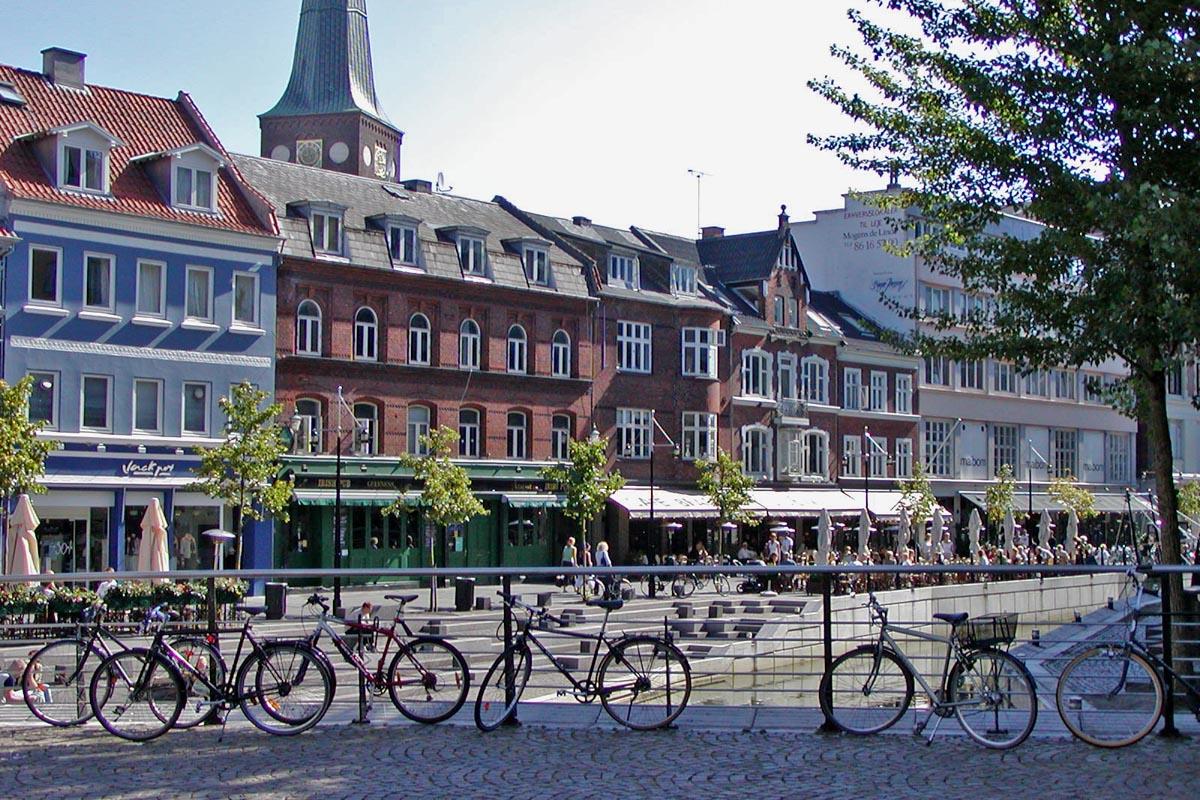
Looking beyond Statue of Michael Drewsen? Discover Central Jutland for broader travel guides, local hot-spots, and regional highlights.
Explore Central Jutland
Skanderborg's 41.5-meter castle-style water tower from 1908—a striking symbol of industrial heritage and urban progress.
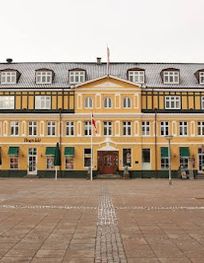
Historic 1848 town‑square hotel in the heart of Silkeborg, combining classic Danish character with a central base for lakes, forests and local culture.
