Bøtøskoven, Lolland Travel Guide
Restored coastal forest on Falster where wild horses, grazing cattle and rich birdlife shape a quietly dramatic landscape behind the Baltic Sea dike.
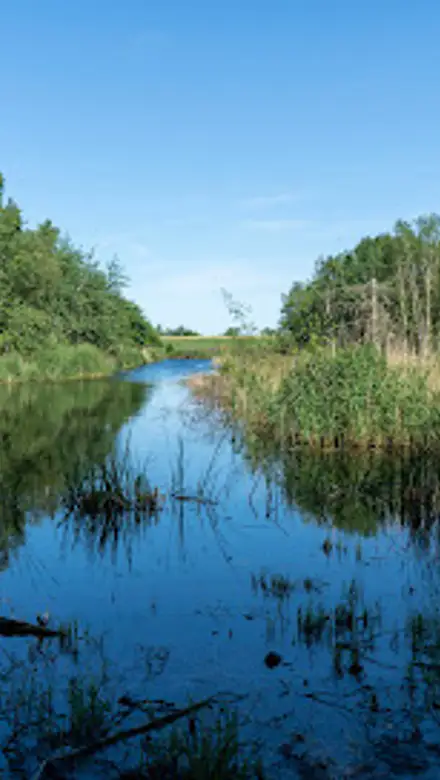
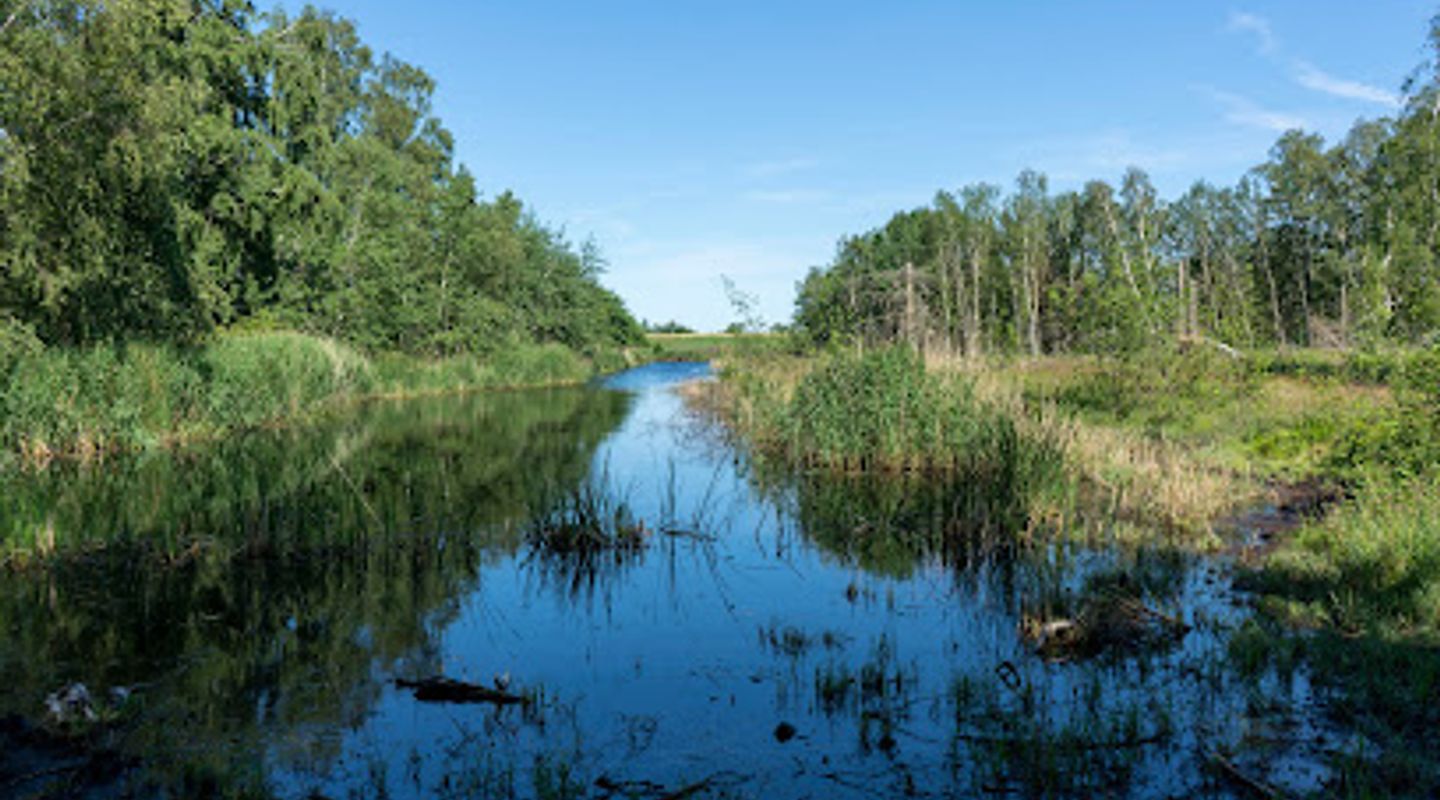
Bøtøskoven is a coastal nature reserve near Marielyst on Falster, where reclaimed farmland has been transformed into a wild mosaic of forest, wetlands and open meadows. Roaming herds of free-ranging horses and cattle help shape the landscape, supporting rare birds, insects and plants. Marked hiking trails, bird towers and sandy paths invite you to slow, quiet exploration, with the roar of the Baltic Sea never far away.
A brief summary to Bøtøskoven
- Unnamed Road, Væggerløse, Marielyst, 4873, DK
- Click to display
- Click to display
- Duration: 1.5 to 4 hours
- Free
-
 Outdoor
- Mobile reception: 3 out of 5

Know before you go
Hi, I'm Eve. Here are a few practical things to know before exploring Bøtøskoven.
- Wear sturdy shoes: many paths are sandy and some sections can be damp after rain, especially near wetlands and ditches.
- Bring binoculars to make the most of the bird towers and to spot wild horses and cattle at a safe distance.
- Pack water and snacks, as there are no cafés inside the reserve and only minimal facilities near the entrances.
- If visiting in cooler seasons, dress in layers: the forest offers shelter, but the open dike can feel much windier and colder.
Do you manage this location?
Take control to get all the benefits, like improved information, better appearance, and stronger visibility across AI-powered discovery. Learn more about listing your business on Evendo
Activate your presenceOther nearby places you may find interesting
The closest places of the same kind, if this one is not quite what you had in mind.
Explore Bøtøskoven on the Map
A handpicked selection of must-see spots near Bøtøskoven, mapped for you.
Getting There
-
Car from Nykøbing Falster
From Nykøbing Falster, driving to Bøtøskoven typically takes around 25–35 minutes, following main roads across southern Falster before turning toward Marielyst and the southern holiday house areas. The route is on paved roads throughout and suitable for any standard car. There is usually free roadside or small parking-area space near main access points to the reserve, but spaces can fill up on sunny summer days, so arriving earlier in the day helps. Fuel stations and supermarkets are located in and around Nykøbing Falster and Marielyst, while the forest itself has no services or charging points.
-
Bus and short walk from Nykøbing Falster
Regional buses run between Nykøbing Falster and the Marielyst/Væggerløse area, with a typical journey time of about 35–50 minutes depending on route and stops. A one-way adult ticket usually costs in the range of 35–60 DKK, depending on zones and any discounts. Services are more frequent on weekdays and during the summer season, and less frequent in the evenings and on some weekends. From stops around Marielyst or the southern cottage areas, expect an additional 20–30 minutes of walking on flat terrain along local roads and paths to reach one of the entrances to Bøtøskoven.
-
Cycling from Marielyst area
If you are staying in or near Marielyst, Bøtøskoven is a comfortable bike ride away along relatively flat coastal terrain. Depending on your starting point, expect 15–30 minutes of cycling on a mix of local roads, shared-use paths and quiet lanes that lead toward the southern edge of Falster. There is no fee for access to the reserve, and you can leave bicycles at informal parking spots or along the dike before continuing on foot. Wind conditions can significantly affect effort and travel time, especially on exposed stretches near the coast.
For the on-the-go comforts that matter to you
-
 Seating Areas
-
 Information Boards
-
 Trash Bins
Discover more about Bøtøskoven
From Farmland to Wild Coastal Forest
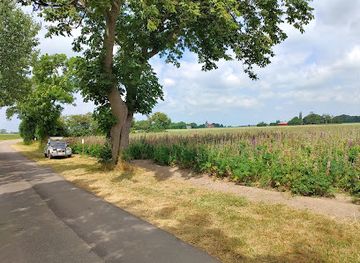
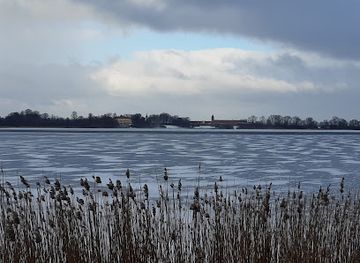
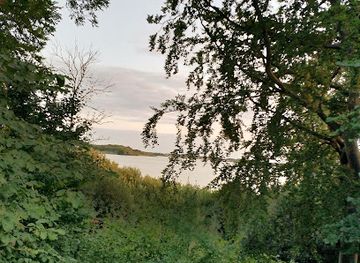
Bøtøskoven stretches along the southern edge of Falster, a low-lying landscape once dominated by fields and drainage ditches. Today it is a carefully managed wilderness, where dikes, canals and former farmland have been allowed to return to a more natural state. Shifting between scrub, woodland and open grassland, the reserve feels deliberately untidy in the best possible way, with fallen trunks, dense thickets and wet hollows left as habitat rather than cleared away.At its heart, Bøtøskoven is a story about coastal protection and nature restoration. The dike that runs parallel to the sea keeps the Baltic at bay, while the landward side has been reshaped to hold water and provide room for wildlife. Pools form after rain, reeds sway in the wind and sandy soil supports hardy shrubs that can cope with salt-laden gusts. It is a living demonstration of how a vulnerable coastline can double as a thriving sanctuary.Wild Horses, Grazing Cattle and Rich Birdlife
One of the most distinctive features of Bøtøskoven is its free-ranging herds of horses and cattle. These robust animals graze year-round in large enclosures, nibbling saplings, trampling reeds and opening up glades. Their constant movement and grazing patterns prevent the area from growing into dense, uniform forest, creating a patchwork of habitats where many species can coexist.For birdwatchers, the reserve is a rewarding place to linger. Elevated bird towers overlook wetlands and open meadows, where you might spot hunting birds of prey, flocks of geese and waders feeding in the shallow water. In summer, dragonflies patrol the ditches and butterflies drift along the edges of the paths, taking advantage of the sunny, sheltered clearings created by the grazing animals. Even casual visitors quickly sense how much life hides in the reeds and hedgerows.Trails, Towers and Quiet Encounters with Nature
Marked routes weave through Bøtøskoven, including a well-known five-kilometre hiking loop that gives a compact introduction to the area’s varied scenery. The paths are mostly flat and sandy, sometimes crossing slightly wetter stretches where sturdy shoes are useful. A network of smaller tracks branches off, inviting you to wander a little further in search of viewpoints, wind-stunted trees or a glimpse of horses in the distance.Despite its relatively modest size, the reserve feels surprisingly spacious. Long, straight lines of the dike contrast with the more intimate atmosphere under the trees, where you walk between birch, pine and willow, accompanied by the rustle of leaves and the calls of hidden songbirds. Occasional benches and simple information boards provide natural places to pause, read about the project and take in the landscape around you.Coastal Atmosphere Beside Marielyst Beach
Bøtøskoven sits just inland from the wide sands of Bøtø Strand and the broader resort area around Marielyst. This proximity to the coast shapes both the climate and the character of the reserve. On breezy days you may catch the salty tang of sea air and hear the low roar of surf beyond the dike, even while you are surrounded by bushes and meadows.The combination of forested shelter and easy access to the beach makes the area appealing in many seasons. On hot summer days, the trees offer shade and cooler air before or after a swim. In the shoulder seasons, when the beach feels wilder and emptier, the forest paths remain inviting for long, contemplative walks. Even in winter, the stark silhouettes of bare trees against the sky and the presence of hardy grazing animals lend the landscape a quiet, rugged beauty.Practical Experience and Responsible Visiting
A visit to Bøtøskoven is essentially low-key and self-guided. There are no grand visitor facilities or formal attractions, only simple amenities such as paths, a few seating areas and information panels explaining the restoration project and the role of grazing. This minimal infrastructure helps preserve the area’s sense of authenticity and keeps the focus on the natural environment rather than on built structures.Because of the free-ranging animals and sensitive habitats, it is important to treat Bøtøskoven with care. Staying on marked routes where requested, keeping a respectful distance from horses and cattle and carrying out any rubbish all help protect birds, insects and plants that rely on the mosaic of open grassland, scrub and wetland. In return, the forest offers a calm, immersive encounter with coastal nature that feels far removed from busy resort life, despite being only a short distance from holiday cottages and beaches.












Your all‑in‑one travel companion app
Explore expert travel guides, compare and book tours, experiences, hotels, and more—all from the palm of your hand. Download now for seamless trip planning wherever your wanderlust takes you.


Explore More of Lolland
Looking beyond Bøtøskoven? Discover Lolland for broader travel guides, local hot-spots, and regional highlights.
Explore Lolland
A quiet coastal strip at Denmark’s southern fringe, where simple seaside paths, open skies and the Baltic horizon invite slow walking and sea-gazing.

A modest wooden tower on southern Falster, offering wide skies, calm wetlands and an easy window into the birdlife just beyond Marielyst’s busy beach scene.