
Marielyst, Gedser Odde Travel Guide
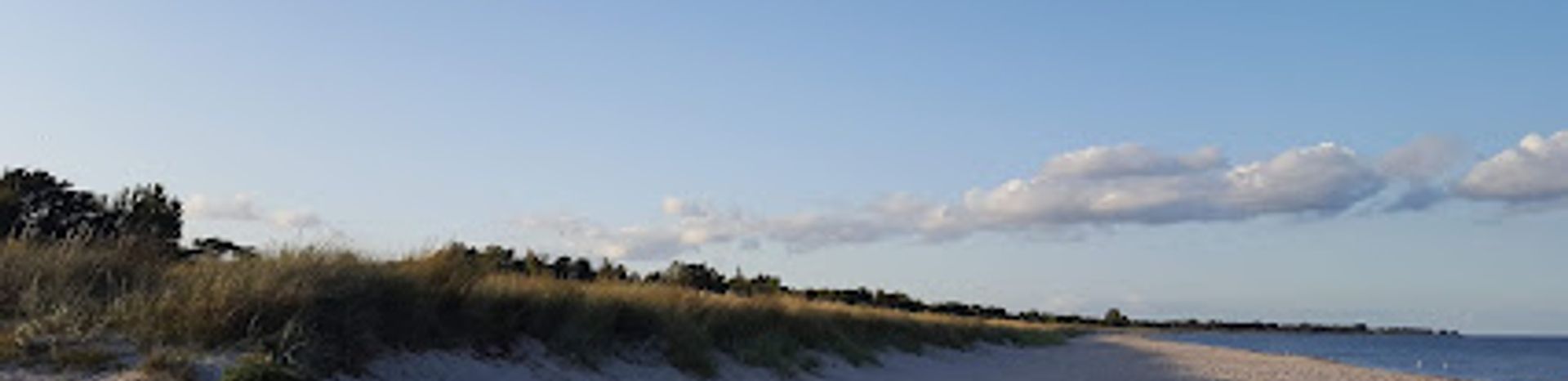
A long, soft ribbon of Baltic sand backed by dunes, dyke path and a cosy holiday town, Marielyst blends easy seaside fun with big skies and quietly beautiful light.
Marielyst, on the Baltic coast of Falster, is one of Denmark’s classic seaside resorts, famed for its long ribbon of soft white sand, shallow child‑friendly waters, and big‑sky sunrises and sunsets. Backed by low dunes and a protective dyke with a walking path, the beach runs for many kilometres, inviting lazy days on the sand, bracing winter walks and golden-hour photography. Just behind the shoreline, the compact holiday town offers cafés, ice-cream stalls, mini-golf and summer buzz, making Marielyst a relaxed yet lively base for families and couples.
A brief summary to Marielyst
- Digevej, Væggerløse, Marielyst, 4873, DK
- Duration: 1.5 to 8 hours
- Free
-
 Outdoor
- Mobile reception: 4 out of 5

Know before you go
Hi, I'm Eve. Here are a few practical things to know before exploring Marielyst.
- Bring or rent a windbreak and extra layers: even on sunny days the Baltic breeze can feel cool on the open beach.
- Walk a kilometre or two along the shore, north or south of the main access, to find quieter stretches of sand in high season.
- Use the dyke path for long walks or runs with constant sea views and firmer footing than the loose dry sand.
- Pack snacks and water for shoulder-season visits, as some kiosks and beachside cafés operate mainly in summer.
- Stay for both sunrise and late evening if you can; the low Baltic light creates very different moods worth experiencing.
Do you manage this location?
Take control to get all the benefits, like improved information, better appearance, and stronger visibility across AI-powered discovery. Learn more
Activate your presenceOther nearby places you may find interesting
The closest places of the same kind, if this one is not quite what you had in mind.
Explore Marielyst on the Map
A handpicked selection of must-see spots near Marielyst, mapped for you.
Getting There
-
Car from Nykøbing Falster
From central Nykøbing Falster, driving to Marielyst Beach typically takes 20–30 minutes, depending on traffic and season. The route follows main local roads across Falster and is straightforward. Parking near the beach is generally free or low-cost, but in July and August spaces close to the water can fill by late morning, so arriving earlier in the day helps. The drive is flat and suitable for all standard vehicles year-round, though allow extra time in peak holiday weeks.
-
Bus from Nykøbing Falster
Regional buses connect Nykøbing Falster with Marielyst, with journey times usually around 30–45 minutes. Services run more frequently in summer and less often in the evening and on weekends, so checking the current timetable before travel is important. A one-way adult ticket typically costs about 30–50 DKK, with discounts for children. The bus stops in or near the central Marielyst area, from where it is a short, level walk on paved or firm paths to the beach.
-
Bicycle from nearby Falster
Cycling to Marielyst Beach is a popular option from nearby villages on Falster, such as Væggerløse or Idestrup. Distances from these settlements are often 5–10 km, taking roughly 20–45 minutes by bike on mostly flat terrain. Many routes use small country roads or signposted cycle paths, though some stretches share space with local traffic. This is a low-cost option, but strong winds along the open landscape can make the ride feel longer, and lighting is limited after dark.
For the on-the-go comforts that matter to you
-
 Restrooms
-
 Drink Options
-
 Drinking Water
-
 Food Options
-
 Seating Areas
-
 Sheltered Areas
-
 Trash Bins
-
 Information Boards
-
 Visitor Center
Discover more about Marielyst
Where Falster Meets the Baltic Sea
Marielyst Beach stretches along the eastern edge of Falster, where the Baltic Sea rolls in over a wide shelf of pale sand. Here the coastline feels open and generous, with a distinctly horizontal landscape: low dunes, a long dyke and an almost endless band of beach that seems to dissolve into the horizon. The sea is usually calm, and the shallows run far out, which makes this coastline especially welcoming for families with younger swimmers.The sand is soft and fine underfoot, inviting bare feet from the moment you step off the dune path. On clear days the water shifts from steel-blue in the distance to translucent turquoise over the sandbars near shore. In the shoulder seasons, when the holiday houses are quiet, the same stretch feels remarkably peaceful, with only birds, waves and the wind in the dune grass to keep you company.Shaping of a Holiday Paradise
The landscape you see today is the product of both ice and human ingenuity. At the end of the last Ice Age, retreating glaciers left a long ridge of sand, clay and stones along Falster’s coast. Over thousands of years, the sea and wind reworked this material into dunes and spits, gradually knitting together what were once separate islands into a continuous shoreline.In the 19th century, major floods spurred efforts to protect and reclaim land behind the dunes. A dyke was built and low-lying areas were drained, opening the way for farming and later holiday development. An old farmhouse named Marielyst became the nucleus of the resort in the early 1900s, and from there summer houses, guesthouses and small hotels slowly spread along the coast, always anchored by the beach itself.Life Between Dunes, Dyke and Holiday Town
Standing on the sand, you are caught between two worlds: the natural line of dunes and the deliberately engineered dyke just behind them. The dyke carries a narrow path that runs for many kilometres, popular with walkers and joggers who want constant sea views without trudging through loose sand. Benches placed at intervals offer quiet spots to linger above the waterline.Step inland over the dyke and the atmosphere changes quickly. Holiday homes peek from behind pines and sea buckthorn, and in the central area a compact strip of cafés, ice-cream parlours, shops and arcades brings a lighthearted, vacation-town feel. In summer there is the sound of clinking cutlery from outdoor terraces, children darting between mini-golf and playgrounds, and the occasional music drifting from a bar or seasonal venue.Colors of the Sky and Changing Seasons
Marielyst’s position on the east coast of Falster makes it particularly rewarding at the bookends of the day. Early risers watch the sun lift straight out of the Baltic, painting the water in pastel shades of pink and gold. On clear evenings the sky can flare orange behind the low inland landscape, while the beach itself falls into cool blue twilight, perfect for contemplative strolls.Seasonal changes are marked but gentle. Summer brings warm sands, kite-flying breezes and the chatter of Danish, German and other languages mingling along the shoreline. Autumn often delivers crisp air and dramatic cloudscapes, with migrating birds crossing overhead. Winter strips things back to essentials: wind, waves, and the rhythmic roar of the sea against a nearly empty beach. Spring returns light and wildflowers to the dunes, hinting at the busy months ahead.Nature, Birdlife and Nearby Coastline
Beyond the main bathing zone, the coastline continues as a wilder sweep of sand and dunes. To the south, areas like Bøtø Strand feel more secluded, with fewer facilities and a stronger sense of open nature. Inland from parts of the coast, reclaimed wetlands and small woods provide habitat for birds and other wildlife, drawing walkers who enjoy quieter paths away from the central resort.Even when the town is lively, the beach itself offers space. Move a short distance along the shore and you can usually find your own patch of sand, whether you are here for a brisk run, a long contemplative walk or a simple day of sandcastles and sea swims. That blend of easy facilities and room to breathe is a large part of Marielyst’s enduring appeal.Experiencing Marielyst in Your Own Way
There is no single way to use this beach. Some visitors spread blankets near the main access points and settle in for a classic seaside day, with short forays to nearby kiosks and cafés. Others trace the waterline for kilometres, letting the firm wet sand under their feet dictate the pace. Photographers and painters are drawn to the wide skies and subtle shifts of light over water and dunes.Whether you come for an afternoon or a week, Marielyst Beach reveals itself slowly. First as an expanse of sand and sea, then as a lived-in coastal landscape with its own history, rhythms and small details: the rustle of dune grass, the creak of the wooden pier, the silhouette of a lone kite high above the Baltic. It is a place designed for holidays, yet still firmly rooted in the land and sea that made it possible.












Your all‑in‑one travel companion app
Explore expert travel guides, compare and book tours, experiences, hotels, and more—all from the palm of your hand. Download now for seamless trip planning wherever your wanderlust takes you.


Explore More of Gedser Odde
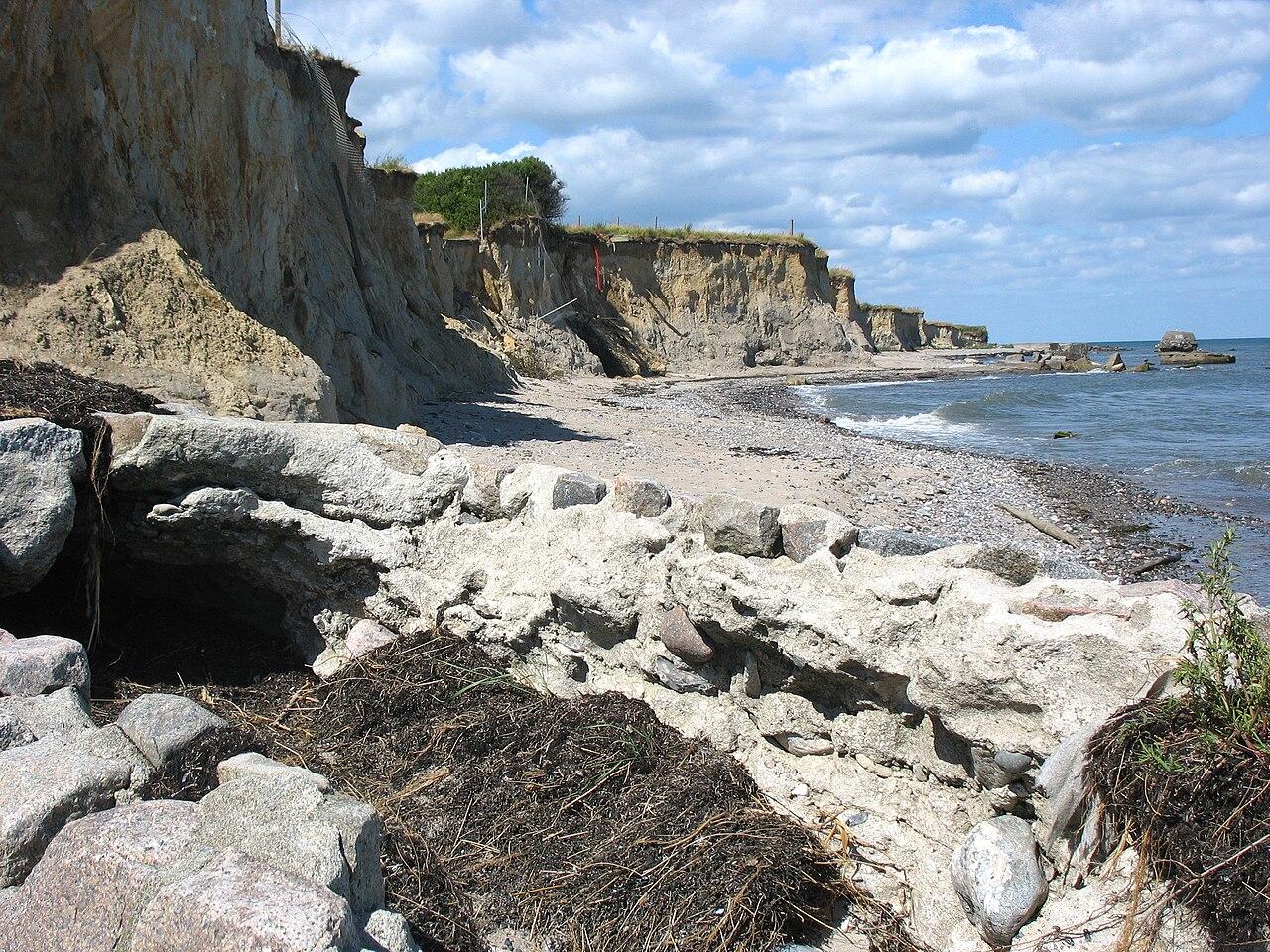
Looking beyond Marielyst? Discover Gedser Odde for broader travel guides, local hot-spots, and regional highlights.
Explore Gedser Odde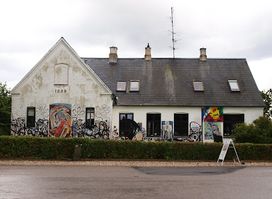
Colourful rural gallery and sculpture garden on Falster, blending Cobra-inspired art, changing exhibitions and a relaxed farmhouse setting with free entry.
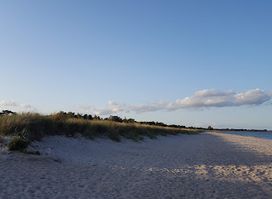
Long white sands, shallow Baltic waters and a compact, lively holiday village make Marielyst Falster’s classic seaside escape for families and easygoing beach days.
