Det Falsterske Dige Travel Guide
Free Guide: Long, low and windswept, Det Falsterske Dige is Falster’s coastal backbone: a working sea wall that doubles as a tranquil walking and cycling route with wide Baltic views.


A brief summary of Det Falsterske Dige
Long, low and windswept, Det Falsterske Dige is Falster’s coastal backbone: a working sea wall that doubles as a tranquil walking and cycling route with wide Baltic views.
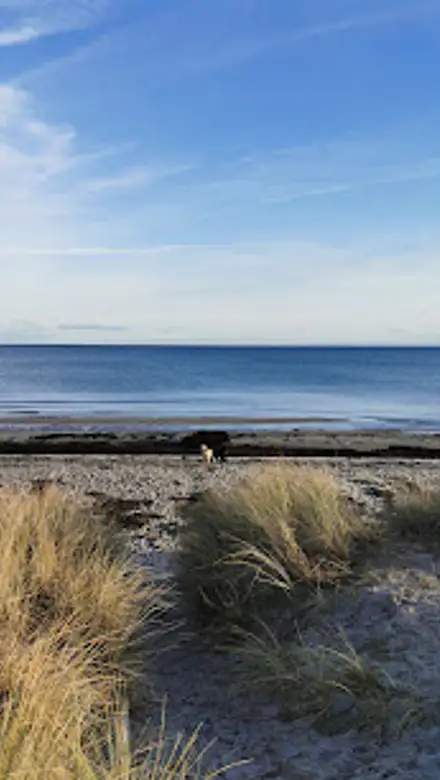
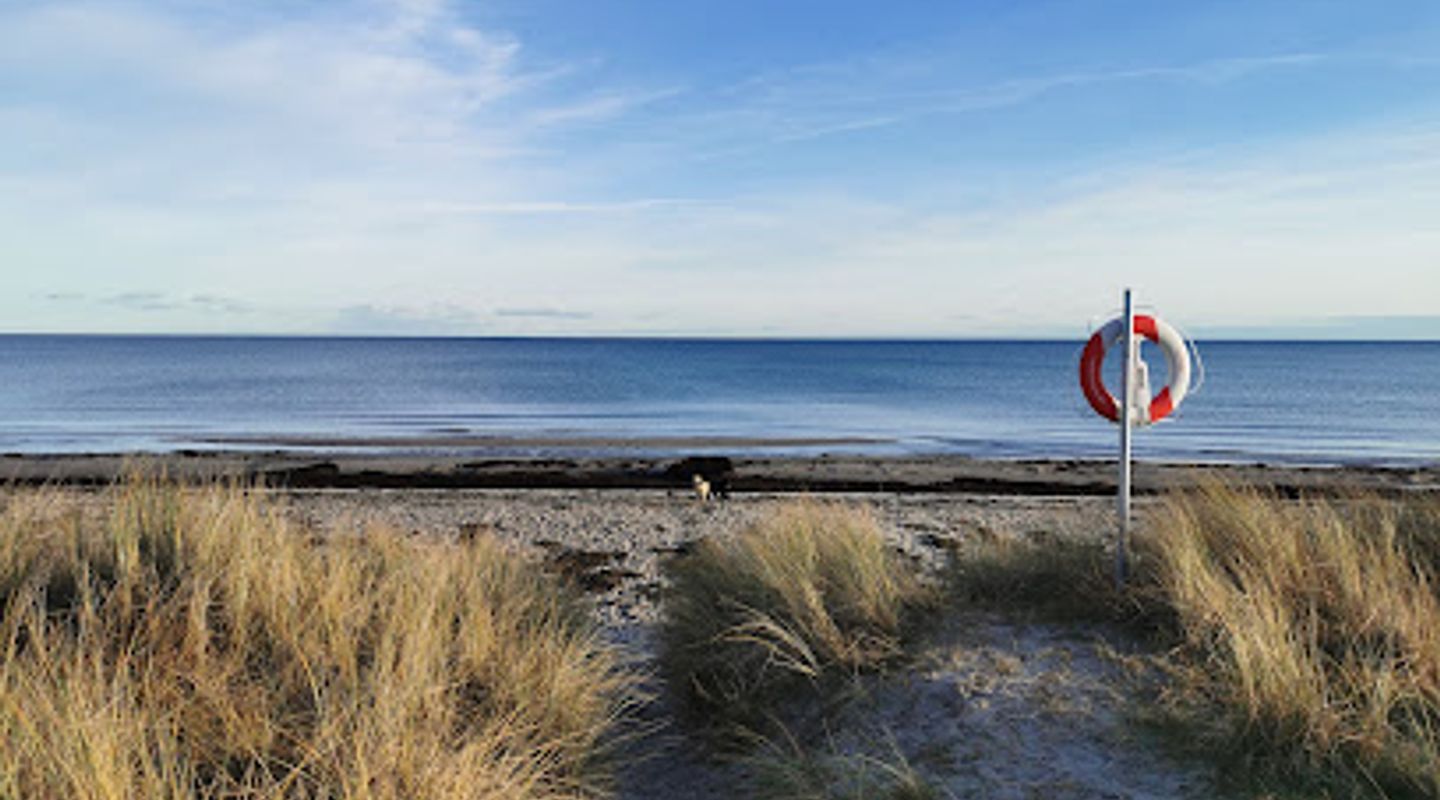
Det Falsterske Dige is a long coastal dike on the southeast coast of Falster near Marielyst, protecting low-lying farmland and holiday areas from storm surges while doubling as a scenic walking and cycling route. Raised above the surrounding landscape, it offers wide Baltic Sea views on one side and a patchwork of fields, dunes and summer houses on the other. This is a quietly dramatic place where engineering, coastal nature and big skies meet in a single horizon line.
On-site amenities
 Restrooms
 Drink options
 Drinking water
 Food options
 Seating areas
 Trash bins
 Information boards
Opening hours
- Every dayOpen 24 hours
Opening hours as listed on the venue’s Google Business Profile. Hours can change for services and special events, so check with the venue before you go.
- Address
- Digevej, 4873 Væggerløse
Getting there
Car
Public bus
Bicycle
Discover more about Det Falsterske Dige
A Sea Wall Shaping the Coast of Falster
Det Falsterske Dige is more than a pleasant coastal path: it is a substantial flood defence stretching for many kilometres along Falster’s exposed Baltic shore. Built to protect low-lying fields, villages and later the growing holiday area around Marielyst, the dike has subtly but decisively shaped how people live with the sea here. Behind it lie reclaimed meadows and agricultural land lying only a few metres above sea level, while on the seaward side the beach, dunes and waves absorb the Baltic’s restless energy.Walking along the broad crest, you can read this story in the landscape itself. On stormy days the wind whips across from the water, making it easy to imagine the surges that once flooded this coast and prompted the construction of the barrier. On calm summer evenings, the same structure feels almost invisible, blending into the dunes and long, pale beach that draws visitors from across Denmark.
Coastal Landscapes and Baltic Horizons
From the top of the dike, the views are characteristically big and horizontal. To the east the Baltic Sea stretches out, often in muted tones of grey-blue, with sandbars and shallow water creating subtle bands of colour. Gulls wheel overhead, and in migration seasons you may spot skeins of geese and waders moving purposefully along the flyway. The soundscape is dominated by surf and wind, punctuated now and then by distant voices from the beach or the rustle of grasses.Turn inland and the atmosphere shifts completely. Here the dike frames a quieter countryside: fields striped with crops, drainage channels cutting geometric lines through the flat terrain, and clusters of holiday cottages around Marielyst. In some places, small patches of wet meadow and reeds attract songbirds and occasional herons, adding a softer, wilder note to an otherwise heavily managed landscape.
A Straight Line Made for Walking and Cycling
The dike’s gently undulating track makes it an inviting route for walkers, joggers and cyclists looking for level ground and uninterrupted sea air. Sections near Marielyst are especially popular for casual strolls at sunrise or sunset, when the light slants low over the water and the beach below begins to empty. The grass or gravel surface is generally easy underfoot, though exposed to weather; on windy days you feel every gust, and in winter the chill can be biting.Because the route runs along the top of the flood defence, there are frequent opportunities to drop down to the beach or inland roads and then rejoin the dike further along. This creates flexible out‑and‑back or loop walks, whether you want a brief leg-stretch or a half‑day outing. Benches are scarce, but the wide crest itself often serves as an impromptu picnic spot.
Engineering, Maintenance and Coastal Change
Det Falsterske Dige is actively managed, with local authorities and dike associations responsible for ensuring that the structure withstands heavy seas and public use. Vegetation on the slopes is kept low to protect the integrity of the embankment, and surfacing is periodically improved where foot traffic is heaviest. The dike must balance its protective role with regulations on nature protection, ensuring that people can enjoy the route without damaging dune systems or bird habitats.Along its length you can see subtle signs of this ongoing work: repaired sections where storms have bitten into the seaward toe, upgraded surfacing on the path, or fenced areas where sensitive dunes are being allowed to recover. In some stretches, beach nourishment projects have widened the sandy shore in front of the dike, reminding visitors that this coastline is still changing, and that the wall is one chapter in a longer story of human adaptation to the sea.
A Quiet Counterpoint to Busy Marielyst
While Marielyst itself buzzes in summer with ice-cream kiosks, family attractions and beach activities, the dike provides a quieter counterpoint only a short walk away. Climb up from the resort streets and you are suddenly in a linear landscape of big skies and open wind, where the main company is dog walkers, cyclists and the occasional kite surfer visible out on the water.This contrast is part of the appeal: you can spend the morning amid the bustle of the resort, then escape to the dike for an hour of sea breeze and horizon-gazing. Even in peak season, it is usually easy to find a section where the only sounds are waves and wind in the grass, making Det Falsterske Dige a valuable breath of space along one of Denmark’s most visited holiday coasts.
Evendo Review Centre
 Google
Guest reviews
Best time to go
Quietest: Jan, Feb & Mar · before 7am
Busy times are Evendo estimates for a typical year, to help you plan. Actual crowds vary with events, school holidays and the weather.
Explore Det Falsterske Dige on the map
A handpicked selection of must-see spots near Det Falsterske Dige, mapped for you.
Get your free copy of our complete guide to Det Falsterske Dige, delivered straight to you.
Everything on this page, from opening hours and how to get there to Eve’s tips and the best time to go, in one PDF you can read offline, print or share.
Already have an account? Sign in
Your Det Falsterske Dige guide is ready.
We'll send it to · Not you? Sign out

Getting your guide ready…
We are putting together a fresh copy of the Det Falsterske Dige guide. This can take up to a minute.
This can take a few moments. If your browser asks, choose Allow so the download can start. You'll find the guide in your Downloads folder.
Nothing happened? Download it again
Sorry, the guide is taking longer than usual. Please try again in a minute, or get it by email instead.
Other nearby places you may find interesting
The closest places of the same kind, if this one is not quite what you had in mind.
-
-
-
-
-


Swipe for more places
More to explore near Det Falsterske Dige

 Best experiences near Det Falsterske Dige
 Best hotels near Det Falsterske Dige
 Best landmarks near Det Falsterske Dige
 Best attractions near Det Falsterske Dige
 Best shops near Det Falsterske Dige
 Best restaurants near Det Falsterske Dige
 Best bars near Det Falsterske Dige
Do you manage this location?
Take control to get all the benefits, like improved information, better appearance, and stronger visibility across AI-powered discovery.
Explore more

Explore more of Falster
Discover Falster: A blend of serene beaches, rich history, and lush landscapes in Denmark's southern island treasure.
Explore Falster
Explore more of Denmark
Discover Denmark: A perfect blend of history, modern design, and the cozy concept of hygge. Explore vibrant cities, serene landscapes, and world-class cuisine.
Explore Denmark