
Frilandsmuseet - De gamle Huse, Lolland Travel Guide
Open-air museum village in Maribo Lakes Nature Park where historic houses, a windmill and gardens bring 19th‑century rural life on Lolland-Falster vividly to life.
De Gamle Huse in Maribo is an atmospheric open-air museum set in the Maribo Lakes Nature Park, where historic thatched timber-framed houses from Lolland-Falster recreate rural life around 200 years ago. Wander between farmsteads, a school, priest’s house and workshops, step into furnished interiors and see original tools and everyday objects. Seasonal activities, hands-on crafts and the lakeside setting make it a rewarding stop for families, history lovers and slow travellers alike.
A brief summary to Frilandsmuseet - De gamle Huse
- Meinckes Vej 5, Maribo, 4930, DK
- Click to display
- Click to display
- Duration: 1.5 to 3 hours
- Mid ranged
-
 Outdoor
- Mobile reception: 4 out of 5
- Monday 10 am-5 pm
- Tuesday 10 am-5 pm
- Wednesday 10 am-5 pm
- Thursday 10 am-5 pm
- Friday 10 am-5 pm
- Saturday 10 am-5 pm
- Sunday 10 am-5 pm

Know before you go
Hi, I'm Eve. Here are a few practical things to know before exploring Frilandsmuseet - De gamle Huse.
- Allow at least two hours to wander slowly between the houses and read the displays; the site is compact but rich in detail and stories.
- Check the museum’s current program in advance if you are interested in craft demonstrations or special seasonal events for children.
- Wear comfortable shoes suitable for uneven paths and grass, and bring a light jacket as the site is exposed to wind and changing weather.
- Combine your visit with a lakeside walk in Maribo Lakes Nature Park to appreciate the connection between the historic village and surrounding landscape.
Do you manage this location?
Take control to get all the benefits, like improved information, better appearance, and stronger visibility across AI-powered discovery. Learn more about listing your business on Evendo
Activate your presenceOther nearby places you may find interesting
The closest places of the same kind, if this one is not quite what you had in mind.
Explore Frilandsmuseet - De gamle Huse on the Map
A handpicked selection of must-see spots near Frilandsmuseet - De gamle Huse, mapped for you.
Getting There
-
Regional train and short walk from Nykøbing Falster
Take a regional train to Maribo Station from Nykøbing Falster; the journey usually takes 25–35 minutes with frequent departures during the day and moderate fares in the range of 40–80 DKK one way in standard class. From the station, plan for a gentle walk of around 20–30 minutes through town streets and parkland on mostly level ground. The route is suitable for most visitors, though those with limited mobility may prefer a taxi for the final stretch, especially in bad weather.
-
Car from Rødby or local towns
Driving from Rødby or nearby towns typically takes 20–30 minutes on main roads crossing Lolland’s flat countryside. There is usually signed access to Maribo’s attractions and public parking areas close to the museum area, but spaces can fill up on busy summer days and during special events. Parking is generally free or low-cost in this part of Denmark; expect any paid parking to be in the range of 10–20 DKK per hour where it applies. The approach roads are straightforward and suitable for standard vehicles in all seasons.
-
Local bus within Lolland-Falster
Several local bus lines connect Maribo with surrounding towns on Lolland-Falster, offering a practical option if you are staying nearby without a car. Travel times vary between 15 and 45 minutes depending on route and origin, with typical single-ticket prices in the region of 25–40 DKK. Services run more frequently on weekdays than weekends, and evening departures can be limited, so it is wise to check the current timetable in advance. From central Maribo bus stops, you should expect a pleasant walk of around 15–25 minutes on paved paths to reach the open-air museum area.
For the on-the-go comforts that matter to you
-
 Restrooms
-
 Drink Options
-
 Food Options
-
 Seating Areas
-
 Picnic Areas
-
 Trash Bins
-
 Information Boards
-
 Visitor Center
Discover more about Frilandsmuseet - De gamle Huse
A village museum in the heart of nature
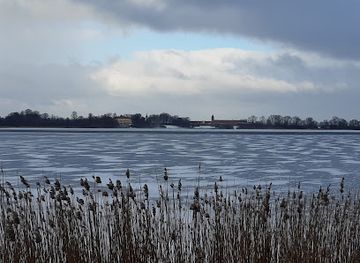
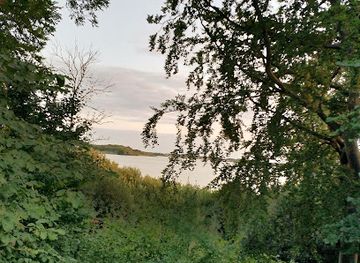
De Gamle Huse is Maribo’s evocative open-air museum, laid out like a small 19th‑century village on the edge of the Maribo lakes. Here, historic buildings from across Lolland-Falster have been carefully moved and reassembled, creating a compact landscape of timber-framed farmhouses, barns and cottages surrounded by fields, gardens and fruit trees. The setting inside Maribo Lakes Nature Park adds a tranquil, almost timeless backdrop of reed-fringed water and bird calls.The museum was established in the 1920s and has grown into a carefully curated snapshot of rural Denmark before industrialization reshaped the countryside. Paths wind between thatched roofs and whitewashed walls, with each house telling a different story of local life and work.Stepping 200 years back in time
Cross a threshold here and you step straight into the early 1800s. Interiors are furnished with heavy wooden beds, open hearths, painted cupboards and everyday utensils that once belonged to real families from the region. In one house you sense the modest comfort of a farmer of means; in another, the cramped quarters of a farm labourer or smallholder.Special attention is given to the people who shaped village life: the priest in his rectory, the schoolteacher in the simple classroom, the blacksmith at his forge. Together, they form a vivid picture of a tightly knit community where work, faith and education were embedded in the rhythm of the seasons.Craft, work and the oldest windmill
De Gamle Huse is also a museum of old skills. Across the grounds you can see tools, wagons and farm equipment that once powered agriculture long before tractors. One striking feature is an old post mill, often highlighted as one of Denmark’s oldest surviving windmill types, standing on its sturdy wooden base to catch the changing winds.In gardens and outbuildings, small exhibitions explain traditional crafts such as fence weaving, whitewashing and clay plastering. On selected days, staff demonstrate techniques or invite visitors to try simple tasks, bringing abstract history to life through textures, sounds and smells.Gardens, textiles and seasonal atmosphere
Around the houses, working plots and cottage gardens show how families grew food, herbs and dye plants. A dedicated plant hut focuses on textiles and textile production, explaining how fibres became yarn and cloth, and how regional dress and patterns expressed local identity.The museum changes character with the seasons. In summer, the grass, orchards and kitchen gardens frame lazy explorations and picnics. At other times of year, themed days and atmospheric events might highlight harvest traditions or winter customs, using the historic settings as a stage for stories about belief, superstition and celebration.A family-friendly window onto Lolland-Falster
While De Gamle Huse appeals strongly to history enthusiasts, it is equally designed for families. Simple games, activity trails and child-friendly explanations make it easy for younger visitors to grasp how different everyday life once was, from fetching water to sharing beds and schooling in a single-room classroom.The museum also serves as an introduction to the wider Maribo Lakes Nature Park. After exploring the houses, many visitors linger to enjoy the lakeside views, listen for birds and absorb the quiet rural landscape that still surrounds Maribo today, linking the reconstructed village to the living countryside beyond the museum fences.More to explore near Frilandsmuseet - De gamle Huse













Your all‑in‑one travel companion app
Explore expert travel guides, compare and book tours, experiences, hotels, and more—all from the palm of your hand. Download now for seamless trip planning wherever your wanderlust takes you.


Explore More of Lolland
Looking beyond Frilandsmuseet - De gamle Huse? Discover Lolland for broader travel guides, local hot-spots, and regional highlights.
Explore Lolland
Intimate island museum beside Maribo Station, bringing 10,000 years of Lolland-Falster history to life from Stone Age girl Lola to rune stones and storm surges.
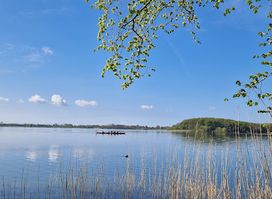
Island-dotted lakes, soaring sea eagles and gently rolling manor landscapes meet in this protected nature park on Lolland, inviting slow exploration by trail and water.
