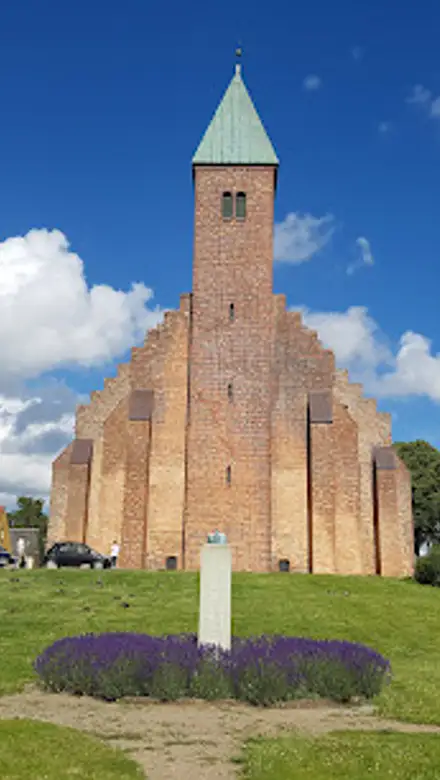
Maribo Cathedral Travel Guide
Free Guide: Lakeside Gothic cathedral in Maribo, born as a Bridgettine monastery church and now a serene window onto Danish medieval faith, royal drama and monastic heritage.


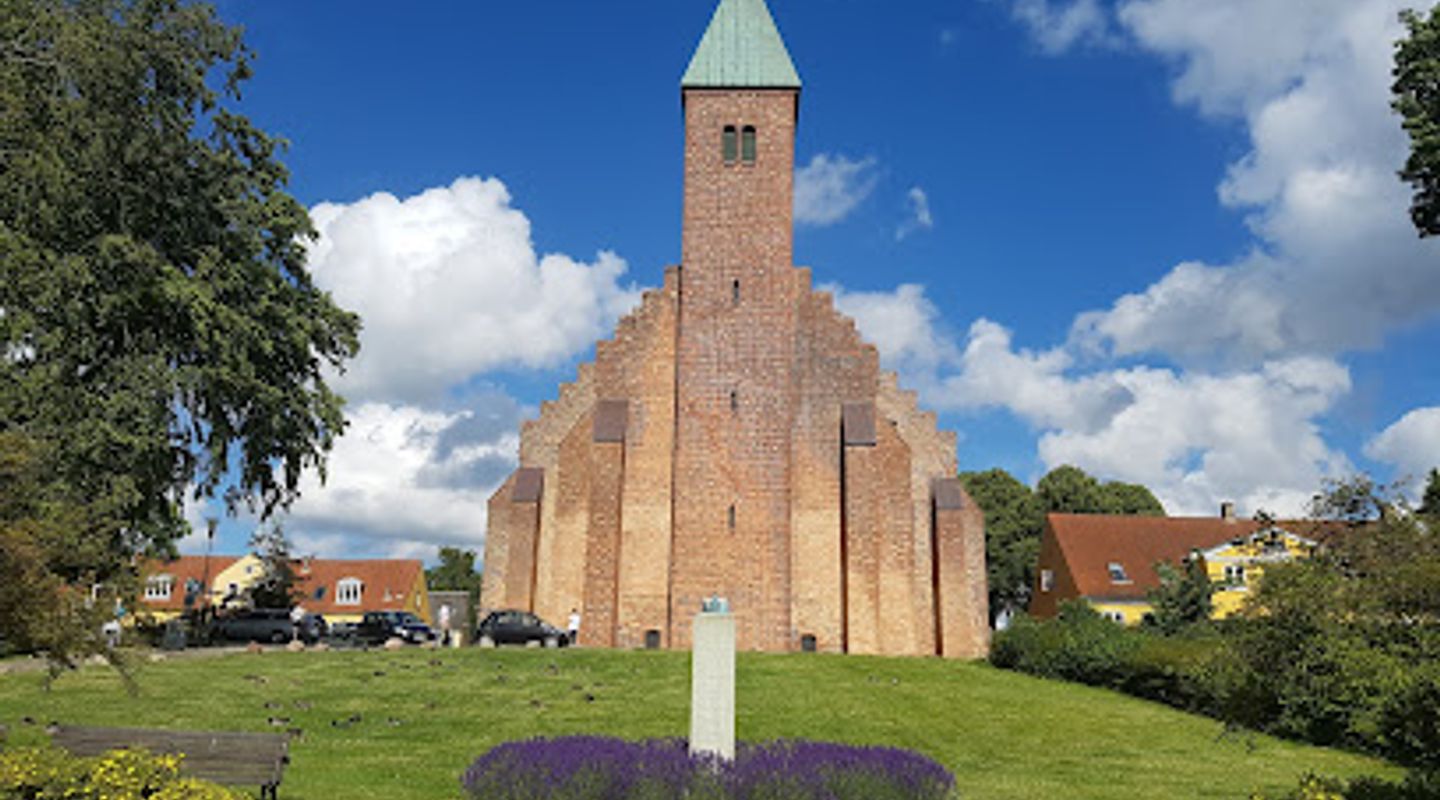
A brief summary of Maribo Cathedral
Lakeside Gothic cathedral in Maribo, born as a Bridgettine monastery church and now a serene window onto Danish medieval faith, royal drama and monastic heritage.
Maribo Cathedral rises above the lakeside town of Maribo as a former 15th‑century Bridgettine monastery church turned Lutheran cathedral. Overlooking the reed-fringed waters of Maribo Lakes Nature Park, its red-brick Gothic walls, vaulted interior and historic tombs – including that of Leonora Christina – tell the intertwined story of medieval monastic life, royal intrigue and Danish church history in a single atmospheric space.
On-site amenities
 Restrooms
 Seating areas
 Information boards
 Trash bins
Opening hours
- Every day9 am–5 pm
Opening hours as listed on the venue’s Google Business Profile. Hours can change for services and special events, so check with the venue before you go.
- Address
- Maribo Domkirke, Klostergade 33, 4930 Maribo
- Phone
- Website
Getting there
Regional train and short walk
Car from Rødbyhavn ferry area
Bus from nearby Lolland towns
Discover more about Maribo Cathedral
A lakeside cathedral with monastic roots
Maribo Cathedral began life in the early 15th century as the church of a Bridgettine double monastery, housing both nuns and monks in separate cloisters around a shared spiritual centre. Set on the shore of the largest of the Maribo lakes, the church was conceived in the red-brick Gothic typical of medieval Denmark, with high walls, buttresses and an austere exterior that contrasts with the softness of the surrounding water and reeds.In 1803–1804, long after the Reformation had dissolved the abbey, the former monastery church was elevated to cathedral status for the new Lutheran diocese of Lolland-Falster. The building thus bridges two eras: Catholic monastic foundation and Protestant episcopal church. Later restorations in the 19th century sought to bring back a more medieval character, so visitors today encounter an interior that deliberately echoes its monastic past.
Inside the vaulted nave
Stepping through the portal, you enter a tall, cool nave where ribbed vaults are carried on sturdy brick pillars. The long, single-aisle space draws your gaze towards the chancel, where the altar and choir are framed by pointed arches and filtered light from tall windows in the eastern end. The atmosphere is contemplative rather than ornate, with whitewashed walls that accentuate the building’s volumes and rhythm.Wood-carved furnishings add warmth: a pulpit with sculpted panels, an organ loft overlooking the nave and pews polished by centuries of use. Scattered around the interior are memorial tablets, coats of arms and carved epitaphs, reminders that this has long been a burial church for local nobility and clergy. The interplay between bare brick, pale plaster and dark wood gives the interior a quietly dramatic character.
Leonora Christina and stories in stone
One of the cathedral’s most evocative features is its connection to Leonora Christina, daughter of King Christian IV. After long imprisonment for her husband’s political intrigues, she spent her final years associated with Maribo’s monastic community in the late 17th century. Her grave and crypt can still be seen in the church, and a memorial stone stands by the west gable.Her story brings a human and royal dimension to the building, linking this relatively small provincial cathedral to the power struggles of the Danish court. Around her tomb and other burials, sculpted decorations and inscriptions offer glimpses into lives marked by faith, hardship and status. Reading names and dates set into the walls adds a biographical layer to the otherwise abstract architecture.
Traces of the vanished monastery
Outside the main church, low ruins mark where the Bridgettine monastery buildings once enclosed quiet cloisters and workspaces. Stone paving in the grass outlines the footprint of long-vanished walls, suggesting refectory, dormitories and chapter house. Walking among these traces, it is easy to imagine the daily routines of prayer, study and labour that structured life here before the Reformation.The cathedral’s position at the edge of Maribo Lakes Nature Park heightens this sense of seclusion. Water birds skim the surface of the lake, and trees line the shore just beyond the churchyard. The combination of cultural monument and protected landscape makes the site as much about environment as about stone and brick.
Experiencing Maribo Cathedral today
Today the cathedral functions as an active parish and diocesan church, hosting services, concerts and quiet personal visits. It is generally open during the day, inviting you to slip inside for a short pause between walks along the lake or explorations of Maribo’s compact historic centre. The lack of heavy ornamentation makes small details stand out: a shaft of light on brick, the sound of footsteps on stone, the faint scent of wax.Many visitors combine time in the nave with a stroll around the churchyard and down to the lakeshore paths. From certain angles, the cathedral’s tower and gables form a striking silhouette against the open sky and water, especially in late afternoon light. Whether you stay briefly or linger, Maribo Cathedral offers a layered encounter with Danish religious, royal and local history in a remarkably peaceful setting.
Evendo Review Centre
 Google
Guest reviews
Best time to go
Quietest: Jan, Feb & Mar · before 7am or from 8pm
Busy times are Evendo estimates for a typical year, to help you plan. Actual crowds vary with events, school holidays and the weather.
Explore Maribo Cathedral on the map
A handpicked selection of must-see spots near Maribo Cathedral, mapped for you.
Get your free copy of our complete guide to Maribo Cathedral, delivered straight to you.
Everything on this page, from opening hours and how to get there to Eve’s tips and the best time to go, in one PDF you can read offline, print or share.
Already have an account? Sign in
Your Maribo Cathedral guide is ready.
We'll send it to · Not you? Sign out

Getting your guide ready…
We are putting together a fresh copy of the Maribo Cathedral guide. This can take up to a minute.
This can take a few moments. If your browser asks, choose Allow so the download can start. You'll find the guide in your Downloads folder.
Nothing happened? Download it again
Sorry, the guide is taking longer than usual. Please try again in a minute, or get it by email instead.
Other nearby places you may find interesting
The closest places of the same kind, if this one is not quite what you had in mind.
-
Labyrint Lolland-Falster Lose yourself in a leafy forest maze where quiz clues, gentle trails and fresh Lolland-Falster air turn getting lost into an easygoing family adventure.
-
Evolution Museet World-class real dinosaur fossils and a 300-million-year journey through evolution, set inside Denmark’s Knuthenborg Safaripark on the island of Lolland.
-
Lupinmark A seasonal sea of lupins turning the Lolland farmland into a vivid carpet of color, perfect for a peaceful countryside pause and striking photographs.
-
Skelsnæs-pavillionen A restored 1822 forest pavilion on a lakeside promontory in Naturpark Maribosøerne, offering peaceful picnic shelter amid historic woods and bird‑rich waters.
-
Relic of the Castle Revshale Subtle grassy earthworks on Borgø Island where a forgotten royal fortress, fierce 13th‑century battles and the serene Maribo Lakes Nature Park meet.
Swipe for more places
More to explore near Maribo Cathedral

 Best experiences near Maribo Cathedral
 Best hotels near Maribo Cathedral
 Best landmarks near Maribo Cathedral
 Best attractions near Maribo Cathedral
 Best shops near Maribo Cathedral
 Best restaurants near Maribo Cathedral
 Best bars near Maribo Cathedral
Do you manage this location?
Take control to get all the benefits, like improved information, better appearance, and stronger visibility across AI-powered discovery.
Explore more
Explore more of Lolland
Discover Lolland, Denmark's tranquil island retreat, offering lush landscapes, historic sites, and delightful local cuisine for an unforgettable escape.
Explore Lolland
Explore more of Denmark
Discover Denmark: A perfect blend of history, modern design, and the cozy concept of hygge. Explore vibrant cities, serene landscapes, and world-class cuisine.
Explore Denmark