Naturpark Maribosøerne Travel Guide
Free Guide: Island-dotted lakes, soaring sea eagles and gently rolling manor landscapes meet in this protected nature park on Lolland, inviting slow exploration by trail and water.


A brief summary of Naturpark Maribosøerne
Island-dotted lakes, soaring sea eagles and gently rolling manor landscapes meet in this protected nature park on Lolland, inviting slow exploration by trail and water.
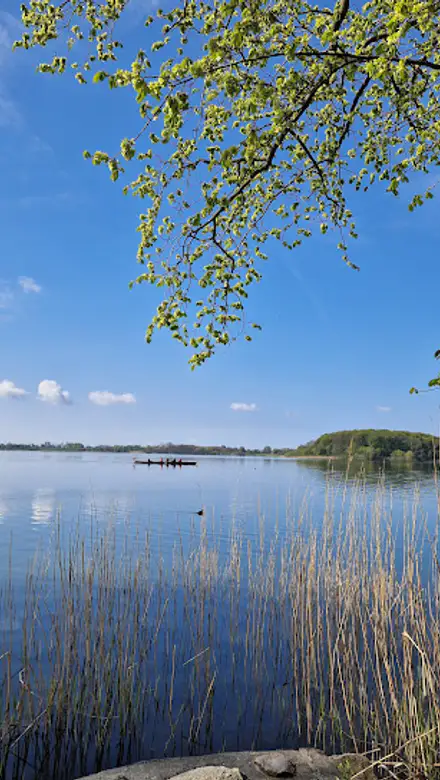
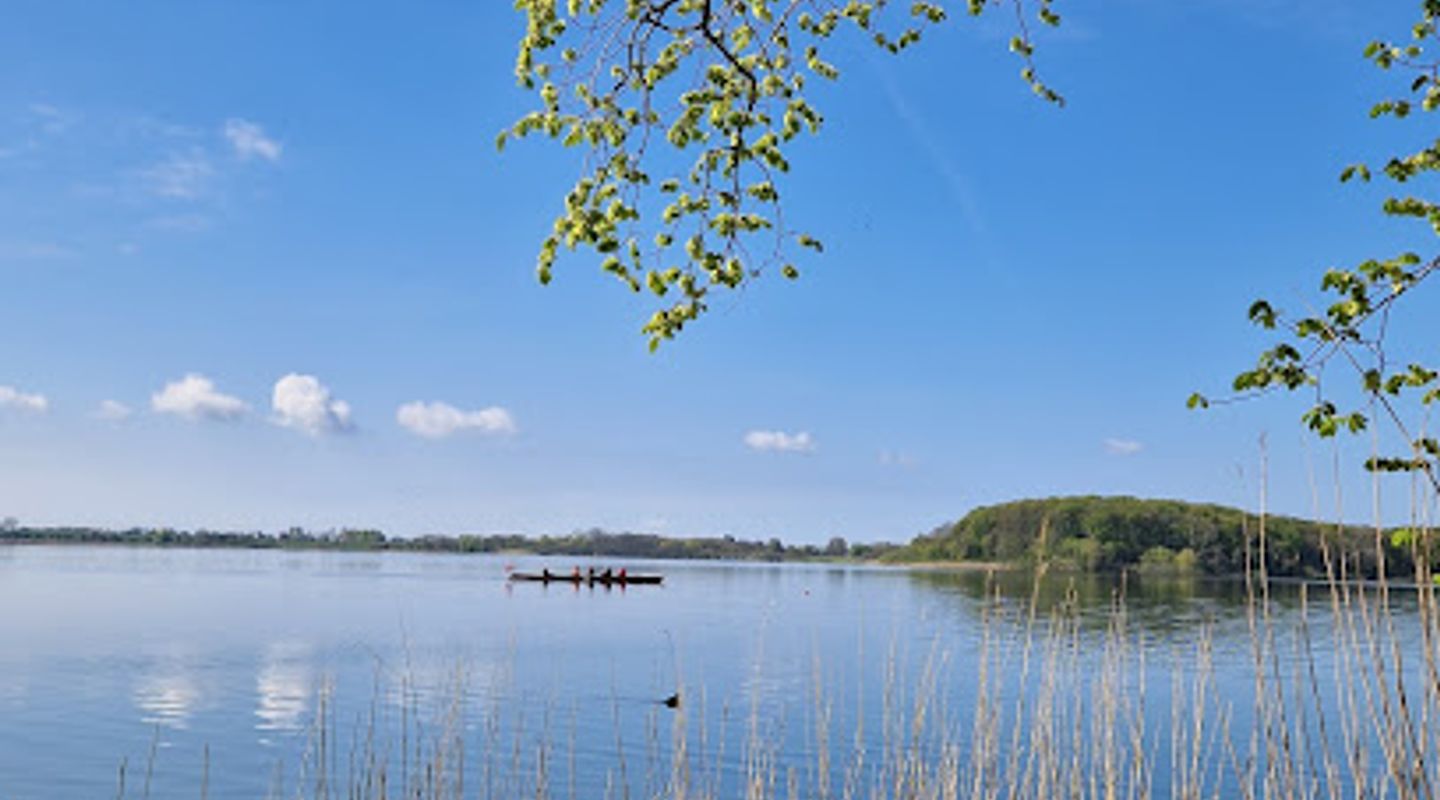
Naturpark Maribosøerne spreads out around the Maribo Lakes in the heart of Lolland, a protected nature park of reed-fringed shorelines, wooded slopes and manor landscapes. Denmark’s most island-dotted freshwater system is a haven for white‑tailed eagles, ospreys and countless waterbirds, with calm waters ideal for kayaking, canoeing and tour‐boat trips. Well-marked trails loop through meadows, forests and along the lakeshore, inviting slow walks, long bike rides and quiet moments on benches with wide views across the water.
On-site amenities
 Restrooms
 Drinking water
 Seating areas
 Sheltered areas
 Picnic areas
 Trash bins
 Information boards
 Visitor centre
Opening hours
- Mon–SatOpen 24 hours
- SunClosed
Opening hours as listed on the venue’s Google Business Profile. Hours can change for services and special events, so check with the venue before you go.
- Address
- Torvet 3, 4930 Maribo
- Phone
- Website
Getting there
Regional train and short walk from Nykøbing Falster
Car from Rødbyhavn ferry terminal
Cycling from Maribo town and nearby campsites
Guided boat or paddling tours on the lakes
Discover more about Naturpark Maribosøerne
Lakes, Islands and a Shaped-by-Ice Landscape
Naturpark Maribosøerne gathers four interconnected lakes – Søndersø, Nørresø, Hejrede Sø and Røgbølle Sø – and their surrounding hinterland into one cohesive protected landscape. Spread across more than a thousand hectares of water, this is one of Denmark’s largest freshwater systems and its most island-dotted lake area, with Søndersø alone sprinkled with dozens of small islands. The shoreline twists in and out of bays, reedbeds and wooded headlands, so every turn in the path reveals a different pattern of water and land.The terrain here feels surprisingly hilly by Lolland standards. Low ridges, kettle holes and gentle slopes are remnants of the last Ice Age, when retreating glaciers left behind great blocks of ice that slowly melted and depressed the land. Today, fields, meadows and patches of forest roll down towards the lakes, creating long views in which mirror-smooth water, dark woodland and bright farmland all share the same horizon.
Birdlife on an International Stage
Maribosøerne is celebrated as a bird reserve of international importance, and it does not take long to understand why. Overhead, white‑tailed eagles often patrol the thermals, broad wings catching the light, while in season ospreys hunt over the open basins, hovering briefly before plunging for fish. Closer to the waterline, greylag geese graze on shore and flocks of ducks raft together in the quieter corners of the lakes.Among the reedbeds and open water you may spot grebes performing courtship dances, herons standing statue‑still at the margins and cormorants drying their wings on half‑submerged branches. In spring and early summer, the park fills with birdsong from warblers and woodland species, weaving a soundtrack that follows you along the trails. Simple birdwatching platforms and unobtrusive viewpoints make it easy to watch this drama without disturbing its cast.
Historic Manors and Quiet Cultural Traces
Nature here is constantly interwoven with traces of human history. Around the lakes stand elegant manorial estates and old farms, their avenues and fields forming part of the wider park scenery. Hidden in the woods and on some of the islands are ancient monuments and remnants of medieval strongholds, reminders that these waters once guarded important routes and power bases.The nearby town of Maribo adds another layer of story. Its cathedral and former monastic buildings, though outside the core lakeshore, lend the park a contemplative air, as if the landscape itself were an extended cloister. Out on Borgø and Skelsnæs you encounter ruins and earthworks that hint at fortifications and past conflicts, yet today the loudest sounds are usually rustling leaves and calling birds rather than clashing steel.
Exploring on Foot, Two Wheels and the Water
Well-maintained paths and waymarked routes thread around the lakes, ranging from short family‑friendly loops to sections of long‑distance trails that skirt bays and cross small ridges. Surfaces vary from compact gravel and forest earth to grass tracks, so you can choose anything from a gentle lakeside stroll to a more energetic day’s hiking. Cyclists share many of these routes, particularly on the broader paths that pass through fields and along quiet embankments.On the water, the experience slows even further. Canoes and kayaks glide between reedbeds and around low islands, offering a water‑level view of grebes, swans and ducks. In season, the tour boat Anemonen traces a route across Søndersø, sometimes combining the cruise with landings on small islands for short walks and stories about the lake’s nature and history. From benches, bird towers and simple jetties you can pause, unpack a thermos and watch the play of light and cloud over the water.
Seasons, Atmosphere and Practical Impressions
Each season reshapes the park’s mood. Spring brings a flush of fresh green and returning migrants; summer paints the reedbeds deep emerald, with long, bright evenings over the water. In autumn, the surrounding woods glow gold and copper, and flocks of geese gather on the fields. Winter, though often mild, can deliver frost‑rimmed mornings when mist lifts slowly from the lakes and the calls of waterbirds carry across still air.Despite its scale, the nature park generally feels unhurried and spacious. Trails are easy to follow, with information boards at selected points explaining geology, birdlife and cultural history. Simple amenities such as picnic spots, shelters and nearby cafés in Maribo make it straightforward to spend half a day or more here, moving between town and lakes without ever really leaving the presence of water and sky.
Evendo Review Centre
 Google
Guest reviews
Best time to go
Quietest: Jan, Feb & Mar · before 7am or from 9pm
Busy times are Evendo estimates for a typical year, to help you plan. Actual crowds vary with events, school holidays and the weather.
Explore Naturpark Maribosøerne on the map
A handpicked selection of must-see spots near Naturpark Maribosøerne, mapped for you.
Get your free copy of our complete guide to Naturpark Maribosøerne, delivered straight to you.
Everything on this page, from opening hours and how to get there to Eve’s tips and the best time to go, in one PDF you can read offline, print or share.
Already have an account? Sign in
Your Naturpark Maribosøerne guide is ready.
We'll send it to · Not you? Sign out

Getting your guide ready…
We are putting together a fresh copy of the Naturpark Maribosøerne guide. This can take up to a minute.
This can take a few moments. If your browser asks, choose Allow so the download can start. You'll find the guide in your Downloads folder.
Nothing happened? Download it again
Sorry, the guide is taking longer than usual. Please try again in a minute, or get it by email instead.
Other nearby places you may find interesting
The closest places of the same kind, if this one is not quite what you had in mind.
-
Labyrint Lolland-Falster Lose yourself in a leafy forest maze where quiz clues, gentle trails and fresh Lolland-Falster air turn getting lost into an easygoing family adventure.
-
Evolution Museet World-class real dinosaur fossils and a 300-million-year journey through evolution, set inside Denmark’s Knuthenborg Safaripark on the island of Lolland.
-
Lupinmark A seasonal sea of lupins turning the Lolland farmland into a vivid carpet of color, perfect for a peaceful countryside pause and striking photographs.
-
Skelsnæs-pavillionen A restored 1822 forest pavilion on a lakeside promontory in Naturpark Maribosøerne, offering peaceful picnic shelter amid historic woods and bird‑rich waters.
-
Relic of the Castle Revshale Subtle grassy earthworks on Borgø Island where a forgotten royal fortress, fierce 13th‑century battles and the serene Maribo Lakes Nature Park meet.
Swipe for more places
More to explore near Naturpark Maribosøerne

 Best experiences near Naturpark Maribosøerne
 Best hotels near Naturpark Maribosøerne
 Best landmarks near Naturpark Maribosøerne
 Best attractions near Naturpark Maribosøerne
 Best shops near Naturpark Maribosøerne
 Best restaurants near Naturpark Maribosøerne
 Best bars near Naturpark Maribosøerne
Do you manage this location?
Take control to get all the benefits, like improved information, better appearance, and stronger visibility across AI-powered discovery.
Explore more
Explore more of Lolland
Discover Lolland, Denmark's tranquil island retreat, offering lush landscapes, historic sites, and delightful local cuisine for an unforgettable escape.
Explore Lolland
Explore more of Denmark
Discover Denmark: A perfect blend of history, modern design, and the cozy concept of hygge. Explore vibrant cities, serene landscapes, and world-class cuisine.
Explore Denmark