
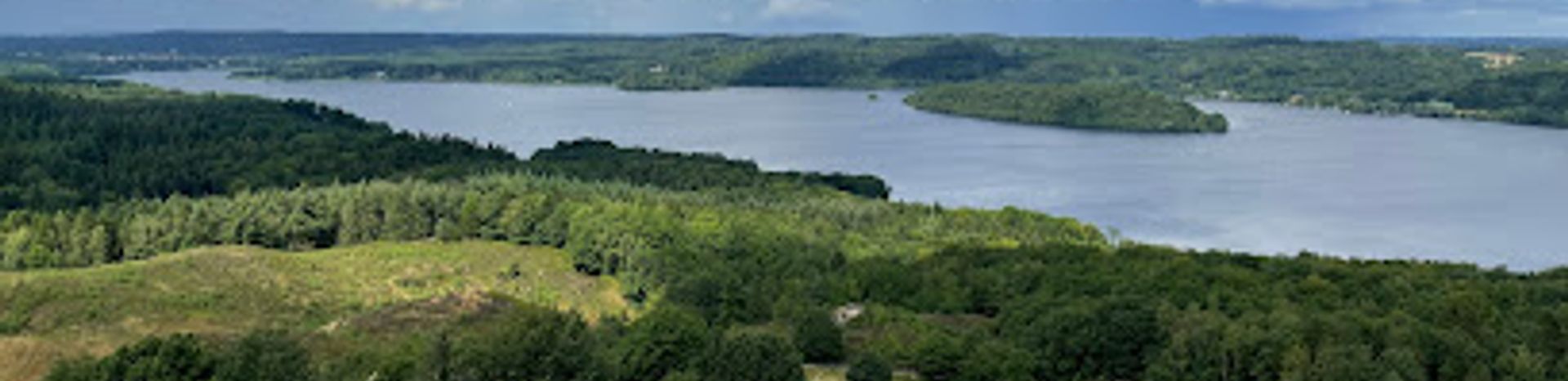
Himmelbjergtårnet (Himmelbjerg Tower)
A 25‑metre red-brick memorial crowning Himmelbjerget, offering sweeping lake-and-forest panoramas and a powerful glimpse into Denmark’s democratic story.
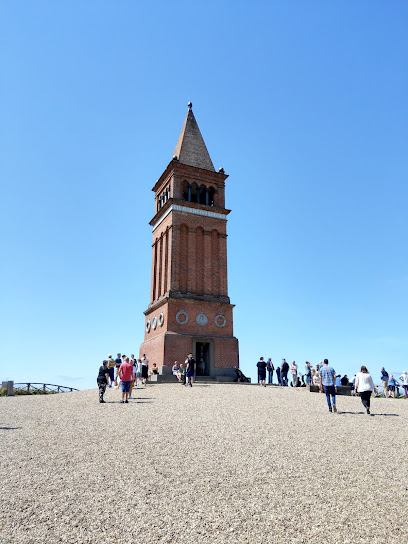
Rising 25 metres above the summit of Himmelbjerget near Ry, Himmelbjergtårnet is a red-brick memorial tower honouring King Frederik VII and Denmark’s 1849 constitution. Set 147 metres above sea level and 125 metres over Julsø, it crowns one of the country’s most iconic viewpoints, with sweeping panoramas of lakes, woodlands and the rolling Søhøjlandet landscape. Around the tower, forest trails, picnic spots and nearby cafés make this a classic Danish day-out destination in all but the harshest weather.
A brief summary to Himmelbjergtårnet
- Himmelbjergvej 20, Ry, 8680, DK
- +4586898451
- Visit website
- Duration: 1 to 4 hours
- Budget
-
 Outdoor
- Mobile reception: 4 out of 5
- Monday 10 am-5 pm
- Tuesday 10 am-5 pm
- Wednesday 10 am-5 pm
- Thursday 10 am-5 pm
- Friday 10 am-5 pm
- Saturday 10 am-5 pm
- Sunday 10 am-5 pm
Local tips
- Bring a light windproof layer even in summer; the exposed hilltop and tower balcony can feel noticeably cooler and breezier than the forested approach.
- Carry some Danish cash or a payment card for the modest tower admission and paid parking; proceeds support maintenance of the tower and surrounding area.
- If mobility is a concern, use the upper car parks near the summit plateau; the final approach is relatively short and on firm paths with gentle gradients.
- Combine your visit with a lake cruise from Ry or Silkeborg in the warmer months for the classic approach, then walk the forest trail from the shore to the hilltop.
- Arrive early or late on fine weekends for quieter paths and softer light in your photographs from both the hilltop and the tower itself.

For the on-the-go comforts that matter to you
- Restrooms
- Drink Options
- Drinking Water
- Food Options
- Seating Areas
- Sheltered Areas
- Picnic Areas
- Trash Bins
- Information Boards
- Visitor Center
Getting There
-
Car from Ry or Silkeborg
Driving from Ry or Silkeborg, allow around 15–25 minutes to reach the main Himmelbjerget car parks near the summit. The approach uses paved regional roads and is straightforward in most weather, though winter conditions can occasionally be slippery. Parking is pay-and-display with tiered hourly rates; expect roughly 10–20 DKK for the first couple of hours, payable by card or app. From the upper parking areas, the walk to Himmelbjergtårnet is short on firm, gently sloping paths suitable for most visitors.
-
Regional bus from Ry or Silkeborg
A regional bus service typically connects Ry and Silkeborg with a stop near Himmelbjerget during the day, with journey times of about 20–35 minutes depending on the departure point. Buses generally run at least hourly on weekdays and somewhat less frequently on weekends and holidays, with single tickets in the range of 20–35 DKK within the local zone system. From the stop near the visitor facilities and parking, expect a modest uphill walk on surfaced paths to reach the tower plateau.
-
Lake boat and forest walk in summer season
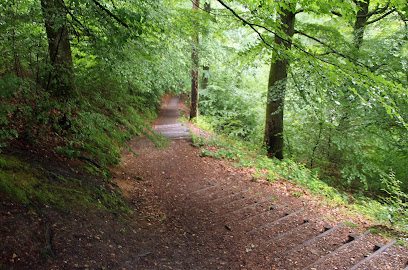
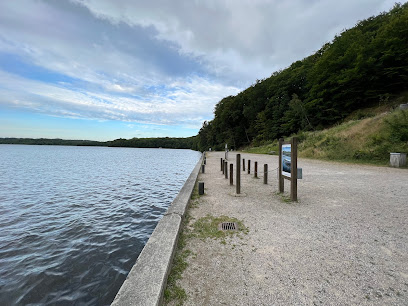
In the warmer months and school holidays, traditional excursion boats operate on the lakes between Silkeborg, Ry and the landing place below Himmelbjerget. The cruise typically takes 60–90 minutes one way, depending on the route and intermediate stops, and tickets generally cost in the range of 120–200 DKK per adult. From the lakeshore landing, a well-used forest trail of about 1.2 km climbs steadily to the hilltop; allow 20–30 minutes for the ascent, which includes some steeper sections and is not ideal for standard wheelchairs or prams.
Himmelbjergtårnet location weather suitability
-
 Clear Skies
-
 Mild Temperatures
-
 Cold Weather
-
 Any Weather
-
 Hot Weather
Discover more about Himmelbjergtårnet
A memorial tower on Denmark’s "sky mountain"
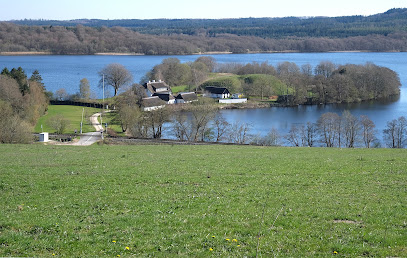
Himmelbjergtårnet stands proudly on the crest of Himmelbjerget, a wooded hill close to the lakeside town of Ry in eastern Jutland. Built in striking red brick and rising 25 metres from the hilltop, the tower marks one of Denmark’s most recognisable silhouettes. From the plateau around its base you look out over Julsø and the lake district of Søhøjlandet, a patchwork of water, forest and gentle ridges that feels surprisingly wild for central Denmark. Although relatively modest in height by alpine standards, Himmelbjerget has long been romanticised as a “mountain to the sky”. The approach roads and paths bring you through dense beech and conifer woodland before suddenly releasing you onto the open summit, where the tower, flagpoles and stone monuments form a kind of open-air civic square surrounded by nature.King Frederik VII and the story in the bricks
Himmelbjergtårnet is more than a viewpoint; it is a carefully crafted tribute to Denmark’s move towards democracy. Conceived in the 1870s, it was dedicated to King Frederik VII, the monarch who signed the 1849 constitution granting the Danish people a free constitution. A frieze running around the tower bears an inscription honouring him as “the Danish people’s friend” and the giver of the constitution, turning the structure into a vertical history lesson. The tower’s design, by architect Ludvig Peter Fenger, uses simple, almost fortress-like forms: round-arched openings, stepped gables and solid masonry that feel rooted in Danish building traditions. Bronze reliefs and wreath motifs provide the only real ornamentation, focusing attention on the king’s portrait and the political symbolism of the place rather than on decorative excess.From folk meetings to national gathering place
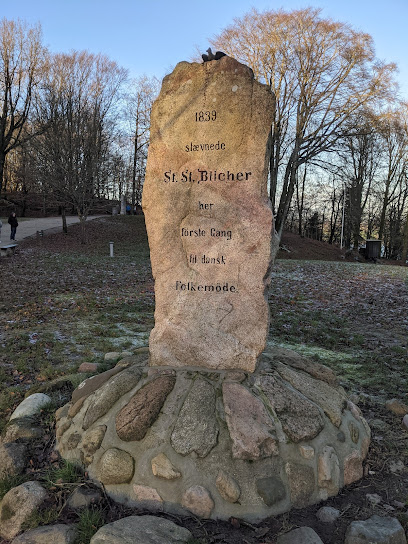
Long before the tower rose, Himmelbjerget was a natural stage for public life. In 1839 the poet-priest Steen Steensen Blicher organised open-air folk meetings here, drawing people from across Jutland to debate, listen to speeches and celebrate emerging civic freedoms. Those gatherings turned the hill into a powerful symbol of national awakening and made the idea of a permanent memorial almost inevitable. The tower’s inauguration in the 1870s cemented Himmelbjerget’s status as a democratic landmark. Over time, more memorial stones and monuments appeared on the plateau, commemorating political figures, movements and anniversaries linked to Danish democracy. Walking between them, you read fragments of nineteenth- and twentieth-century history carved into granite, scattered across the hilltop like milestones in the national story.Views, staircases and the rhythm of the day
Even without climbing the interior staircase, the vistas from the hilltop are expansive. On clear days you can trace the sinuous shorelines of Julsø and neighbouring lakes, pick out the steamers gliding below and watch light drift across the forested ridges. A modest admission fee allows you to ascend the narrow stairs of the tower for an extra few metres of elevation and a more immersive panorama, with the landscape radiating in all directions. Around the summit you will often sense a gently busy atmosphere: families making use of picnic tables, children darting towards nearby playgrounds, hikers consulting trail markers before heading deeper into the woods. Souvenir kiosks and seasonal stalls add colour in summer, while the off-season months bring a quieter, more contemplative feel, especially on crisp, clear days.Forests, lakes and classic Danish outings
Himmelbjergtårnet also serves as a gateway to the wider Søhøjlandet landscape. Marked trails fan out into the surrounding forest, from short loops suitable for casual strolls to longer routes that drop down towards the lake and on to other viewpoints. The combination of gentle gradients, soft forest floors and constant glimpses of water makes the area inviting for walkers of most abilities. Many visitors fold the tower into a broader excursion: a boat ride on the historic steamers that ply the lakes, a stop at nearby cafés or an afternoon exploring additional viewpoints south of the hill. Whether you come for a brisk hour’s walk or linger for most of a day, the tower anchors the experience—a brick landmark linking the quiet drama of the landscape with the ongoing story of Danish democracy.Iconic landmarks you can’t miss

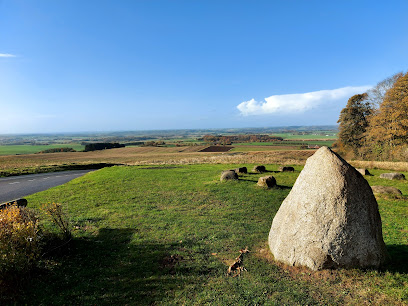
Folkemøde Mindesten anno 1839
0.2 km
Denmark's first democratic gathering, 1839—where ordinary citizens claimed their political voice.
Himmelbjerget rutebåd
0.5 km
Denmark's highest point crowned by a historic tower, accessible by scenic lake cruise or forest trail.
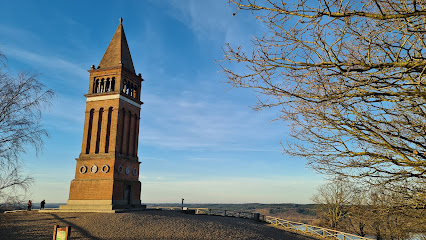
Lovisehøj
7.9 km
A 73-meter forest hill with royal heritage and sweeping views across Danish lakes and woodlands.
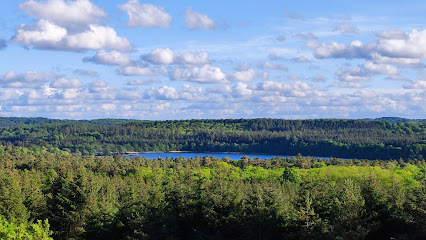
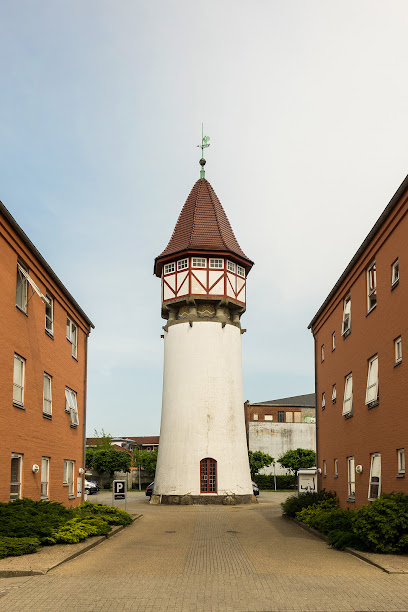
Silkeborg Water Tower
10.7 km
A heritage-listed industrial landmark symbolising Silkeborg's textile manufacturing legacy.
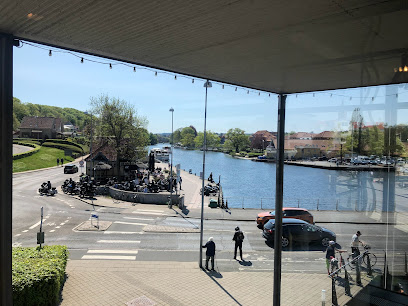
silkeborg
10.9 km
Historic 1871 railway landmark connecting Central Jutland with frequent regional services and heritage charm.
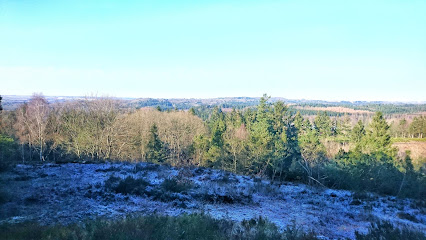
Randershøj
11.3 km
A scenic hilltop viewpoint offering panoramic vistas across Denmark's lake-filled landscape and forest-covered terrain.
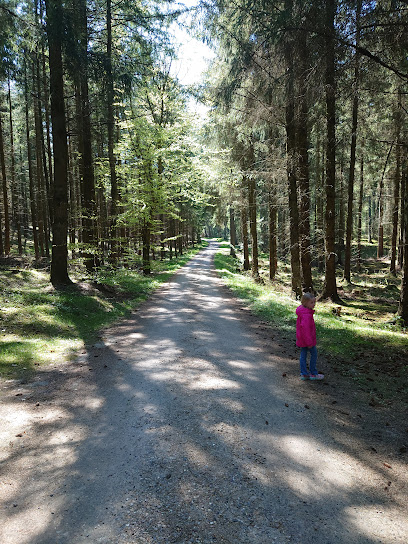
Silkeborg Vesterskov mindesten
11.3 km
A modest memorial stone in Silkeborg Vesterskov, where forest tranquillity and wartime history meet in a quiet, contemplative woodland clearing.
Silkeborg Rovfugleshow
11.3 km
Experience the thrill of birds of prey in action at Silkeborg Rovfugleshow, a captivating nature preserve offering breathtaking aerial displays and educational insights into the avian world.
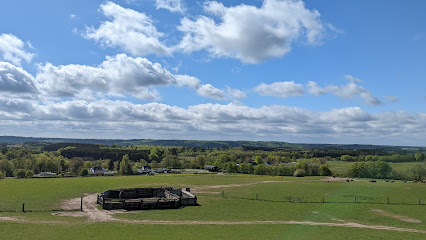
Stærke Storm af Thomas Dambo
11.5 km
A colossal wooden troll crafted from recycled materials—where art, nature, and Nordic folklore converge near Silkeborg's serene lake.
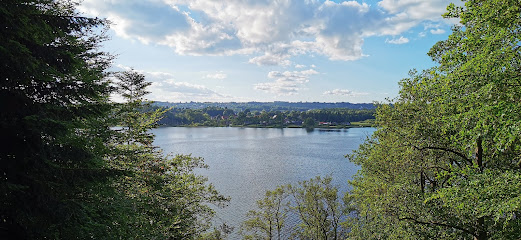
Store Troldhøj
12.4 km
A cone-shaped summit offering panoramic valley views and a climbing tree in Denmark's scenic lake district.
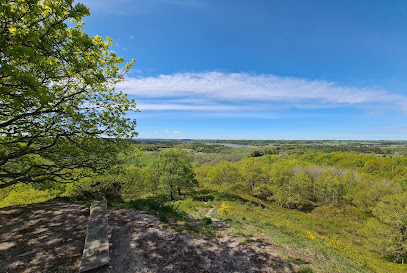
Landal Søhøjlandet
12.8 km
Escape to Landal Søhøjlandet in Denmark's Lake District: Family fun, water park thrills, outdoor adventures, and tranquil nature await in this scenic holiday paradise near Silkeborg.
Funder Ruin
13.4 km
Experience the vibrant blend of history and modern life at Stændertorvet, Roskilde's central square.

Yding Skovhøj
13.7 km
Discover Yding Skovhøj, one of Denmark's highest points, offering scenic hiking trails, ancient burial mounds, and panoramic views in the heart of Jutland's beautiful lake district.
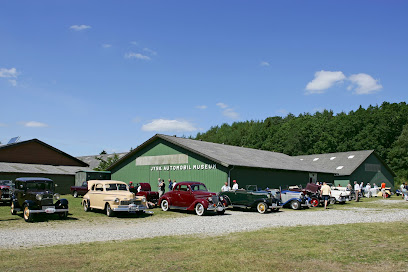
Jutland's Automobile Museum
14.0 km
Discover Denmark's automotive history at Jutland's Automobile Museum in Gjern, showcasing vintage cars and motorcycles from the early 1900s to iconic post-war models, offering a unique glimpse into the nation's motoring heritage.
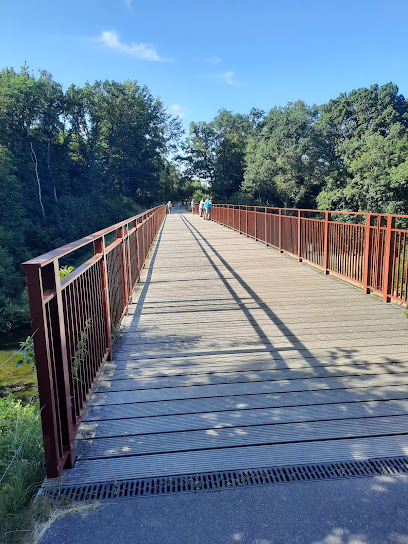
The Uncovered Bridge
14.7 km
A hidden railway bridge buried for 85 years, spectacularly restored and now one of Denmark's most beloved landmarks.
Unmissable attractions to see

Himmelbjerget
0.0 km
Iconic Danish “mountain” above the Silkeborg lakes, blending sweeping forest-and-lake views with constitutional history, forest trails and classic excursion life.
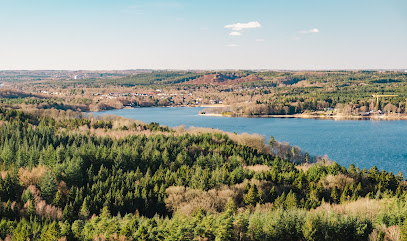
Bestig Himmelbjerget
0.3 km
Follow a classic forest trail from lakeshore to the summit of Denmark’s fabled Sky Mountain, combining gentle ascent, big views and layers of national history.
H.C. Andersen bench
0.4 km
Discover Råbjerg Mile, Northern Europe’s largest migrating sand dune—a stunning, ever-shifting landscape near Skagen, perfect for exploration and breathtaking views.
Turbådene Himmelbjerget
0.5 km
Classic excursion boats carrying you from lakeside Ry through serene Søhøjlandet to the foot of Denmark’s famed Himmelbjerget for views, walks and fresh air.
Dynæs voldsted
1.8 km
Quiet medieval castle mounds and deep ditches on a wooded peninsula in the Silkeborg Lakes, where earthworks, water and forest hint at a vanished stronghold.
Gammelkol
2.3 km
A modest historic site folded into Silkeborg’s forests, where quiet paths, subtle landforms and shifting light reveal the long story of Denmark’s lake country.
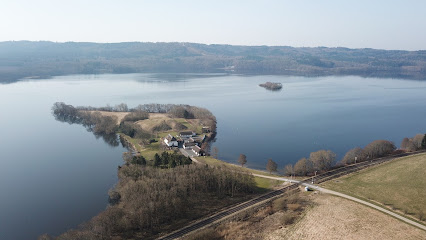
FDF Outdoor Center Sletten
2.8 km
Denmark's premier outdoor recreation hub where free activities, mountain biking, and nature immersion meet modern comfort.
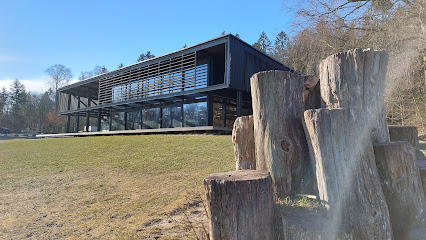
Himmelbjergegnens Tårnhøje Tårn
2.9 km
Historic hilltop tower above Søhøjlandet’s lakes and forests, blending Denmark’s constitutional story with sweeping Jutland views and atmospheric woodland paths.
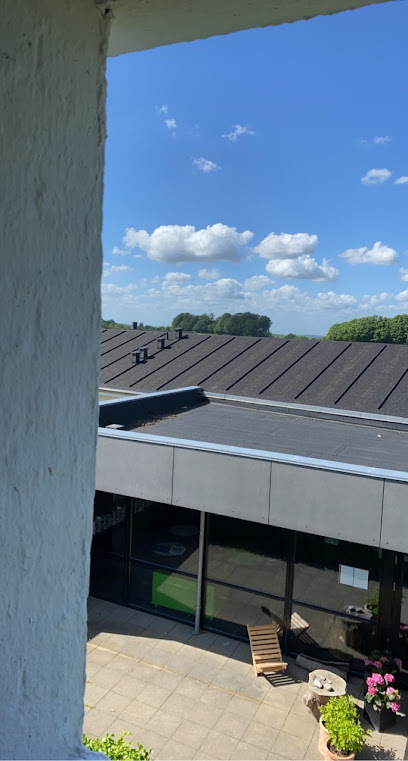
Maskenkol
3.8 km
A quiet stretch of Knudsø’s northern shore, Maskenkol offers gentle lakeside walking, open views and everyday Danish nature just beyond the town of Ry.
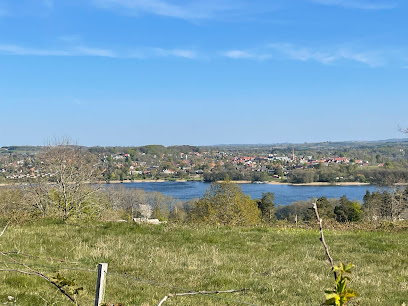
Høgdal
4.3 km
An 18th-century hilltop farm near Silkeborg, preserved as a living window into Danish rural life amid the soft landscapes of the Søhøjlandet lake district.
Ry havn
4.4 km
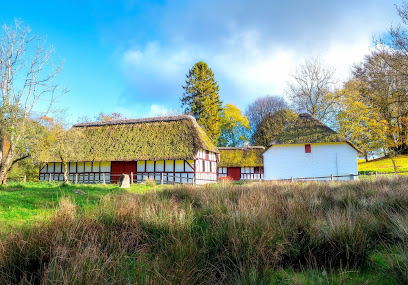
Quiet lakeside marina in Ry, offering relaxed waterfront life, boat trips into the Silkeborg Lakes and easy access to the gentle hills of Denmark’s lake district.
Kallehave bålhytte
4.6 km
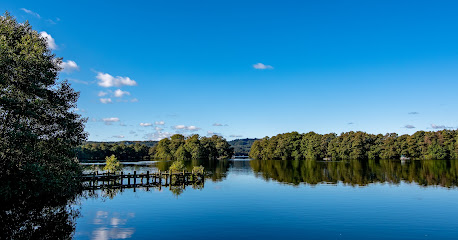
A modest grill shelter tucked into the Kallehave woods near Gl. Rye, perfect for unhurried campfire cooking and a quiet break on forest hikes.

Kongestolen
4.8 km
A compact forest summit above Slåensø, Kongestolen pairs a short, steep climb with far‑reaching lake and woodland views in the heart of the Silkeborg hills.
Knudhule strand
6.2 km
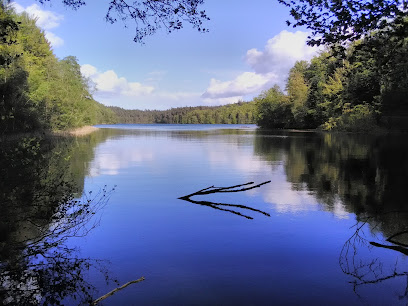
Blue Flag lakeside escape near Ry, offering child‑friendly swimming, gentle views over Knudsø and a relaxed, low‑key setting in the hills of Søhøjlandet.
Labyrinthia
6.8 km
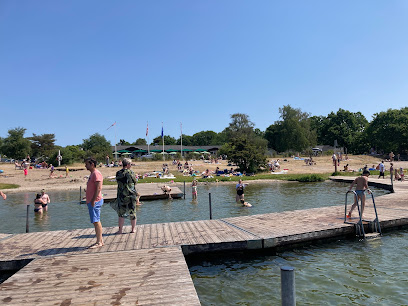
A countryside maze and puzzle park near Them, where 3D labyrinths, water mazes, dog-friendly challenges, and an indoor Puzzle Center turn getting lost into pure family fun.
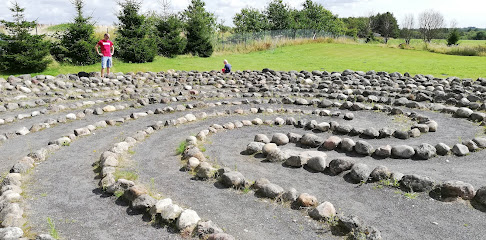
Essential places to dine

Cafeteria Himmelbjerget
0.3 km
Casual hilltop cafeteria at Himmelbjerget, serving classic Danish comfort food and ice cream with wide views over the Silkeborg lakes and surrounding forests.
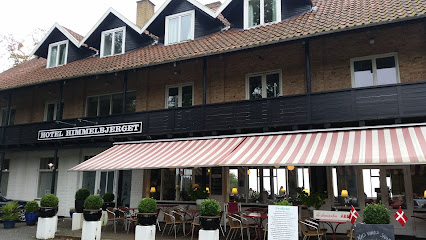
Café Himmelsk
1.0 km
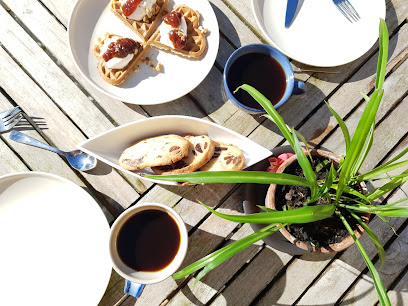
Homemade pastries and mountain views in Denmark's legendary lake district.
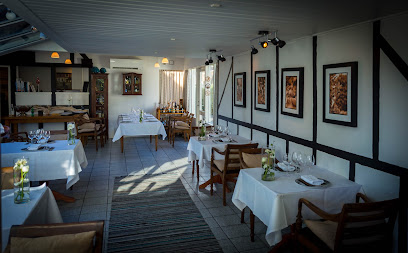
Lyng Dal Hotel og Restaurant
3.5 km
Intimate family-run hotel and seasonal restaurant in Ry, where garden-driven Danish cuisine, good wine and quiet countryside surroundings create a cosy Jutland escape.
Restaurant Aalekroen
3.7 km
Classic Danish kro-style restaurant on the shores of Julsø, pairing hearty traditional dishes and fried eel with sweeping lakeside views near Silkeborg.
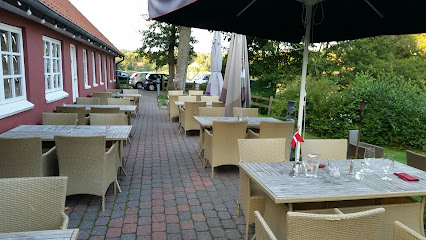
Traktørstedet Ludvigslyst
3.9 km
Organic lakeside dining in a light-filled country villa above Lake Julsø, where local ingredients, house-baked bread and garden herbs define every seasonal plate.
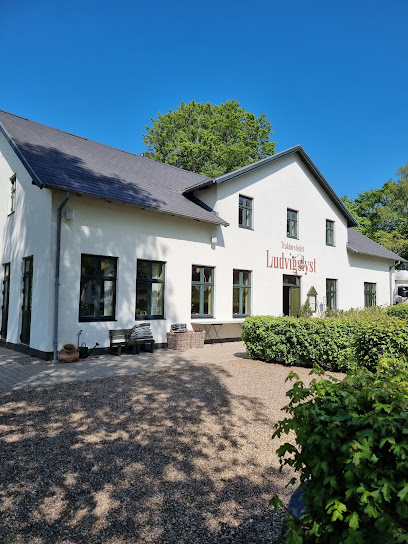
Lakeside Ry - Restaurant
4.5 km
Intimate waterfront dining blending Nordic tradition with global innovation in Denmark's Lake District.
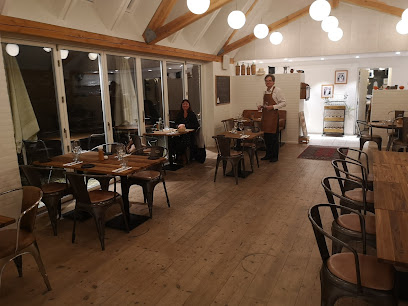
Brasseri Ry'tteriet
4.7 km
Intimate hotel brasserie in lakeside Ry, pairing French‑inspired comfort food, seasonal Danish ingredients and candlelit evening ambience in the heart of Søhøjlandet.
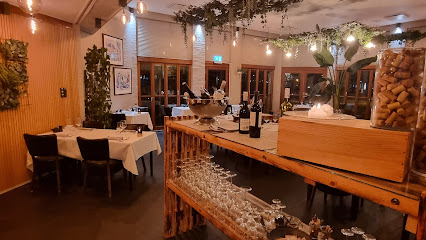
Ry Gastropub
4.7 km
Relaxed gastropub heart of Ry, serving comforting pub favourites, modern Danish flavours and easygoing drinks in a warm, social setting from lunch to late evening.
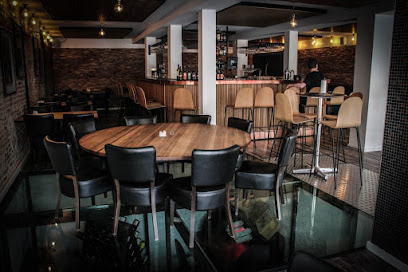
Hotel Ry
4.7 km
Contemporary comfort in Denmark's scenic heartland, where golf, hiking, and local gastronomy meet.
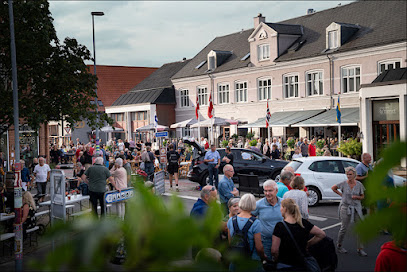
Restaurant Da Angelo
4.8 km
Authentic Italian dining in the heart of Ry's charming lakeside town center.
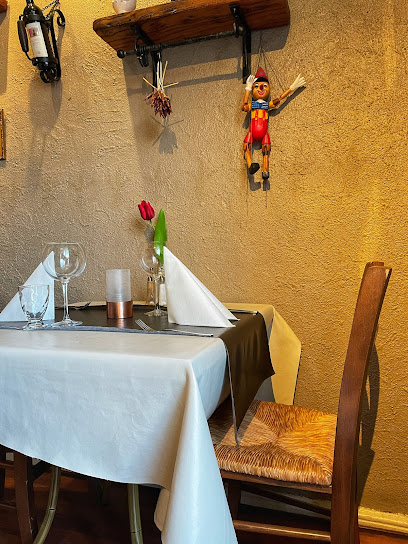
Byens Kylling & Pizza Ry
4.8 km
Casual neighborhood pizza and chicken takeaway in Ry, serving hearty portions and familiar flavors for easy, budget‑friendly dinners after a day outdoors.
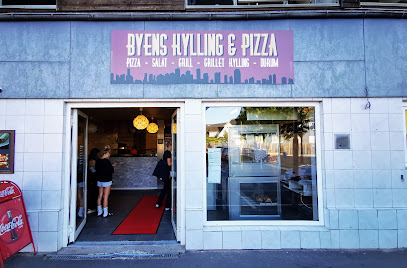
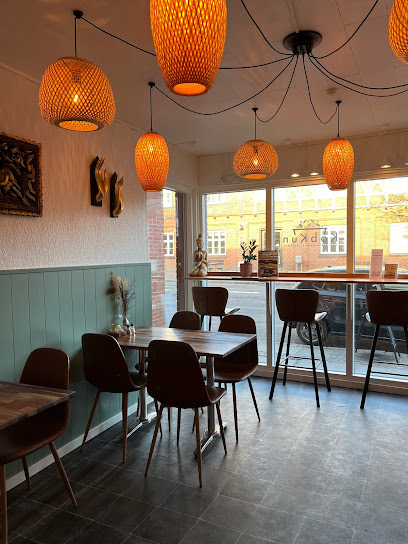
KobKun
4.8 km
Tiny Thai kitchen in the heart of Ry, serving fragrant curries and stir-fries in an intimate 13-seat space with a strong local takeaway following.
Umisushi
4.9 km
Neighbourhood sushi and takeaway in the lakeside town of Ry, serving fresh rolls and casual Japanese favourites in a relaxed, modern setting.

Restaurant Gastronomisk Institut
6.2 km
Seasonal Danish–French cooking, a serious wine cellar and wide lake views come together at this refined yet relaxed restaurant inside Knudhule Badehotel.
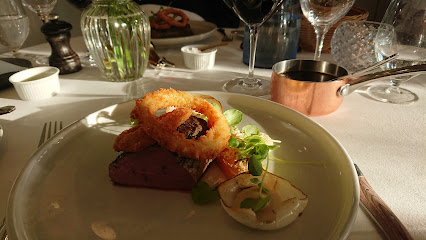
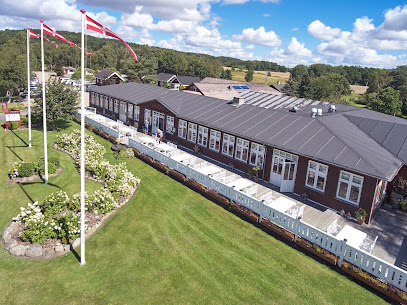
Knudhule Badehotel og Gastronomisk Institut
6.2 km
Award-winning lakeside hotel and fine dining destination in Denmark's scenic Søhøjlandet region.
Markets, malls and hidden boutiques

Ørneboden
0.2 km
Small hilltop souvenir shop on Himmelbjerget, pairing simple treats and mementos with big views over Søhøjlandet’s lakes and forests above Ry.
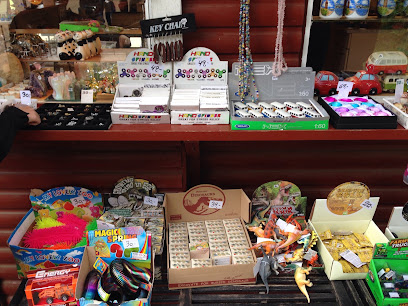
Ugleboden
0.2 km
Casual ice cream and souvenir stall on Himmelbjerget, adding a sweet, no-frills pause to hikes and family outings in the wooded hills above Ry.
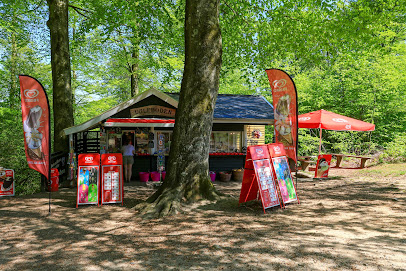
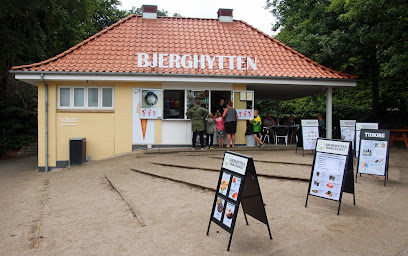
Bjerghytten
0.3 km
Bjerghytten: Savor Ice Cream Delights Amidst Himmelbjerget's Scenic Beauty
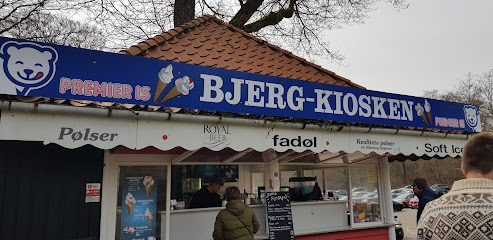
Bjerg-kiosken
0.3 km
Compact hilltop kiosk on Himmelbjerget serving ice cream, snacks and drinks to walkers and day-trippers at one of Denmark’s most iconic viewpoint areas near Ry.
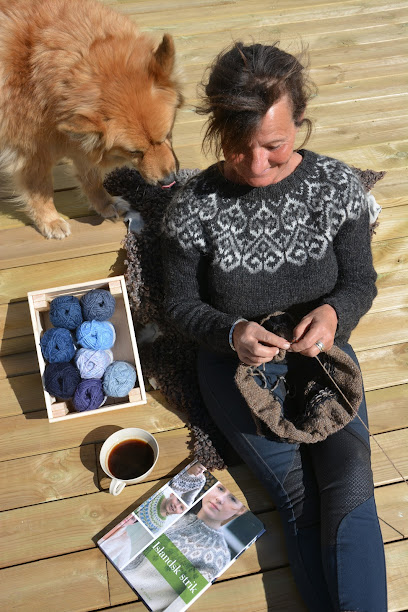
Nordic Yarn - a woolly affair
2.0 km
A cosy, family-run Nordic wool shop on a Jutland farm near Ry, where Icelandic and Norwegian yarn fill the shelves and horses graze just outside.
Laven Antikvariat
3.1 km
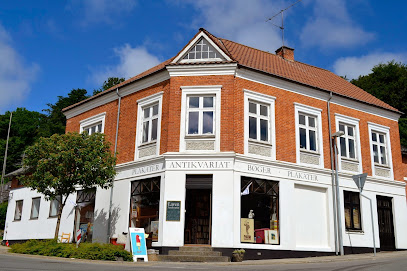
Rare books, organic coffee, and genuine warmth in a charming village shop.
Made by Ella
3.3 km
Intimate goldsmith’s studio in Ry, where local jewelry artist Julie Ella Jappe handcrafts custom designs and contemporary pieces in a calm, small-town setting.
Dagli'Brugsen Gl. Rye
3.4 km
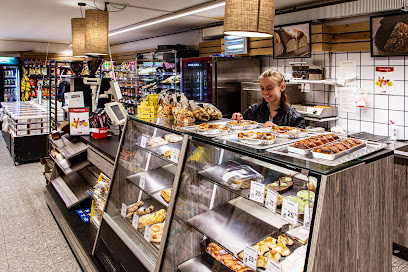
Community-owned supermarket where every purchase strengthens local bonds and supports sustainable living.
ByStenholt
3.6 km
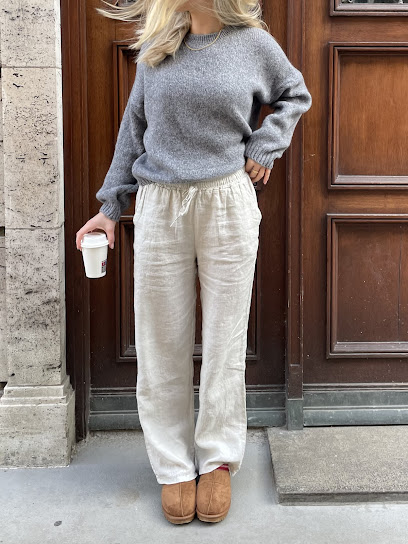
A calm, contemporary womenswear boutique in Ry, blending Nordic style with small-town ease and serving as the local face of a modern Danish fashion webshop.
Rye Nørskov Gårdbutik
4.4 km
Historic farm shop in a mill building, selling wild game from estate forests with uncompromising quality and sustainability.
Hanne Linding Denmark / BUTIK No. 9 Ry
4.7 km
Intimate Ry boutique by textile artist Hanne Linding, showcasing feminine Danish knitwear, curated colors and timeless, everyday Scandinavian design.

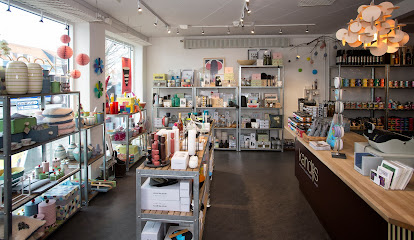
Kandis
4.7 km
A welcoming Ry specialty shop where wine, sweets, gourmet delicacies and thoughtful gifts come together under one cosy, carefully curated roof.
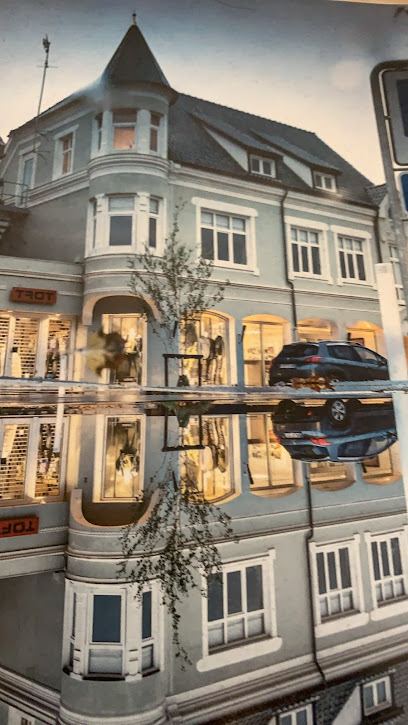
Toft suits men & women
4.7 km
Distinctive menswear and womenswear for those who value timeless quality and personal style.
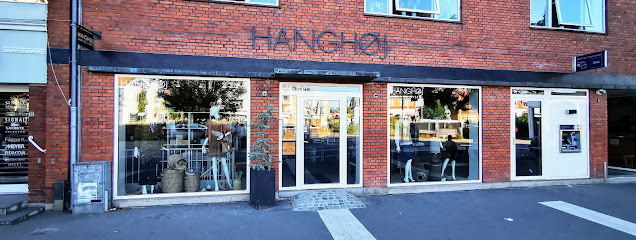
Hanghøj
4.7 km
A cosy Scandinavian fashion and lifestyle boutique in the heart of Ry, offering curated women’s clothing, accessories and gifts with a relaxed, personal touch.
Red Cross Op Shop
4.8 km
Community-powered Danish thrift store in Ry, where low-cost second-hand finds help fund Red Cross humanitarian work and support more sustainable shopping.
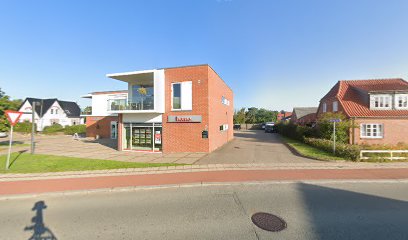
Essential bars & hidden hideouts

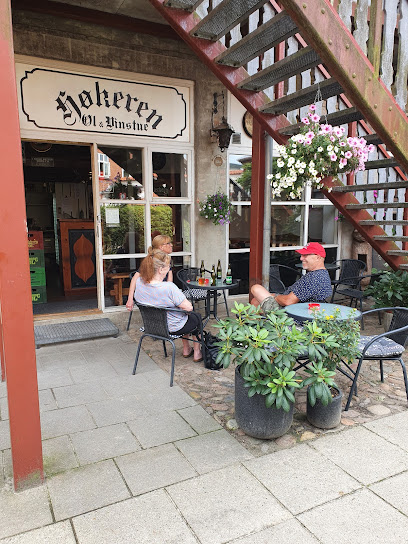
Høkeren
4.7 km
Possibly Denmark’s smallest pub, Høkeren in Ry distills classic Danish tavern culture into 18 sociable square meters of wood, warmth and well‑poured drinks.
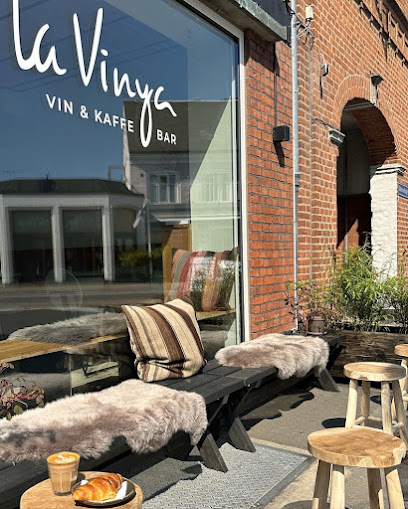
La Vinya
4.7 km
Chic wine bar and tapas lounge in Ry, offering curated wines, local bites, and cozy ambiance—perfect for unwinding after your Himmelbjerget adventure.
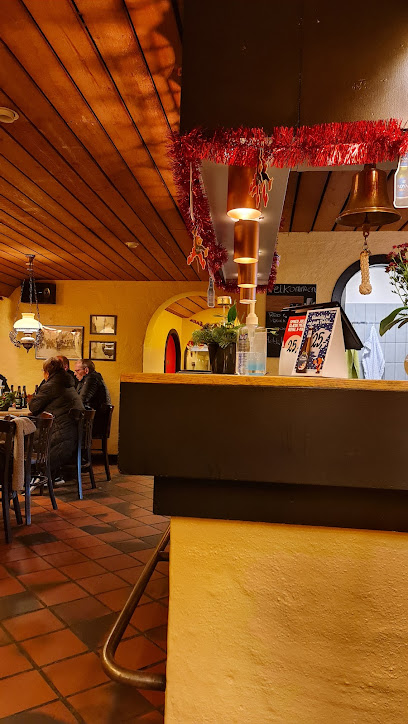
Ambolten Ry
4.9 km
Cosy neighborhood bar and social hub in the heart of Ry, mixing cold beers, live music and small-town charm in a laid-back, living-room atmosphere.
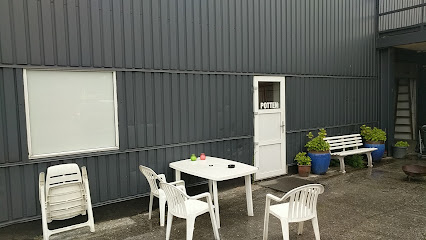
Dartklubben Potten
9.5 km
A classic Danish darts clubhouse in Låsby, where competitive heritage, cold drinks and small-town hygge come together around the oche.
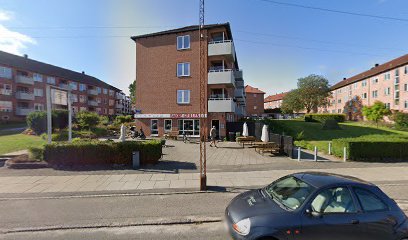
Bakkens bodega
10.4 km
Unpretentious beer hall on Århusvej where locals, cold drafts and simple pub fare create a slice of everyday Silkeborg life from late morning to late evening.
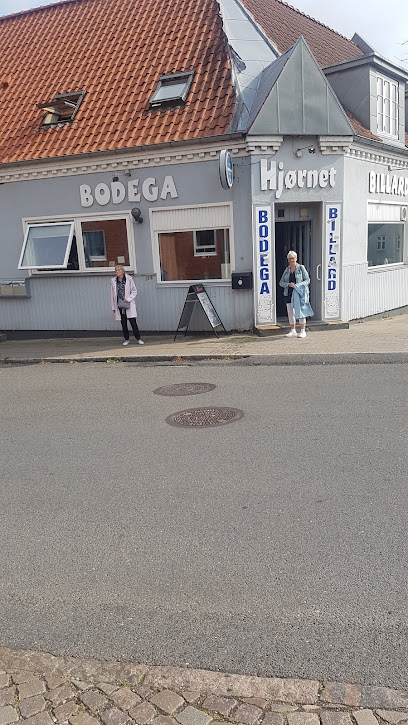
Bodega Hjørnet
10.6 km
A cosy corner bodega in central Silkeborg, where dim lights, cold beer and easy conversation capture the timeless charm of Danish bar culture.
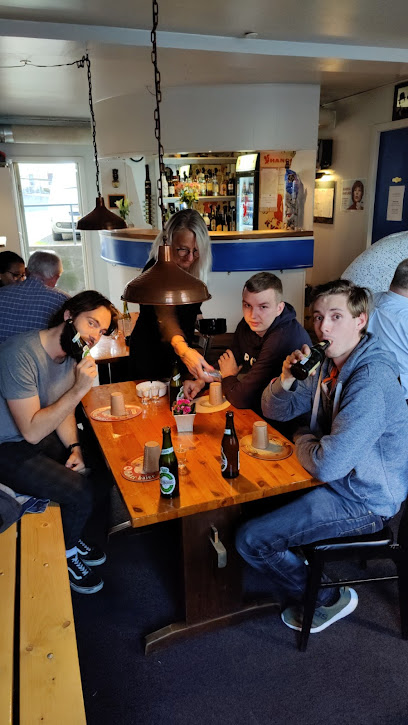
Cafe' Paradis
10.6 km
A compact, old‑school bodega in central Silkeborg, serving cold beers, local atmosphere and late‑night conversation in an unpretentious, lived‑in bar setting.
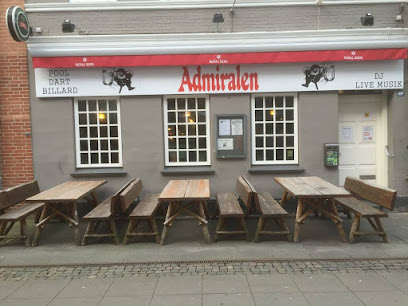
The Admiral Pub
10.8 km
Classic Danish bodega bar in central Silkeborg, serving inexpensive drinks and everyday atmosphere from quiet daytime pints to late‑night weekend sessions.
Café Kling Klang
10.8 km
Intimate, candlelit bar-café on Silkeborg’s Søndergade, blending everyday hygge, music and drinks in a laid-back neighbourhood atmosphere.
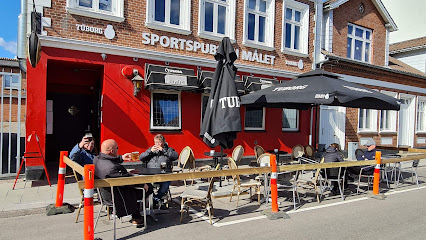
Sportspubben Målet
10.9 km
A cozy, no-frills sports pub in central Silkeborg, where big screens, cold beer and local chatter turn every match day into a shared living room.
Roxy Malt
11.0 km
Irish-inspired Silkeborg pub with live music, quizzes, speciality beers and a cosy courtyard, blending retro charm with late-night energy in the town centre.
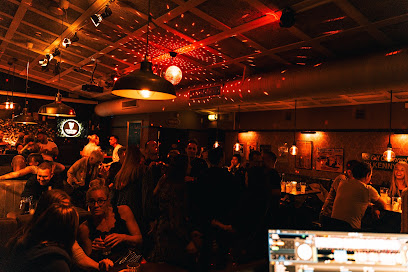
Zwei Grosse Bier Bar
11.0 km
Alpine-inspired après-ski party bar with karaoke, beer pong, and group celebrations in central Silkeborg.
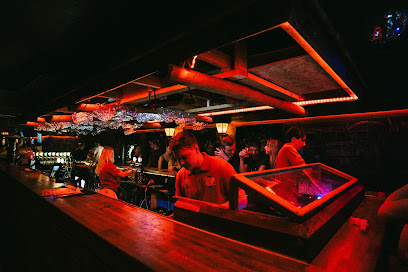
NO 21 -Tapas & vinbar i Silkeborg
11.0 km
Riverside tapas and wine bar with curated selections and panoramic river views in central Silkeborg.
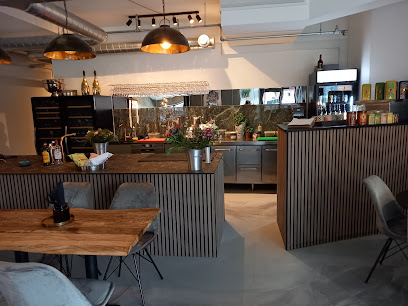
The bar Silkeborg ApS
11.0 km
Intimate late-night bar on Nygade in central Silkeborg, mixing easygoing pub charm with nightclub energy from evening drinks to early-morning dancing.
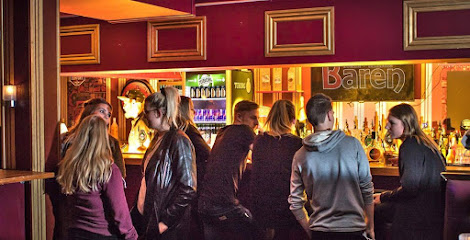
Rabalder Bar
11.0 km
Cozy living‑room bar in Silkeborg serving affordable drinks, sing‑along hits and late‑night party vibes in a compact, homey setting.

Nightclubs & after hour spots

B'sharp - Silkeborg Rhythm Og Blues Association
10.9 km
Volunteer-run blues stronghold in central Silkeborg, where intimate weekend concerts, affordable drinks and close-up performances keep rhythm & roots music alive.
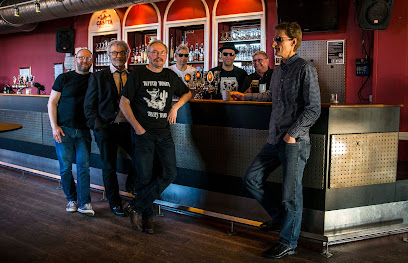
Team Paderborner
16.9 km
Nightclub entertainment in Denmark's scenic Dyrehaven forest and lakeside setting.
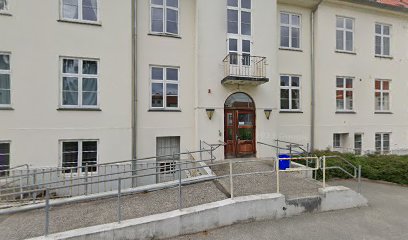
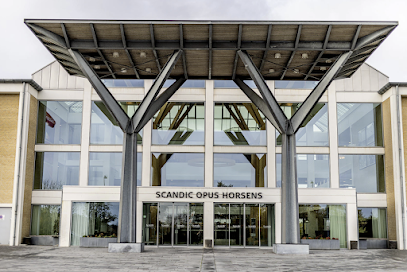
Scandic Opus Horsens
27.2 km
A contemporary Scandinavian hotel in Horsens with spa, dining, and panoramic city-to-nature views—an elegant gateway to both urban and outdoor experiences.
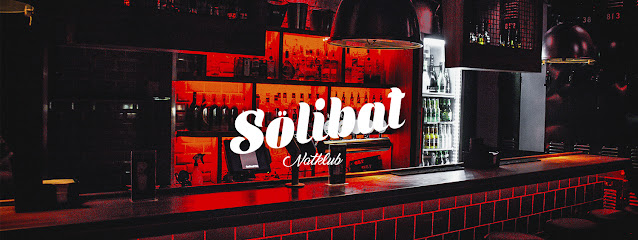
Sölibat Natklub
28.7 km
Late-night, no-frills clubbing in central Horsens, where loud music, simple drinks and a compact dance floor create an unapologetically local party vibe.
Oskar hossman
29.1 km
Compact, high-energy nightclub in central Horsens, where pulsing beats, colourful lights and a sociable crowd define the city’s after-hours heartbeat.
PDD
29.1 km
Compact, no-frills nightclub on Lindvigsvej in Horsens, offering late-night dancing, simple drinks and an intimate, local-party atmosphere on weekends.
Klodshans Horsens ApS
29.3 km
Discover live music, local art, and Danish hygge at Klodshans Horsens—a cozy harbor-side bar at the heart of the city's nightlife and cultural scene.
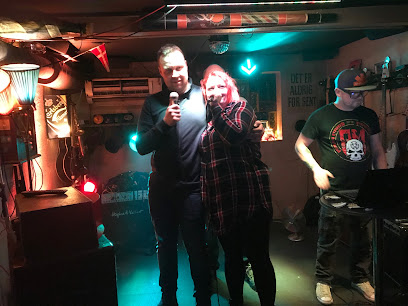
Luksusmassage Århus
31.3 km
Experience Aarhus's dynamic nightlife at Luksusmassage, where music and energy blend for an unforgettable evening.
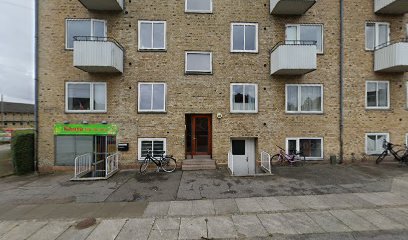
KLUB22
31.6 km
Discover the ultimate nightlife experience at KLUB22 in Aarhus, where electrifying music and vibrant atmosphere await.
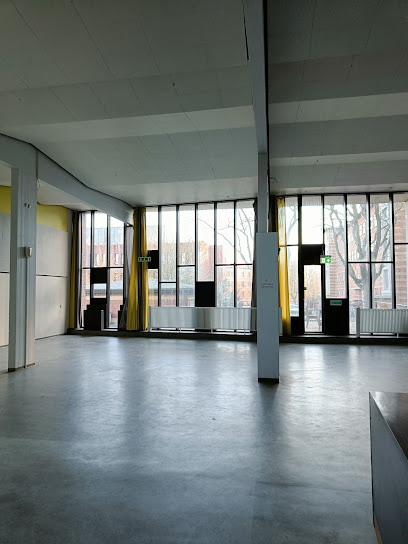
Horsens New Style Dance Club
31.7 km
Horsens' premier line dancing venue where beginners and advanced dancers unite in movement and community.
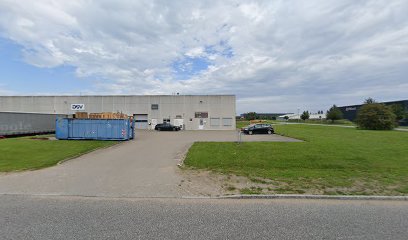
Bastian Bar & Nightclub, Odder - Nightclub
32.3 km
Odder's central nightlife destination for weekend entertainment and social gathering
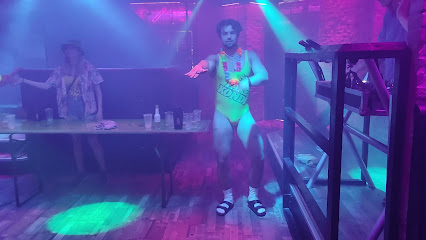
V58
32.5 km
Experience the vibrant nightlife at V58 in Aarhus, where live music meets an energetic atmosphere for an unforgettable night out.
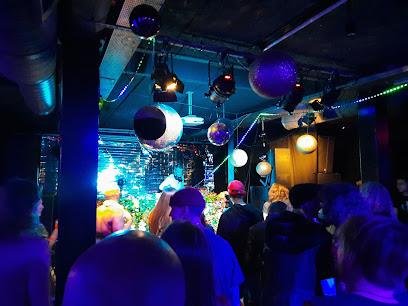
equalclub
32.5 km
Discover the thriving nightlife of Aarhus at Equal Club, where music, dance, and unforgettable experiences come together.
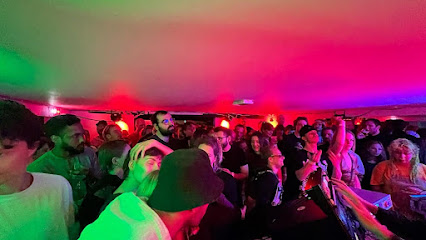
Flintstone Pub
32.7 km
Flintstone Pub in Aarhus blends retro décor, affordable drinks, and live music, offering a lively gathering place for locals and visitors in the city’s central quarter.
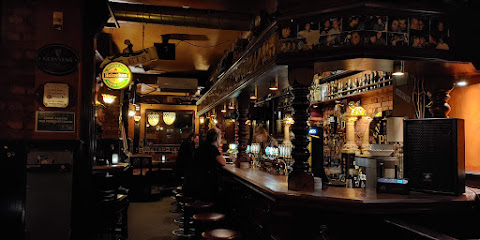
Hornsleth Bar Aarhus
32.9 km
Experience the vibrant nightlife of Aarhus at Hornsleth Bar, where innovative cocktails meet an energetic atmosphere.
For the vibe & atmosphere seeker
- Scenic
- Relaxing
- Tranquil
- Fun-filled
- Unique
- Casual
For the design and aesthetic lover
- Rustic Designs
- Vintage Styles
For the architecture buff
- Historic
- Landmarks
- Viewpoints
- Parks & Gardens
- Heritage Neighborhoods
For the view chaser and sunset hunter
- Iconic Views
- Panoramas
- Sunset Spots
For the social media creator & influencer
- Instagrammable
- Photo Spots
- Selfie Spots
- Reel-Friendly
- Architectural Shots
For the eco-conscious traveler
- Low Impact
- Public-Transport Accessible
- Leave-No-Trace Critical
- Wildlife Habitat
- Locally Managed
For the kind of experience you’re after
- Cultural Heritage
- Photowalk
- Adventure Photo Shoot
- Nature Escape
- Day Trip
- Roadtrip Stop
- Mindfulness
For how adventurous you want the journey to be
- Easy Access
- Requires Hike
Location Audience
- Family Friendly
- Senior Friendly
- Child Friendly
- Teen Friendly
- Wheelchair Access
- Pet Friendly
- Solo Friendly
- Couple Friendly
- Solo Female Friendly


