Himmelbjergegnens Tårnhøje Tårn, Central Jutland Travel Guide
Historic hilltop tower above Søhøjlandet’s lakes and forests, blending Denmark’s constitutional story with sweeping Jutland views and atmospheric woodland paths.
Set in the hilly Søhøjlandet near Ry, Himmelbjergegnens Tårnhøje Tårn refers to the historic Himmelbjergtårnet and its surrounding highland landscape. Crowning the 147 m Himmelbjerget above the lakes and forests, the 25 m brick memorial tower to King Frederik VII combines a powerful piece of Danish constitutional history with one of the country’s most impressive viewpoints, encircled by woodland paths, picnic spots and classic Jutland scenery.
A brief summary to Himmelbjergegnens Tårnhøje Tårn
- Tønningsletvej 4, Ry, 8680, DK
- Duration: 1.5 to 4 hours
- Budget
-
 Outdoor
- Mobile reception: 4 out of 5

Know before you go
Hi, I'm Eve. Here are a few practical things to know before exploring Himmelbjergegnens Tårnhøje Tårn.
- Bring a windproof layer even in summer; the exposed hilltop around the tower can feel noticeably cooler and breezier than the forests and lakes below.
- Allow extra time to wander the side paths and seek out the smaller memorial stones scattered across the hill, which add context to the tower’s political symbolism.
- If you plan to climb the tower itself, carry small Danish kroner or check locally in advance, as the modest entry fee is used to maintain the structure and area.
Do you manage this location?
Take control to get all the benefits, like improved information, better appearance, and stronger visibility across AI-powered discovery. Learn more about listing your business on Evendo
Activate your presenceOther nearby places you may find interesting
The closest places of the same kind, if this one is not quite what you had in mind.
Explore Himmelbjergegnens Tårnhøje Tårn on the Map
A handpicked selection of must-see spots near Himmelbjergegnens Tårnhøje Tårn, mapped for you.
Getting There
-
Regional train and local bus from Aarhus
From Aarhus, take a regional train toward Skanderborg and Ry; the journey to Ry typically takes 40–55 minutes. From Ry, continue by local bus toward the Himmelbjerget area, with travel times of around 15–25 minutes depending on route and waiting time. Combined one‑way costs are usually in the range of 60–100 DKK per adult in standard class. Services run regularly during the day, but evening and weekend frequencies can be lower, so checking timetables in advance is important.
-
Car from Silkeborg or Skanderborg region
Travelling by car from Silkeborg or Skanderborg to the Himmelbjerget highland area generally takes 20–35 minutes, depending on starting point and traffic. Roads are paved and straightforward, but the final approach includes narrow rural stretches and moderate gradients as you near the hilltop. Expect to pay a modest parking fee near the main access points, often in the range of 20–40 DKK for several hours. Spaces can fill up on sunny weekends and holidays, so an earlier or later visit in the day can be more comfortable.
-
Excursion boat from Ry (seasonal)
In the warmer months, classic excursion boats operate from Ry across the lake system to the landing below Himmelbjerget, with typical sailing times of 30–45 minutes one way. Return tickets usually cost around 120–180 DKK per adult, with reduced fares for children. Departures are scheduled but less frequent outside peak summer, and sailings are weather‑dependent, so it is wise to confirm current times and operating days before planning a trip based on the boat connection.
For the on-the-go comforts that matter to you
-
 Restrooms
-
 Drink Options
-
 Food Options
-
 Seating Areas
-
 Sheltered Areas
-
 Picnic Areas
-
 Trash Bins
-
 Information Boards
-
 Visitor Center
Discover more about Himmelbjergegnens Tårnhøje Tårn
A hilltop tower above lakes and forests
Himmelbjergegnens Tårnhøje Tårn sits in the uplands west of Ry, where the landscape suddenly rises into one of Denmark’s most distinctive high points. Here Himmelbjerget reaches 147 metres above sea level, falling steeply towards the mirror‑bright Julsø and the Gudenå river system. On the crest stands Himmelbjergtårnet, a 25‑metre brick tower that appears almost like a small fortress above the surrounding beech and conifer woods.From the plateau around the tower you look out over a patchwork of dark forests, bright fields and island‑dotted lakes – a panorama that on clear days stretches far across central Jutland. The contrast between the steep hillside and the tranquil water below gives the place a sense of drama that is rare in the generally gentle Danish landscape.A monument born from Denmark’s road to democracy
Although many visitors come for the view, the tower itself was built first and foremost as a political monument. Himmelbjergtårnet was erected in the 1870s in honour of King Frederik VII, who in 1849 signed the constitution that transformed Denmark into a constitutional monarchy. The tower’s frieze carries a dedication to “the Danish people’s friend” and “giver of the constitution”, underlining its role as a symbol of civil rights and parliamentary government.The design, by architect L.P. Fenger, uses red brick, arches and a compact, vertical form that suits the narrow hilltop ridge. Decorative elements, including a portrait relief of Frederik VII and bronze wreaths, were added in the late 19th century. Since then the structure has remained largely unchanged, even as the surrounding area has evolved into a classic excursion landscape of paths, clearings and commemorative stones.Paths, viewpoints and quiet corners of Søhøjlandet
Around the tower, a network of trails leads along the ridge and down the slopes into the extensive Søhøjlandet forests. Some paths skirt the hillside with intermittent lake views between tree trunks; others dive into darker woodland where the atmosphere is hushed and sheltered. Waymarked routes link Himmelbjerget with other vantage points and longer regional hiking and cycling trails, making the tower area both a destination and a natural stop on multi‑day trips.Close to the summit you find open grassy areas and edges of heather where people often pause to sit, picnic or simply watch the play of light on the water far below. In contrast, small pockets of forest just away from the main viewpoint offer a more meditative feel, where birdsong and wind in the canopy dominate over human sounds.Lakeside connections and seasonal moods
Himmelbjerget’s steep southern flank drops towards the lake system served by classic excursion boats that have operated in the region for generations. These vessels link Ry and Silkeborg with landing places at the foot of the hill, tying the tower visually and practically to the life on the water. From above, the slow progress of boats across the lake adds movement to the view, emphasizing how closely the hilltop and shoreline are connected.The character of the site shifts with the seasons and weather. On bright summer days the panorama is crisp, the forest a deep green and the lakes intensely blue. In autumn, mist can pool in the valleys below while the ridge remains in sun, and the hardwoods blaze with copper and gold. Even in winter, when bare branches etch the sky and snow sometimes dusts the slopes, the clean lines of the tower and the expansive outlook give the place a stark clarity.Stories in stone across the hilltop
Himmelbjerget is dotted with additional memorials and stones that reflect chapters of Danish cultural and political history. Scattered along the paths and in clearings, these monuments commemorate individuals, movements and events associated with the fight for democratic rights or with the emergence of the area as a gathering place. Together with the main tower they turn the hill into a kind of open‑air narrative about nation‑building, layered on top of the much older geological story of ice‑age landscapes and waterways.These cultural traces, combined with the striking topography and the ever‑changing light over the lakes, make Himmelbjergegnens Tårnhøje Tårn an unusually rich corner of inland Jutland – a place where scenery, memory and architecture come together on a single, narrow ridge.More to explore near Himmelbjergegnens Tårnhøje Tårn
-

Best experiences near Himmelbjergegnens Tårnhøje Tårn
-

Best hotels near Himmelbjergegnens Tårnhøje Tårn
-

Best landmarks near Himmelbjergegnens Tårnhøje Tårn
-

Best shops near Himmelbjergegnens Tårnhøje Tårn
-

Best restaurants near Himmelbjergegnens Tårnhøje Tårn
-

Best bars near Himmelbjergegnens Tårnhøje Tårn







Your all‑in‑one travel companion app
Explore expert travel guides, compare and book tours, experiences, hotels, and more—all from the palm of your hand. Download now for seamless trip planning wherever your wanderlust takes you.


Explore More of Central Jutland
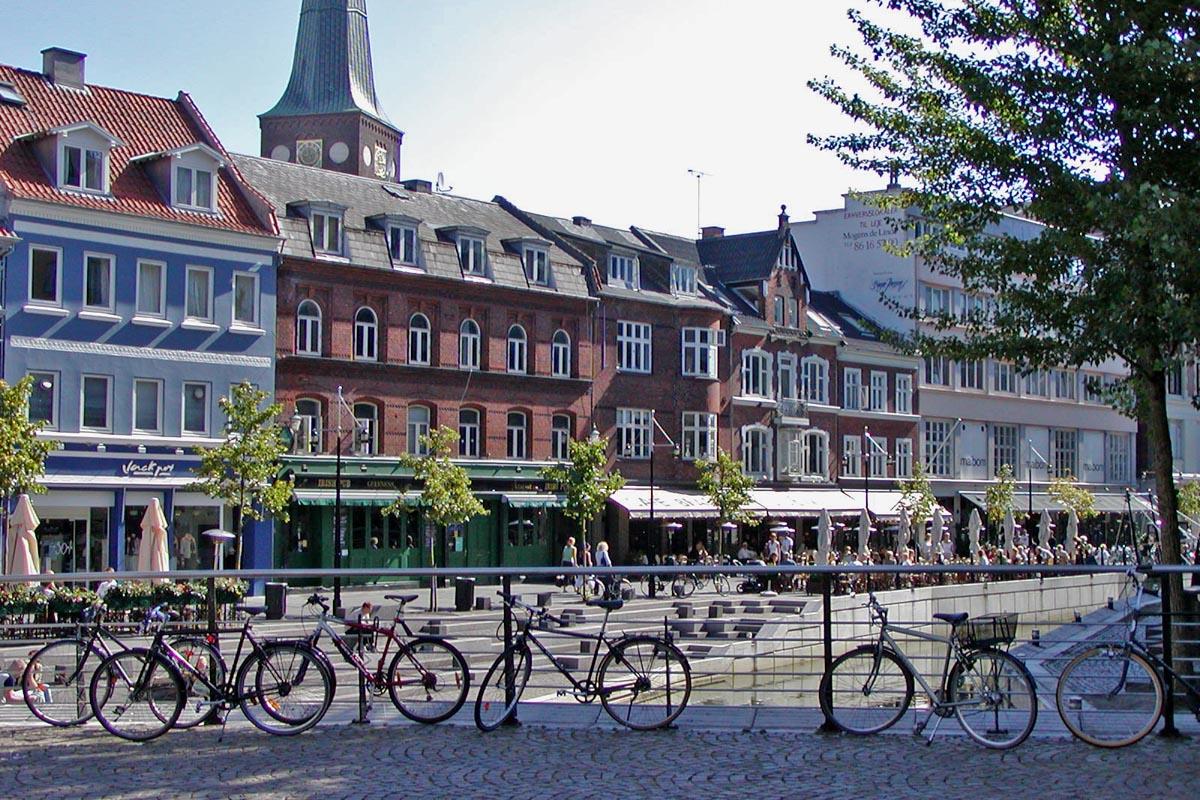
Looking beyond Himmelbjergegnens Tårnhøje Tårn? Discover Central Jutland for broader travel guides, local hot-spots, and regional highlights.
Explore Central Jutland