Dynæs Voldsted
Quiet medieval castle mounds and deep ditches on a wooded peninsula in the Silkeborg Lakes, where earthworks, water and forest hint at a vanished stronghold.
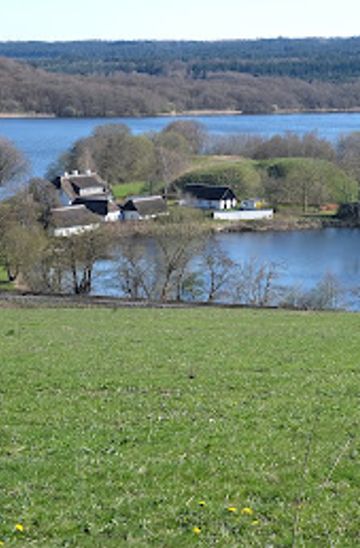
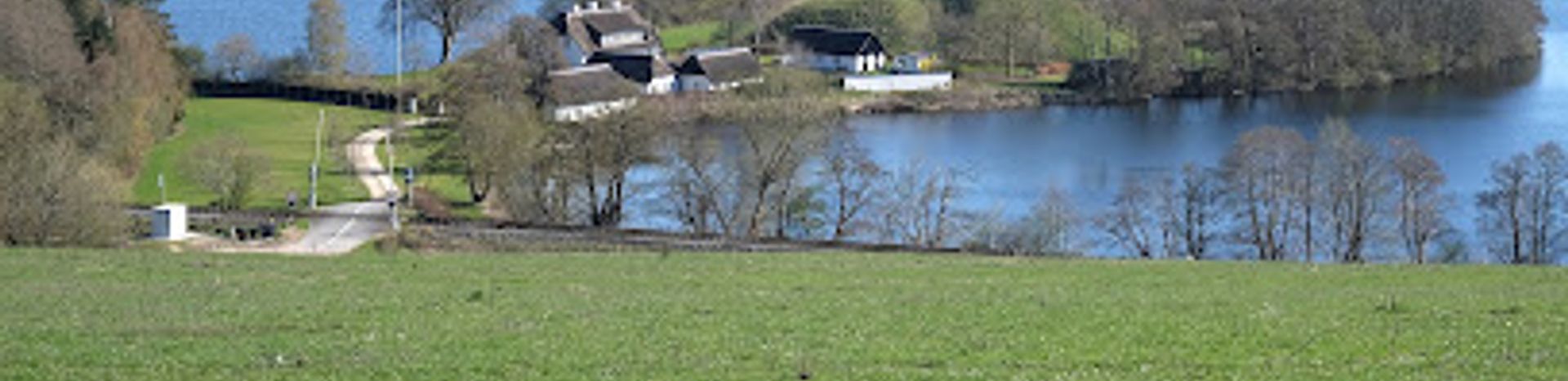
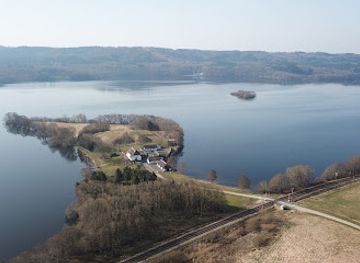
Dynæs Voldsted is a quietly atmospheric medieval castle mound set on the Dynæs peninsula west of Silkeborg, surrounded by the waters and forests of the Silkeborg Lakes. Here, only the grassy earthworks, deep defensive ditches and raised mound remain of a once-important noble stronghold linked to King Valdemar IV and later Silkeborg Castle and the bishop of Aarhus. Visitors come for the mix of low-key history, lake views and a peaceful woodland walk rather than grand ruins or facilities.
A brief summary to Dynæs voldsted
- Silkeborg, 8600, DK
- Click to display
- Duration: 0.5 to 2 hours
- Free
-
 Outdoor
- Mobile reception: 3 out of 5

Know before you go
Hi, I'm Eve. Here are a few practical things to know before exploring Dynæs voldsted.
- Wear sturdy shoes: the slopes of the 12 m castle mound and surrounding ditches can be steep and muddy, especially after rain.
- Bring water and snacks, as there are no guaranteed food or drink outlets directly at the site itself.
- Visit in spring or autumn for a balance of foliage and clearer views of the lakes and the outline of the earthworks.
- Allow time to walk the full circuit of the mound and ditches to appreciate how the natural peninsula and man-made defences worked together.
Do you manage this location?
Take control to get all the benefits, like improved information, better appearance, and stronger visibility across AI-powered discovery. Learn more
Activate your presenceOther nearby places you may find interesting
Getting There
-
Car from central Silkeborg
Driving from central Silkeborg to the Dynæs peninsula typically takes 15–25 minutes depending on traffic. The route follows paved regional roads through the lake district before smaller country lanes lead towards the peninsula area. Parking options are limited to informal roadside spaces or small lay-bys nearby, so avoid peak summer weekends if you want an easier spot. There is no entrance fee to visit the earthworks.
-
Local bus and walk
A practical car-free option is to take a regional bus from Silkeborg towards the western side of the lake district, which usually takes around 20–35 minutes. From the nearest stop you continue on foot through rural roads and forest paths, allowing roughly 30–45 minutes of walking on mostly easy terrain with some gentle inclines. Standard single bus tickets in the area are generally priced in the low two-digit range in Danish kroner, depending on zones.
-
Cycling from Silkeborg
Cycling from Silkeborg to Dynæs Voldsted is a scenic way to arrive, using a mix of smaller roads and local cycle-friendly routes past fields and lake views. Expect a one-way ride of about 45–70 minutes at a relaxed pace. Surfaces are mostly paved with some short stretches of compact gravel near the peninsula. The route includes mild hills typical of the lake district, so it is best for reasonably confident cyclists. There is no charge to access the site, but bring a lock as there are no formal bike racks.
For the on-the-go comforts that matter to you
-
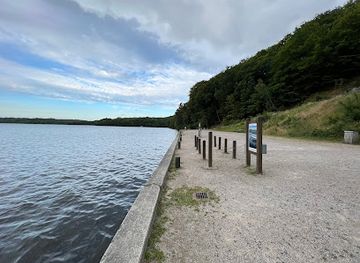
 Information Boards
-
 Seating Areas
-
 Trash Bins
Discover more about Dynæs voldsted
A medieval stronghold hidden in the Silkeborg Lake District
Dynæs Voldsted is the earthwork remnant of a medieval fortress set on the narrow Dynæs peninsula in the Silkeborg Lake District, west of the town of Silkeborg. The site once held a notable fortified residence surrounded by water and marsh, taking advantage of its natural island-like position in the lakes. Today you walk across quiet grass and woodland where a noble household, guards and servants once moved between timber buildings, storage houses and stables.The name Dynæs appears in written sources from 1360, placing the site firmly in the high Middle Ages. The fortress later became part of the wider power network of Silkeborg Castle and the church in Aarhus, reflecting its strategic value in controlling movement through the lake landscape and the surrounding estates.From royal property to ecclesiastical power
The history of Dynæs is intertwined with major shifts in Danish medieval politics. The stronghold is thought to have belonged to King Valdemar Atterdag in the 14th century, when the crown worked actively to regain lands and influence across the kingdom. In the early 1400s the castle came under the control of Silkeborg Castle, one of the key royal bases in central Jutland, linking Dynæs to a wider defensive system.In 1435 the property passed to the bishop of Aarhus, symbolising how church authorities accumulated fortified estates alongside royal and noble families. Although the exact construction date of the fortress is uncertain, the sequence of owners illustrates how valuable a defensible site in this watery landscape could be—both militarily and as an economic centre for surrounding farmland and hunting grounds.The contours of a vanished castle
What you see today at Dynæs Voldsted is not masonry walls but a clearly defined earthwork system. At its heart rises a roughly square castle mound about 12 metres high, once crowned by timber buildings and perhaps a palisade. Around it you can still trace the deep defensive ditches, cut to isolate the mound from the rest of the peninsula and enhance the natural protection offered by the lakes and wetlands.The form of the mound and ditches tells archaeologists that this was an ambitious structure by local standards, more than a simple farmstead. The elevated platform would have given wide views over the water and surrounding woods, while the steep sides and water-filled ditches made direct attack difficult. Even without standing buildings, the sculpted terrain makes it easy to imagine the outlines of the courtyard and outer defences.Nature, silence and subtle lake views
Part of the appeal of Dynæs Voldsted lies in its setting. The peninsula projects into the Silkeborg Lakes, and the route out typically leads through mixed woodland, clearings and glimpses of water between the trees. Birdsong replaces city noise, and underfoot paths may be soft with needles and leaves. In places, especially towards the edges of the peninsula, you gain modest but atmospheric views across the lake surface, reeds and distant forested shores.Because the site has never been heavily developed for tourism, the atmosphere remains low-key and contemplative. You share the space with local walkers, perhaps anglers on the banks or small boats moving quietly on the water. Seasonal changes are marked: in spring the woods brighten with new foliage; in summer the greenery feels almost enclosed; autumn brings colour and clearer views; in winter the earthworks stand more starkly against bare trees.Visiting with realistic expectations
Dynæs Voldsted does not offer towers to climb or reconstructed walls. The experience is about reading the land—following the banks and ditches, standing on the mound and imagining how the fortress once controlled the approach along the peninsula. Simple information boards may explain the basic history, but facilities are minimal and you should not expect on-site services beyond occasional seating or basic amenities nearby.Sturdy footwear helps, especially in wet weather when paths and slopes can be muddy or slippery. Allow time to wander at a relaxed pace, pausing on the mound to notice how its position commands both the approach and the surrounding water landscape. For history-minded visitors and anyone who enjoys quiet forest walks with a story underfoot, Dynæs Voldsted rewards unhurried exploration more than a fast photo stop.Explore the best of what Dynæs voldsted has to offer













More about Central Jutland
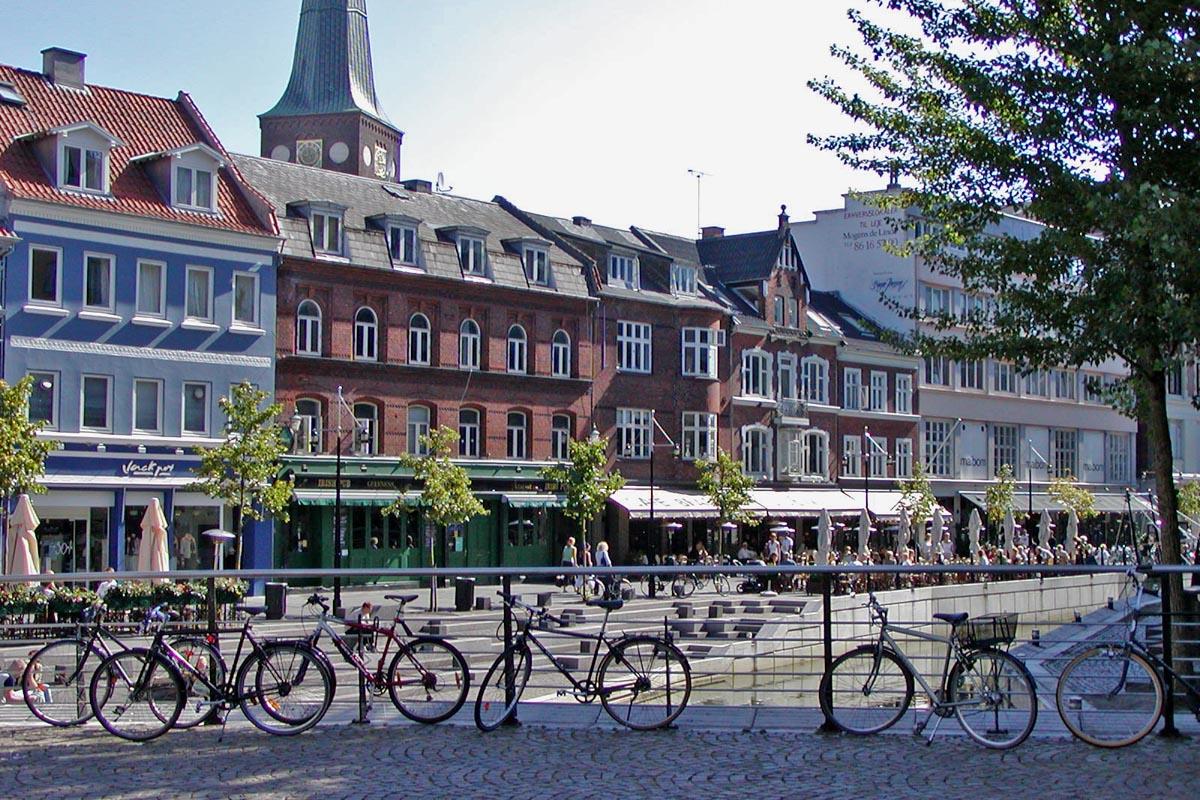
Explore Central Jutland in Denmark: A perfect blend of natural beauty, cultural heritage, and family-friendly attractions.
Tell me more about Central Jutland
Denmark's oldest steamship still operating with its original 1861 engine, offering historic cruises through the scenic Silkeborg Lake District.
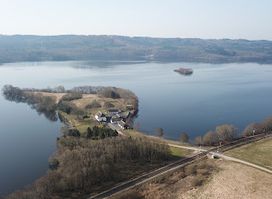
A modest historic site folded into Silkeborg’s forests, where quiet paths, subtle landforms and shifting light reveal the long story of Denmark’s lake country.