Kalø Castle, Mols Bjerge National Park Travel Guide
Wind-swept medieval ruins, Denmark’s longest cobbled causeway and wide bay views combine at Kalø Castle, where royal power, prison tales and protected nature meet.
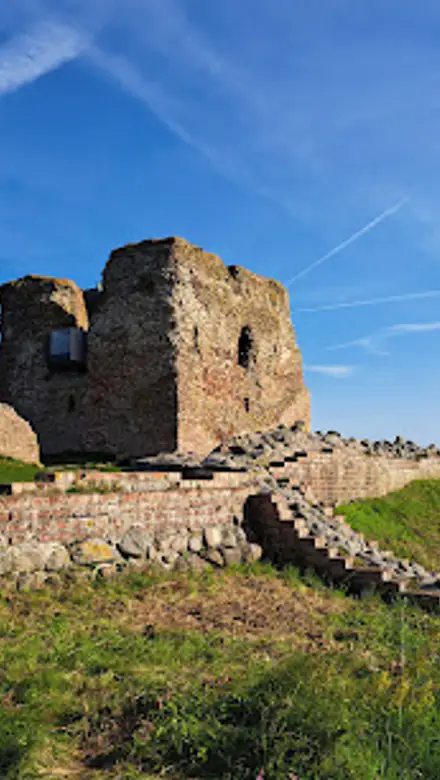
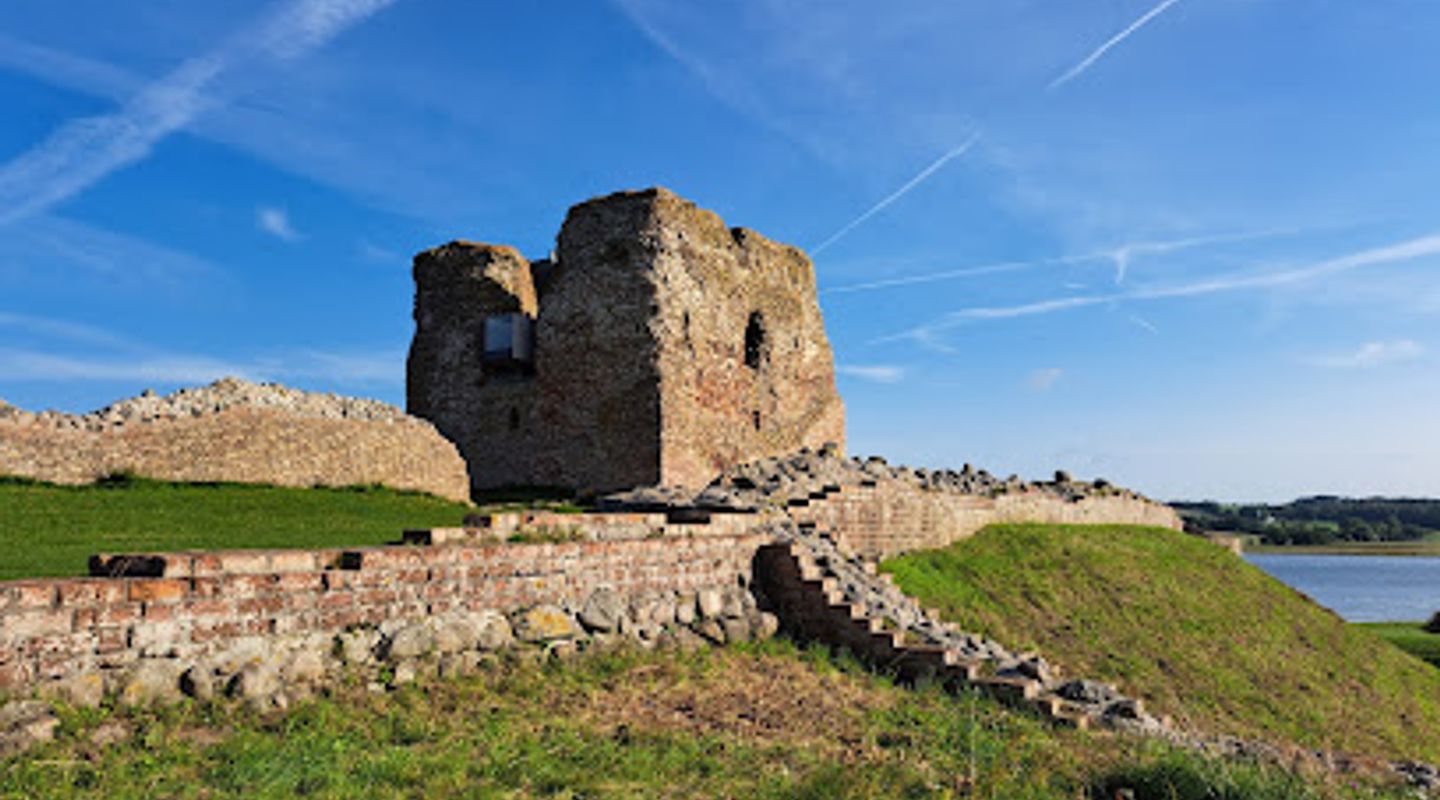
Kalø Castle Ruins rise from a low peninsula in eastern Jutland, linked to the mainland by Denmark’s longest medieval cobbled road. Built in 1313 by King Erik Menved after a peasant revolt, the fortress later served as manor, prison and, briefly, a royal powerbase before being quarried to build grand palaces elsewhere. Today you walk a windswept causeway into a 700‑year story, with red-brick ruins, new tower stairs, and wide views across Kalø Vig inside Mols Bjerge National Park.
A brief summary to Kalø Castle
- Molsvej 31, Rønde, 8410, DK
- Click to display
- Duration: 1 to 3 hours
- Free
-
 Outdoor
- Mobile reception: 4 out of 5

Know before you go
Hi, I'm Eve. Here are a few practical things to know before exploring Kalø Castle.
- Wear sturdy, waterproof footwear: the medieval cobbled causeway is uneven, often windy and can be slick after rain or sea spray.
- Allow extra time to climb the modern staircase inside the tower and pause at the glass platforms for the best bay and landscape views.
- Bring layers and a windproof jacket, even in summer; the exposed peninsula can feel significantly cooler than inland areas.
- Combine your visit with a walk in nearby Hestehave or Ringelmose forests for contrasting woodland scenery and additional viewpoints.
- If you enjoy photography, aim for early morning or late afternoon when low light emphasises the brick textures and the contours of Mols Bjerge.
Do you manage this location?
Take control to get all the benefits, like improved information, better appearance, and stronger visibility across AI-powered discovery. Learn more about listing your business on Evendo
Activate your presenceOther nearby places you may find interesting
The closest places of the same kind, if this one is not quite what you had in mind.
Explore Kalø Castle on the Map
A handpicked selection of must-see spots near Kalø Castle, mapped for you.
Getting There
-
Bus from Aarhus
From central Aarhus, take regional bus 123 toward Rønde and get off at the Kalø Castle Ruins stop near the main parking area. The journey typically takes 35–45 minutes, with services running roughly every 30–60 minutes during the day. A one-way adult ticket usually costs around 30–50 DKK depending on fare zones and discounts. Buses are low-floor and generally suitable for wheelchairs and strollers, though the cobbled causeway and slopes at the ruins remain challenging for some visitors.
-
Car from Aarhus region
Driving from Aarhus or nearby towns, reach the Kalø area via main regional roads heading toward Rønde and Ebeltoft, then follow signs for the castle ruins. Typical travel time from Aarhus is around 30–40 minutes, longer in summer or weekend traffic. There is a public parking area near the start of the causeway, usually free or with only a modest charge when in effect. From the car park you continue on foot along the approximately 1.5 km round-trip cobbled and gravel path, which can be uneven and muddy after rain.
-
Cycling in the Aarhus–Rønde corridor
Confident cyclists can reach Kalø Castle Ruins using regional cycle routes that broadly follow the main road between Aarhus and Rønde, then detouring to the coast near the site. From Rønde the ride typically takes 15–25 minutes, depending on pace and wind. Surfaces are a mix of paved roads and local lanes, with some hills in the surrounding Mols Bjerge landscape. There is informal space near the parking area to leave and lock bicycles, but no dedicated covered bike storage, and strong coastal winds are common.
For the on-the-go comforts that matter to you
-
 Restrooms
-
 Trash Bins
-
 Information Boards
-
 Visitor Center
-
 Seating Areas
Discover more about Kalø Castle
A fortress on the edge of Kalø Vig
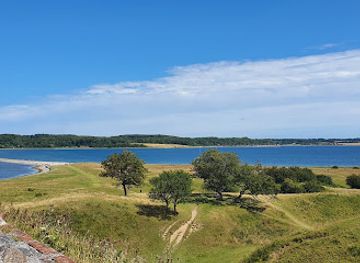
Kalø Castle Ruins sit on a low, grassy headland reaching into Kalø Vig, framed by the rolling hills of Mols Bjerge National Park. From the shore you see broken red-brick walls and a square tower rising above earth mounds and old moats, the last traces of a once formidable royal stronghold. Sea birds circle overhead, and the shallow bay reflects the changing Danish sky, making the ruins feel both isolated and theatrically placed.Although only fragments survive, the footprint of the complex is still legible: the main tower, inner courtyard and ring walls stand above heavy earthworks. The landscape around forms a natural amphitheatre, with the inlet as stage and the castle as its weathered backdrop.Built to crush rebellion, shaped by royal power
Kalø was founded in 1313 by King Erik Menved in the wake of a major Jutland peasant revolt. Rather than protect against foreign enemies, this fortress was aimed at rebellious nobles and farmers, many of whom were forced to build it. Raised in brick and stone on its own island, with deep moats and strong ramparts, Kalø was designed to be nearly impregnable and to advertise the king’s authority across Djursland.Over the centuries the castle’s function shifted. It became a regional manor and administrative centre, overseeing the surrounding estates and farms. In the sixteenth century it also served as a state prison, holding high-profile inmates whose confinement signalled shifting power balances in Scandinavia.Gustav Vasa and other stories within the walls
The most famous prisoner at Kalø was Gustav Vasa, later King of Sweden, who was held here from 1518 to 1519. His eventual escape and return to Sweden would help usher in Swedish independence, but for a year his world was defined by these walls, the wind off the bay, and the constant watch of Danish guards. Standing in the tower today it is easy to imagine his frustration and plans for flight.Later wars and political changes left Kalø increasingly obsolete. By the mid‑seventeenth century, after conflicts with Sweden and the introduction of absolute monarchy, the fortress no longer fit the new royal landscape and slipped into decay.From royal stronghold to stone quarry
Once Kalø’s strategic role faded, the castle became a convenient source of ready-made building material. In the 1660s large parts of the structure were systematically dismantled, and thousands of bricks and stones were shipped away to help create new aristocratic residences, including a grand palace in Copenhagen. What you see now is only a fraction of the original mass, the bones left after centuries of reuse.By the nineteenth century, attitudes had changed and the ruins were recognised as part of Denmark’s national heritage. The site was protected, and in 1903 a careful restoration programme began to stabilise the remaining walls and conserve the structure for future generations.The longest medieval road in Denmark
Reaching the ruins is a journey through history in itself. A straight, half‑kilometre causeway, regarded as Denmark’s longest medieval cobbled road, links the mainland to the site. Each stone in this raised track was placed by hand in the fourteenth century, and walking it today you follow in the footsteps of soldiers, servants, prisoners and royal envoys.At low tide the shallow waters on either side reveal stones and traces of older settlements, reminders that this shoreline has hosted human activity since long before the castle was built. The combination of engineered causeway, tidal bay and glacial hills gives the approach a distinctive, cinematic quality.Exploring the tower and the surrounding landscape
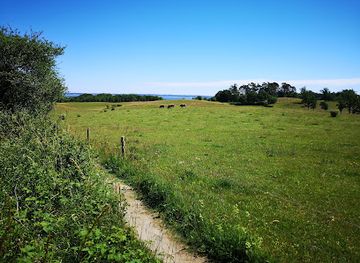
Inside the main tower a contemporary steel and wood staircase now threads upward through the shell of medieval brick. This Kalø Tower intervention opens previously inaccessible levels, letting you examine construction details at close range and step out to glass-fronted viewpoints. From the top you gain sweeping views of the bay, nearby beech forests and the undulating Mols Bjerge hills.Around the ruins, grassy slopes invite slow wandering. Wildflowers, grazing sheep or cattle at certain times, and distant farmsteads underline that this is both a cultural monument and a living rural landscape. The blend of raw ruin, sensitive modern design and protected nature makes Kalø a quietly powerful place to linger rather than simply tick off the list.












Your all‑in‑one travel companion app
Explore expert travel guides, compare and book tours, experiences, hotels, and more—all from the palm of your hand. Download now for seamless trip planning wherever your wanderlust takes you.


Explore More of Mols Bjerge National Park
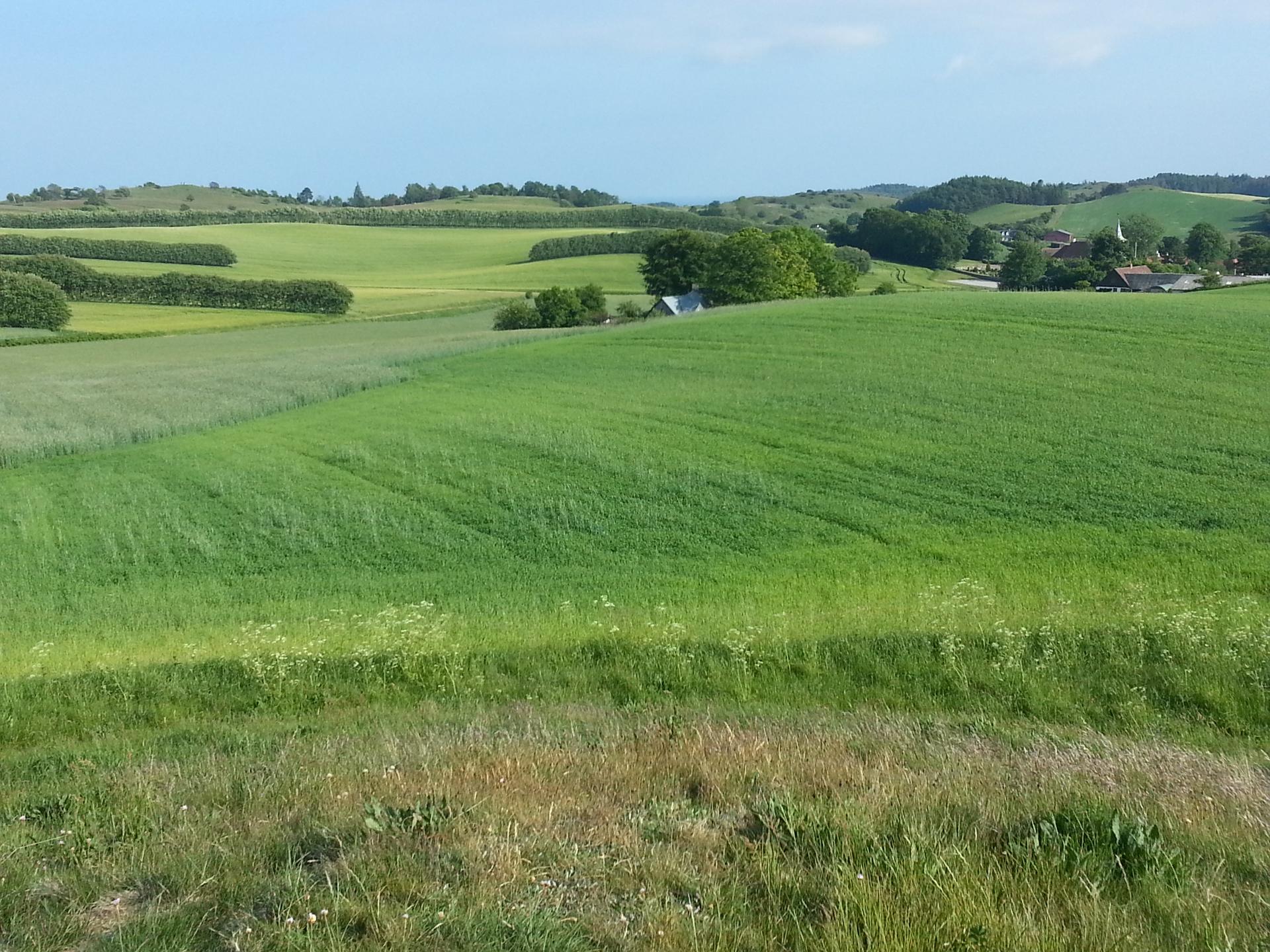
Looking beyond Kalø Castle? Discover Mols Bjerge National Park for broader travel guides, local hot-spots, and regional highlights.
Explore Mols Bjerge National Park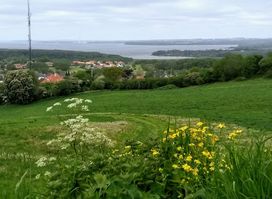
A 3000-year-old Bronze Age burial mound turned beacon hill, St. Bavnehøj’s Gravhøj above Rønde pairs deep prehistory with wide, wind-swept views over Kalø and Mols.
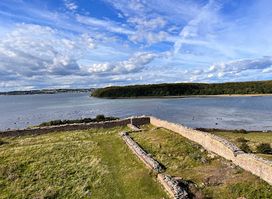
Wind-swept medieval ruins, a 700‑year‑old cobbled causeway and wide views over Kalø Vig make this former royal stronghold a moody highlight of Mols Bjerge.