
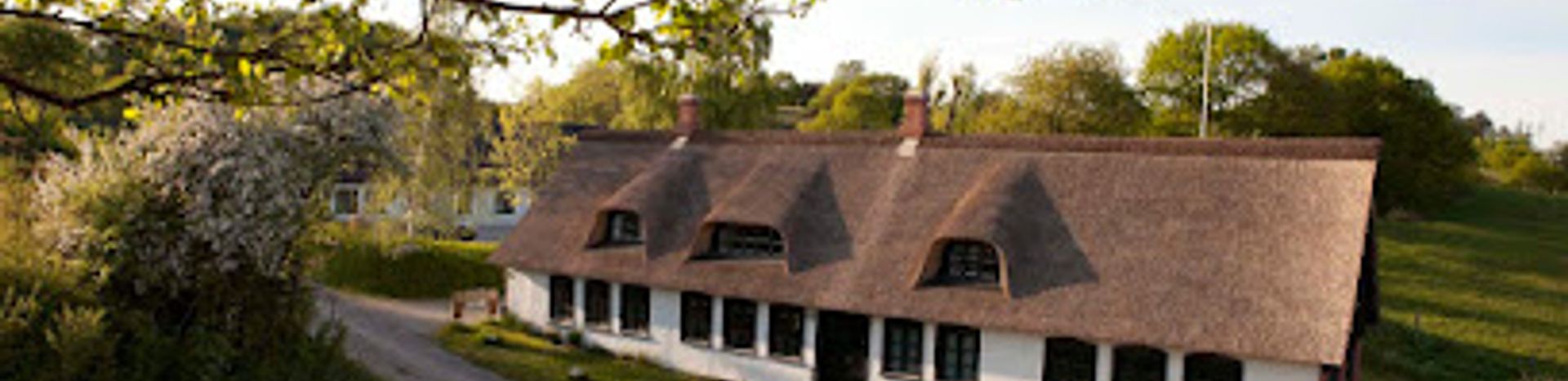
Molslaboratoriet – Field Laboratory in Mols Bjerge
A quiet farmstead in Mols Bjerge where free-roaming horses, grazing cattle and long-term research turn a Danish hillside landscape into a living laboratory of wild nature.
Set in the rolling hills of National Park Mols Bjerge near Ebeltoft, Molslaboratoriet is the Natural History Museum Aarhus’ outdoor research station and education centre. From an old farmstead at Nedre Strandkær, 150–160 hectares of protected landscape are used for cutting‑edge rewilding with freely roaming Galloway cattle and Exmoor ponies, biodiversity research and guided walks. Visitors can explore marked trails, learn about Danish ecosystems and experience a living laboratory where science, conservation and wild nature meet.
A brief summary to Molslaboratoriet, Naturhistorisk Museum
- Strandkærvej 6, Ebeltoft, 8400, DK
- +4586362535
- Visit website
- Duration: 1.5 to 6 hours
- Free
-
 Outdoor
- Mobile reception: 3 out of 5
Local tips
- Wear sturdy walking shoes; trails can be steep, uneven and muddy, especially after rain or in early spring.
- Bring binoculars and a camera with zoom to watch birds, butterflies and the free-ranging horses and cattle from a respectful distance.
- Check the Natural History Museum’s information in advance for seasonal guided walks such as fungi tours, night hikes or butterfly outings.
- Pack water and snacks; there are limited food options on site, and you may stay out longer than planned once you start exploring.
- Dress in layers and bring a windproof outer layer, as conditions in the open hills can change quickly even on apparently calm days.

For the on-the-go comforts that matter to you
- Restrooms
- Seating Areas
- Picnic Areas
- Trash Bins
- Information Boards
- Visitor Center
Getting There
-
Car from Aarhus
Driving from central Aarhus to Molslaboratoriet typically takes about 40–50 minutes, covering roughly 45–50 km through the Aarhus Bay and Mols area. The route follows main roads and is straightforward in normal conditions, but expect narrow, winding local roads near Mols Bjerge and reduced speeds in villages. There is usually free parking near the farm buildings, though spaces can be limited on busy weekends and during courses. Fuel and motorway tolls are not significant factors, so costs are mainly standard car operating expenses.
-
Bus from Aarhus to Ebeltoft and taxi
From Aarhus, regional buses to Ebeltoft generally take about 1–1.5 hours, depending on the route and intermediate stops, with departures several times a day. A standard adult ticket usually falls in the range of 70–110 DKK one way. From Ebeltoft, a local taxi ride to Molslaboratoriet typically takes around 15–20 minutes, with fares in the region of 180–260 DKK each way depending on time of day and company fees. This combination avoids driving yourself but requires checking timetables and possible waiting time when changing from bus to taxi.
-
Cycling from Ebeltoft and nearby villages
For those already staying in Ebeltoft or nearby coastal villages, cycling to Molslaboratoriet is a scenic option. Expect a ride of roughly 8–15 km taking around 30–60 minutes each way, depending on your starting point and fitness. Roads in the area are generally paved but can be hilly, with a mix of quiet country roads and stretches where you share space with cars. There is no direct cost, but you should be comfortable with climbing, bring lights in shoulder seasons, and be prepared for strong coastal winds and changing weather.
Molslaboratoriet, Naturhistorisk Museum location weather suitability
-
 Clear Skies
-
 Mild Temperatures
-
 Any Weather
-
 Windy Conditions
-
 Cold Weather
-
 Hot Weather
Discover more about Molslaboratoriet, Naturhistorisk Museum
A historic farm turned living nature laboratory
Molslaboratoriet centres on the former farm of Nedre Strandkær, gifted to the Natural History Museum in the early 1940s and gradually transformed into a research station in the heart of Mols Bjerge. Today the whitewashed buildings, barns and conference rooms form a low-key courtyard hub, framed by sheltering trees and views that open towards gently undulating hills. Inside, simple facilities support researchers, students and course groups, but the real focus lies outside the doors, where fields, scrub and old grassland function as an open-air laboratory. The station’s 150–160 hectares form a compact yet varied slice of the national park, with dry slopes, wetter hollows and patches of woodland. This continuity of ownership over decades has allowed long-term ecological monitoring that is rare in Denmark, making the site important well beyond its modest size.Rewilding with horses, cattle and biodiversity in mind
One of the most distinctive aspects of Molslaboratoriet is its ambitious rewilding project. Internal fences between woodland and open land have been removed and replaced by a single outer fence, allowing Galloway cattle and Exmoor ponies to roam freely throughout the enclosure year-round. These hardy breeds live outdoors in all seasons, shaping the mosaic of vegetation as they graze shrubs, grasses and young trees. Instead of being fed through winter like traditional livestock, the animals rely on the natural vegetation, mimicking wilder conditions. This grazing pattern leaves more flower-rich areas in summer, benefitting butterflies, bees and other pollinators while dung supports beetles and countless smaller organisms. For visitors, it means there is a genuine chance encounter with a herd emerging over a ridge or standing quietly in a valley, always to be observed at a respectful distance.Research in the open and subtle traces of science
Molslaboratoriet has hosted ecological research since the 1940s, from classic grazing experiments in small plots to modern landscape-scale studies. Today, selected animals carry GPS transmitters, drones map vegetation, and insect communities are followed with DNA-based methods. From the trails, you may notice unobtrusive markers, fenced sample areas or small instruments; these are hints of ongoing studies that help scientists understand how large herbivores, climate and land use interact. This combination of quiet farmland ambience and high-level research gives the area a particular character: it feels like ordinary countryside at first glance, yet almost every field corner or slope has been measured, catalogued or photographed in the name of science. Visiting here offers a rare glimpse into how long-term studies underpin nature conservation decisions far beyond Mols Bjerge.Walking paths, guided outings and seasonal moods
Visitors are welcome to explore Molslaboratoriet on marked trails that loop through hills, heathland and woodland edges. Paths are generally easy to follow, though gradients can be steep in places and surfaces may be uneven or muddy after rain. Along the way, there are viewpoints over the national park, quiet corners for picnics in the grass and good chances to spot orchids, colourful meadow flowers, butterflies and birds of open country. Guided tours, often seasonal, focus on themes such as fungi, night walks, firefly evenings, butterflies or excursions to find the free-ranging horses and cattle. These activities add expert interpretation to what you see underfoot and overhead, making ecological processes and species stories more tangible. Even outside organised events, information from the Natural History Museum helps frame what you are experiencing as part of a larger conservation effort.A calm base for nature immersion in Mols Bjerge
Despite its scientific role, Molslaboratoriet maintains a tranquil, low-key atmosphere. There are no big visitor buildings or noisy attractions here; the appeal lies in space, silence and detail. Wind in the grasses, skylarks above, distant lowing of cattle and the crunch of gravel underfoot set the soundscape. The station buildings sometimes host residential courses and meetings, so you might see groups heading out with nets, binoculars or notebooks. For travellers exploring Mols Bjerge, Molslaboratoriet works well as a starting point for half-day or full-day wanders into surrounding hills. It offers a chance to slow down and experience how an ordinary-looking Danish landscape becomes extraordinary when left just wild enough—and carefully watched over by ecologists who read every hoofprint, flower patch and insect as data in an unfolding story of rewilding and biodiversity.Iconic landmarks you can’t miss

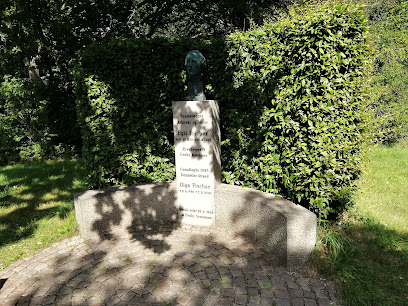
Mindesten for Egil Fischer
2.0 km
A quiet memorial honoring Denmark's visionary architect and pioneer of planned communities.
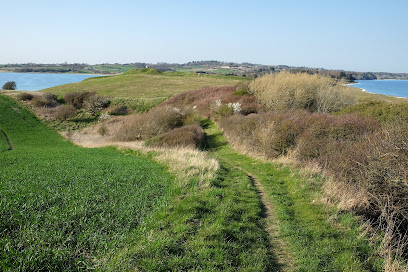
Olaf Ryes Skanse
7.6 km
A 19th-century Danish military fortification honoring a war hero with commanding views across the Jutland landscape.
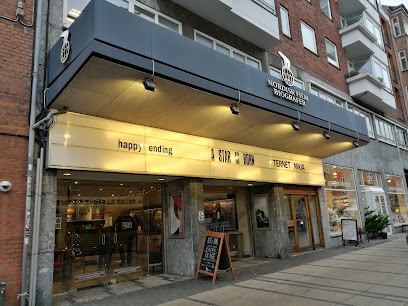
Nordisk Film Cinemas Trøjborg
23.0 km
Experience local Danish cinema culture at Nordisk Film Cinemas Trøjborg—an atmospheric neighborhood movie house blending modern comfort with classic charm in Aarhus.
Trøjborg Beboerhus
23.0 km
Experience the vibrant community spirit of Aarhus at Trøjborg Beboerhus, a hub for cultural events, workshops, and local gatherings.
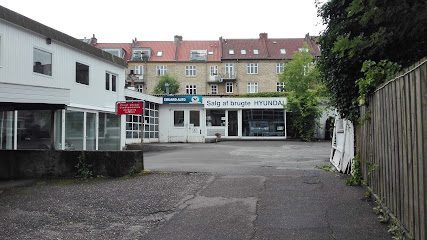
Folkehuset Trøjborg
23.3 km
Folkehuset Trøjborg blends Danish hygge, vibrant community life, and affordable culture, making it a beloved gathering place in the heart of Aarhus’ Trøjborg district.
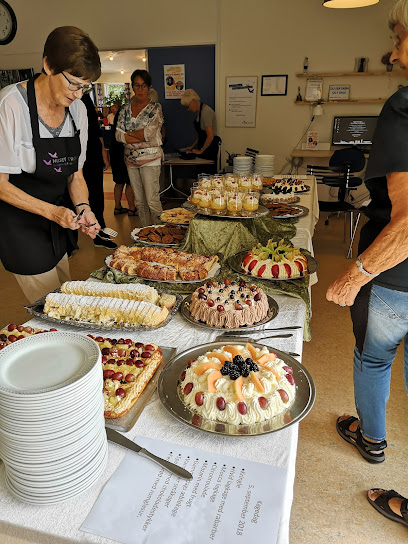
Aarhus waterfront
23.5 km
Aarhus Waterfront blends urban vibrancy, Nordic design, and harbor heritage with panoramic sea views and lively promenades, making it a quintessential Danish experience.
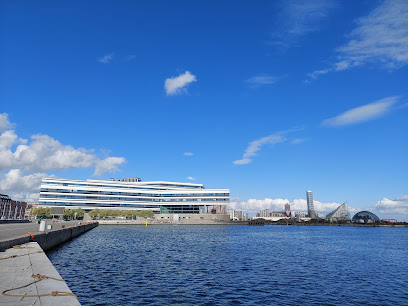
Endless Connection
23.6 km
Experience the dynamic interplay of art and water at Aarhus's Endless Connection, an interactive fountain by Jeppe Hein.
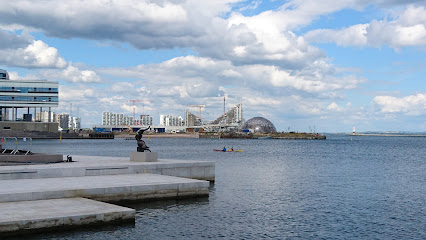
Herman Sallings Plads
23.6 km
Aarhus’s vibrant harborfront plaza, bridging the historic city and the modern waterfront, alive with urban energy, culture, and panoramic views.
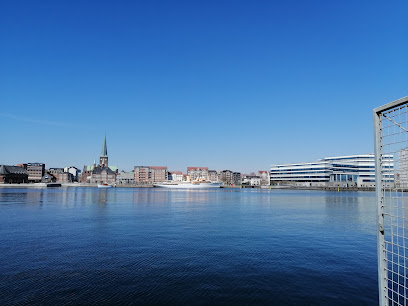
Latin Quarter
23.7 km
Winding cobblestone streets, historic facades, and a creative spirit fill Aarhus’s Latin Quarter, the city’s oldest district and its cultural heartbeat.
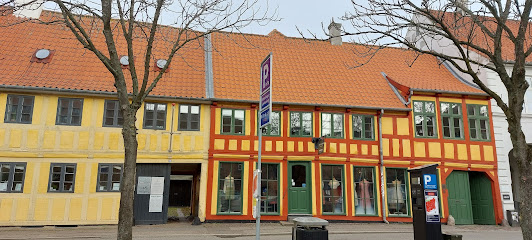
The Occupation Museum
23.7 km
Malmo Live Concert Hall offers world-class music, architecture, and vibrant city energy in the heart of Malmö, steps from the waterfront and cultural highlights.
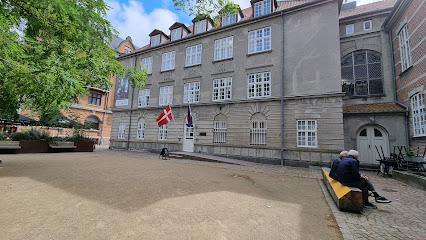
KØN - Gender Museum Denmark
23.7 km
A groundbreaking museum in Aarhus dedicated to gender, identity, and equality, featuring interactive exhibitions in a historic building near the city’s iconic cathedral.
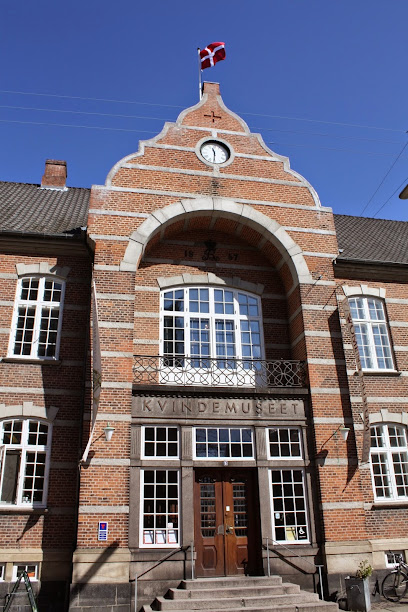
History Hunts med Hvem.nu
23.8 km
Malmo Live Concert Hall blends iconic Nordic architecture, world-class live music, and a vibrant atmosphere in Malmö, just across the bridge from Copenhagen.
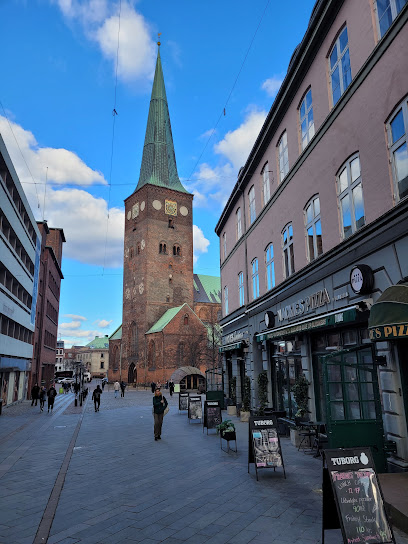
Aarhus Cathedral
23.8 km
Denmark’s largest cathedral, a Gothic masterpiece in Aarhus C, renowned for medieval frescoes, stunning vistas, and a vibrant city square atmosphere.
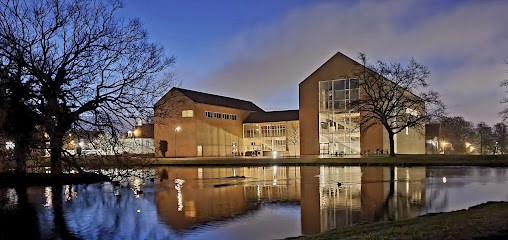
University Park, Aarhus
23.8 km
Explore seven centuries of art at SMK – Denmark’s national gallery, marrying old masters, modern pioneers, and cutting-edge exhibitions in stunning parkland surroundings.
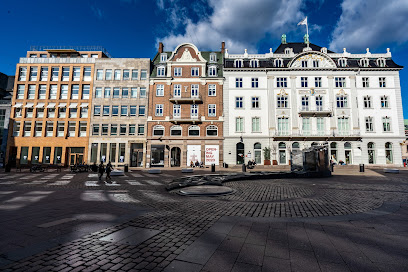
Store Torv
23.9 km
Store Torv is the historic plaza at Aarhus’ city heart, a hub of medieval charm, vibrant markets, and the dramatic silhouette of Denmark’s tallest cathedral.
Unmissable attractions to see

Mols bjerge besøgscenter
0.2 km
Free, informative gateway to Mols Bjerge National Park, where ice‑age hills, grazing herds, and hands‑on exhibits meet just outside coastal Ebeltoft.
Kvalitetssti Langemosestien
0.2 km
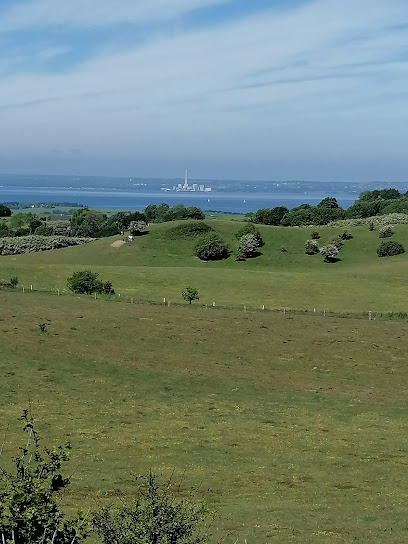
A short but varied loop through oak forest, open hills and tranquil bog in Nationalpark Mols Bjerge, with sweeping glimpses of Ebeltoft Vig along the way.
Det magiske klatretræ
0.7 km
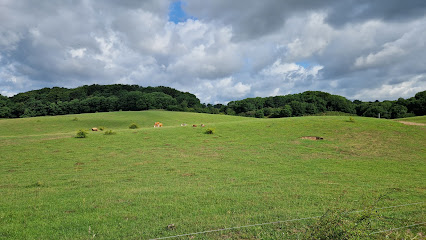
A storybook climbing tree on a quiet country road near Ebeltoft, where twisting branches, fresh air and simple play turn a short stop into a small adventure.
Mols Bjerge
1.2 km
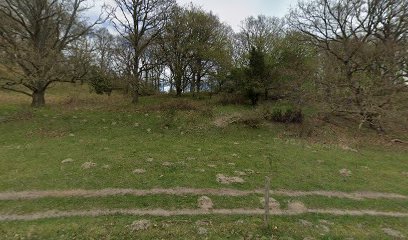
Rolling Ice Age hills, wide sea views and ancient burial mounds combine in one of Denmark’s most varied national parks on the Djursland peninsula.
Mols Bjerge stien
1.3 km
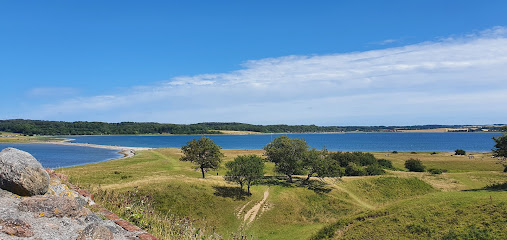
An Ice Age–sculpted long-distance trail of low Danish “mountains”, wide views, rare nature and historic sites winding through Nationalpark Mols Bjerge.
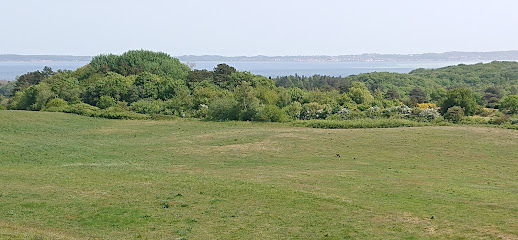
Kvalitetssti Mols Bjerge, Bjergetapen
1.4 km
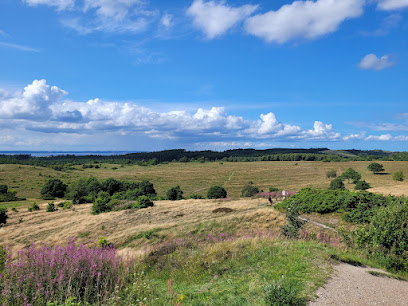
Denmark’s “mountain stage”: a demanding, day-long loop through the heather-clad hills, ravines and far-reaching views of Mols Bjerge near Ebeltoft.
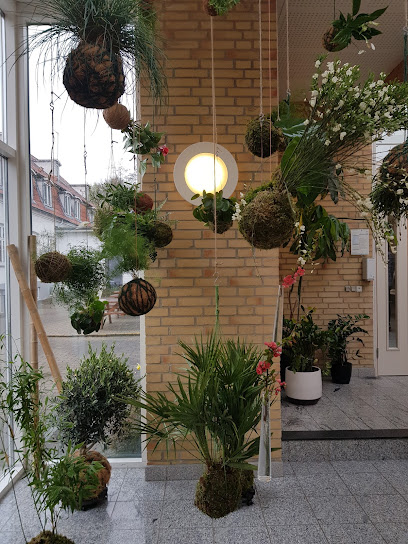
Safis Kokedameri
1.5 km
A tiny kokedama-focused garden in Ebeltoft where plants become living design pieces and a calm pause between town streets and the wilds of Mols Bjerge.
Molskroen
1.9 km
Historic seaside inn and gourmet retreat on the edge of Ebeltoft, where Nordic landscape, coastal calm and Michelin-recognised cuisine meet by the dunes.

Strand Bogens
1.9 km
A modest Djursland shoreline where sea-level calm meets the gentle climb inland toward Fuglsø, offering simple coastal scenery, fresh air and rural quiet.
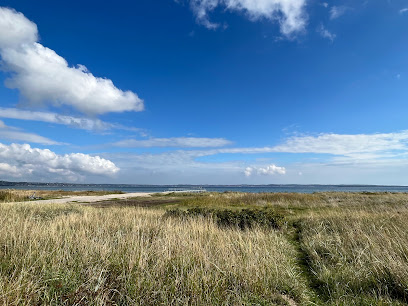
Tipi Tur
2.0 km
Authentic glamping in Mols Bjerge's glacial landscape—yurts, tipis, and forest adventure await.
Mols Cross Club
2.1 km
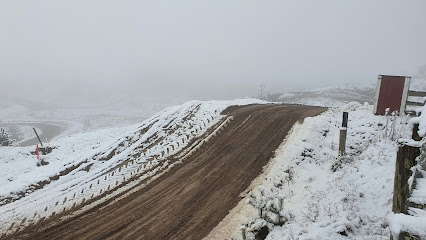
Club-run motocross in the rolling Mols Bjerge landscape, where off-road riders test their skills on a sculpted dirt track just outside coastal Ebeltoft.
Tremosegaard
2.1 km
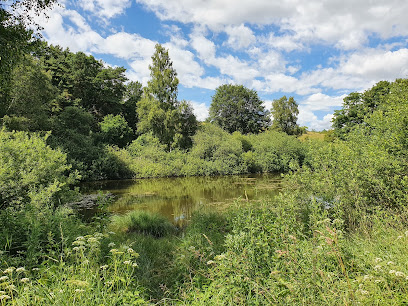
A peaceful shelter site on the edge of Mols Bjerge National Park, where meadows, a small bog and farm fields create a gentle escape into rural Denmark.
Svampedam
2.6 km
Rolling hills and panoramic trails in Denmark's most dramatic national park landscape.
Mols
2.8 km
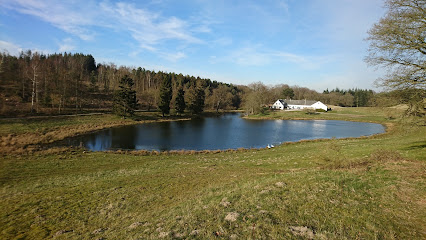
A softly contoured Danish peninsula of hills, heather and shallow bays, where Mols Bjerge’s wild ridges meet quiet villages, manor fields and long, sheltered beaches.
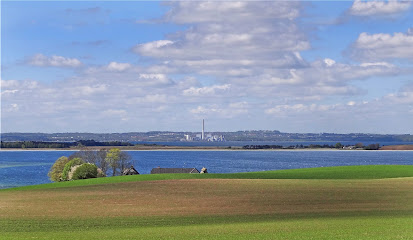
Natomolen
2.8 km
A former Cold War naval pier on Ebeltoft Vig, now a raw coastal viewpoint where fishing, diving history and ambitious marine restoration plans meet.
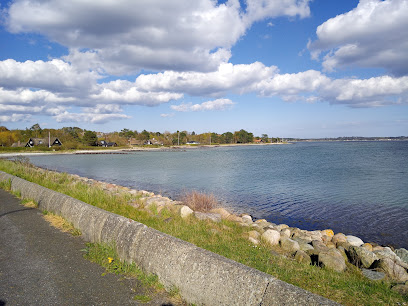
Essential places to dine

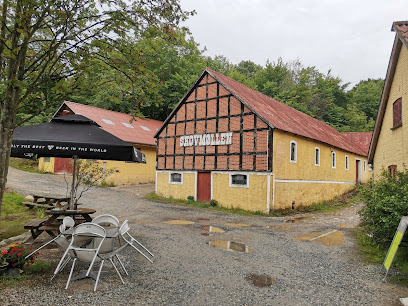
Restaurant Skovmøllen Femmøller
1.4 km
Authentic Danish comfort food beside a peaceful mill pond, where tradition meets genuine hospitality.
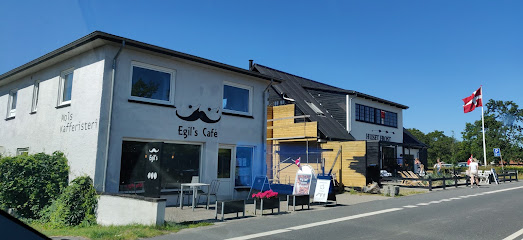
Labacate Café
1.8 km
Brazilian warmth, specialty coffee and artisan sourdough in a cozy coastal café just steps from the beach in Femmøller near Ebeltoft.
Molsboden
1.9 km
A small red beach stand at Femmøller Strand serving burgers, ice cream and local drinks, perfectly placed between Ebeltoft’s calm bay waters and the hills of Mols.
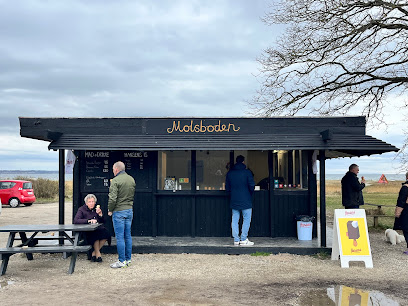
Molskroens Isbod
1.9 km
Casual seaside ice cream stand near Mols Bjerge and Ebeltoft, serving classic Danish soft ice and scoops to beachgoers, walkers and cyclists on sunny days.
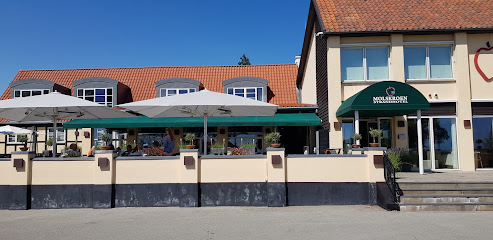
Molskroen Strandhotel og Molskroens Brasserie
2.0 km
A coastal Danish strandhotel pairing sea views, Nordic comfort and refined local cuisine on the edge of Mols Bjerge National Park near Ebeltoft.
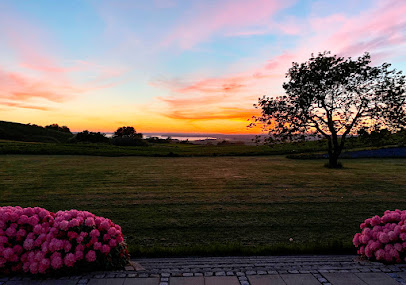
MolsCafeen
2.5 km
Rural cafe and cozy bed and breakfast on Kølbakken, pairing homely Danish cooking with wide countryside views toward the Mols Bjerge landscape near Ebeltoft.
Restaurant Mols Bjerge
5.4 km
Authentic Sicilian cuisine and wood-fired pizzas in the heart of Danish countryside, near Mols Bjerge.
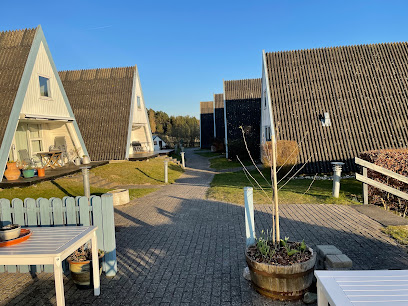
Restaurant Moment
6.2 km
Radically green fine dining in a timber-clad restaurant at Friland, where Nordic tasting menus grow out of the surrounding permaculture gardens and seasons.
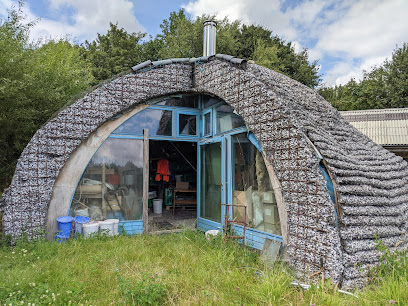
Restaurant Stockfleth
6.8 km
Harbourfront hygge in a historic fillet factory, serving fresh Danish seafood, hearty classics and steaks with wide Ebeltoft harbour views from terrace and table.
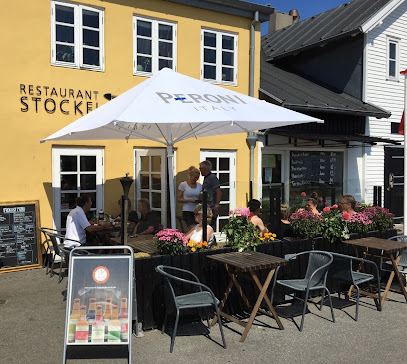
Knebel Bro Pizza Grill
6.9 km
Casual harbour-neighbourhood pizzeria and grill in Knebel, serving hearty, inexpensive takeaway classics to sailors, locals and holidaymakers on the Mols peninsula.
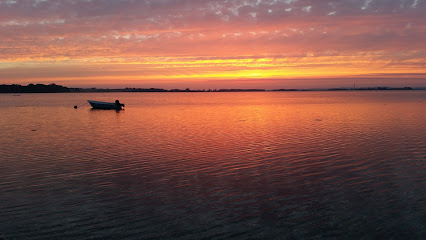
Karens Brasserie
6.9 km
Comforting Danish home cooking and generous brunches by Ebeltoft’s harbour, where casual brasserie dining meets views towards the historic frigate Jylland.
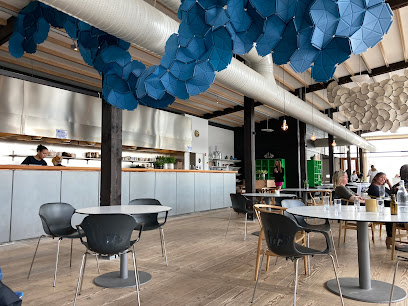
Ristorante Italia
7.0 km
Cosy Italian trattoria in Ebeltoft’s cobbled old town, serving stone-baked pizzas and classic pasta with a summery courtyard that feels surprisingly Mediterranean.
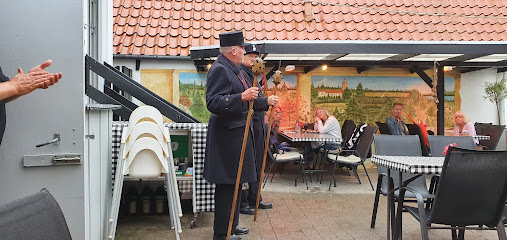
Raadhus Caféen
7.0 km
Cozy café-restaurant by Ebeltoft’s historic town hall, serving coffee, cakes and hearty European–Danish dishes with a relaxed view over the cobbled square.
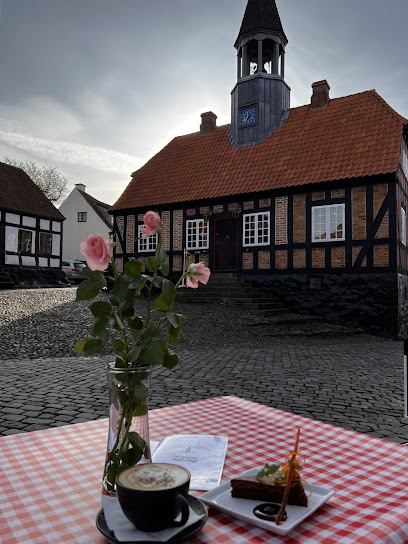
Restaurant Mellem Jyder
7.1 km
Historic 17th-century inn in old-town Ebeltoft serving classic Danish “kromad” with a modern twist amid candlelit stuer and a flower-filled courtyard.
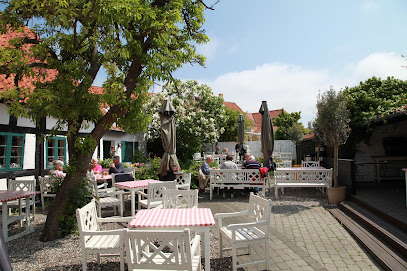
Lundbergs Spisehus
7.1 km
Laid‑back Nordic cooking, freshly baked bread and courtyard vibes inside Ebeltoft’s red‑brick Maltfabrikken creative hub.
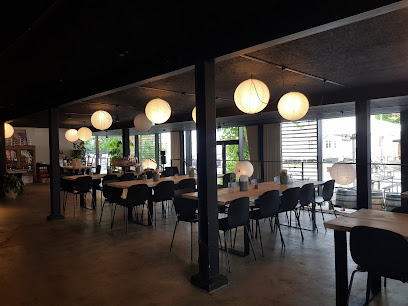
Markets, malls and hidden boutiques

Aktivstrikdesign
1.4 km
Where yarn, community, and Danish hygge come together in a welcoming knitting space.
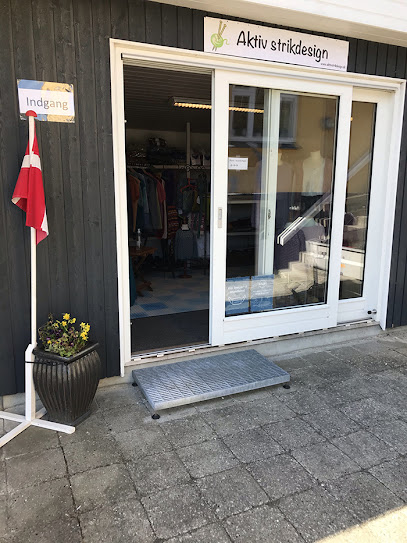
Nixn
1.6 km
Curated contemporary fashion in charming Danish countryside retail.
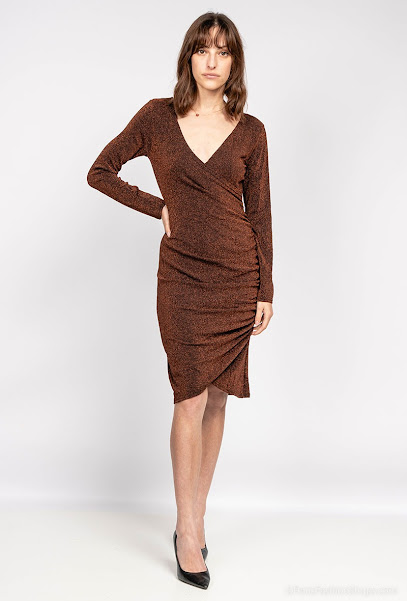
Huset Frost
1.8 km
Experience the fusion of gourmet dining and sustainable design at Huset Frost in Ebeltoft.
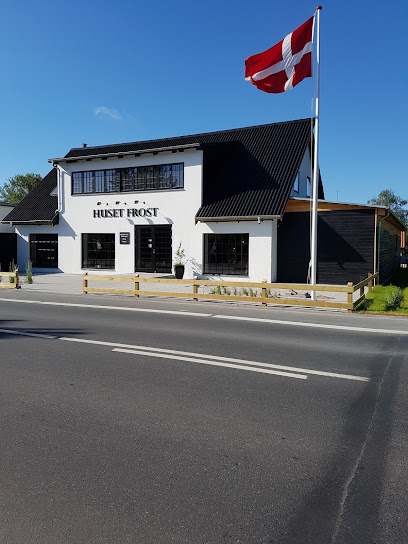
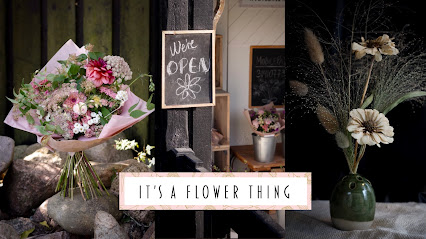
It’s a Flower Thing
1.9 km
Handcrafted ceramics and seasonal flowers grown in harmony with nature's rhythms.
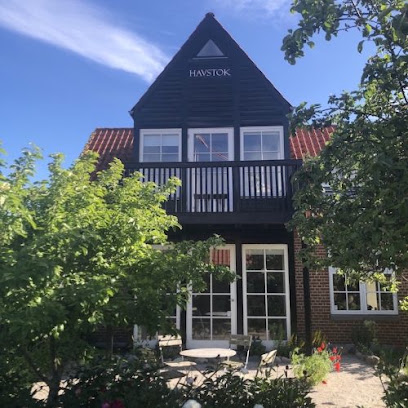
Havstok
2.0 km
Handcrafted rustic furnishings in Denmark's charming maritime heritage town.
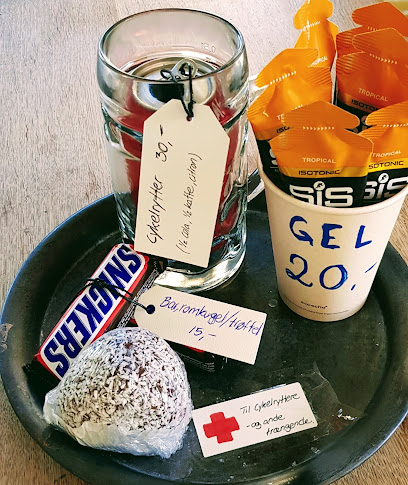
Is På Toppen - Outdoor Cykel- og Vandrecafe
3.2 km
Beloved outdoor café and ice cream bar at the edge of Mols Bjerge National Park, renowned among hikers and cyclists for homemade treats and countryside atmosphere.
EnergyBar.nu
5.3 km
Compact organic food shop in rural Vrinners, specializing in Danish-made energy bars and protein products that power explorations around Knebel and Mols Bjerge.
Troldhedesten
5.4 km
Coastal fitness hub where quality equipment meets active Danish living.
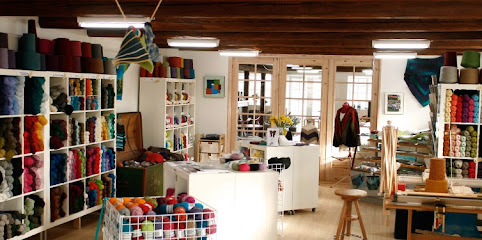
Garn10
5.5 km
A cozy village yarn shop in Knebel where shelves of color, texture, and Nordic fibers invite you to slow down, browse, and bring home a creative Danish souvenir.
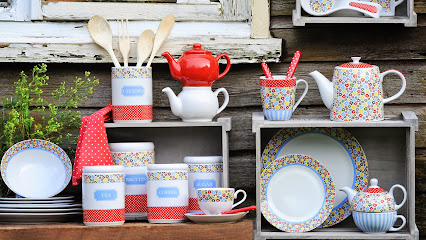
Miss A - Gaveideer og indretning til dit hjem
5.7 km
Curated gifts and home décor in the heart of scenic Mols Bjerge
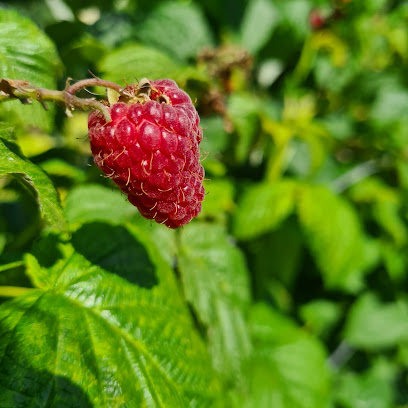
Mols Haven
6.4 km
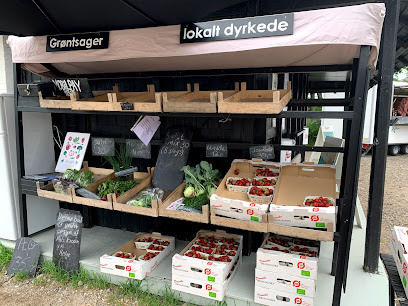
A cosy countryside fruit and vegetable store in Knebel, offering seasonal Danish produce and a friendly village welcome on the doorstep of Mols Bjerge.
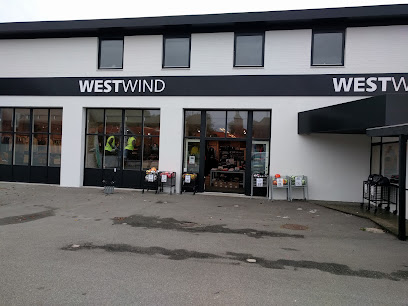
WestWind Ebeltoft
7.0 km
Coastal clothing and outdoor gear on Ebeltoft’s waterfront road, keeping visitors warm, dry and comfortable for walks, beach days and bay-side adventures.
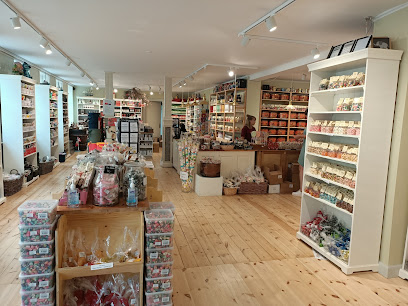
Mols Bolsjer A/S
7.1 km
Cosy old-town sweet shop in Ebeltoft, showcasing handmade Danish boiled candies and licorice from local production, perfect for treats and edible souvenirs.
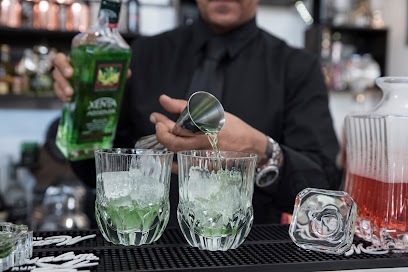
Nordic Bar Group
9.3 km
Denmark's trusted supplier of professional bar equipment and sustainable glassware to European hospitality.
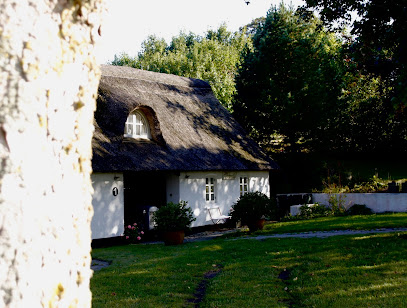
Bundgaards Vinimport/ Molshonning v/ Ole Bundgaard
12.1 km
Small-scale wine importer and honey producer in a Mols village home, blending European bottles and local Molshonning in a relaxed, personal cellar-style setting.
Essential bars & hidden hideouts

Ebeltoft Strandbar
6.8 km
Laid-back beachfront bar on Ebeltoft Bay, serving simple seaside food, cold drinks and big-sky sunsets just steps from the sand on Strandvejen.
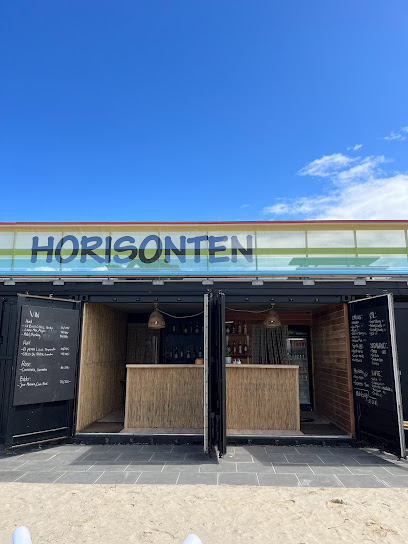
Umage Ølbar
6.9 km
Craft beer bar in Ebeltoft with 14 taps, 50+ bottled beers, and comfort food.
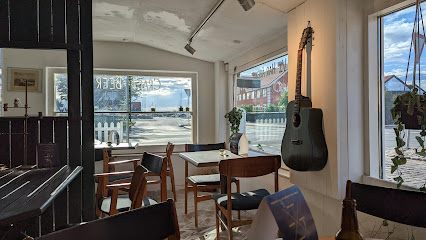
Stockfleths Østers & Bobbelbar
6.9 km
Former oyster and bubbles bar on Ebeltoft’s old fishing harbour, where luxury shellfish, sparkling wine and maritime history came together in a relaxed coastal setting.
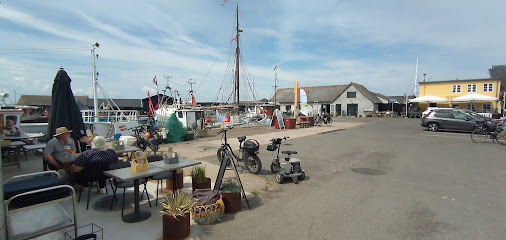
Toldboden
7.0 km
Relaxed harbourside bar in Ebeltoft, blending maritime character, waterfront views and late-opening drinks in a cosy, casual setting by the marina.
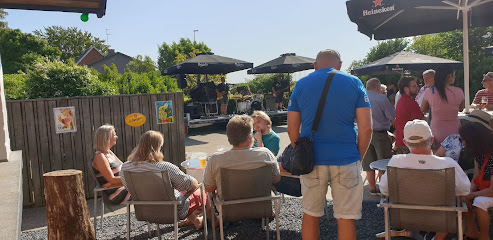
Klub K
7.0 km
Small-town harbor bar turned late-night disco, Klub K keeps Ebeltoft dancing on weekend nights with simple drinks, big beats and an easygoing local vibe.
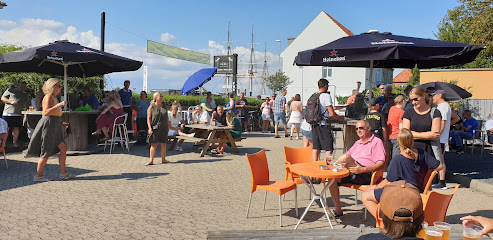
Sir Henry Bodega
7.1 km
Unpretentious Danish bar in Ebeltoft’s cobbled old town, pouring local beers and classic drinks in a cozy, lived-in setting from morning till late.
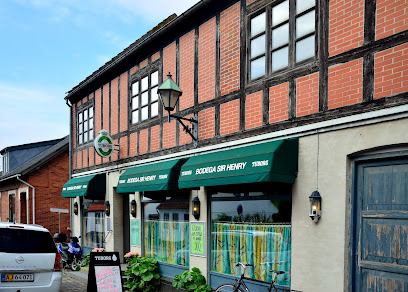
Brewpub på Maltfabrikken
7.1 km
Fresh local beer served beneath the beams of Ebeltoft’s restored red malt factory, where industrial heritage and modern Danish craft brewing meet.
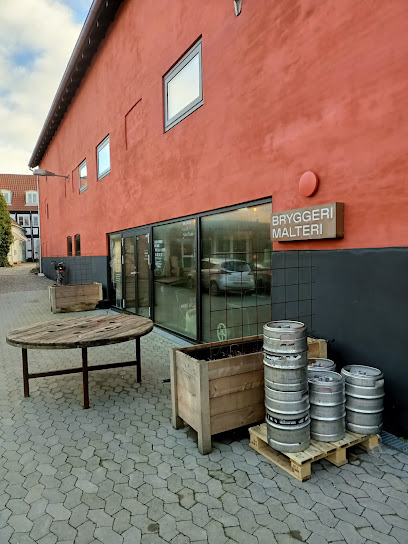
Den Skæve Bar
7.2 km
A crooked timber-framed pub in Ebeltoft's old town, where live music and garden charm meet Danish hospitality.
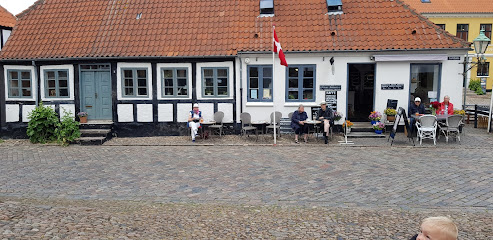
Bar Pia
7.2 km
Unpretentious neighbourhood bar in central Ebeltoft, offering simple drinks, local atmosphere, and a relaxed glimpse into everyday Danish pub life.
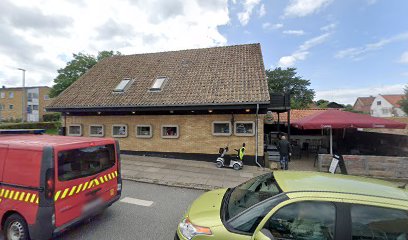
Mejeriets Bar
7.9 km
Cozy neighbourhood bar and eatery by the harbour in Knebel, offering simple food, evening drinks and a relaxed local atmosphere after days out on Djursland.
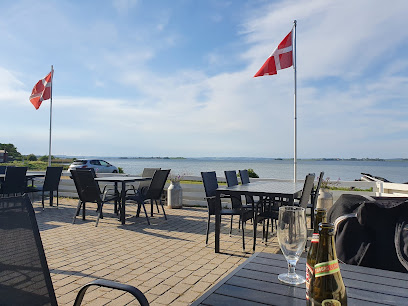
Bodega Kringlen v/Annelise Dalgaard
10.1 km
Unpretentious local bodega on Rønde’s main street, serving cold beer, simple drinks and small-town Danish bar atmosphere late into the evening.
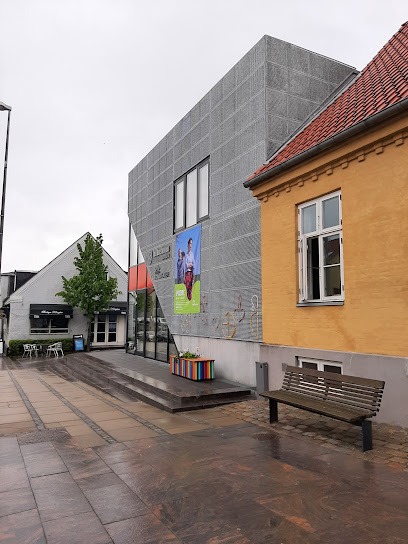
Mørke Roadhouse
17.5 km
Unpretentious beer hall on Ebeltoftvej where locals and travelers share cold pints, warm conversation, and long, easygoing evenings in small-town Mørke.
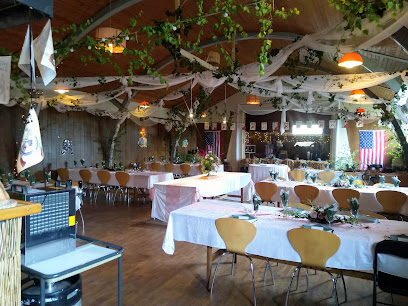
Byportene Bodega
18.6 km
Cozy neighborhood bodega in Hornslet with cold beers, warm lighting and easygoing local charm for unpretentious evenings out.
K
23.0 km
Discover K, the cozy cafe and cocktail bar in Aarhus, where innovative drinks and a warm atmosphere await every visitor.
Peder Wessel
23.0 km
Experience the vibrant nightlife at Peder Wessel, Aarhus' charming bar with affordable drinks and a welcoming atmosphere.
Nightclubs & after hour spots

DCD STUDIO
23.6 km
Experience the vibrant rock music scene at DCD STUDIO in Aarhus, where electrifying performances and a lively atmosphere await every visitor.
Cafe Paradis - Den Sidste
23.8 km
Unleash your nightlife experience at Cafe Paradis - Den Sidste, Aarhus' top destination for dancing, cocktails, and unforgettable memories.
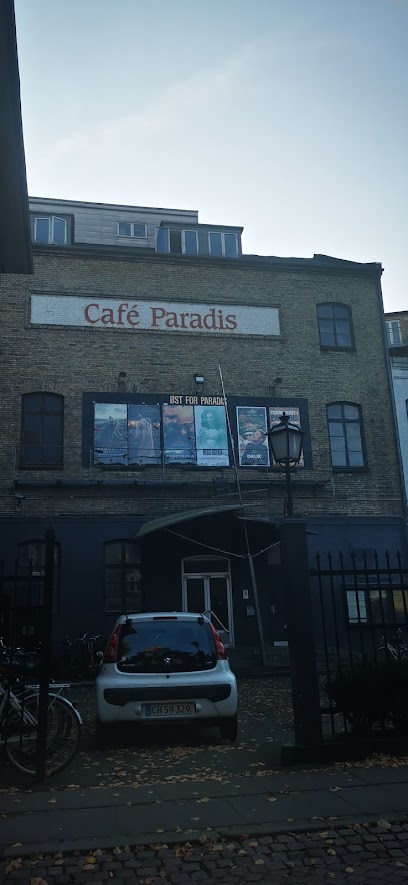
Lounge 8000
23.8 km
Discover the best of Aarhus nightlife at Lounge 8000, where vibrant performances and a stylish lounge atmosphere await.
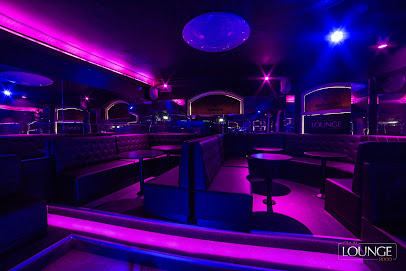
GBAR
23.8 km
Experience the vibrant nightlife at GBAR in Aarhus, a welcoming dance club where everyone can enjoy an unforgettable night out.
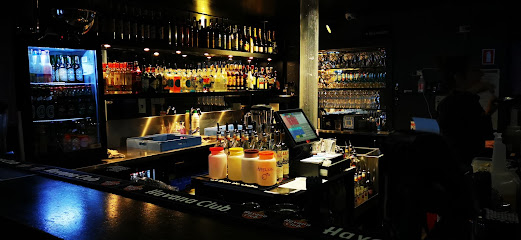
ZenZa Cocktailbar
23.9 km
Discover Aarhus' vibrant nightlife at ZenZa Cocktailbar, where expertly crafted cocktails and lively atmosphere await you.
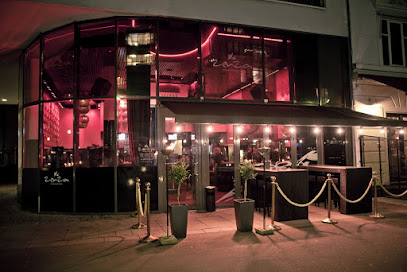
Bernhardt Natklub
23.9 km
Discover Aarhus' premier nightlife destination at Bernhardt Natklub, where cocktails and beats create unforgettable memories.
Rustik Bar & Natklub - Aarhus
23.9 km
Dive into the pulsating nightlife of Aarhus at Rustik Bar & Natklub, where vibrant music and an electric atmosphere await.
For the vibe & atmosphere seeker
- Tranquil
- Scenic
- Relaxing
- Unique
- Casual
- Adventurous
- Zen
For the design and aesthetic lover
- Rustic Designs
- Minimalist Designs
For the architecture buff
- Parks & Gardens
- Viewpoints
- Heritage Neighborhoods
- Landmarks
For the view chaser and sunset hunter
- Iconic Views
- Panoramas
- Sunset Spots
For the social media creator & influencer
- Photo Spots
- Reel-Friendly
- Architectural Shots
- Instagrammable
For the eco-conscious traveler
- Sustainable
- Eco-Friendly
- Low Impact
- Protected Area
- Nature Reserve
- Public-Transport Accessible
- Leave-No-Trace Critical
- Locally Managed
- Wildlife Habitat
For the kind of experience you’re after
- Mindfulness
- Meditation Spot
- Spiritual / Energy Spot
- Myth & Legends
- Cultural Heritage
- Photowalk
- Adventure Photo Shoot
- Nature Escape
- Roadtrip Stop
- Day Trip
- Weekend Getaway
- Festival / Event Nearby
For how adventurous you want the journey to be
- Easy Access
- Requires Hike
- Seasonal Only
Location Audience
- Family Friendly
- Senior Friendly
- Child Friendly
- Teen Friendly
- Solo Friendly
- Couple Friendly
- Solo Female Friendly
- Business Friendly


