mounds from the bronze age, Mols Bjerge Travel Guide
Denmark's largest Neolithic stone burial mound—a 5,500-year-old monument to prehistoric ritual and engineering.
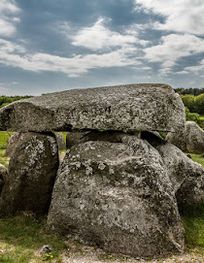
Poskær Stenhus, also known as Knebel-dyssen, is Denmark's largest Neolithic round burial mound (runddyse), constructed around 3500 BC by the Funnel Beaker culture. Located near Knebel in the Mols region of eastern Jutland, this 5,500-year-old monument features a hexagonal burial chamber made of five massive upright stones topped by a 15-ton capstone, surrounded by 23 original kerb-stones. Declared a national heritage site in 1860, it stands as one of Scandinavia's most impressive megalithic structures and offers insight into prehistoric funeral practices and ritual beliefs.
A brief summary to mounds from the bronze age
- Dybdalvej 9, Knebel, 8420, DK
- Duration: 0.75 to 2 hours
- Free
-
 Outdoor
- Mobile reception: 4 out of 5

Know before you go
Hi, I'm Eve. Here are a few practical things to know before exploring mounds from the bronze age.
- Visit during daylight hours to fully appreciate the scale and detail of the stone construction. The hexagonal chamber and surrounding kerb-stones are best photographed in clear light.
- Wear sturdy footwear; the site is outdoors and may be muddy or uneven, particularly after rain. The terrain around the mound can be soft.
- Combine your visit with other nearby megalithic sites in the Mols region to gain a deeper understanding of Neolithic settlement patterns and burial practices.
- Bring a camera or smartphone to document the intricate stonework and the surrounding landscape, which offers context for understanding the monument's original prominence.
- Check local visitor information for any guided tours or interpretive materials that may enhance your understanding of Funnel Beaker culture and Neolithic Denmark.
Do you manage this location?
Take control to get all the benefits, like improved information, better appearance, and stronger visibility across AI-powered discovery. Learn more about listing your business on Evendo
Activate your presenceOther nearby places you may find interesting
The closest places of the same kind, if this one is not quite what you had in mind.
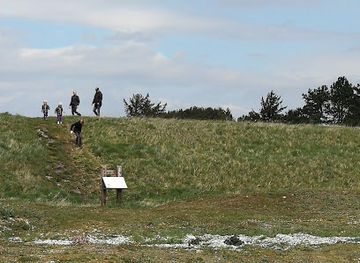
Explore mounds from the bronze age on the Map
A handpicked selection of must-see spots near mounds from the bronze age, mapped for you.
Getting There
-
Car
From Aarhus city center, drive approximately 40 kilometers northeast toward Grenaa and Knebel via Route 16 and local roads. Travel time is approximately 45–55 minutes depending on traffic. Parking is available near the site. The address is Dybdalvej 9, 8420 Knebel.
-
Public Transport
From Aarhus central station, take a regional train or bus toward Grenaa (approximately 1 hour). From Grenaa, a local bus or taxi service can transport you to Knebel (approximately 20–30 minutes). Confirm current schedules with local transport providers, as service frequency varies seasonally.
-
Bicycle
The Mols region is popular for cycling tourism. From Grenaa, cycling to Knebel is approximately 25–30 kilometers and takes 1.5–2 hours on regional cycling routes. The terrain is gently rolling, suitable for recreational cyclists. Local cycling maps are available at visitor centers.
For the on-the-go comforts that matter to you
-
 Information Boards
Discover more about mounds from the bronze age
A Monument to Prehistoric Burial Ritual
Poskær Stenhus represents one of Northern Europe's most significant Neolithic achievements. Built around 3500 BC by the Funnel Beaker culture—named for the distinctive shape of their ceramics—this massive stone burial mound stands as Denmark's largest runddyse (round dolmen). The monument was constructed during a transformative period when hunter-gatherer societies were transitioning to agricultural settlement, and these monumental tombs served as focal points for community identity and ancestor veneration. The sheer scale and precision of its construction testify to the organizational capacity and ritual importance of these early farming communities.Engineering and Architectural Design
The burial chamber itself demonstrates remarkable engineering sophistication for its era. Five massive upright stones, each carefully split and angled slightly inward, form the walls of a hexagonal chamber. These uprights are crowned by an enormous capstone weighing approximately 15 metric tons—a feat requiring coordinated labor and considerable technical knowledge. The chamber is accessed through two passage stones, allowing ritual participants to enter and perform ceremonies. Surrounding the entire structure is a stone circle comprising 23 of the original 24 kerb-stones, which once formed the outer boundary of the mound. Between these kerb-stones and the central chamber, a dry-wall construction of flat paving stones originally enclosed the space, creating a carefully organized architectural plan that speaks to deliberate design and ritual purpose.Discoveries and Archaeological Significance
During a minor excavation and restoration in 1943, archaeologists found no grave goods or skeletal remains—a consequence of centuries of plundering and natural decomposition. However, similar mounds throughout Denmark have yielded valuable insights into Neolithic practices. Excavations of comparable structures have uncovered numerous skeleton fragments, suggesting that bodies may have undergone defleshing ceremonies before interment. Ceramic vessels containing food and drink have been discovered in related mounds, indicating that the deceased were provisioned for the afterlife. The sophisticated pottery associated with the Funnel Beaker culture ranks among the finest ceramics from prehistoric Europe, and these vessels have become defining artifacts of the period.Continuity and Reuse Through the Ages
Poskær Stenhus was not abandoned after its initial construction. Later cultures spanning the Stone Age, Bronze Age, and Iron Age reused the mound for additional burials, layering new rituals atop ancient ones. This pattern of reuse was common across Scandinavian burial monuments and reflects the enduring sacred significance these sites held for successive generations. The mound thus became a palimpsest of ritual practice, with each era adding its own dead to the collective monument. This continuity suggests that Poskær Stenhus maintained its spiritual authority and communal importance for thousands of years.Landscape and Setting
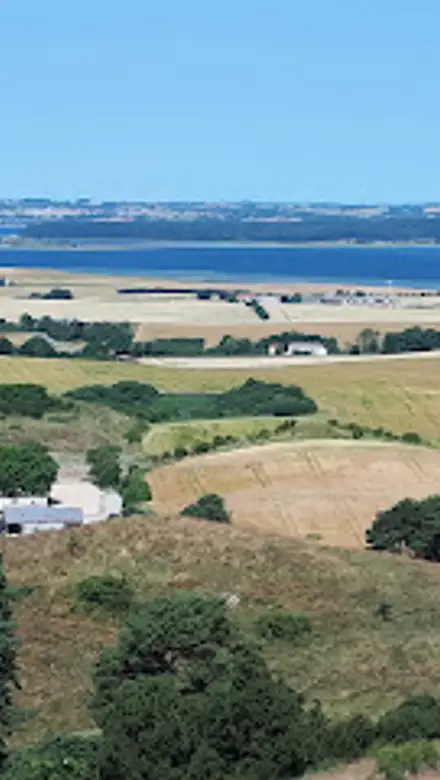
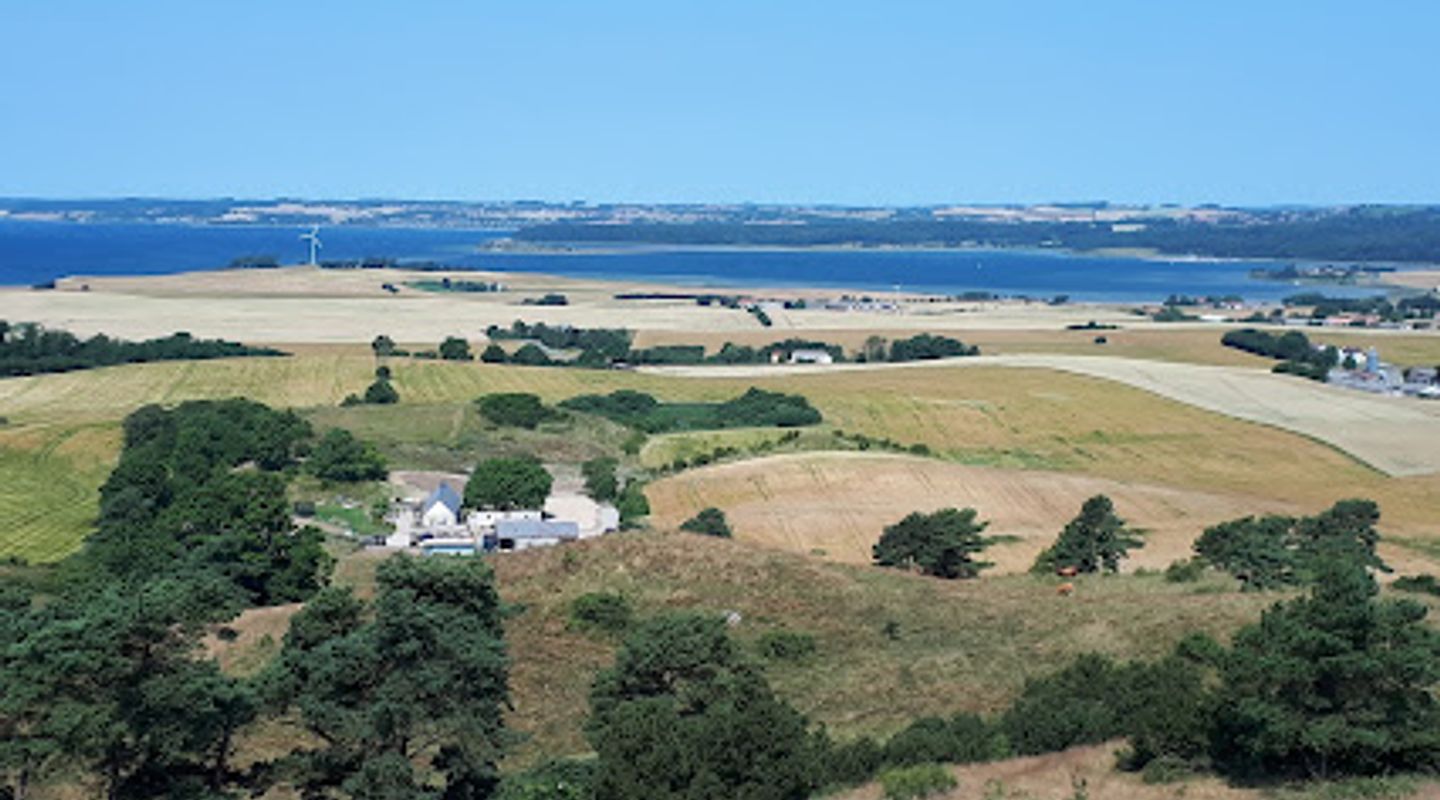
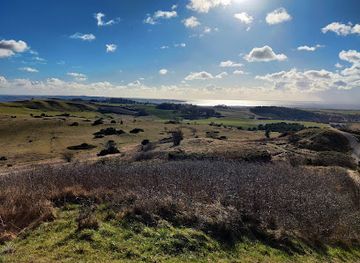
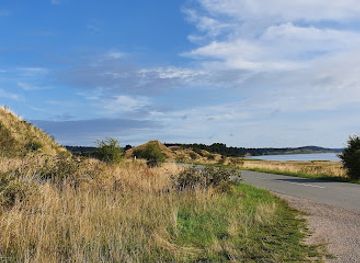
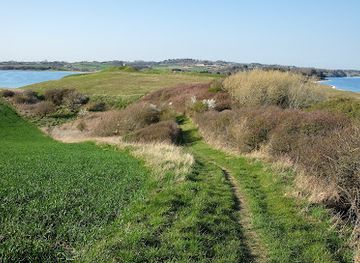
Located in the fertile and undulating landscape of Mols in eastern Jutland, Poskær Stenhus sits within a region rich in megalithic monuments from the Neolithic and early Bronze Age. The Mols peninsula's rolling terrain and agricultural productivity made it an attractive settlement area for early farming communities. The mound's prominent position in the landscape would have made it visible from considerable distances, serving as a territorial marker and a focal point for ritual gatherings. Today, visitors can appreciate both the monument itself and the broader archaeological context of the region, which contains numerous other burial mounds and dolmens from the same period.Heritage Status and Modern Preservation
Declared a national heritage site in 1860, Poskær Stenhus has been protected and preserved for over 160 years. The 1943 restoration work, though limited in scope, helped stabilize the structure and ensure its survival. The monument remains accessible to visitors who wish to experience this tangible connection to Denmark's prehistoric past. Standing before the massive stones, one can contemplate the beliefs, labor, and social organization of people who lived five and a half millennia ago, making Poskær Stenhus not merely an archaeological artifact but a bridge across deep time.More to explore near mounds from the bronze age













Your all‑in‑one travel companion app
Explore expert travel guides, compare and book tours, experiences, hotels, and more—all from the palm of your hand. Download now for seamless trip planning wherever your wanderlust takes you.


Explore More of Mols Bjerge
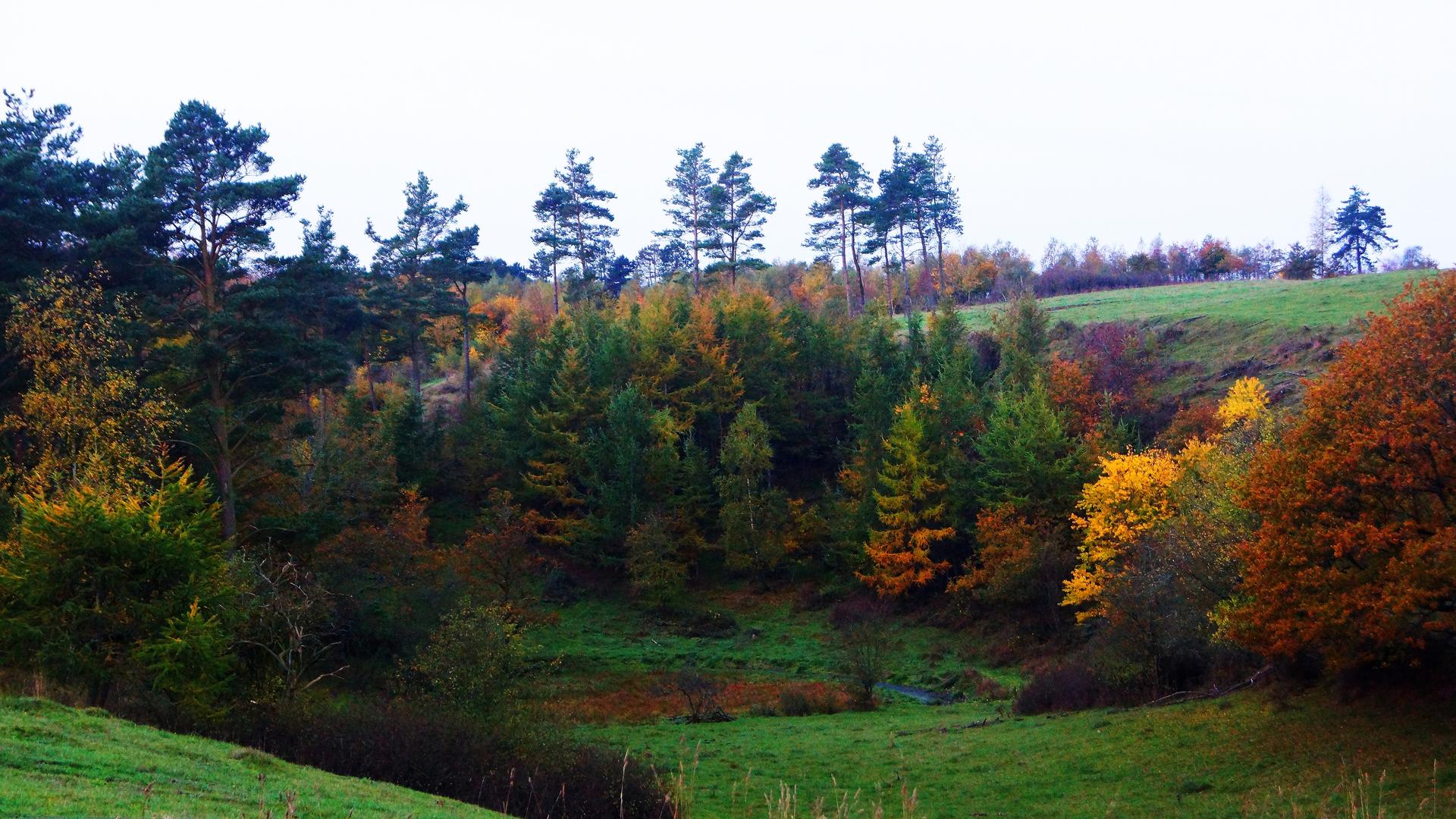
Looking beyond mounds from the bronze age? Discover Mols Bjerge for broader travel guides, local hot-spots, and regional highlights.
Explore Mols Bjerge