
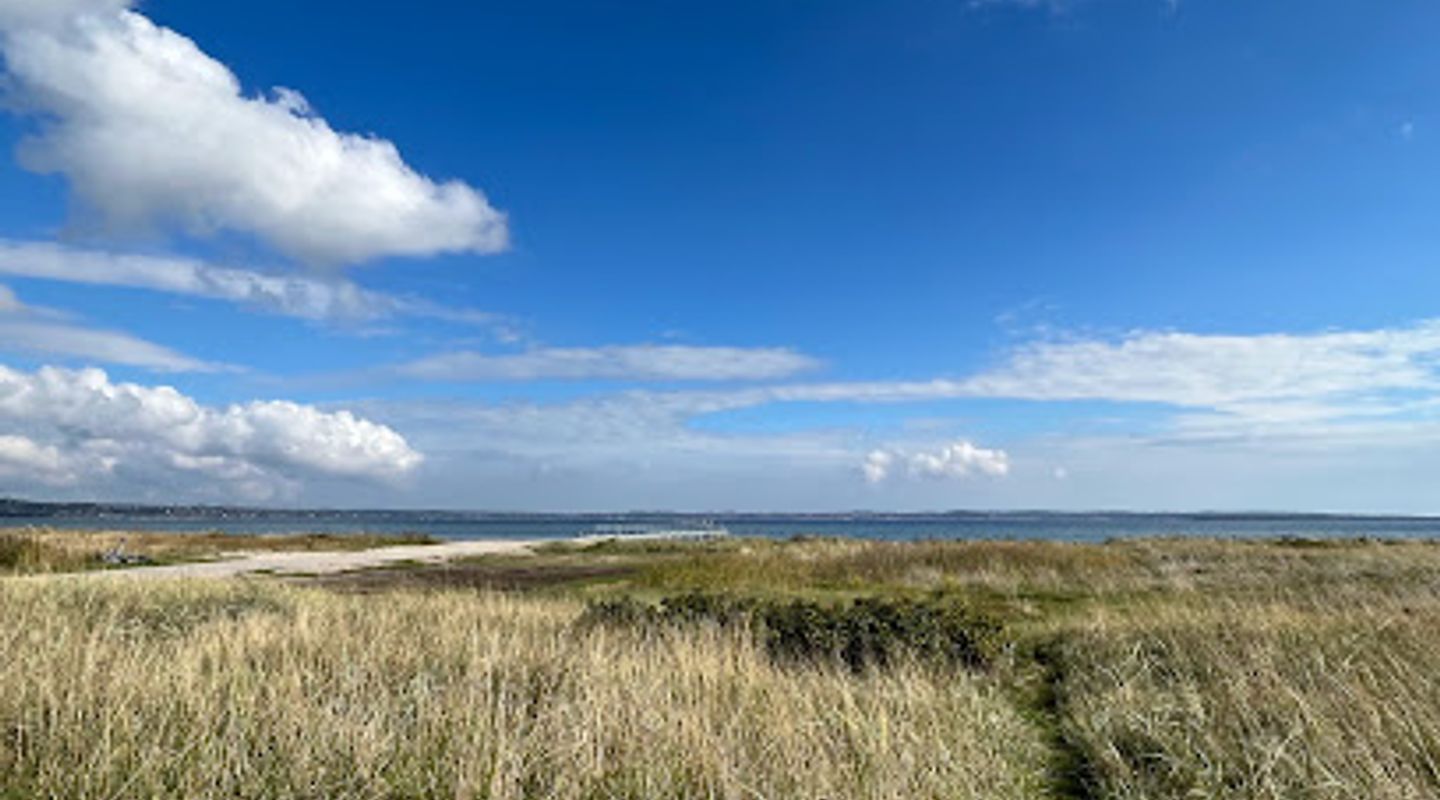
Strand Bogens, Mols Bjerge National Park Travel Guide
A modest Djursland shoreline where sea-level calm meets the gentle climb inland toward Fuglsø, offering simple coastal scenery, fresh air and rural quiet.
Strand Bogens is a quiet coastal stretch on the Djursland peninsula in eastern Jutland, known among locals and cyclists as the low-lying starting point of the ascent up toward Fuglsø. Backed by fields and gentle hills, this modest beach area combines open seascapes, fresh Baltic air, and a sense of rural stillness. It is less about facilities and more about simple moments: a brisk walk along the shore, a pause on a bike ride, or watching changing light over the water on a clear day.
A brief summary to Strand Bogens
- DK
- Duration: 0.5 to 2 hours
- Free
-
 Outdoor
- Mobile reception: 3 out of 5

Know before you go
Hi, I'm Eve. Here are a few practical things to know before exploring Strand Bogens.
- Bring water, snacks and any beach gear you need, as facilities at Strand Bogens are limited and seasonal services in the area can be sparse.
- Dress in layers and pack a windproof jacket outside high summer; the exposed coastline can feel significantly cooler than inland.
- If you plan to cycle the climb toward Fuglsø, check your bike and brakes beforehand and use lights or high-visibility gear on rural roads.
- Footwear with a sturdy sole is useful, as parts of the beach can be pebbly and uneven rather than soft sand.
Do you manage this location?
Take control to get all the benefits, like improved information, better appearance, and stronger visibility across AI-powered discovery. Learn more about listing your business on Evendo
Activate your presenceOther nearby places you may find interesting
The closest places of the same kind, if this one is not quite what you had in mind.

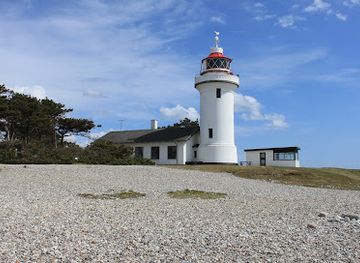
Explore Strand Bogens on the Map
A handpicked selection of must-see spots near Strand Bogens, mapped for you.
Getting There
-
Car from Aarhus
From central Aarhus, driving to the Strand Bogens area on Djursland typically takes around 50–70 minutes, depending on traffic and the exact route across the peninsula. Standard passenger cars are sufficient, but expect stretches of narrow rural roads near the coast. Parking is usually informal and roadside rather than in a marked lot, so avoid blocking field access or private driveways. Fuel and supermarkets are available in larger nearby towns, but there are few services right at the strand.
-
Bus and walk from Ebeltoft region
Public buses connect Ebeltoft and other Djursland towns with smaller coastal villages, with journeys often taking 40–70 minutes including waiting times. Services can be infrequent, especially in evenings and on weekends, and may run less often outside the summer season. Expect to pay roughly 30–60 DKK one way, depending on distance and ticket type. From the nearest bus stop, you should allow an additional 15–30 minutes on foot along local roads to reach the shoreline, which may not be fully accessible for wheelchairs or prams.
-
Cycling within Djursland
For travellers already staying on Djursland, reaching Strand Bogens by bicycle is an appealing option, particularly for those planning to ride the climb towards Fuglsø. Distances from nearby villages can range from 5 to 25 km, taking roughly 20–90 minutes depending on your starting point and fitness. Roads are generally quiet but shared with cars, and some sections have rolling terrain. There is no cost beyond bike rental, which in the wider region commonly starts around 100–200 DKK per day from local providers.
Discover more about Strand Bogens
A quiet corner of the Djursland coast
Strand Bogens is a modest coastal strip tucked into the varied landscape of Djursland, a peninsula known for its rolling farmland and indented shoreline. Here the land eases down towards the water in a shallow sweep, creating a narrow band of beach framed by fields and scattered holiday homes. There are no big promenades or busy harbours, just the sound of waves, sea birds, and the distant hum of rural life.Standing on the shore, you look out across the Kattegat where the horizon often blurs into soft tones of grey and blue. On still days the water can appear almost glassy, broken only by the wake of passing boats. When the wind picks up, whitecaps roll in towards the strand and the air fills with the tang of salt and seaweed, reminding you how exposed this coast can be.The climb from sea level to Fuglsø
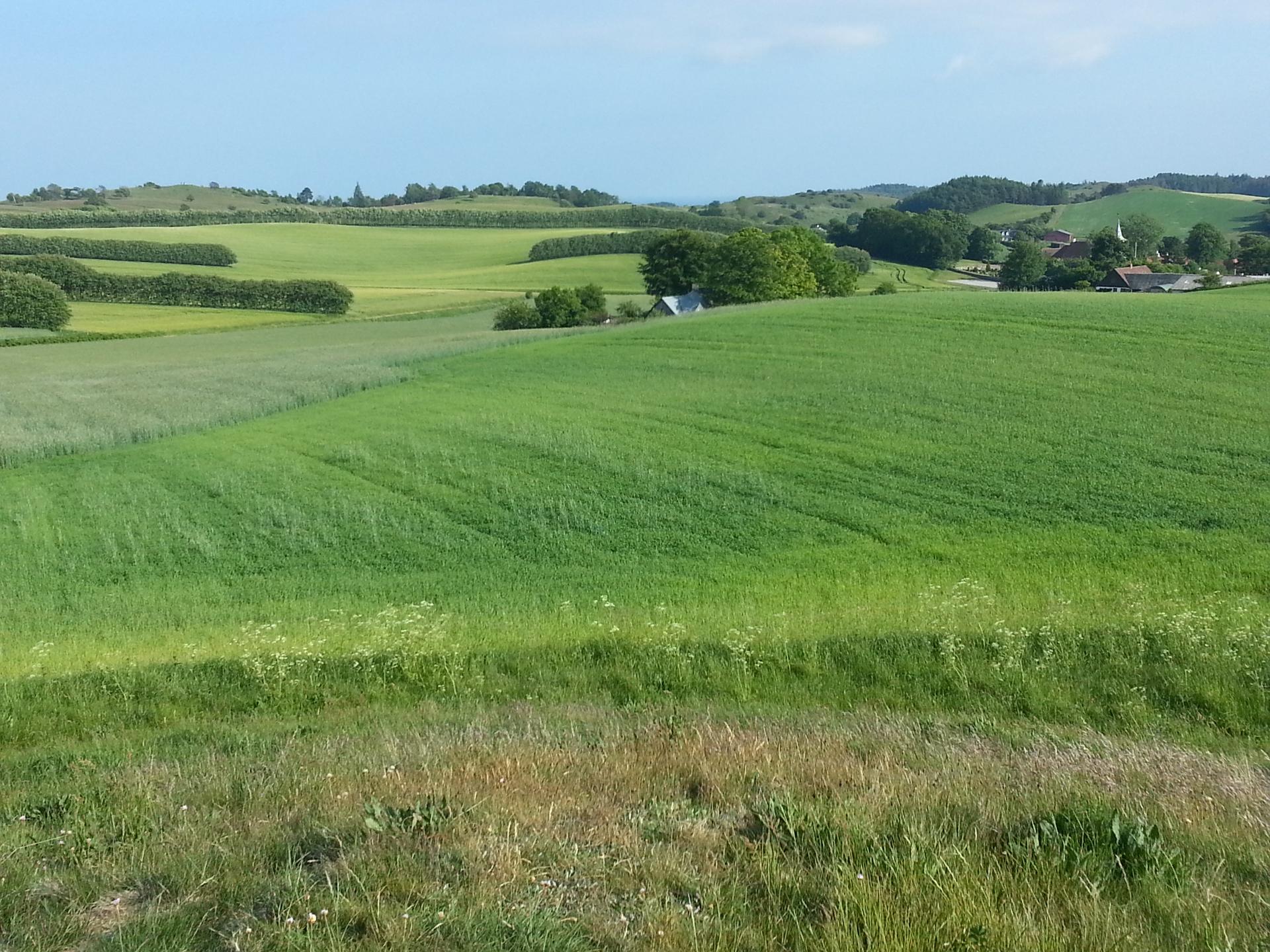
Strand Bogens is best known among cyclists as the starting point of the climb up towards Fuglsø, a 2.2 km ascent that gains around 63 m in height with a gentle average gradient. The road pulls you away from the coast and into the green interior of Mols Bjerge, a landscape shaped by the last Ice Age into ridges and rounded hills. From sea level, you quickly sense the change in elevation as views over the water fall away behind you.Even if you are not here to ride, the connection between shoreline and hills is part of the area’s character. The ascent traces a quiet country road, with glimpses of fields, forest edges and small farmsteads. Looking back, you can pick out the slender line of the coast where you started, underlining how short the distance is between sea breeze and upland panorama.Simple nature rather than developed resort
Unlike many Danish beaches, Strand Bogens is not heavily developed with cafés, playgrounds or long rows of services. The experience here is deliberately simple: coarse sand and pebbles underfoot, clumps of dune grass, and the odd weathered jetty or boat pulled onto the shore. It feels like a place used primarily by locals and summer residents who value direct access to the sea over amenities.That simplicity shapes the way you spend time here. It is a place for short swims on warm days, for skipping stones, or for walking along the waterline watching clouds move in from the open sea. Birdlife can be rewarding too, with gulls, waders and seasonal migrants passing along the coast. In winter the beach can feel almost austere, with sharp light and cold winds sweeping across the flat water.Light, weather and the changing sea
The mood at Strand Bogens is defined by light and weather. On long summer evenings the sun dips low, throwing golden light across the fields behind the beach and colouring the surface of the water in pastel tones. Mild days in late spring or early autumn can be ideal for quiet walks, when the air is cool but not harsh and the landscape still holds some warmth.In rougher conditions this exposed stretch of coast shows a different side. Strong winds whip up waves and send spray across the beach, while clouds race overhead. Even then, the openness of the seascape has its own appeal, especially for those who enjoy watching the raw interplay of sky and water. Good clothing is essential, but the reward is a powerful sense of space.Moments of stillness on the shoreline
Time spent at Strand Bogens rarely needs an agenda. It can be a short pause on a longer journey through Djursland, a place to let children paddle in the shallows under watchful eyes, or a quiet stop on an early-morning ride before tackling the climb inland. The combination of rural surroundings and easy access to the water gives the area a relaxed, unhurried feel.As you leave, the impression that lingers is one of understated coastal Denmark: low horizons, muted colours, and a shoreline that works as part of everyday life rather than a showpiece resort. For travellers who appreciate simple landscapes and small-scale coastal corners, Strand Bogens offers a gentle, authentic snapshot of this part of Jutland.












Your all‑in‑one travel companion app
Explore expert travel guides, compare and book tours, experiences, hotels, and more—all from the palm of your hand. Download now for seamless trip planning wherever your wanderlust takes you.


Explore More of Mols Bjerge National Park
Looking beyond Strand Bogens? Discover Mols Bjerge National Park for broader travel guides, local hot-spots, and regional highlights.
Explore Mols Bjerge National Park
A peaceful shelter site on the edge of Mols Bjerge National Park, where meadows, a small bog and farm fields create a gentle escape into rural Denmark.
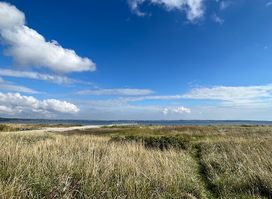
A tranquil Danish beach escape nestled beneath the Mols Bjerge hills, perfect for peaceful retreats and nature immersion.
