
Mønsted Kalkgruber, Mon Travel Guide
Descend into a vast 8°C underworld of limestone tunnels, lakes, bats and industrial history beneath the quiet fields of central Jutland.
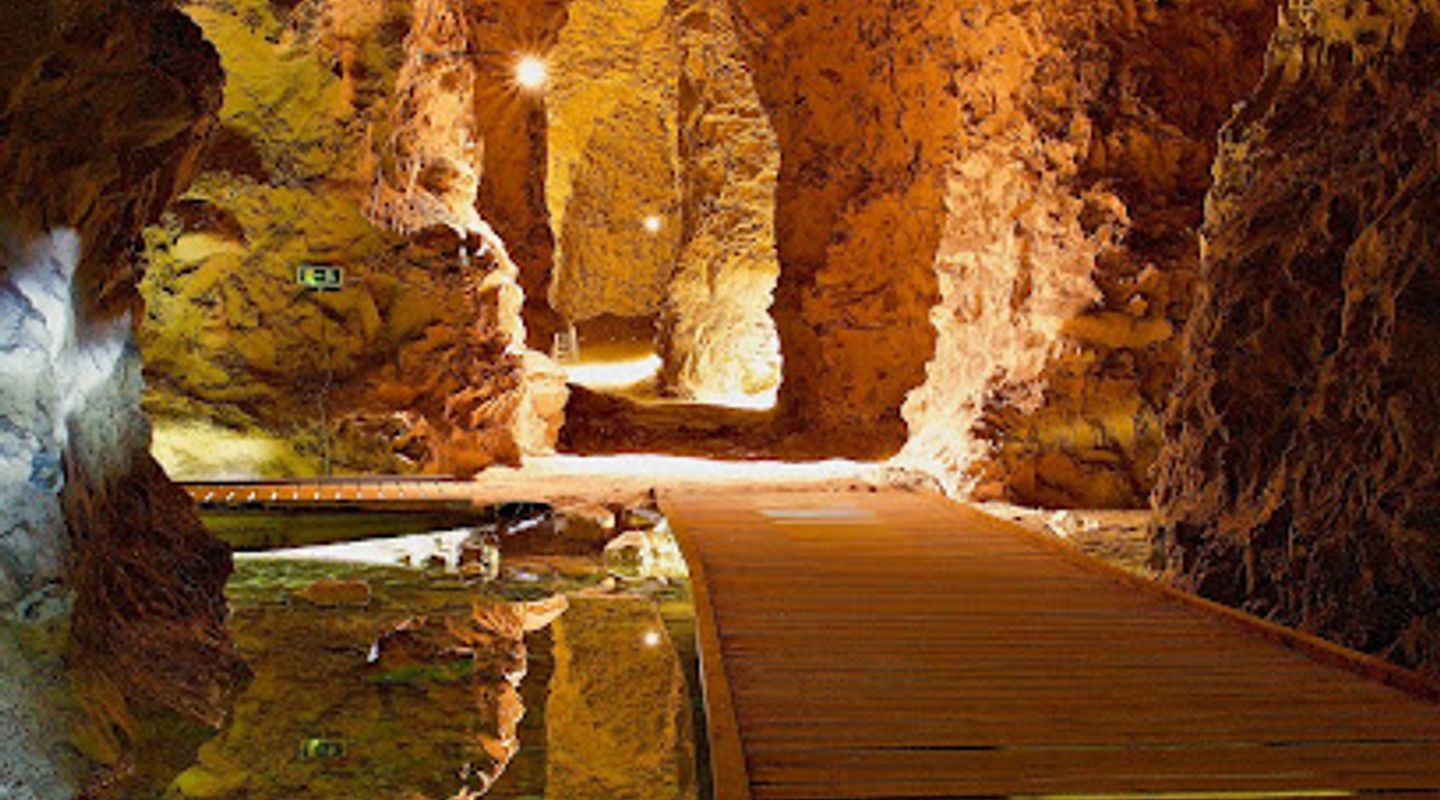
Hidden beneath the gently rolling countryside near Viborg, **Mønsted Kalkgruber** is the world’s largest limestone mine: a 60 km warren of tunnels, of which several kilometres are open and partly illuminated. Visitors descend into a cool 8°C underworld of echoing caverns, underground lakes and dripping ceilings, then emerge to an old lime works-turned-museum, a bat-themed playground and surrounding NATURA 2000 protected nature. It’s an atmospheric, family-friendly mix of industrial heritage, geology, wildlife and gentle adventure.
A brief summary to Mønsted Kalkgruber
- Kalkværksvej 8-10, Stoholm, Stoholm Jyll, 7850, DK
- Click to display
- Click to display
- Duration: 1.5 to 3 hours
- Mid ranged
-
 Mixed
Mixed
- Mobile reception: 3 out of 5
- Monday 10 am-5 pm
- Tuesday 10 am-5 pm
- Wednesday 10 am-5 pm
- Thursday 10 am-5 pm
- Friday 10 am-5 pm
- Saturday 10 am-5 pm
- Sunday 10 am-4:30 pm

Know before you go
Hi, I'm Eve. Here are a few practical things to know before exploring Mønsted Kalkgruber.
- Dress warmly in layers and wear closed footwear; the mine is around 8°C year-round and surfaces can be damp and slippery.
- Plan 2–3 hours so you can walk at least one full underground route and still have time for the museum, café and nature trails.
- Check seasonal opening hours for both the mine and Café Kridthuset, as schedules vary and the site closes in winter for bat protection.
- If travelling with children, make time for the bat-themed playground near the café as a break after the darker underground sections.
- Photography is rewarding underground; bring a camera or phone with good low-light performance and be mindful of others when using flash.
Do you manage this location?
Take control to get all the benefits, like improved information, better appearance, and stronger visibility across AI-powered discovery. Learn more about listing your business on Evendo
Activate your presenceOther nearby places you may find interesting
The closest places of the same kind, if this one is not quite what you had in mind.
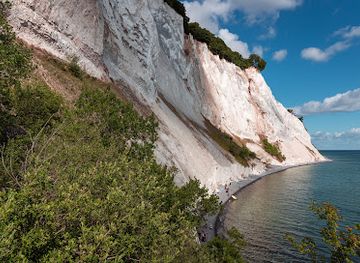
Explore Mønsted Kalkgruber on the Map
A handpicked selection of must-see spots near Mønsted Kalkgruber, mapped for you.
Getting There
-
Car from Viborg
From Viborg town centre, driving to Mønsted Kalkgruber typically takes 20–25 minutes, depending on traffic and weather. The route follows paved regional roads through open countryside and is straightforward year-round in normal conditions. There is free parking at the visitor area, but on busy summer days spaces closest to the entrance can fill up, so allow a little extra time to park and walk to the main buildings.
-
Regional train and local taxi
You can take a regional train to Stoholm station from Viborg or Skive, with journey times usually around 10–20 minutes and at least one train per hour during the day. From Stoholm, the mine is several kilometres away, so continue by pre‑booked taxi, which generally takes 5–10 minutes. Taxi fares on this short hop are commonly in the range of 80–150 DKK depending on time of day and waiting time.
-
Bicycle from Viborg region
Cyclists can reach Mønsted Kalkgruber via quiet country roads and local cycle routes from the Viborg area in roughly 45–75 minutes, depending on starting point and fitness. Expect gentle hills and exposed stretches where wind can be a factor. Surfaces are mostly asphalt with some gravel near the site, so a touring or hybrid bike is ideal. There is no dedicated bike hire at the mine, so arrange rental in Viborg or bring your own bicycle.
For the on-the-go comforts that matter to you
-
 Restrooms
-
 Drink Options
-
 Drinking Water
-
 Food Options
-
 Seating Areas
-
 Picnic Areas
-
 Trash Bins
-
 Information Boards
-
 Visitor Center
Discover more about Mønsted Kalkgruber
Vast Underground Labyrinth Beneath Jutland
Mønsted Kalkgruber spreads like a hidden city under the fields west of Viborg, with around 60 kilometres of passageways carved out over centuries of limestone extraction. Only part of this network is open, but even the 4 kilometres available to visitors feel immense, with roughly 2 kilometres electrically lit so you can safely explore without specialist gear. The mine stays at a steady 8°C all year, so every visit begins with a noticeable breath of cool air and a fine mist that settles on your jacket.As you walk deeper, the daylight falls away and the mine’s character takes over: vaulted chambers, long straight galleries and low, hand-hewn tunnels that bear the marks of picks, drills and blasting charges. Trickling streams cut across the floor and gather in still underground lakes, reflecting rock walls and light installations. The echo of footsteps and distant voices creates an eerie, theatrical soundscape that underlines just how far underground you have travelled.Stories of Lime, Labour and Ingenious Industry
The mine is as much an industrial monument as a natural spectacle. Above ground, the old lime works has been preserved and converted into a museum, where you can follow the journey from raw limestone to finished product. Exhibitions explain how the stone was quarried, transported and burned in roaring kilns to make quicklime for building, agriculture and industry across Denmark.Interpretive displays and preserved machinery give a sense of the working rhythms that once defined this rural community: horses hauling stone, workers feeding the hot kilns, clouds of white dust settling over everything. The site’s history stretches back several hundred years, but large-scale industrial production only ceased in 1980, meaning much of the infrastructure still feels surprisingly recent, a frozen snapshot of late-20th-century heavy industry.Bats, Protected Nature and Life After Mining
When the kilns fell silent, new residents moved in: tens of thousands of bats use the mine as a winter refuge, roosting in the constant cool of the tunnels. Several species, including pond bats and long-eared bats, depend on the mine’s stable microclimate, and their presence has helped secure the area’s protection within the European NATURA 2000 network. To safeguard the animals, access to parts of the mine is carefully managed and winter visits are restricted.Above ground, former quarry scars now frame a blue‑green lake in the old open pit. Nature trails wind through sinkholes, limestone grassland and steep slopes dotted with wildflowers in season, illustrating how quickly wildlife reclaims an industrial landscape once the noise stops. A bat-themed playground beside the café turns conservation into play, with climbable bat figures that quietly introduce younger visitors to these nocturnal neighbours.Exploring Routes, Mine Train and Seasonal Experiences
Inside the mine, marked walking routes of differing lengths guide you past key viewpoints, from towering halls supported by massive rock pillars to narrower side tunnels that evoke the mine’s earliest days. Solid underfoot paths make the main routes accessible to most visitors, and clear mapping reduces the sense of disorientation without completely banishing the thrill of being underground. In the warmer months, a small mine train runs certain sections, offering an easier way to experience the depths and adding a playful, almost cinematic element to the visit.Seasonal lighting and projections in selected chambers highlight geological details and bring historical vignettes to life on the raw rock faces. Combined with the natural acoustics of the caverns, these elements turn parts of the mine into a kind of subterranean theatre, without overwhelming the underlying authenticity of the setting.Practical Comforts in a Striking Rural Setting
Despite its remote, rural feel, Mønsted Kalkgruber is set up for unhurried visits. Around the entrance you will find a visitor centre with ticketing, a small museum area, restrooms and a shop with local items, including cheeses matured in the mine’s cool, humid air. Café Kridthuset serves simple meals, cakes and drinks in season, and outdoor seating takes advantage of the quiet countryside surroundings on warm days.Picnic tables, information boards and signed paths encourage you to combine an underground tour with time in the fresh air. The vibe is relaxed and family oriented: children can roam the playground, adults linger over coffee, and everyone gradually adjusts back to daylight after the mine’s half-light. With a typical visit lasting two to three hours, it is easy to weave Mønsted Kalkgruber into a wider exploration of central Jutland’s landscapes and historic towns.












Your all‑in‑one travel companion app
Explore expert travel guides, compare and book tours, experiences, hotels, and more—all from the palm of your hand. Download now for seamless trip planning wherever your wanderlust takes you.


Explore More of Mon
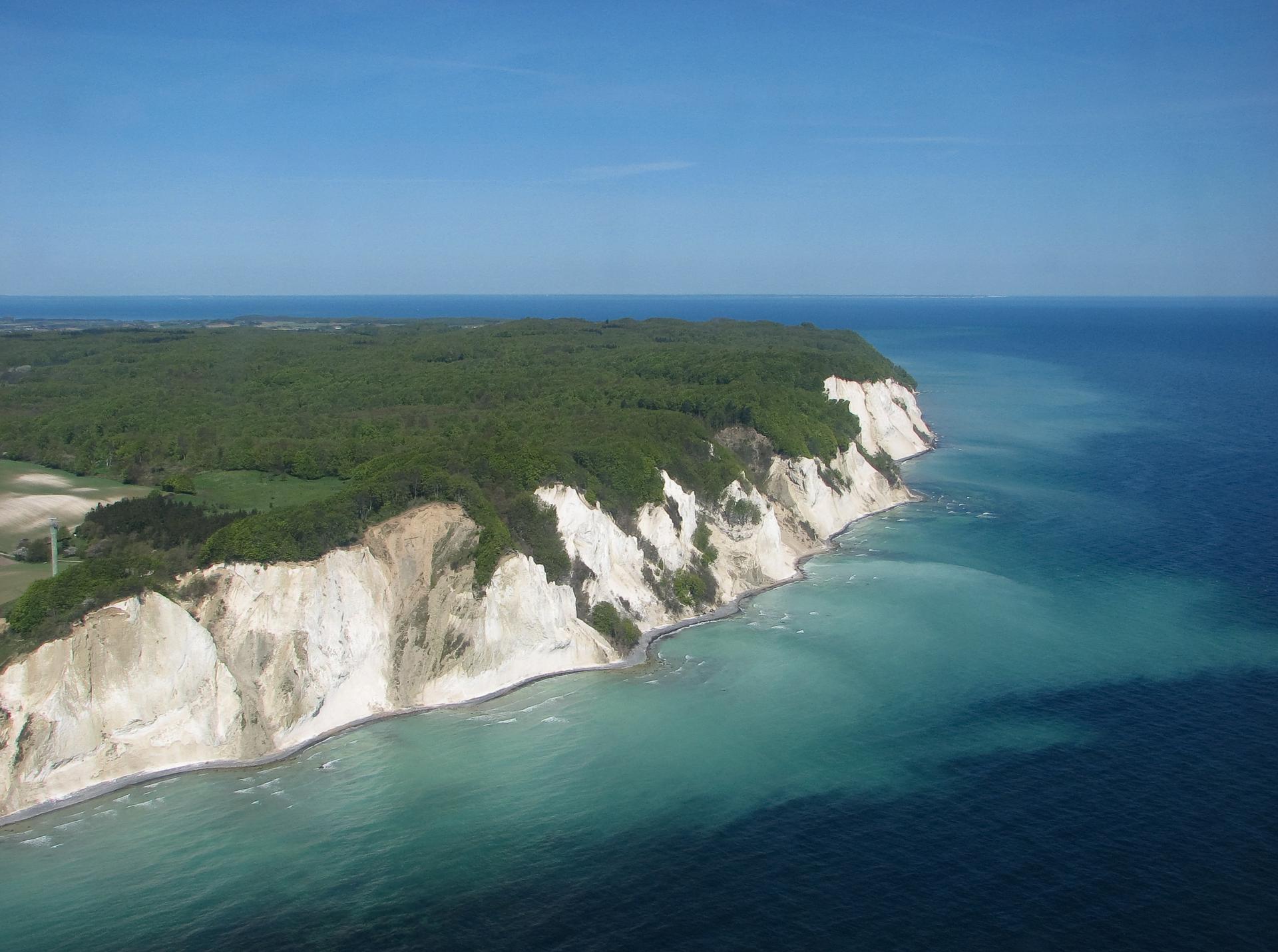
Looking beyond Mønsted Kalkgruber? Discover Mon for broader travel guides, local hot-spots, and regional highlights.
Explore Mon
Intimate art museum in Viborg’s former town hall, showcasing the Skovgaard family’s Danish Golden Age landscapes, symbolism and church art beside the cathedral.

Walk beneath the Jutland forest into Denmark’s oldest limestone mine, where cool tunnels, bats and outlaw legends bring a thousand years of history to life.
