Hornbaek beach Travel Guide
Free Guide: Denmark's premier white-sand beach resort where artistic heritage meets contemporary coastal leisure.


A brief summary of Hornbaek beach
Denmark's premier white-sand beach resort where artistic heritage meets contemporary coastal leisure.
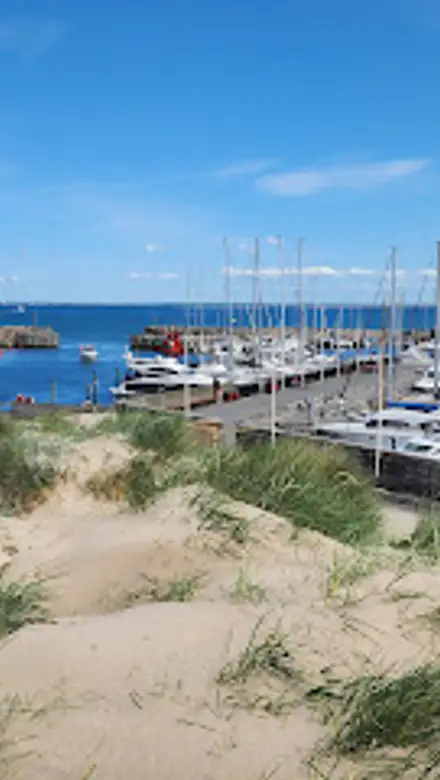
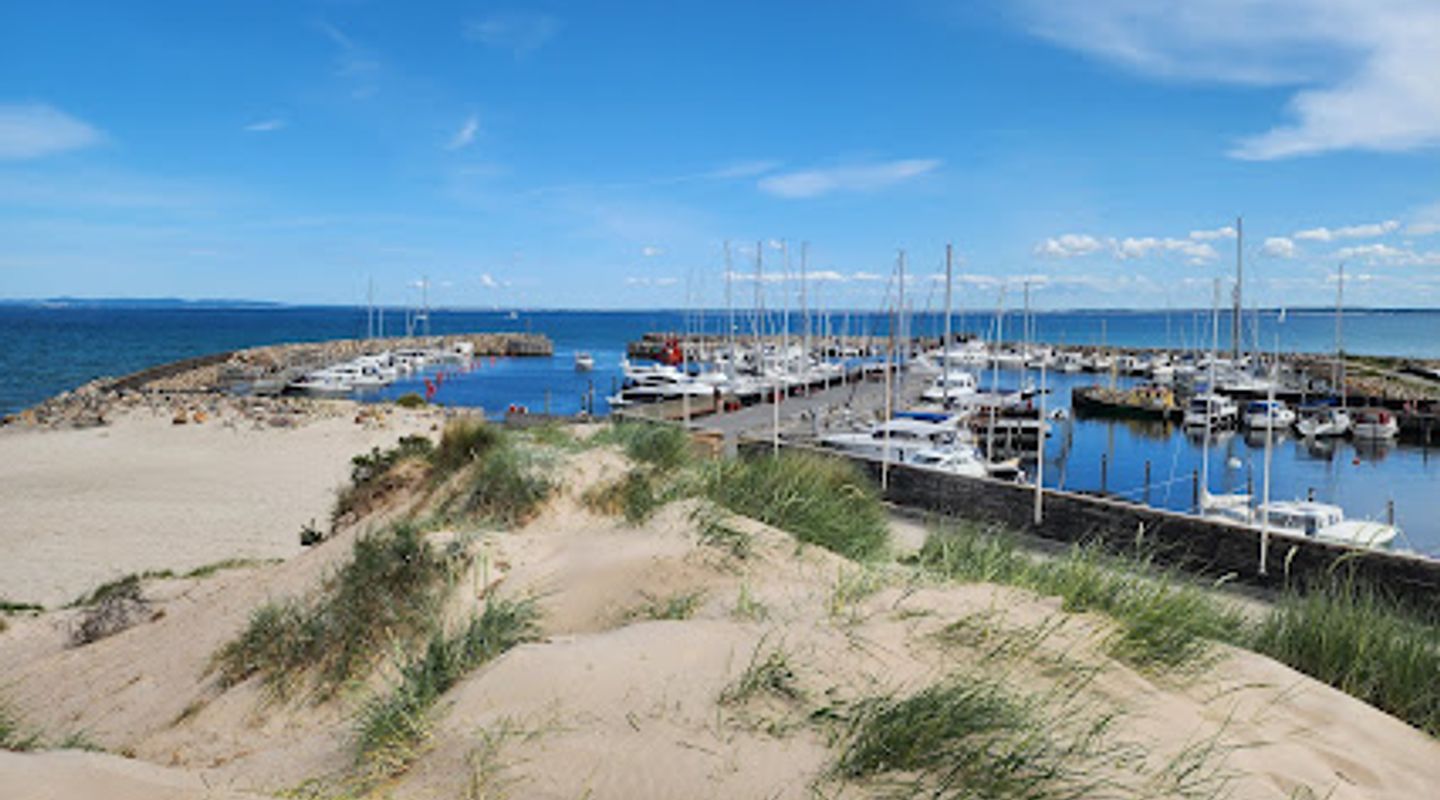
Hornbæk Beach is one of Denmark's finest coastal destinations, stretching over a kilometre along the north coast of Zealand with pristine white sand and excellent water quality. Located just 55 kilometres north of Copenhagen, this seaside resort town combines natural beauty with a relaxed atmosphere, featuring sheltering dunes, safe swimming conditions, and a charming harbour lined with local restaurants and cafes. The beach is equipped with modern facilities including lifeguard stations during summer months, making it ideal for families and beach enthusiasts seeking a quintessential Danish coastal experience.
On-site amenities
 Restrooms
 Drink options
 Drinking water
 Food options
 Seating areas
 Picnic areas
 Trash bins
 Information boards
- Address
- 3100, Hornbæk
Getting there
Train from Copenhagen
Car from Copenhagen
Bicycle from Helsingør
Bus from Copenhagen
Discover more about Hornbaek beach
A Century of Coastal Elegance
Hornbæk's transformation from a modest fishing hamlet into Denmark's premier seaside resort spans over two centuries. Originally established as a natural harbour settlement, the village gained prominence in the late 18th century when Copenhagen's artistic elite discovered its exceptional light and serene coastal landscape. Painters including Kristian Zahrtmann, Peder Severin Krøyer, and Carl Locher established themselves here, drawn by the unique quality of illumination that would later inspire generations of artists. The construction of the Hornbæk Railway Line in 1906 accelerated the town's evolution into a fashionable holiday destination, introducing bathing culture and establishing the infrastructure that supports visitors today. This historical continuum—from working fishing port to artistic haven to modern resort—remains visible in the town's character, where heritage and contemporary leisure coexist seamlessly.
The Expanse of White Sand and Dunes
The beach itself represents one of Scandinavia's most impressive natural assets. Stretching for over one kilometre, Hornbæk Strand features exceptionally fine white sand backed by protective dunes adorned with wild rosa rugosa—delicate pink roses that bloom throughout summer in the salt-laden air. The beach's width and gentle gradient make it exceptionally family-friendly, with shallow waters extending far from shore. The northern section near the harbour provides easy access to facilities and restaurants, while the southern expanse offers a wilder, more natural experience bordered by coastal woodland. The pristine condition of the beach reflects Denmark's commitment to environmental stewardship; facilities are deliberately positioned inland from the dunes to preserve the natural landscape. Water quality consistently meets the highest European standards, and the beach maintains Blue Flag certification, indicating excellent safety and environmental management.
Seasonal Rhythms and Summer Vitality
The beach operates year-round, though the character shifts dramatically with seasons. During summer months from mid-June through mid-August, lifeguard stations provide supervision, and the beach transforms into a vibrant social hub. Ice cream kiosks, beach playgrounds, and barbecue areas activate the shoreline, while the harbour hosts the annual Hornbæk Harbour Festival during the last weekend of July, featuring live music and family entertainment. The mild Baltic waters warm sufficiently for comfortable swimming during July and August, though hardy visitors swim throughout the year. Spring and autumn offer quieter alternatives, with dramatic skies and changing light that appeal to photographers and those seeking contemplative beach experiences. Winter brings its own austere beauty, with moody seas and the possibility of rare snow creating a starkly different aesthetic.
Gateway to Coastal Exploration
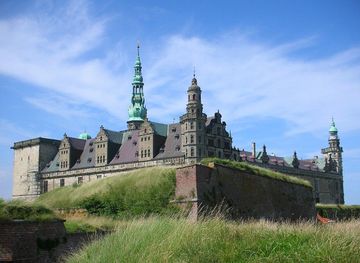
Beyond the beach itself, Hornbæk functions as a launching point for broader coastal discovery. The Hornbæk Plantage, established in 1706 as one of Denmark's earliest reforestation initiatives, provides forested trails and rocky beach access to the east. These woodland paths offer hiking opportunities with views across the Øresund Strait toward Sweden. The harbour district contains working fishing operations, including Fiskehuset Hornbæk, where visitors can purchase fresh local catch or dine on traditional seafood preparations. The town's collection of picturesque thatched-roof houses, many dating to the 19th century, creates an architectural backdrop that photographers and artists continue to find compelling. Nearby attractions include Kronborg Castle in Helsingør, a UNESCO World Heritage site famous as the setting for Shakespeare's Hamlet, located just 12 kilometres away.
Modern Amenities and Accessibility
Despite its historical character, Hornbæk provides contemporary visitor infrastructure. Parking areas with paved pathways lead to the waterline, accommodating visitors with mobility considerations. Toilet facilities, drinking water, and information boards are positioned throughout the beach area. The harbour zone contains restaurants, cafes, and a small supermarket for provisions. Stand-up paddleboarding facilities and equipment rental serve water sports enthusiasts. The town maintains a deliberately unhurried pace; locals and regular visitors emphasize that Hornbæk rewards a slow, contemplative approach rather than rushed sightseeing. This philosophy—what Danes call 'hygge'—encourages visitors to settle into the rhythm of the coast, whether through beach walks, seaside dining, or simply observing the constantly shifting interplay of light, water, and sky.
Evendo Review Centre
 Google
Guest reviews
Best time to go
Quietest: Jan, Feb & Dec · before 7am or from 10pm
Busy times are Evendo estimates for a typical year, to help you plan. Actual crowds vary with events, school holidays and the weather.
Explore Hornbaek beach on the map
A handpicked selection of must-see spots near Hornbaek beach, mapped for you.
Get your free copy of our complete guide to Hornbaek beach, delivered straight to you.
Everything on this page, from opening hours and how to get there to Eve’s tips and the best time to go, in one PDF you can read offline, print or share.
Already have an account? Sign in
Your Hornbaek beach guide is ready.
We'll send it to · Not you? Sign out

Getting your guide ready…
We are putting together a fresh copy of the Hornbaek beach guide. This can take up to a minute.
This can take a few moments. If your browser asks, choose Allow so the download can start. You'll find the guide in your Downloads folder.
Nothing happened? Download it again
Sorry, the guide is taking longer than usual. Please try again in a minute, or get it by email instead.
Other nearby places you may find interesting
The closest places of the same kind, if this one is not quite what you had in mind.
-
Springvandet i Amaliehaven af Arnaldo Pomodoro A dramatic bronze fountain at the heart of Amaliehaven, where modern sculpture, royal views and harbor breezes meet in a tranquil geometric garden.
-
Ripley's Believe It or Not! Scandinavia's only museum of genuine oddities, curiosities, and human extremes.
-
Statue of Andersen A larger-than-life Hans Christian Andersen sits in bronze on Copenhagen’s City Hall Square, book in hand, gazing toward Tivoli Gardens in the city’s vibrant heart.
-
Naturpark Åmosen Zealand’s last wilderness: a vast lowland of bogs, lakes and forests where rare wildlife, ancient rituals and Viking power echo across the mists of Åmosen.
-
Little Tilde by Thomas Dambo - Troll #16 A recycled-wood troll with a heart for birds, Little Tilde watches over Vallensbæk Mose and invites you into a gentle treasure hunt through Copenhagen’s wild marshland.
Swipe for more places
More to explore near Hornbaek beach

 Best experiences near Hornbaek beach
 Best hotels near Hornbaek beach
 Best landmarks near Hornbaek beach
 Best attractions near Hornbaek beach
 Best shops near Hornbaek beach
 Best restaurants near Hornbaek beach
 Best bars near Hornbaek beach
Do you manage this location?
Take control to get all the benefits, like improved information, better appearance, and stronger visibility across AI-powered discovery.
Explore more
Explore more of Zealand
Discover the charm of Zealand, Denmark's largest island, blending vibrant city life in Copenhagen with serene coastal beauty and rich cultural heritage.
Explore Zealand
Explore more of Denmark
Discover Denmark: A perfect blend of history, modern design, and the cozy concept of hygge. Explore vibrant cities, serene landscapes, and world-class cuisine.
Explore Denmark