
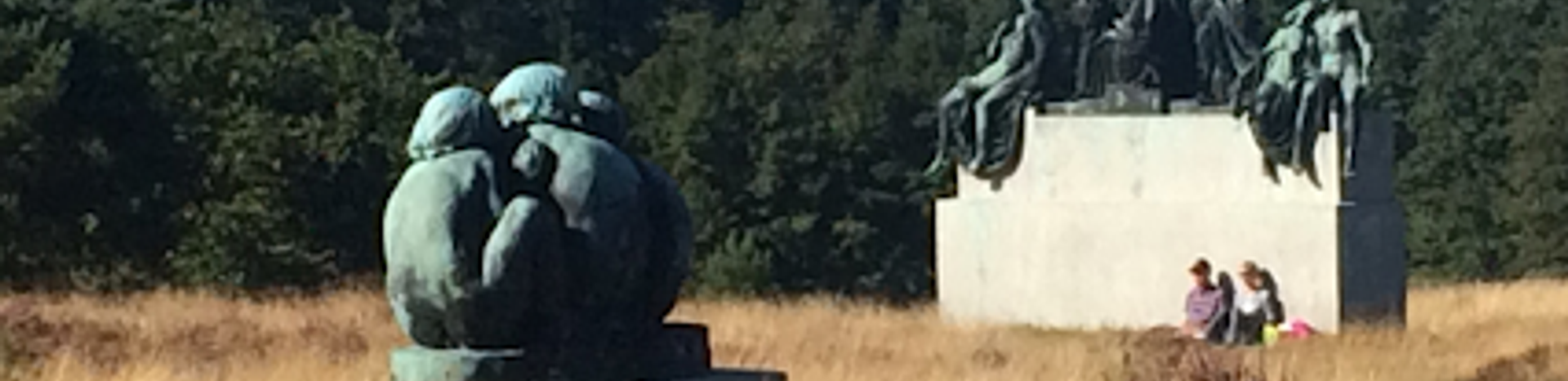
Rudolph Tegner Museum & Statue Park
A stark concrete museum in wild North Sealand heathland, where Rudolph Tegner’s monumental sculptures inhabit both cathedral-like halls and the open Danish landscape.
Set amid heather-covered hills near Dronningmølle in North Sealand, the Rudolph Tegner Museum & Statue Park is a striking fusion of raw concrete modernism and wild landscape. Designed by sculptor Rudolph Tegner to house his own monumental works, the octagonal museum rises like a bunker-temple from the heath, while 14 dramatic sculptures in bronze and concrete are scattered through the surrounding nature area known as “Rusland”. Inside, towering plaster figures, echoing acoustics and skylit galleries create a near-sacral atmosphere, inviting slow exploration of one of Denmark’s most distinctive artist museums.
A brief summary to Rudolph Tegners Museum and Statue Park
- Museumsvej 19, Dronningmølle, 3120, DK
- +4549719177
- Visit website
- Duration: 1.5 to 3 hours
- Mid ranged
-
 Mixed
Mixed
- Mobile reception: 4 out of 5
- Tuesday 10 am-5 pm
- Wednesday 10 am-5 pm
- Thursday 10 am-5 pm
- Friday 10 am-5 pm
- Saturday 10 am-5 pm
- Sunday 10 am-5 pm
Local tips
- Plan for at least two to three hours to see both the indoor collection and the full circuit of sculptures scattered through the heathland park.
- Wear sturdy shoes and windproof layers; the outdoor statue park can be breezy and the paths across the heather are uneven in places.
- If visiting in spring or autumn, check seasonal opening dates for the museum building; the surrounding park is generally accessible year-round.
- Bring water and perhaps a snack, especially outside peak summer, as facilities nearby are limited and the setting feels quite remote.
- Families should look for drawing materials and activity sheets inside the museum to keep younger visitors engaged with the sculptures.

For the on-the-go comforts that matter to you
- Restrooms
- Drink Options
- Drinking Water
- Food Options
- Seating Areas
- Picnic Areas
- Trash Bins
- Information Boards
Getting There
-
Regional train and bus from Copenhagen
From central Copenhagen, take a regional train towards Helsingør and change to the local coastal train heading to Gilleleje, alighting at Dronningmølle; the full rail journey typically takes 1–1.5 hours. From Dronningmølle station, bus 362 towards Græsted or Mårum stops at Museumsvej, followed by a roughly 10–15 minute walk on rural roads to the museum area, giving a total travel time of about 1.5–2 hours. Standard adult rail and bus fares combined are usually in the range of 120–160 DKK one way, depending on ticket type and discounts, and services run more frequently on weekdays and summer weekends than in the off-season.
-
Bus from Helsingør
If you are already in Helsingør, use the local bus network to reach Dronningmølle and the Museumsvej stop; bus 362 generally connects these points with a journey time of 30–45 minutes depending on departures and minor traffic. From the bus stop, expect a further 10–15 minute walk along a signposted rural approach to the museum and park. A single adult bus ticket on this route typically costs about 30–45 DKK, and services are less frequent in evenings and outside the main museum season.
-
Car from North Sealand towns
Driving from nearby coastal towns such as Hornbæk, Gilleleje or Helsingør, allow around 15–35 minutes depending on your starting point and traffic, following main regional roads inland towards Dronningmølle and then continuing to Museumsvej. There is a modest parking area close to the museum and statue park entrance that is generally free to use, though it can feel busy on sunny weekends in peak season. In winter and early spring, the car park and surrounding rural roads remain open, but the museum building may be closed even though the park is accessible.
Rudolph Tegners Museum and Statue Park location weather suitability
-
 Clear Skies
-
 Mild Temperatures
-
 Any Weather
-
 Cold Weather
-
 Hot Weather
Discover more about Rudolph Tegners Museum and Statue Park
A concrete sanctuary in the heather hills
The first glimpse of the Rudolph Tegner Museum can feel almost unreal: a massive, windowless concrete block rising from rolling heathland a couple of kilometres inland from the North Sealand coast. Rudolph Tegner bought this land in 1916 and chose the remote, wind-swept setting deliberately, wanting a place where his monumental sculptures and the stark building could stand apart from everyday life. Completed in 1937–38, the museum is one of Denmark’s earliest concrete buildings designed as an artistic statement in itself, its austere geometry and rough surfaces echoing the boldness of the works inside. Step through the heavy portal and the atmosphere changes immediately. The temperature drops, sound dulls, and daylight filters only from above. The absence of side windows separates you from the landscape you just crossed, focusing all attention on plaster, bronze and marble forms looming out of the dimness. The building functions like a modernist cathedral, its great central hall conceived to hold sculptures on a scale that conventional galleries could not accommodate.Rudolph Tegner’s monumental vision
The museum is dedicated entirely to Rudolph Tegner (1873–1950), a Danish sculptor whose work pushed far beyond the graceful classicism of his predecessors. Educated at the Royal Academy of Fine Arts and deeply inspired by visits to the Acropolis and the work of Michelangelo, he developed an intense, physical style often described as vitalist: bodies twist and strain, gestures are exaggerated, and themes reach for myth, passion and existential struggle. Inside the museum, you encounter more than two hundred works and models, many in stark white plaster that heightens every muscle and fold of drapery. Figures from Greek tragedy, allegorical groups and ambitious public monument designs crowd the vast room, some rising several metres high. Smaller studies and clay sketches reveal how Tegner built his compositions, while bronze and marble pieces show the final, polished outcome of his ideas.A landscape gallery called “Rusland”
Outside, the heathland itself becomes an open-air sculpture gallery. The surrounding 16 hectares of undulating moor and scrub are known locally as “Rusland” – “Russia” – a nickname born from the area’s once-perceived remoteness. Walking the footpaths, you meet 14 large sculptures positioned on knolls and in shallow valleys, their silhouettes cutting sharply against sky and horizon. Here, heroic figures stride above heather, mythological scenes confront the open wind, and the patina of bronze or raw concrete plays off the muted colours of sand, grass and juniper. In summer, butterflies and bees move through the purple bloom while the sculptures stand motionless; in colder seasons, the park feels almost austere, intensifying the drama of Tegner’s forms. The landscape setting underlines the scale of his ambition and offers endless vantage points for thoughtful viewing and photography.Life, death and legacy under one roof
This museum is also Tegner’s chosen resting place. Beneath the floor of the central hall lies his grave, in an oak coffin set directly under the space where his largest works gather. His wife, the painter Elna Tegner, shares this posthumous home: her urn is embedded at the base of a central sculpture. The choice binds artist, partner, building and collection into a single statement about artistic identity and permanence. The institution is run by a foundation established by the couple, preserving not just the artworks but a complete environment shaped by Tegner’s choices. Temporary exhibitions sometimes introduce contemporary art into the raw concrete halls, sparking dialogues between past and present, while the permanent collection and park ensure his distinctive language remains visible in the Danish cultural landscape.Exploring, sketching and family-friendly encounters
Beyond contemplation, the museum encourages active engagement. On the upper floor, a simple drawing area with tables, paper and coloured pencils invites you to try your hand at sketching the expressive forms you have just seen. Cabinets of clay studies offer accessible subjects for quick drawings or longer observation. Children can pick up colouring sheets featuring Tegner’s works or join treasure-hunt style activities in the park, turning the encounter with large-scale sculpture into a playful adventure. The combination of stark interiors and open heath makes it easy to structure a half-day visit: time among the echoing halls, an unhurried circuit through the park, and perhaps a quiet pause simply to watch light move across concrete and bronze. Whether you are intrigued by architecture, sculpture, or just the idea of a museum planted in semi-wild nature, Rudolph Tegner’s creation offers a focused, singular experience that lingers well beyond the walk back towards town.Iconic landmarks you can’t miss

Hornbæk Batteri
5.0 km
WWII coastal fortress commanding the Øresund strait from Denmark's dramatic northern cliffs.
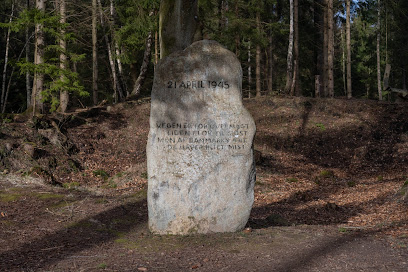
Kulsvierstenen
11.1 km
A modest forest boulder in Gribskov that marks a dramatic World War II resistance firefight, blending North Zealand’s tranquil woodland with powerful memory.
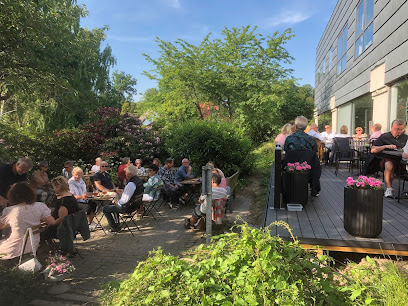
Country Market
11.9 km
Experience the charm of Fredensborg at Country Market, a vibrant marketplace offering local delicacies, artisan products, and a cozy café atmosphere in the heart of town.
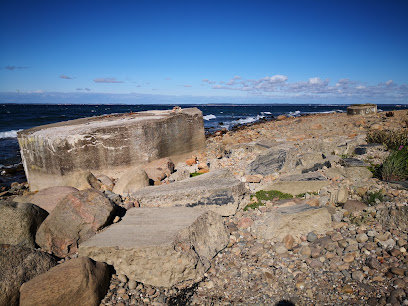
Observationsvärn nr 741
12.3 km
Explore the historical significance and scenic beauty of Observationsvärn nr 741 in Viken, a captivating landmark steeped in military history and stunning views.
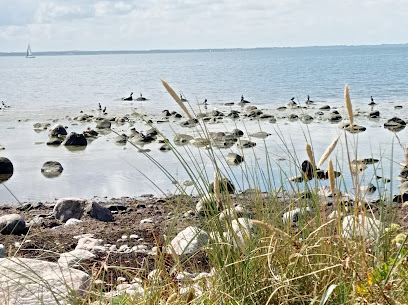
Elsinore Cemetery
13.8 km
Historic burial ground where 16th-century roots meet artistic legacy in Denmark's literary heartland.
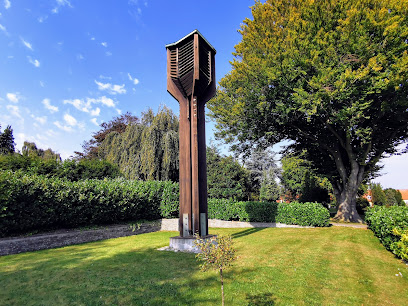
'Time of the shipyard' mural
14.2 km
A hyper-realistic tribute to Helsingør's legendary shipyard, painted by American master Garin Baker.
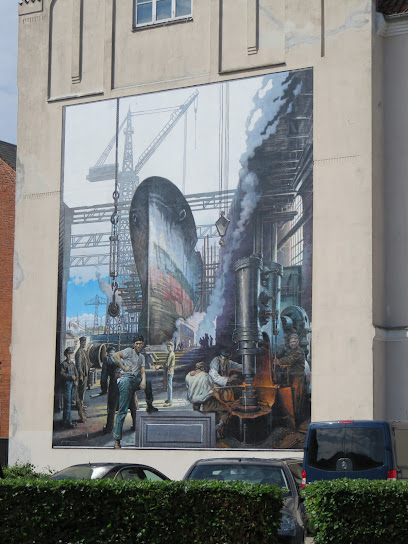
Helsingør harbour
14.4 km
Where maritime heritage meets Shakespeare's legacy at Denmark's gateway to Sweden.
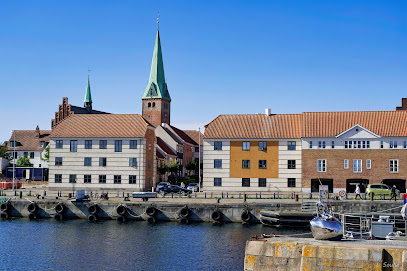
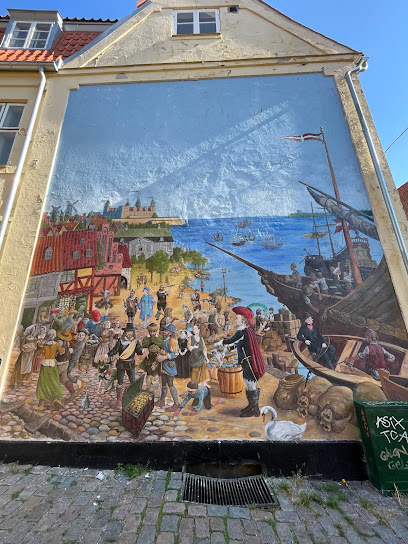
'The Middle Ages and the Sound Dues' mural
14.4 km
A vivid gable mural that turns Helsingør’s medieval tolls and ship traffic into a richly detailed open-air history lesson in the heart of the old town.
Odd Fellow Logerne Helsingør
14.5 km
A dynamic hub for contemporary and experimental art in the heart of Roskilde, showcasing thought-provoking exhibitions and interactive creative experiences.
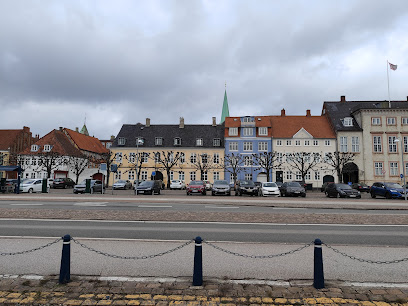
Helsingor
14.5 km
Dynamic exhibitions, daring performances, and boundary-pushing installations in Roskilde’s historic royal palace—discover Denmark’s vibrant contemporary art scene.
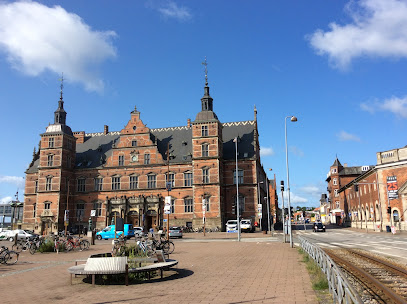
Kronborg Lighthouse
14.7 km
Renaissance fortress lighthouse where Shakespeare's Hamlet meets maritime history at the gateway to the Baltic Sea.
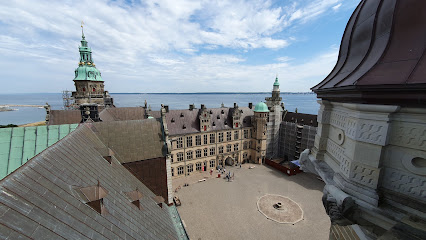
Kronborg Castle Church
14.7 km
Renaissance sanctuary that miraculously survived fire, preserving royal religious heritage within Hamlet's legendary castle.
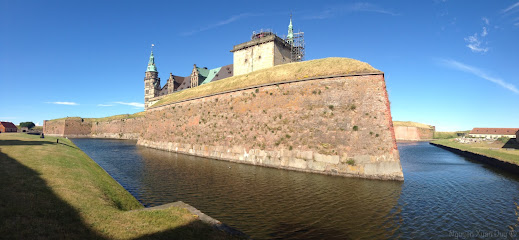
Heracles and the Hydra
14.7 km
Mythological bronze warrior frozen in eternal combat on Helsingør's historic waterfront.
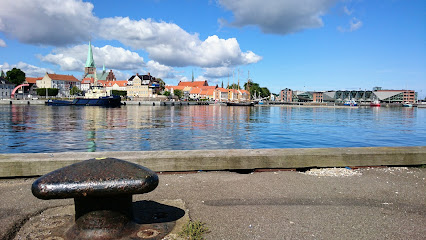
Kronborg beach
14.8 km
Panoramic scenic beach at Kronborg Castle’s doorstep, offering sandy shores, castle views, and Öresund horizons in a setting rich with Danish heritage.
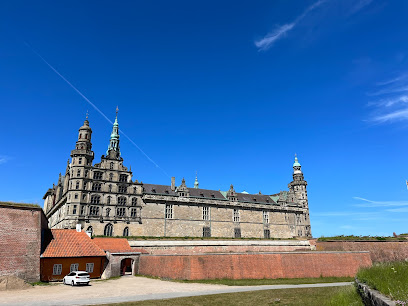
Louisiana Museum of Modern Art
15.7 km
Experience world-class modern art where architecture and nature meet in perfect harmony, offering breathtaking views and a serene escape just north of Copenhagen.
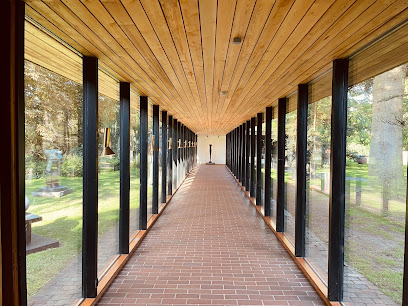
Unmissable attractions to see

Hornbaek beach
3.2 km
Denmark's premier white-sand beach resort where artistic heritage meets contemporary coastal leisure.
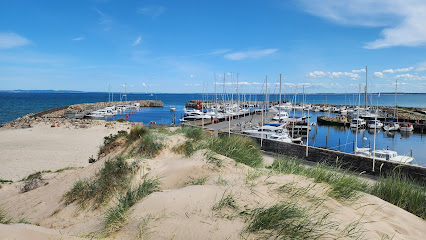
Kongernes Nordsjælland
4.7 km
Explore Hornbæk Batteri: Denmark's WWII coastal defense site amidst scenic North Zealand landscapes.
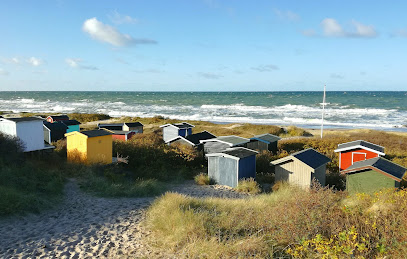
Esrum Kloster & Møllegård
4.8 km
A 12th‑century Cistercian abbey where red-brick history, herbal gardens, VR experiences and forest trails meet beside Esrum Lake in North Zealand.
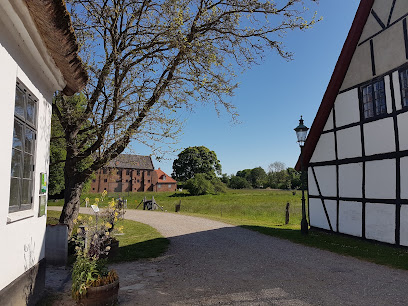
Offerstenen
4.9 km
A mossy glacial boulder steeped in legend, tucked within the wind‑shaped pines and beeches of Hornbæk Plantage on Denmark’s wild North Zealand coast.
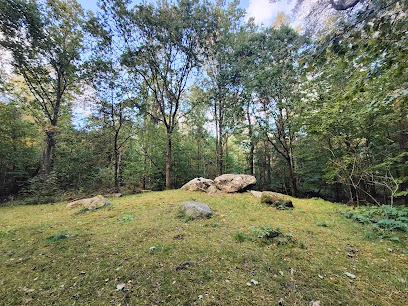
Nakkehoved Fyr - Museum Nordsjælland
5.1 km
Historic twin lighthouses, a focused maritime museum and sweeping North Sealand sea views meet atop a protected cliff‑top headland east of Gilleleje.
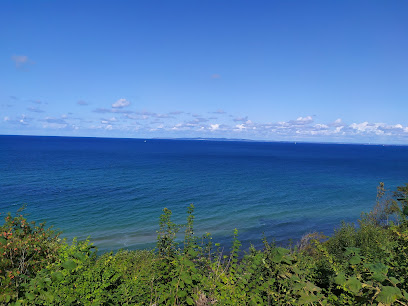
Søborg Slotsruin
5.6 km
Explore the atmospheric remains of Søborg Slotsruin, an iconic medieval castle in North Zealand, surrounded by lush marshland and steeped in Danish history.
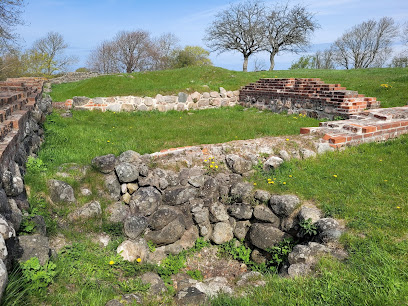
Gilleleje Strandbakkerne
8.5 km
Gentle dunes, soft sand and a calm Kattegat shoreline on Gilleleje’s east side, where a child‑friendly beach meets the everyday life of a fishing harbour.
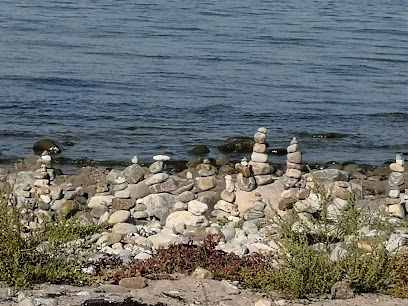
Gilbjerg Hoved
9.2 km
Wind-swept cliffs, migrating birds and Kierkegaard’s contemplative coast converge at this compact, protected headland on the Kattegat just west of Gilleleje.
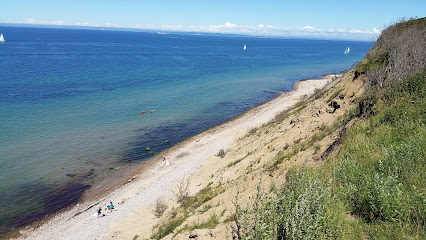
Falkonergården
11.2 km
Intimate falconry shows in rural North Zealand, where eagles, hawks and falcons soar within arm’s reach and centuries of raptor lore come vividly to life.

Pindemosen sphagnummose
11.3 km
A small but evocative sphagnum bog on Helsingør’s edge, where soft peat, moss carpets and quiet wetland life offer a gentle, close-up encounter with Danish peatland nature.
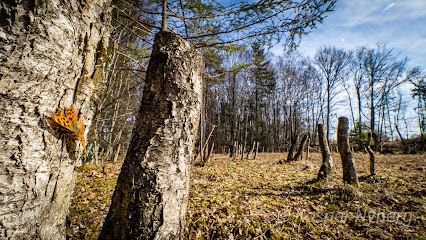
Grønne Vestkile
11.3 km
A protected green corridor of rolling fields, ponds and hedgerows on the western edge of Helsingør, offering calm everyday nature close to the city.
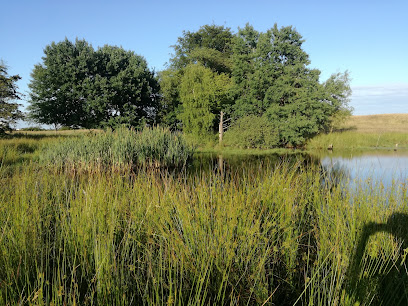
Fredensborg Slotshave
11.4 km
A vast royal park of sweeping avenues, quiet woodland and lake views, wrapping an active Danish palace in 120 hectares of remarkably peaceful landscape.
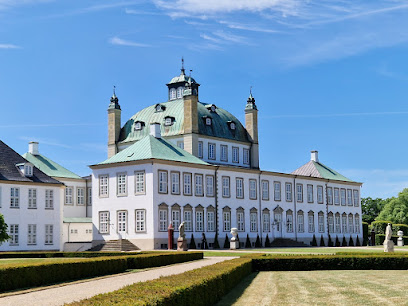
Fredensborg Palace
11.5 km
Experience the serene beauty of St Alban's Church, a Gothic Revival masterpiece in Copenhagen's Churchillparken.
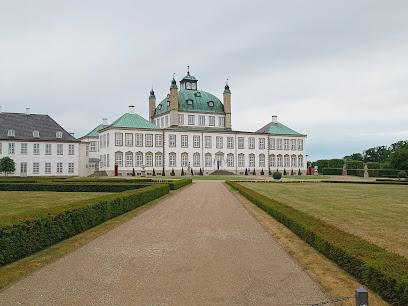
Klostermoseskoven
12.3 km
A modest 19th‑century plantation forest on Helsingør’s industrial edge, Klostermoseskoven offers quiet paths, gentle hills and an easy dose of everyday Danish nature.
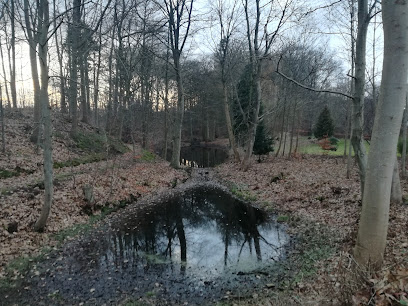
UNDER THE ROOF
12.3 km
Explore the mythic encounter of Heracles and the Hydra in this striking modern sculpture, set near Helsingør’s iconic Kronborg Castle and the scenic Øresund coastline.
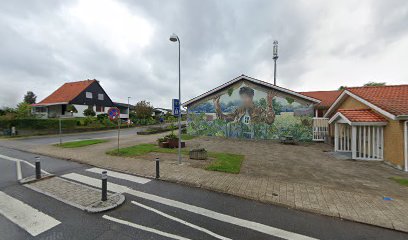
Essential places to dine

Restaurant Foqus
11.7 km
Danish comfort cuisine in a welcoming golf club setting where membership is never required.
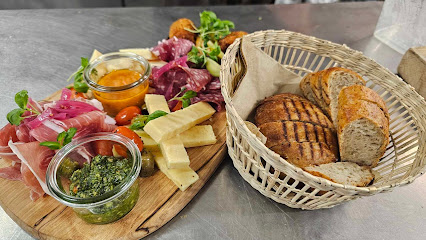
Skipperhuset Fredensborg
11.9 km
Refined Nordic cuisine and panoramic sunsets on the shores of Lake Esrum.
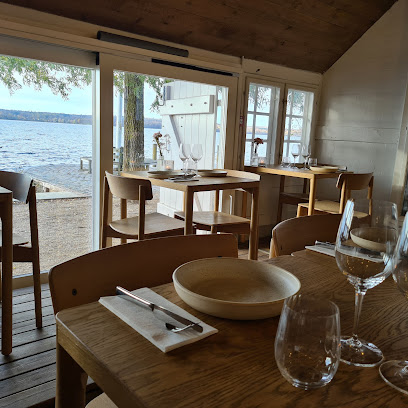
Hamnplan 9
12.6 km
Experience authentic Swedish cuisine at Hamnplan 9 in Viken - where local flavors meet stunning waterfront views.
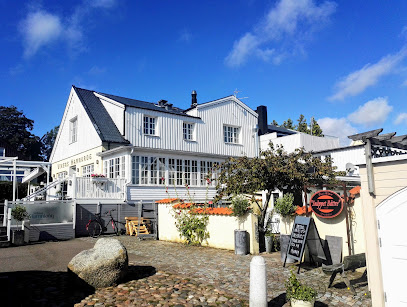
Prego Ristorante
12.6 km
Experience authentic Italian cuisine at Prego Ristorante in Viken—where every dish tells a story and every visit feels like home.
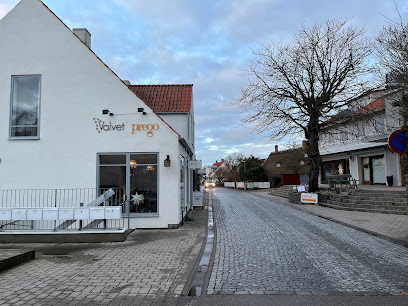
Restaurang MAVI
12.7 km
Experience authentic Swedish cuisine at Restaurang MAVI in Viken - where every dish tells a story of local flavors and warm hospitality.
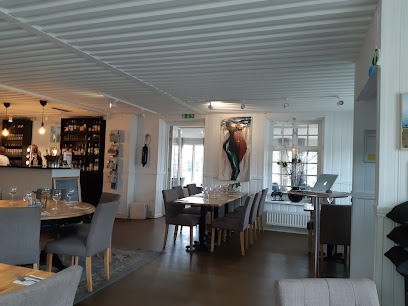
Madonna Burgerbar
12.7 km
Hearty burgers, crispy fries and indulgent shakes in a no‑nonsense neighborhood burgerbar just beyond Helsingør’s historic streets.
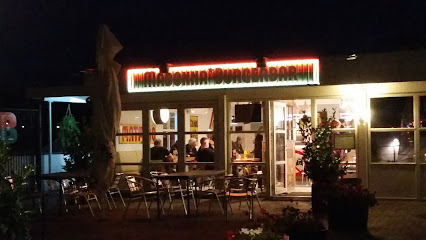
Ciao-Ciao
12.8 km
Cozy Italian trattoria on Helsingør’s Nordre Strandvej, blending handmade pasta, warm hospitality and Øresund views into relaxed, evening‑only dinners.
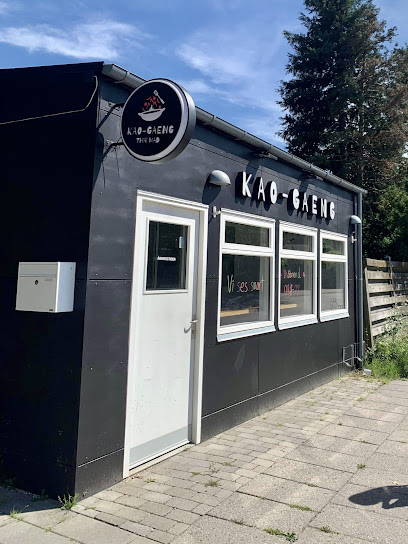
Kao Gaeng
13.1 km
Unassuming neighbourhood Thai in Helsingør serving generous, flavour-packed curries and stir-fries, ideal for casual evening dinners or easy takeaway feasts.
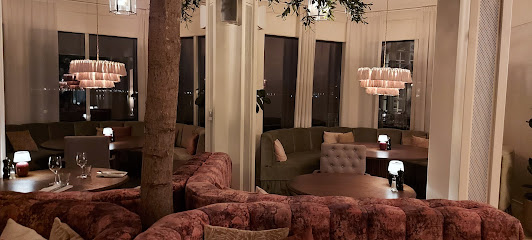
Marienlyst Restaurant, Bar & Lounge
13.4 km
Elegant seaside restaurant and lounge at Helsingør’s historic Marienlyst Strandhotel, blending Nordic flavours, crafted cocktails and sweeping Øresund views.
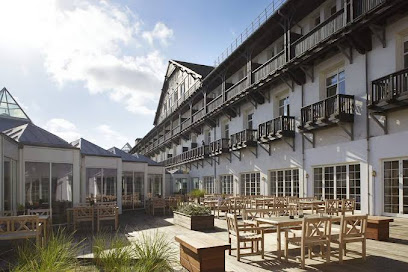
Marienlyst beach hotel
13.4 km
Historic seaside resort on the Danish Riviera with beach spa, private shore and views to Kronborg Castle and Sweden across the Øresund.
Brasserie 1861
13.4 km
Fine Nordic-French dining with Øresund views and Kronborg Castle as backdrop
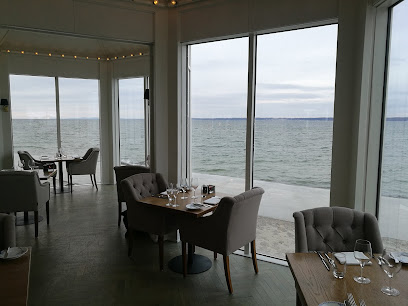
Lakeside Restaurant
13.5 km
Casual dining on the edge of Simons Golf Club, where generous Danish-inspired dishes meet wide green views and a calm North Zealand countryside setting.
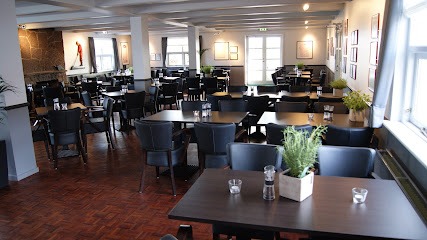
Restaurant Kaj
14.0 km
Modern Danish brasserie fare and generous seafood served in a light-filled dining room with sweeping Øresund views on Helsingør’s tranquil Nordhavn waterfront.
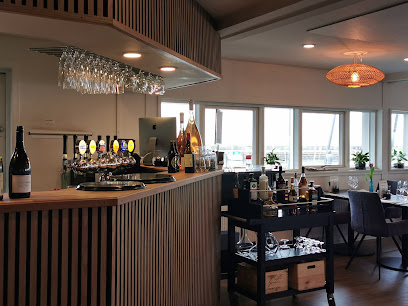
The Eatery of Jan & Christian
14.1 km
Contemporary Danish cooking in a welcoming neighbourhood setting on Helsingør's central street.
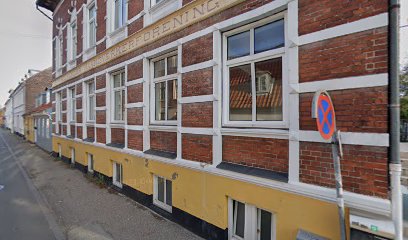
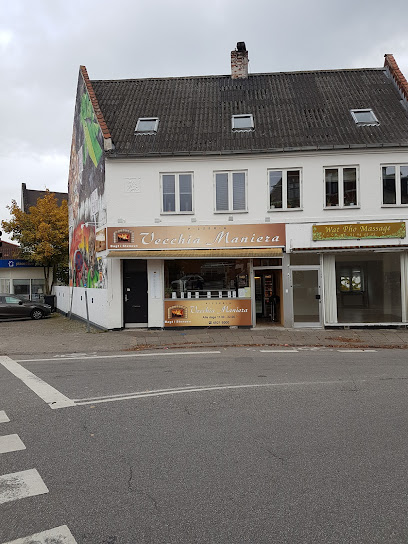
Vecchia Maniera
14.1 km
Neighborhood-style Italian pizzeria in Helsingør serving stone-oven pizzas, homemade breads and simple comfort dishes in a casual, takeaway-friendly setting.
Markets, malls and hidden boutiques

Prøvestencentret
12.9 km
A practical, car-friendly shopping hub in Helsingør, ideal for everyday essentials, free parking and quick errands between more traditional North Zealand sights.
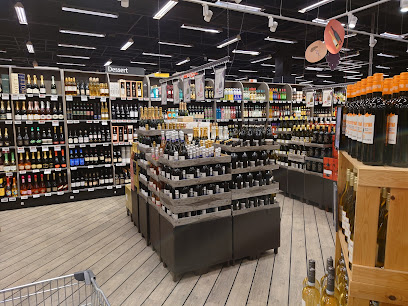
Kids Coolshop Helsingør
12.9 km
Expertly curated toys for every age, where playtime possibilities meet personalized service.

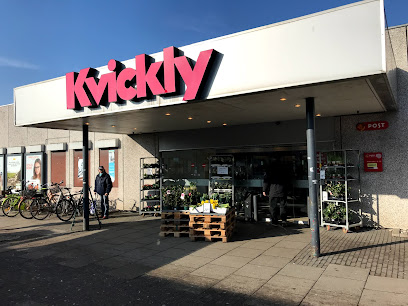
Kvickly
13.0 km
Spacious Danish supermarket and home goods store in Helsingør’s Prøvestenscentret, ideal for stocking up on groceries, picnic supplies and everyday essentials.
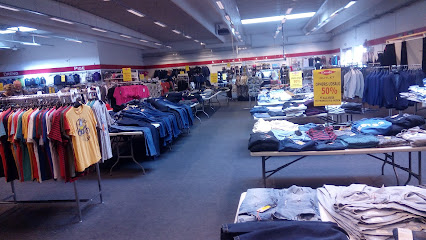
Dansk
13.5 km
North Zealand's largest discount clothing store offering family fashion at 40–80% savings.
Danmission Op Shop
14.0 km
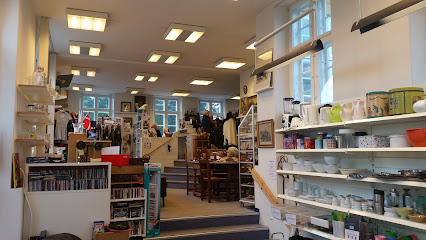
Ethical treasure-hunting in Helsingør’s old town, where ever-changing second-hand finds support Danmission’s humanitarian work far beyond Denmark.
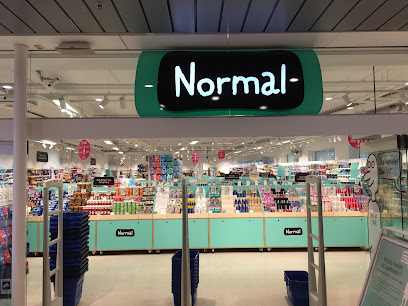
Normal
14.1 km
Smart, budgetvenligt pitstop i Helsingør Bycenter, hvor du hurtigt fylder kurven med beauty, rengøring og snacks til hverdagen og weekendturen.
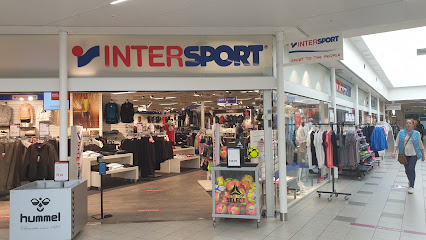
Intersport Helsingør
14.1 km
Centrally located in Helsingør Bycenter, this locally run Intersport blends big-brand sports gear with practical advice for active days in town, forest and along the Øresund.
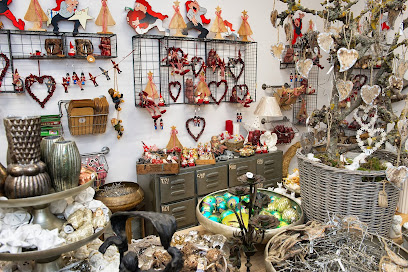
Butik Chaplin
14.2 km
A cosy Helsingør boutique brimming with handmade jewelry, retro interiors and knitwear, where every carefully chosen piece tells a small, colourful story.
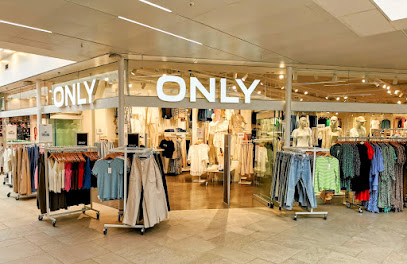
ONLY
14.2 km
Central Helsingør outpost of Danish fashion brand ONLY, mixing trend-led denim, dresses and everyday essentials with plus-size and sports-inspired womenswear.
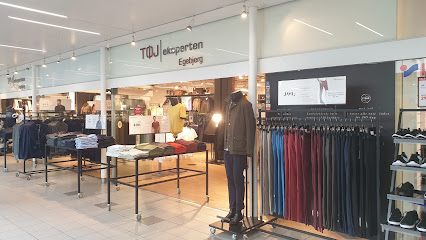
Tøjeksperten
14.2 km
Classic Danish menswear with professional styling in historic Helsingør
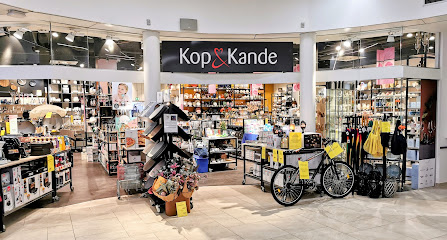
Kop & Kande
14.2 km
Danish homeware and kitchenware haven celebrating comfort, warmth, and the art of everyday living.
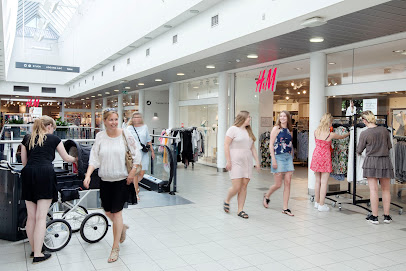
Helsingør Bycenter
14.2 km
Compact, convenient and fully indoor, Helsingør Bycenter is the practical shopping heart of Helsingør, mixing everyday essentials, cafés and family-friendly comfort.
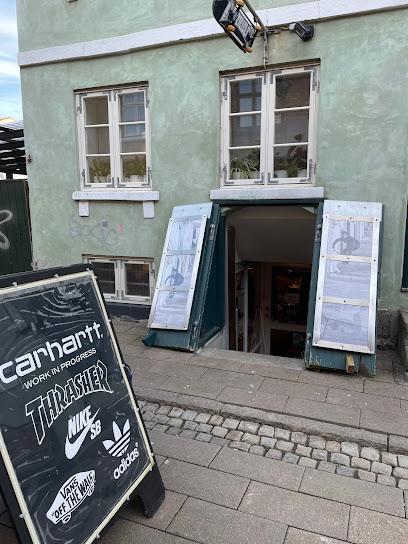
Dark Blue
14.2 km
Independent Helsingør skate and surf hub blending quality boards, cold‑water gear and streetwear in a compact, characterful old‑town shop.
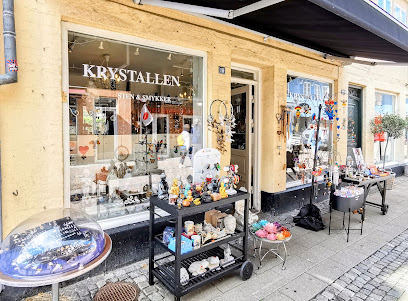
Krystallen
14.2 km
Helsingør's premier crystal and mineral shop with expertly curated specimens and atmospheric presentation.
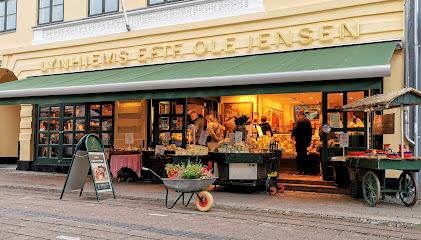
Lynhjems Eftf Ole Jensen
14.2 km
Traditional Helsingør cheesemonger and delicatessen packed with Danish and international flavours, perfect for picnic supplies, edible souvenirs and gourmet treats.
Essential bars & hidden hideouts

Gefion Bodega
12.7 km
Unpretentious neighbourhood bar in Helsingør offering classic Danish bodega atmosphere, simple drinks and a relaxed glimpse into everyday local life.
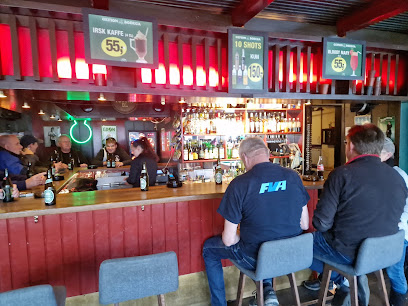
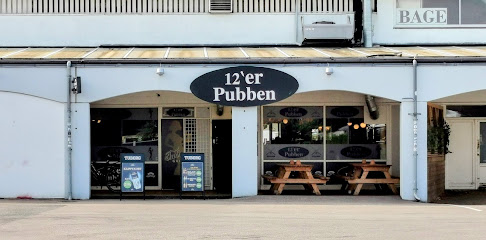
12`er Pubben
12.7 km
Unpretentious neighborhood bodega in Helsingør with billiards, sports on TV and cold beers, offering an authentic slice of Danish local bar life.
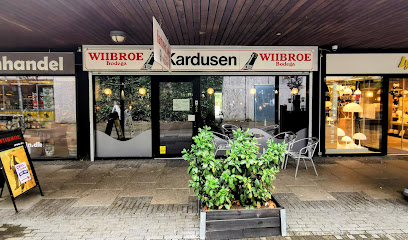
Kardusen
12.9 km
Casual wine bar in central Helsingør offering relaxed evenings and accessible pricing.
Joker Bar
13.4 km
Relaxed Danish bar offering casual drinks and friendly conversation in historic Helsingør.
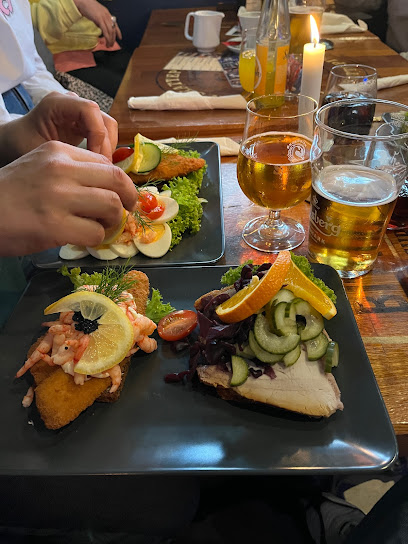
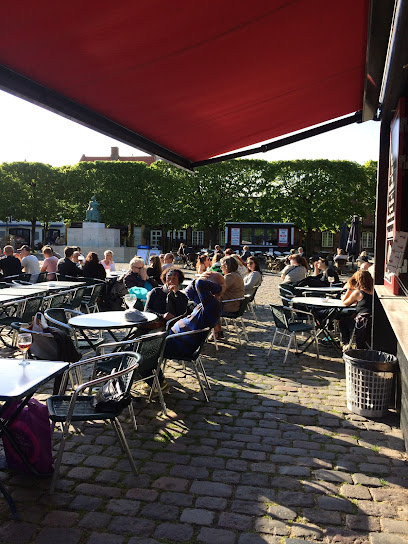
Axelhus Udeservering
14.1 km
Open-air corner bar on Bjergegade, where simple food, cold beer and Axeltorv’s street life come together in the historic heart of Helsingør.
Hold-An
14.2 km
Unfussy beer hall and local bar in central Helsingør, pouring cold brews, simple bites and everyday Danish hygge from late morning to late night.
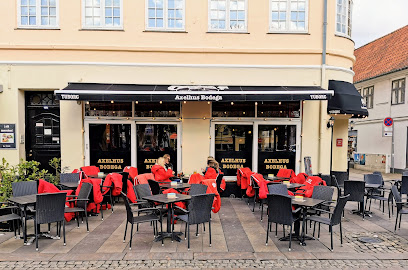
Axelhus
14.2 km
Casual bodega and burger bar in Helsingør's old town, open late on weekends with beer and Danish comfort food.
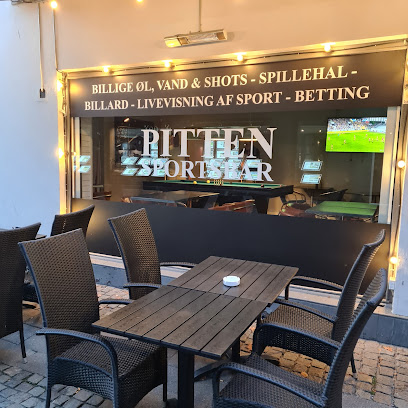
Pitten Sport Bar
14.2 km
Straightforward sports, cold beer and local Helsingør character in a relaxed neighbourhood bar just a short stroll from the harbour and historic centre.
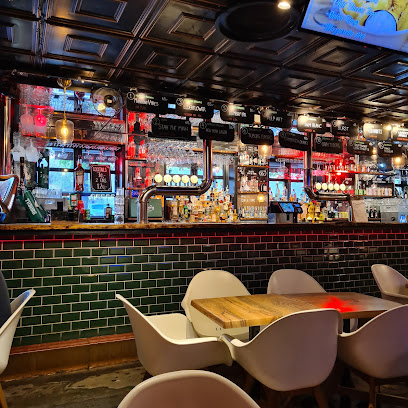
Head/Foam
14.2 km
Modern neighbourhood bar near Helsingør’s historic centre, pouring craft beer and cocktails from midday to the early hours in a lively, social setting.
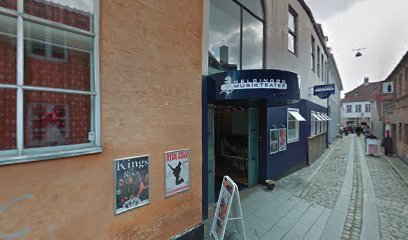
Helsingør Musikteater
14.2 km
Historic theatre and bar hosting live concerts, exhibitions, and dinner events in central Elsinore.
Banana joe
14.3 km
Compact late-night bar above Helsingør’s nightlife strip, serving straightforward drinks, warm lighting and a relaxed local vibe long after the streets quieten.
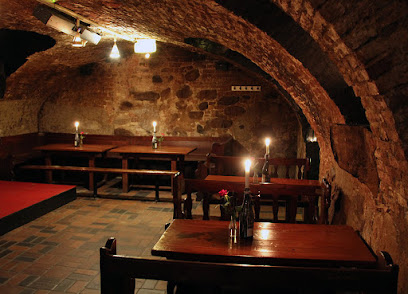
Holger
14.4 km
Cozy cellar bodega on Helsingør’s Stengade, pouring inexpensive beers and spirits, with live music nights and a laid-back local crowd deep into the night.
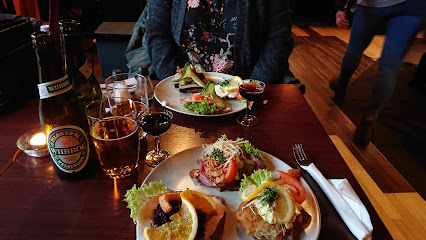
Strandborg
14.4 km
Waterfront bar and restaurant where Helsingør's harbor views meet casual Nordic dining and evening social scene.
Møllen
18.4 km
A welcoming Danish bodega in Hillerød's heart, where locals gather for drinks, snacks, and authentic social connection.
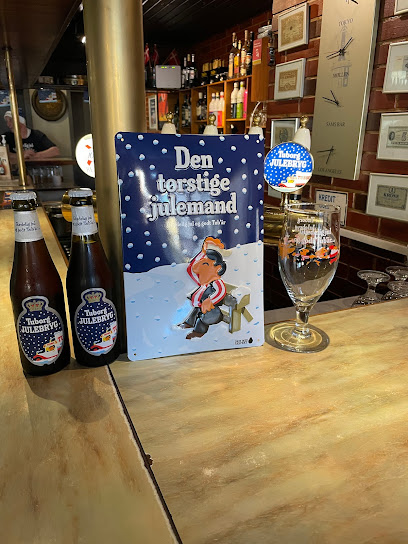
The Old Irish Pub
18.5 km
Lively Irish-style bar and late-night dance venue on Hillerød’s central square, pouring pints, playing hits and catering to a sociable, mature party crowd.
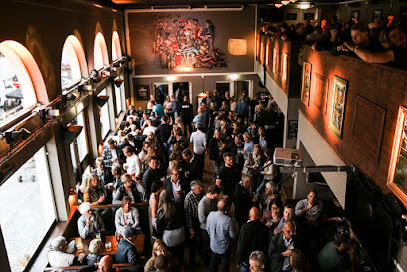
Nightclubs & after hour spots

Walther's grillkylling og svuppeklub
10.9 km
Intimate neighborhood nightclub in Helsingør with loud music, simple drinks, and a playful local vibe behind an unassuming facade on Rødegårdsvej.

Rustik
14.2 km
Helsingør's premier weekend nightclub with craft cocktails and high-energy dancing until dawn.
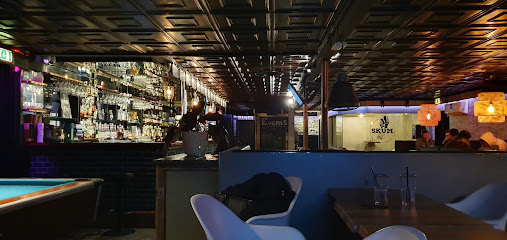
Retro
14.3 km
High-energy weekend nightclub in central Helsingør, mixing big-room beats, bright lights and a young crowd in what calls itself the largest club north of Copenhagen.
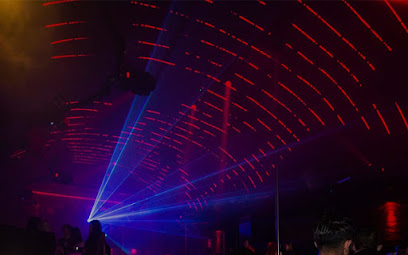
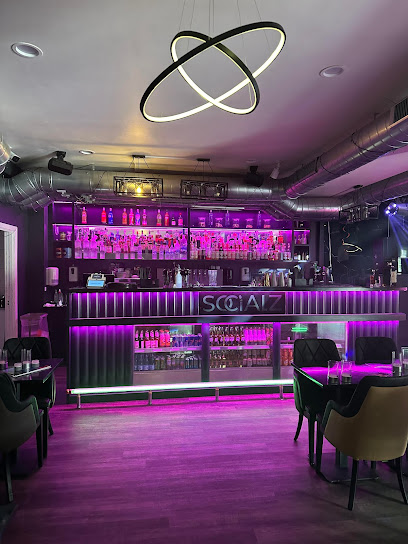
Socialz
18.3 km
Intimate cocktail bar and nightclub in the heart of Hillerød, blending shisha lounge vibes, late-night DJ sets and a compact dance floor on lively Slotsgade.
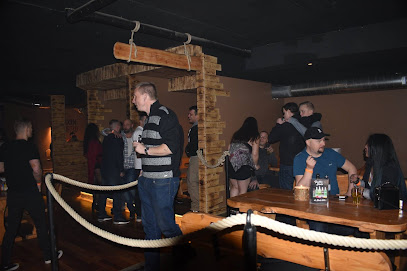
Den Dansende Viking
37.8 km
High-energy suburban nightclub in Egedal Centret, serving packed dance floors, late-night DJ sets and budget-friendly drinks for party-focused weekends.
SIGURD CPH
43.6 km
Discover the pulse of Copenhagen's nightlife at SIGURD CPH, where vibrant dancing, fine wines, and pachinko gaming come together for an unforgettable experience.
Afrobeat Palace Nightclub
43.7 km
Discover the energetic Afrobeat Palace Nightclub in Copenhagen, where music, dance, and multicultural vibes unite for an unforgettable nightlife experience.
RUST Natklub
45.0 km
Discover the pulsating heart of Copenhagen's nightlife at RUST Natklub, where eclectic beats and vibrant energy come together for an unforgettable experience.
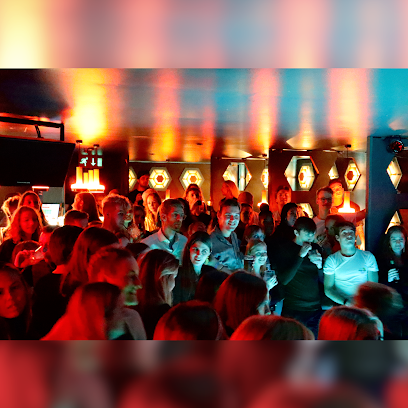
Falafelberg
45.2 km
Discover the pulsating nightlife of Frederiksberg at Falafelberg, a night club offering delicious falafel and electrifying music for an unforgettable experience.
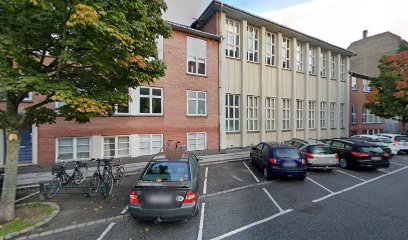
Temple Bar
45.2 km
Discover the energetic vibe of Temple Bar in Nørrebro, Copenhagen, where great drinks and lively entertainment meet.
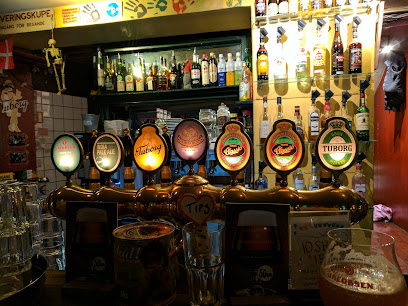
Culture Box
45.9 km
Discover the heartbeat of Copenhagen's nightlife at Culture Box, where music, art, and dance create an unforgettable experience.
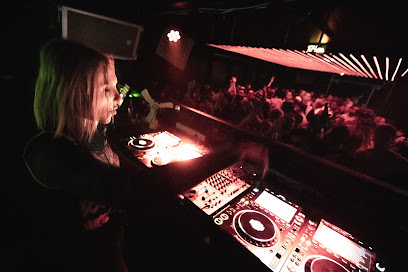
Moon Club
46.0 km
Discover the pulsating nightlife of Copenhagen at Moon Club, where electrifying beats and vibrant energy create unforgettable nights.
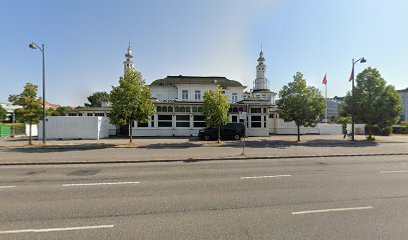
Mirage
46.2 km
Dive into the electrifying nightlife at Mirage, Copenhagen's premier night club for an unforgettable evening of music, dancing, and entertainment.

Arch
46.2 km
Discover the vibrant nightlife of Copenhagen at Arch, a premier night club offering electrifying music and an unforgettable atmosphere.

Mini Bar
46.3 km
Discover the vibrant nightlife of Copenhagen at Mini Bar, a premier night club offering eclectic tunes and a lively atmosphere for unforgettable nights.
For the vibe & atmosphere seeker
- Scenic
- Relaxing
- Tranquil
- Unique
- Quirky
- Casual
For the design and aesthetic lover
- Minimalist Designs
- Modern Designs
- Industrial Designs
For the architecture buff
- Modern
- Landmarks
- Art & Design
- Parks & Gardens
For the view chaser and sunset hunter
- Iconic Views
- Panoramas
- Sunset Spots
For the social media creator & influencer
- Instagrammable
- Photo Spots
- Selfie Spots
- Reel-Friendly
- Architectural Shots
For the eco-conscious traveler
- Low Impact
- Public-Transport Accessible
- Locally Managed
For the kind of experience you’re after
- Cultural Heritage
- Photowalk
- Adventure Photo Shoot
- Nature Escape
- Day Trip
- Roadtrip Stop
- Mindfulness
For how adventurous you want the journey to be
- Easy Access
Location Audience
- Family Friendly
- Senior Friendly
- Child Friendly
- Teen Friendly
- Solo Friendly
- Couple Friendly
- Solo Female Friendly
- Vegetarian Friendly
- Vegan Friendly
- LGBT Friendly


