Genforeningsmonument i Vestparken, Randers Travel Guide
Poignant memorial in Randers’ Vestparken, where sculpture, literature and history meet in a quiet green corner to commemorate Denmark’s 1920 reunification.
Set among lawns and trees in Randers’ Vestparken, the Genforeningsmonument is a sculptural tribute to the 1920 reunification of Southern Jutland with Denmark. Created by renowned sculptor Anders Bundgaard and unveiled in 1927, it depicts a poignant reunion between a mother and her long-lost daughter, inspired by a poem by Henrik Pontoppidan. This small but atmospheric memorial combines national history, literary references and quiet green surroundings, inviting a short, reflective pause during a stroll through the park.
A brief summary to Genforeningsmonument i Vestparken
- Randers, Randers C, 8900, DK
- Duration: 0.5 to 1 hours
- Free
-
 Outdoor
- Mobile reception: 4 out of 5

Know before you go
Hi, I'm Eve. Here are a few practical things to know before exploring Genforeningsmonument i Vestparken.
- Plan your visit in daylight to appreciate the sculptural details and the way the monument stands out against the greenery of Vestparken.
- Combine a stop at the monument with a slow loop through Vestparken’s paths for a relaxed break from Randers’ urban streets.
- If you are interested in history, read a short overview of the 1920 reunification of Sønderjylland beforehand to deepen the symbolism of the scene.
Do you manage this location?
Take control to get all the benefits, like improved information, better appearance, and stronger visibility across AI-powered discovery. Learn more about listing your business on Evendo
Activate your presenceOther nearby places you may find interesting
The closest places of the same kind, if this one is not quite what you had in mind.

Explore Genforeningsmonument i Vestparken on the Map
A handpicked selection of must-see spots near Genforeningsmonument i Vestparken, mapped for you.
Getting There
-
Walking from central Randers
From Randers’ central pedestrian area, reaching Vestparken on foot typically takes around 15–25 minutes at a relaxed pace. The route is almost entirely on paved, level sidewalks and park paths, making it manageable for most visitors with basic mobility, though some sections of the park are grassy. Walking costs nothing and allows you to combine the monument with a wider urban stroll.
-
Local city bus within Randers
Several local bus lines connect the central parts of Randers with residential districts near Vestparken, with journey times usually between 10 and 20 minutes depending on the route and time of day. A single adult ticket on city buses in Randers typically costs in the range of 20–30 DKK, with services running more frequently on weekdays and daytime hours than late evenings or weekends. From the nearest stop, expect a short additional walk on regular pavements and park paths.
-
Taxi from Randers Station
From Randers railway station, a taxi ride to Vestparken normally takes about 5–10 minutes depending on traffic. Daytime fares within the city are often in the region of 80–140 DKK for a short trip of this length, with surcharges possible in the evening or at night. Taxis can usually drop passengers close to park entrances, which is useful for travellers with limited mobility.
For the on-the-go comforts that matter to you
-
 Trash Bins
-
 Seating Areas
Discover more about Genforeningsmonument i Vestparken
A quiet memorial in Randers’ green Vestparken
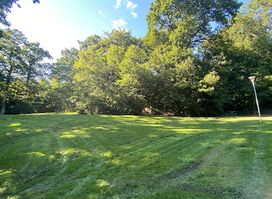
Genforeningsmonumentet stands on a gentle rise in Vestparken, a leafy recreational area just west of Randers’ centre. Framed by grass, shrubs and mature trees, the monument feels slightly set apart from the rest of the park, like a small outdoor room dedicated to memory and reflection. There are no gates or ticket booths here – only open paths and the sound of wind moving through the foliage.The setting is low-key and human in scale. Children play on nearby lawns, dog walkers pass at a relaxed pace, and the monument simply anchors one corner of the park rather than dominating it. This mix of everyday life and quiet symbolism is part of its charm: national history is present, but never overbearing.Symbol of Denmark’s reunification with Sønderjylland
The monument commemorates the 1920 reunification of Sønderjylland (Southern Jutland) with Denmark, a pivotal moment after the territory had been under German rule since the 19th century. In towns across the country, monuments were raised to mark the return of the southern lands, and Randers chose to place its memorial here in Vestparken.The work was unveiled on 15 June 1927 in front of a large crowd, cementing the park as a local focus for remembrance ceremonies and official speeches. Dates like 1920 and 1927 are often referenced in connection with the monument, making it a tangible gateway into a defining chapter of modern Danish history.Anders Bundgaard’s dramatic sculptural group
The sculptural group is the work of Danish sculptor Anders Bundgaard, best known for major works such as large public fountains and monuments. Here, he chose a more intimate scene: a standing woman and a younger figure caught in a powerful embrace. The forms are robust and expressive, with sweeping lines and strong silhouettes designed to be read clearly in outdoor light.Viewed up close, you notice the tension in shoulders and hands, the slight twist of bodies, and the deliberate contrast between rough-hewn surfaces and smoother details. From a distance, the group reads as a single vertical shape rising above its base, visible from various paths in the park.A monument shaped by literature and emotion
Bundgaard drew inspiration from a poem by Danish writer Henrik Pontoppidan about a stolen, deeply lamented daughter who eventually returns home. This literary reference gives the monument its emotional core: the return of the daughter stands in for the return of Southern Jutland to the Danish “family”.Even without knowing the poem, the symbolism is clear. The figures lean into each other with urgency, suggesting loss, relief and joy all at once. For visitors, it offers an accessible way to connect to a political event through human feelings – separation, longing and reunion.Experiencing the site on a short park stroll
Most people encounter the monument as part of a walk, run or bike ride through Vestparken. There is ample space to circle around the sculpture, view it from different angles and step back to see how it sits in the landscape. Simple paths, grass and low plantings keep the focus on the work itself.There are no elaborate visitor facilities directly at the monument, but the wider park typically offers benches, bins and informal spots to sit on the grass. The open layout and level terrain make it easy to approach for most visitors, and the lack of fences means the site is accessible at all hours.Local anchor for remembrance and reflection
Over time, the Genforeningsmonument has become a natural gathering point for commemorations linked to the reunification, including anniversaries and occasional speeches. For Randers residents, it is both a familiar park landmark and a marker of regional identity.For travellers, it works best as a brief, thoughtful stop woven into a wider exploration of Randers and its green spaces. The visit is less about spectacle and more about pausing in front of a carefully composed scene of homecoming, letting the story behind the figures unfold in your imagination.More to explore near Genforeningsmonument i Vestparken
-

Best experiences near Genforeningsmonument i Vestparken
-

Best hotels near Genforeningsmonument i Vestparken
-

Best landmarks near Genforeningsmonument i Vestparken
-

Best shops near Genforeningsmonument i Vestparken
-

Best restaurants near Genforeningsmonument i Vestparken
-

Best bars near Genforeningsmonument i Vestparken







Your all‑in‑one travel companion app
Explore expert travel guides, compare and book tours, experiences, hotels, and more—all from the palm of your hand. Download now for seamless trip planning wherever your wanderlust takes you.


Explore More of Randers
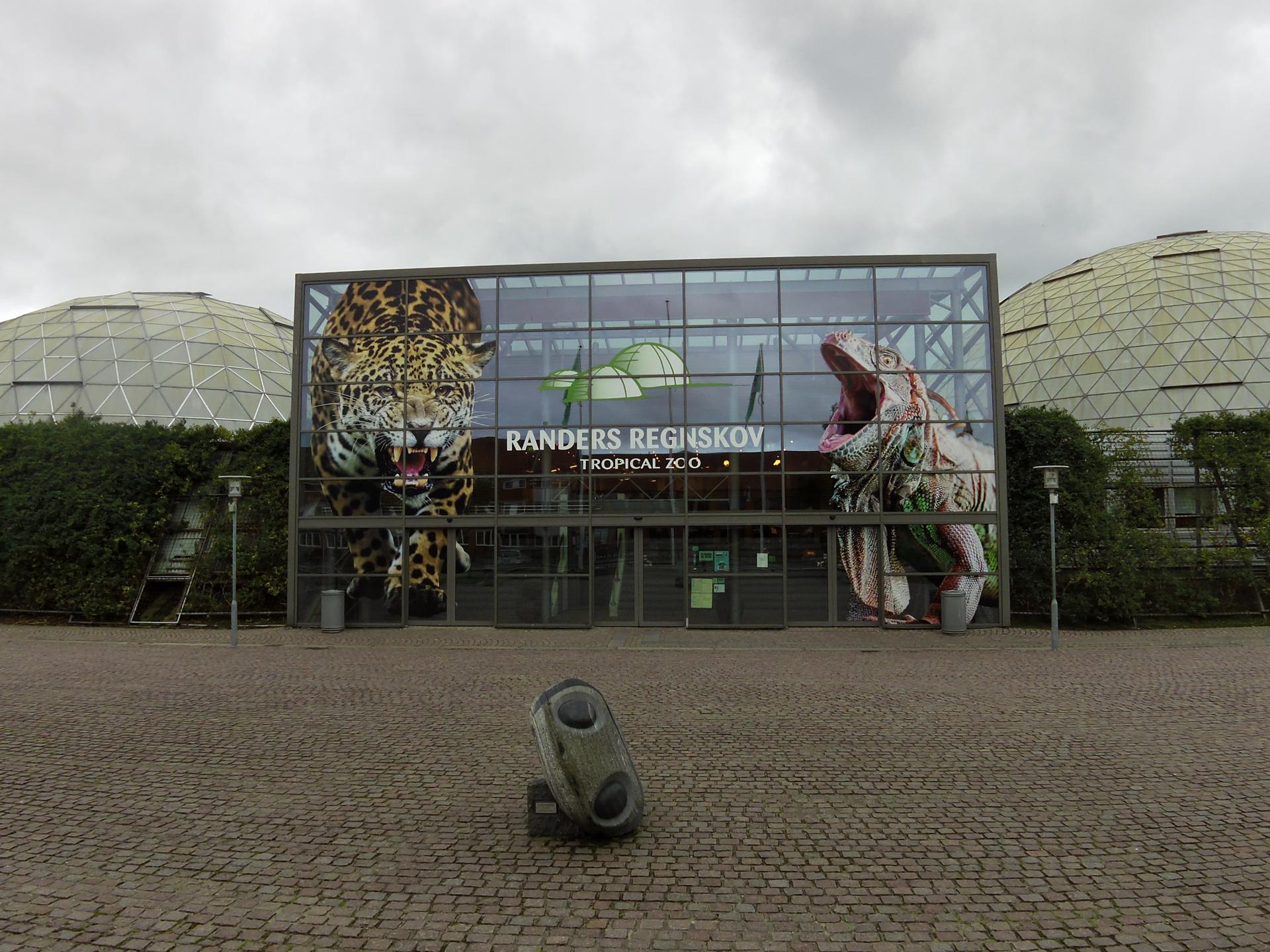
Looking beyond Genforeningsmonument i Vestparken? Discover Randers for broader travel guides, local hot-spots, and regional highlights.
Explore Randers