Kings Hill | Megalithic tomb, Randers Travel Guide
A quietly powerful Stone Age tomb in the fields near Mariager, Kings Hill offers a remarkably preserved megalithic mound, ancient stories, and wide Himmerland skies.
Set in gentle countryside between Hobro and Mariager, Kings Hill (Kongehøjen) is a remarkably well‑preserved Stone Age megalithic tomb dating to around 3200 BC. The elongated mound is ringed by an almost intact chain of curb stones and shelters two stone-built burial chambers linked by low passages. Once raised by early farming communities of the Funnel Beaker culture, this atmospheric site now offers a quiet, evocative glimpse into Denmark’s prehistoric past amid fields, wind, and skylarks.
A brief summary to Kings Hill | Megalithic tomb
- Hobrovej 12C, Mariager, 9550, DK
- Duration: 0.5 to 1.5 hours
- Free
-
 Outdoor
- Mobile reception: 4 out of 5

Know before you go
Hi, I'm Eve. Here are a few practical things to know before exploring Kings Hill | Megalithic tomb.
- Wear sturdy, closed shoes; the ground around the mound can be uneven, grassy, and slippery after rain.
- Combine a stop at Kings Hill with a visit to nearby Mariager Fjord viewpoints or the historic centre of Mariager for a half‑day outing.
- Bring a light jacket or windbreaker, as the exposed position of the mound means it can feel breezy even on mild days.
- If you are interested in prehistory, read a short introduction to Denmark’s Funnel Beaker culture before coming to better appreciate the tomb’s context.
- Visit in the early morning or late afternoon for softer light that enhances the mound’s contours and makes photography more atmospheric.
Do you manage this location?
Take control to get all the benefits, like improved information, better appearance, and stronger visibility across AI-powered discovery. Learn more about listing your business on Evendo
Activate your presenceOther nearby places you may find interesting
The closest places of the same kind, if this one is not quite what you had in mind.



Explore Kings Hill | Megalithic tomb on the Map
A handpicked selection of must-see spots near Kings Hill | Megalithic tomb, mapped for you.
Getting There
-
Car from Mariager town
From central Mariager, reaching Kings Hill by car typically takes about 8–12 minutes. The route uses local country roads heading southwest toward Hobrovej. There is usually informal roadside parking or small lay‑bys near the mound, but no marked car park or facilities. Access is free, and the final approach involves walking a short distance over uneven, grassy ground, which may be muddy after rain.
-
Car from Hobro
From Hobro, expect a 12–18 minute drive through gently rolling farmland toward Mariager along regional roads. Turning off onto Hobrovej brings you close to the tomb area, where you can park in a suitable safe spot off the main road. There are no parking fees or dedicated spaces, and the last section to the mound is on foot across natural terrain that is not ideal for wheelchairs or prams.
-
Bicycle from Mariager area
For cyclists staying around Mariager, Kings Hill makes an appealing countryside detour. The ride generally takes 20–30 minutes each way on minor roads with light traffic but some rolling gradients. Surfaces are paved, yet weather and wind can significantly affect effort. There are no bike racks at the site, so bring a lock and be prepared to leave your bicycle along a fence or verge while you explore the mound.
-
Walking from nearby rural accommodation
If you are staying at a farmhouse, campsite, or guesthouse in the immediate countryside, ask your host about walking options to Kings Hill. Typical local walks range from 30 to 60 minutes each way on quiet lanes and field paths. The landscape is gently hilly rather than steep, but paths can be muddy and uneven, so waterproof footwear is recommended. There is no lighting on routes or at the mound, so such walks are best kept to daylight hours.
For the on-the-go comforts that matter to you
-
 Trash Bins
-
 Information Boards
Discover more about Kings Hill | Megalithic tomb
Stone Age monument above Mariager Fjord
Kings Hill, known in Danish as Kongehøjen, rises gently from the farmland between Hobro and Mariager as an elongated burial mound dating back more than five millennia. Built around 3200 BC by the Funnel Beaker culture, it belongs to Denmark’s earliest farming communities, who transformed the landscape with monumental tombs for their dead. Today the grass‑covered mound looks deceptively modest, but its age and craftsmanship make it one of the most striking Stone Age sites in northern Jutland.From a distance, the mound appears as a low, rounded ridge in the landscape, aligned with nearby fields and hedgerows. As you approach, the structure gradually resolves into something far more deliberate: an engineered hill of earth raised over carefully stacked stones, conceived not only as a grave but as a visible statement of belief, community, and continuity.The ring of stones and hidden chambers
What sets Kings Hill apart is its almost intact chain of curb stones that encircles the foot of the mound, a ring of some 62 large boulders carefully set to hold the tumulus in place. Each stone was dragged here in the Neolithic era, likely using wooden sledges and sheer human effort. The ring gives the tomb a precise outline and lends it a quiet geometric harmony when viewed from below.Beneath the turf, two well‑preserved stone chambers lie hidden within the mound. These were built from upright slabs supporting massive capstones, forming dry‑stone spaces where the dead were laid to rest. Low, narrow passages originally led into the chambers, forcing anyone entering to stoop or crawl and reinforcing the sense of crossing a threshold between worlds. Though only parts of the interior may be accessible or visible today, knowing what lies within changes how you read every curve and contour of the hill.Archaeology, restoration, and protection
Excavations carried out in the early 1960s revealed just how sophisticated the construction is. Archaeologists determined that the tomb belongs to the middle of the so‑called Peasant Age, when settled agriculture, domestic animals, and permanent villages had taken hold in Denmark. Finds from the chambers helped confirm its Neolithic date and placed it within the wider network of megalithic structures that once dotted the region.Kongehøjen has benefited from early and consistent protection. It was voluntarily placed under conservation in the late nineteenth century, sparing it the fate of many burial mounds that were ploughed out, quarried for stone, or leveled for building materials. Later restoration work stabilised the structure and clarified its outline without turning it into an over‑managed monument, preserving much of its original character and grassy, weathered surfaces.Legends, beliefs, and quiet superstitions
Local folklore has long surrounded the mound. Stories tell of misfortune befalling anyone who disturbed the stone circle, reflecting an intuitive respect for the ancient dead and an awareness that this was no ordinary hill. Such tales may have helped protect the site, reinforcing the idea that the stones at its base should not be moved or broken. The name Kings Hill, though much younger than the tomb itself, hints at imagined royal burials and forgotten rulers, even though the mound predates Denmark’s historical kings by thousands of years.Standing here, it is easy to imagine gatherings for rituals, seasonal observances, or commemorations of ancestors. While the precise beliefs of the builders remain unknown, the effort invested in carrying heavy stones, shaping the mound, and maintaining the site over generations suggests that burial was a social act, linking the living to their predecessors and to the land they farmed.A contemplative detour in Himmerland
Visiting Kings Hill is a quiet, low‑key experience rather than a structured attraction with displays and facilities. There are no grand arches or formal entrances; you simply step off the modern world and into a grassy enclosure of prehistory. The surrounding countryside is characteristically Himmerland: rolling fields, scattered farms, and the distant silhouette of wooded hills leading towards Mariager Fjord.The atmosphere changes with the weather. On bright days, the stone ring stands out against vibrant green grass, and larks spiral above the mound. On overcast or misty mornings, the tomb feels more introspective, a raised island of memory in a muted landscape. With no crowds and minimal signage, it invites unrushed exploration, quiet photographs, and a few moments simply sitting on the slope, looking out and letting the time‑depth of the place sink in.More to explore near Kings Hill | Megalithic tomb













Your all‑in‑one travel companion app
Explore expert travel guides, compare and book tours, experiences, hotels, and more—all from the palm of your hand. Download now for seamless trip planning wherever your wanderlust takes you.


Explore More of Randers
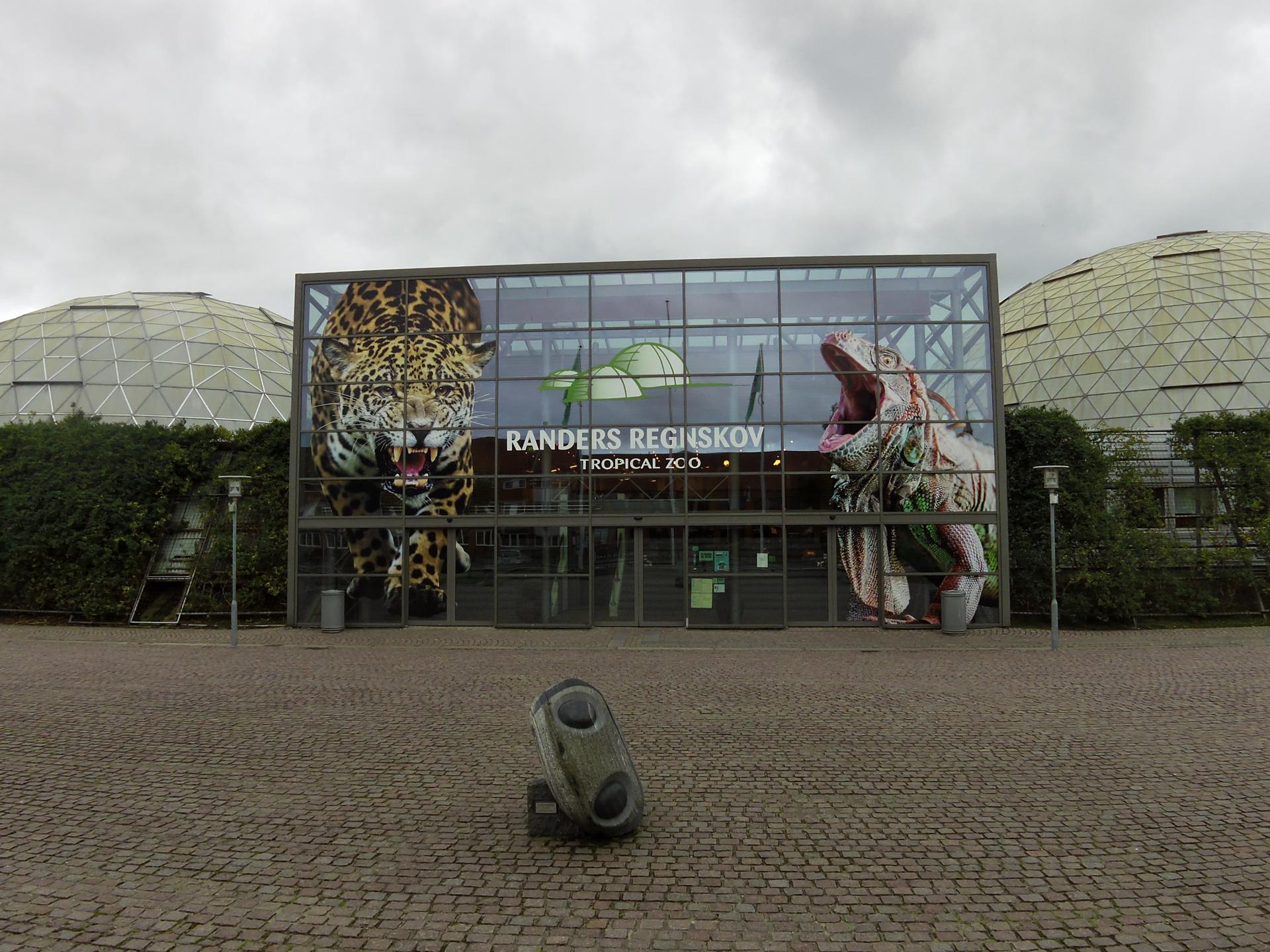
Looking beyond Kings Hill | Megalithic tomb? Discover Randers for broader travel guides, local hot-spots, and regional highlights.
Explore Randers