

Randers Fjord, Randers Travel Guide
Free Guide: A tranquil Danish fjord where the Gudenå River meets the Kattegat, blending reed-filled wetlands, historic ferries and gentle outdoor adventures in East Jutland.


A brief summary of Randers Fjord
A tranquil Danish fjord where the Gudenå River meets the Kattegat, blending reed-filled wetlands, historic ferries and gentle outdoor adventures in East Jutland.
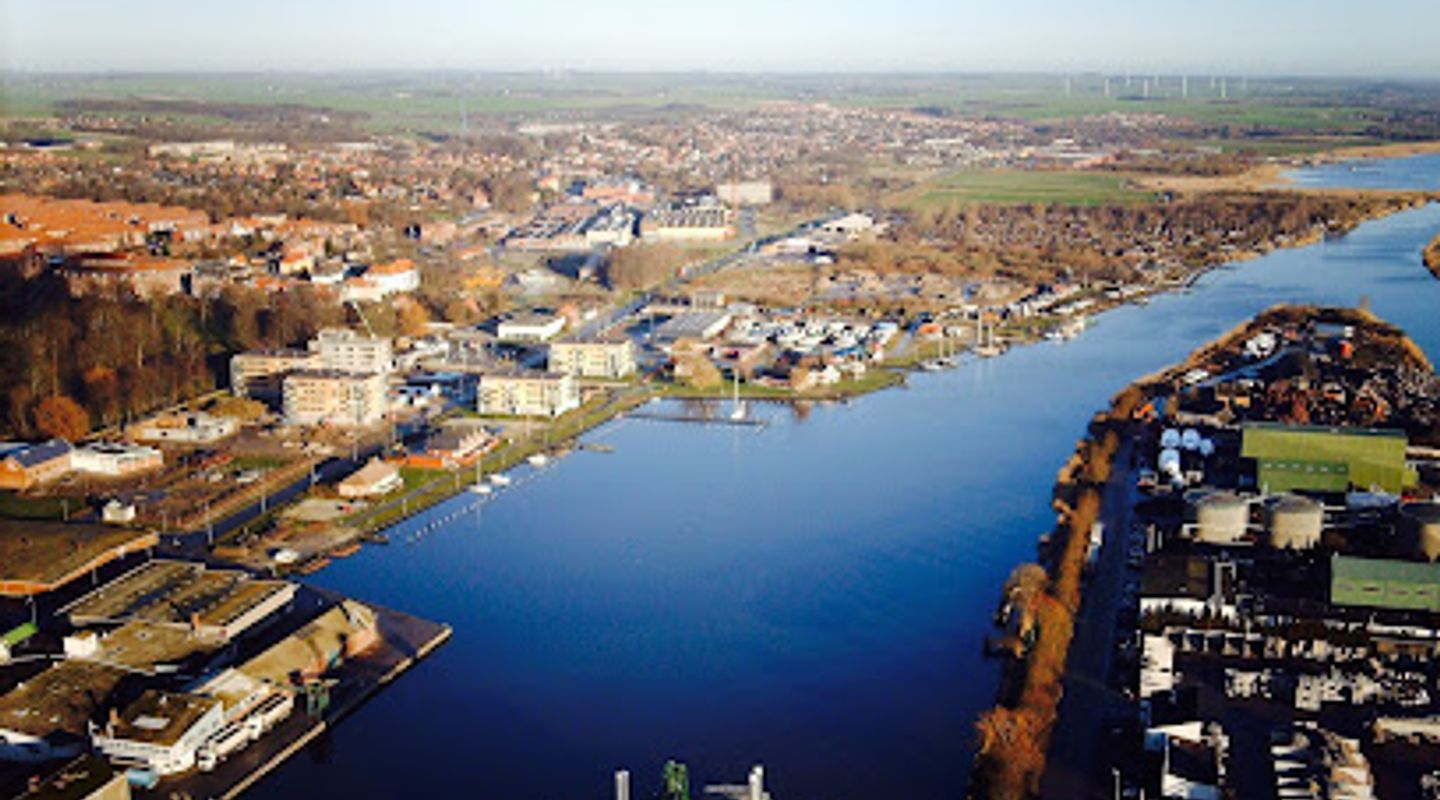
Randers Fjord is a 30 km-long, lowland fjord in eastern Jutland where Denmark’s longest river, the Gudenå, meets the Kattegat. Winding through reed beds, salt marshes and open water between Randers and Udbyhøj, it forms the heart of Randers Fjord Nature Park, a 293 sq km protected landscape. Birdlife, rich fishing grounds, tiny harbours and historic ferries at Mellerup–Voer and Udbyhøj make this a rewarding destination for kayaking, cycling, gentle walks and slow coastal exploration in all seasons.
On-site amenities
 Restrooms
 Drink options
 Drinking water
 Food options
 Seating areas
 Sheltered areas
 Picnic areas
 Trash bins
 Information boards
 Visitor centre
- Address
- Randers Fjord
Getting there
Regional bus
Car from Randers
Cycling from Randers area
Discover more about Randers Fjord
Where River and Sea Flow Together
Randers Fjord is a classic Danish lowland fjord, stretching roughly 30 kilometres from the city of Randers to the open Kattegat. At Randersbro bridge the fresh waters of the Gudenå River widen and shift character, gradually turning brackish as they snake through meadows and marshlands towards the sea. It is a landscape of big skies, low horizons and constantly changing light, where the waterway itself has long acted as a natural highway between inland Jutland and the wider world.Despite its modest depth, the fjord remains navigable for smaller cargo vessels and leisure craft, and you will often see a mix of yachts, dinghies and fishing boats sharing the channel. The course is unusual: from Randers it first runs east–west, like other East Jutland fjords, before bending sharply at Uggelhuse and continuing north–south towards Udbyhøj and the Kattegat.
A Nature Park of Reeds, Marsh and Birdsong
Much of Randers Fjord lies within Randers Fjord Nature Park, one of Denmark’s largest designated nature parks. The protected area covers around 293 square kilometres of water, shore and hinterland, with habitats ranging from expansive reed forests and salt marshes to wet meadows and lowlying fields. The quiet, shallow coves and wide reed belts provide breeding and resting places for a wealth of birdlife, from waders probing the mudflats to raptors circling above the grazing cattle.Scattered along both banks you find simple infrastructure that makes it easy to linger outdoors: wooden tables and benches, primitive shelters, birdwatching towers and small marinas. Canal Island (Kanaløen), formed from dredged material, sits just south of Skalmstrup Vig and offers a good vantage point over the shipping channel and surrounding wetlands.
Historic Crossings and Working Waters
Human life along Randers Fjord has always been shaped by the water. For centuries ferries have carried people, livestock and later vehicles between the scattered settlements on either side. The Mellerup–Voer crossing, roughly midway along the fjord, is Denmark’s oldest royal privileged ferry route, dating back to the 18th century. Today a tiny motor ferry still shuttles across the 470‑metre stretch, often sharing the scene with kayakers and small fishing boats.Closer to the fjord’s mouth, the cable-drawn ferry at Udbyhøj connects the shores where the water widens towards the Kattegat. Small harbours such as Mellerup and Dronningborg function as gateways to the fjord, used by local sailors and visiting boats following the marked channel between Randers and the open sea. Speed limits vary along the waterway, helping to balance recreation, nature protection and the needs of maritime traffic.
Angling, Paddling and Quiet Exploration
Randers Fjord offers a broad palette of low-key outdoor activities rather than a single headline attraction. Anglers are drawn to Voer and nearby marinas like Uggelhuse, where seasonal runs of herring and other species take advantage of the mixing fresh and salt water. Elsewhere along the fjord, the calm surface and sheltered banks create inviting conditions for kayaking and canoeing, with longer trips leading into reed labyrinths and side channels.On land, levees, gravel tracks and small roads connect viewpoints, picnic spots and bird towers, making the area well suited to cycling and leisurely walks. The surrounding peninsula of Djursland, bounded in part by Randers Fjord, adds sandy beaches and gently rolling farmland to the experience, so a visit here can easily fill a relaxed day combining shoreline stops, short hikes and time by the water.
Seasonal Moods and Subtle Scenery
The fjord’s appeal lies in its quiet character rather than dramatic cliffs or mountains. In spring and early summer the meadows turn intense green and birdlife is at its busiest; late summer brings warm evenings and good conditions for being on the water. Autumn often bathes the reeds in golden tones, while clear winter days can reveal far‑reaching views when the air is crisp and the landscape stripped back.Whatever the season, Randers Fjord rewards unhurried exploration. It is a place to watch clouds drift over flat water, to follow the slow rhythm of ferries and fishing boats, and to sense how the meeting of river and sea has shaped this corner of Jutland for centuries.
Evendo Review Centre
 Google
Guest reviews
Best time to go
Quietest: Jan, Feb & Mar · before 6am or from 10pm
Busy times are Evendo estimates for a typical year, to help you plan. Actual crowds vary with events, school holidays and the weather.
Explore Randers Fjord on the map
A handpicked selection of must-see spots near Randers Fjord, mapped for you.
Get your free copy of our complete guide to Randers Fjord, delivered straight to you.
Everything on this page, from opening hours and how to get there to Eve’s tips and the best time to go, in one PDF you can read offline, print or share.
Already have an account? Sign in
Your Randers Fjord guide is ready.
We'll send it to · Not you? Sign out

Getting your guide ready…
We are putting together a fresh copy of the Randers Fjord guide. This can take up to a minute.
This can take a few moments. If your browser asks, choose Allow so the download can start. You'll find the guide in your Downloads folder.
Nothing happened? Download it again
Sorry, the guide is taking longer than usual. Please try again in a minute, or get it by email instead.
Other nearby places you may find interesting
The closest places of the same kind, if this one is not quite what you had in mind.
-
Museum Østjylland - Håndværksmuseet East Jutland's authentic crafts heritage preserved in 24 reconstructed workshops—reopening 2027.
-
Memphis Mansion A full-scale Danish homage to Elvis Presley’s Graceland, blending museum, 1950s diner and live event venue on the outskirts of Randers.
-
Randers Regnskov Step from Danish riverbank into dense tropical domes, Ice Age landscapes and Nordic wildlife at Randers Regnskov, a vivid zoo and nature story in one place.
-
Fussingø Historic Danish manor, tranquil beech forest and lakeshore paths combine at Fussingø to create a relaxed, green escape just west of Randers.
-
Randers Naturcenter Hands-on nature hub by the Gudenå River, blending animal encounters, outdoor learning and river-meadow wilderness just beyond the streets of Randers.
Swipe for more places
More to explore near Randers Fjord

 Best experiences near Randers Fjord
 Best hotels near Randers Fjord
 Best landmarks near Randers Fjord
 Best attractions near Randers Fjord
 Best shops near Randers Fjord
 Best restaurants near Randers Fjord
 Best bars near Randers Fjord
Do you manage this location?
Take control to get all the benefits, like improved information, better appearance, and stronger visibility across AI-powered discovery.
Explore more

Explore more of Randers
Discover Randers, Denmark's riverside jewel, where history meets nature in a city full of cultural charm and scenic beauty.
Explore Randers
Explore more of Denmark
Discover Denmark: A perfect blend of history, modern design, and the cozy concept of hygge. Explore vibrant cities, serene landscapes, and world-class cuisine.
Explore Denmark
