

Lille Blåkilde, North Jutland Travel Guide
A powerful “Little Blue Spring” hidden in Rold Skov, where crystal water, chalk slopes, rare species and 6000 years of history meet in a tranquil forest hollow.
Hidden in the deep beech woods of Rold Skov near Skørping, Lille Blåkilde – “Little Blue Spring” – is anything but small. One of the forest’s most powerful springs, it pours around 90 litres of crystal-clear, blue-tinged water every second from fractures in the limestone, flowing just 70 metres before joining Lindenborg Å. A protected nature site with rare chalk grassland plants and cold-loving aquatic insects, it offers a tranquil, almost mystical forest pause at the end of an easy woodland walk.
A brief summary to Lille Blåkilde
- Unnamed Road 9520, Skørping, 9520, DK
- Click to display
- Duration: 1 to 3 hours
- Free
-
 Outdoor
- Mobile reception: 3 out of 5

Know before you go
Hi, I'm Eve. Here are a few practical things to know before exploring Lille Blåkilde.
- Wear waterproof or sturdy shoes; the approach paths and steps to the spring can be muddy, uneven and slippery, especially after rain.
- Bring binoculars or a macro lens if you enjoy nature photography; the clear water, bubbling sand and tiny aquatic insects make excellent close-up subjects.
- Visit in late spring or early summer to see lime-loving flowers and, in May, look for brook lampreys near the outlet into Lindenborg Å.
- Respect the protection rules: stay on the paths, do not wade in the spring, and avoid collecting plants, stones or animals.
- Combine your stop with a longer hike in Rold Skov or nearby Rebild Bakker to experience more of the springs, hills and forest landscapes.
Do you manage this location?
Take control to get all the benefits, like improved information, better appearance, and stronger visibility across AI-powered discovery. Learn more about listing your business on Evendo
Activate your presenceOther nearby places you may find interesting
The closest places of the same kind, if this one is not quite what you had in mind.
Explore Lille Blåkilde on the Map
A handpicked selection of must-see spots near Lille Blåkilde, mapped for you.
Getting There
-
Car from Skørping
From Skørping town centre, driving to the main parking areas along Buderupholmvej or Rebild Kirkevej typically takes about 10–15 minutes, depending on traffic. Parking is free at the forest car parks, but spaces can be limited on sunny weekends and holidays. From the parking area you continue on foot along marked forest trails to Lille Blåkilde, which adds roughly 20–40 minutes of walking time depending on your chosen route and pace.
-
Regional train and bus
Take a regional train to Skørping Station, then transfer to a local bus towards Rebild Bakker or Buderupholmvej; the bus ride usually takes around 10–20 minutes and a single adult ticket costs roughly 20–30 DKK. Services run less frequently in evenings and on Sundays, so check departure times in advance. From the nearest bus stop it is a forest walk of about 2–4 kilometres on waymarked tracks to reach the spring, mostly on dirt paths with some slopes and steps.
-
Bicycle from Skørping area
Cycling from Skørping or nearby villages to the forest car parks near Rold Skov generally takes 20–40 minutes along minor roads and signposted cycle routes. There is no fee to bring a standard bicycle, but e‑bikes and trailers may be restricted on some narrow forest paths. Bicycles must be left at or near the parking areas, as the final approach to Lille Blåkilde is on foot along hiking trails where cycling is not permitted.
For the on-the-go comforts that matter to you
-
 Trash Bins
-
 Information Boards
-
 Seating Areas
Discover more about Lille Blåkilde
The blue spring at the heart of Rold Skov
Lille Blåkilde lies tucked away in the rolling, forested landscape northwest of Nørreskov in Rold Skov, yet it is one of the largest and most water‑rich springs in the area. Despite its name, the “Little Blue Spring” pushes out around 90 litres of water every second, draining a catchment of roughly 10–12 square kilometres. The water emerges from fractures in the underlying limestone in several small craters, bubbling up through pale mineral sediments before gathering into a clear basin.From the source, the spring runs for only about 70 metres before it slips into the Lindenborg Å valley. The short course means the water you see at the spring is virtually the same that has just surfaced from the underground aquifer – cold, glassy and astonishingly transparent. On still days you can watch grains of sand dance on the bottom where the flow is strongest.Crystal water and a rare cold-world habitat
The water in Lille Blåkilde holds a constant temperature of about 7.5°C all year. This steady cold creates an ecological pocket that is more reminiscent of mountain brooks in Norway or the Alps than lowland Denmark. Among the usual freshwater insects such as caddisflies, stoneflies and mayflies lives a small celebrity: the caddisfly Apatania muliebris, a species typically known from high‑altitude streams.At the outlet where the spring joins Lindenborg Å, the gravel and sand are often dotted in May with brook lampreys, sometimes called nine‑eyed eels. These ancient, eel‑like fish attach themselves to the bottom with sucker mouths, a curious sight if you pause quietly at the water’s edge. Because the site is protected, plants and animals must be left undisturbed, and stepping into the spring itself is strictly prohibited.Chalk grassland and lime-loving flowers
Climb the steps above the spring and the geology becomes visible in the slopes. On one side, raw limestone shows beneath the tree roots; on the other, a thin layer of topsoil over chalk has created a rare habitat known as calcareous or chalk grassland. This dry, lime‑rich turf supports an unusually rich mix of plants for northern Jutland.In spring and early summer, you may spot primroses, cowslips, and the delicate early‑purple orchid scattered across the slope, alongside woodland relicts such as Solomon’s seal and baneberry that hint the hillside was forested not long ago. The combination of exposed chalk, open grassland and damp valley floor makes a compact lesson in Rold Skov’s varied natural history within just a few dozen metres.Traces of 6000 years of settlement
The clear water and reliable flow have drawn people here for millennia. A few hundred metres south of Lille Blåkilde, subtle remains of ancient roads, stone rows and stone circles can still be found within the forest. Above the spring, one of Denmark’s closest juxtapositions of Stone Age dolmens and Bronze Age burial mounds marks a landscape that has been in more or less continuous use for about 6000 years.While there is no firm evidence that the spring itself held a ritual function, the nearby prehistoric road leading to the river valley and its old ford suggests this was once a key route through the woods. It takes little imagination, standing in the cool shade beside the water, to picture travellers pausing at this reliable source before continuing towards the lowlands.A gentle forest walk with strict protection
Today Lille Blåkilde is reached only on foot, via waymarked trails threading through beech and conifer stands. The final approach runs down wooden steps and narrow paths that can be muddy and slippery after rain, so good footwear is helpful. The setting is quiet and sheltered: birdsong overhead, the muffled rush of water, and the occasional rustle from the undergrowth.Because the area is legally protected, visitors are asked to stay on the paths, avoid wading or throwing objects into the spring, and leave flowers, stones and wildlife where they are. In return, the site offers an intimate encounter with one of Denmark’s most impressive springs, a compact scene where geology, hydrology, ecology and deep human history intersect in a single forest clearing.












Your all‑in‑one travel companion app
Explore expert travel guides, compare and book tours, experiences, hotels, and more—all from the palm of your hand. Download now for seamless trip planning wherever your wanderlust takes you.


Explore More of North Jutland
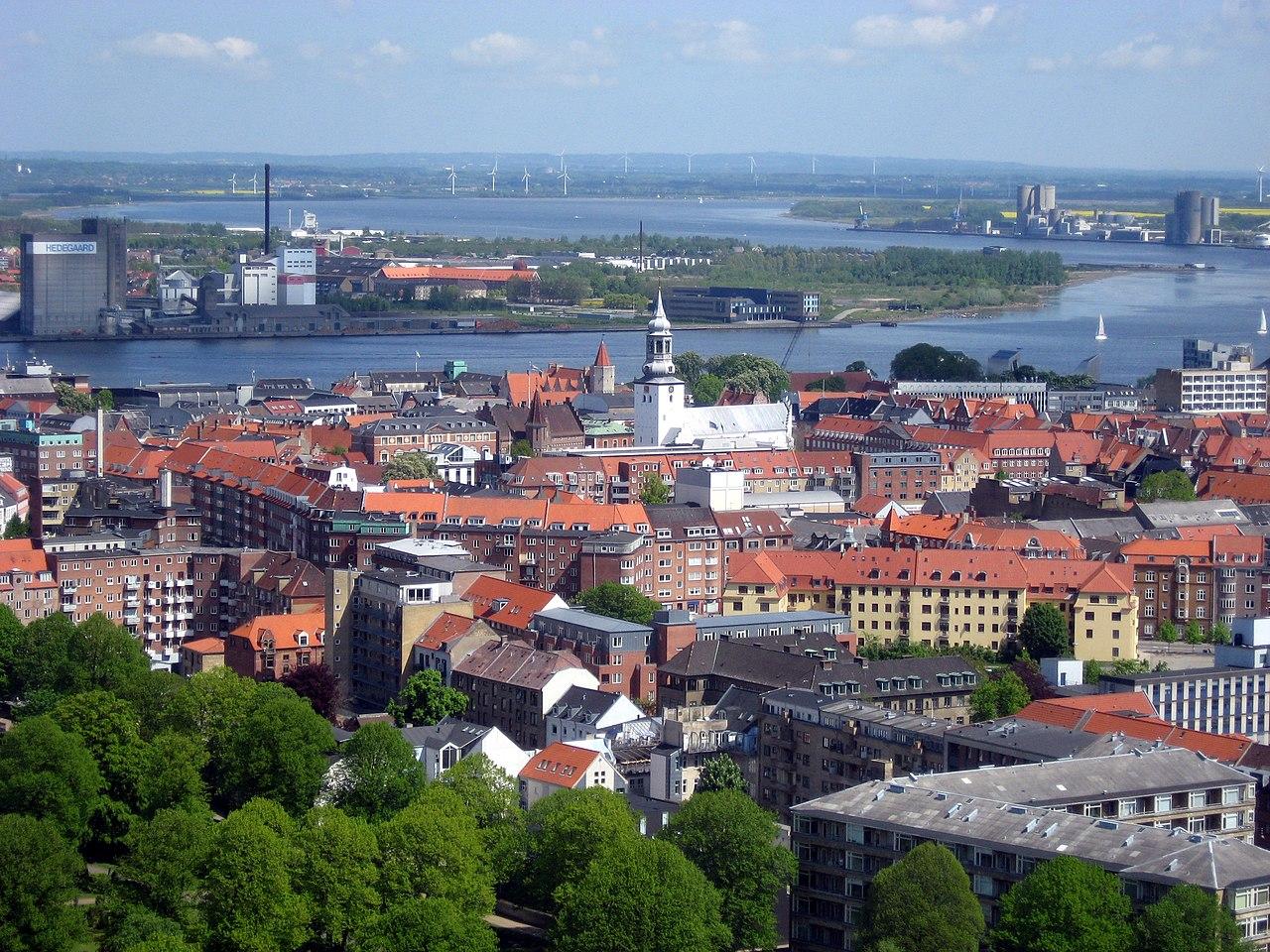
Looking beyond Lille Blåkilde? Discover North Jutland for broader travel guides, local hot-spots, and regional highlights.
Explore North Jutland