

Ravnkilde Travel Guide
Free Guide: A powerful clear-water spring hidden in the wooded folds of Rebild Bakker, where rare wetland plants, cool streams and seasonal sea trout share a tranquil valley.


A brief summary of Ravnkilde
A powerful clear-water spring hidden in the wooded folds of Rebild Bakker, where rare wetland plants, cool streams and seasonal sea trout share a tranquil valley.
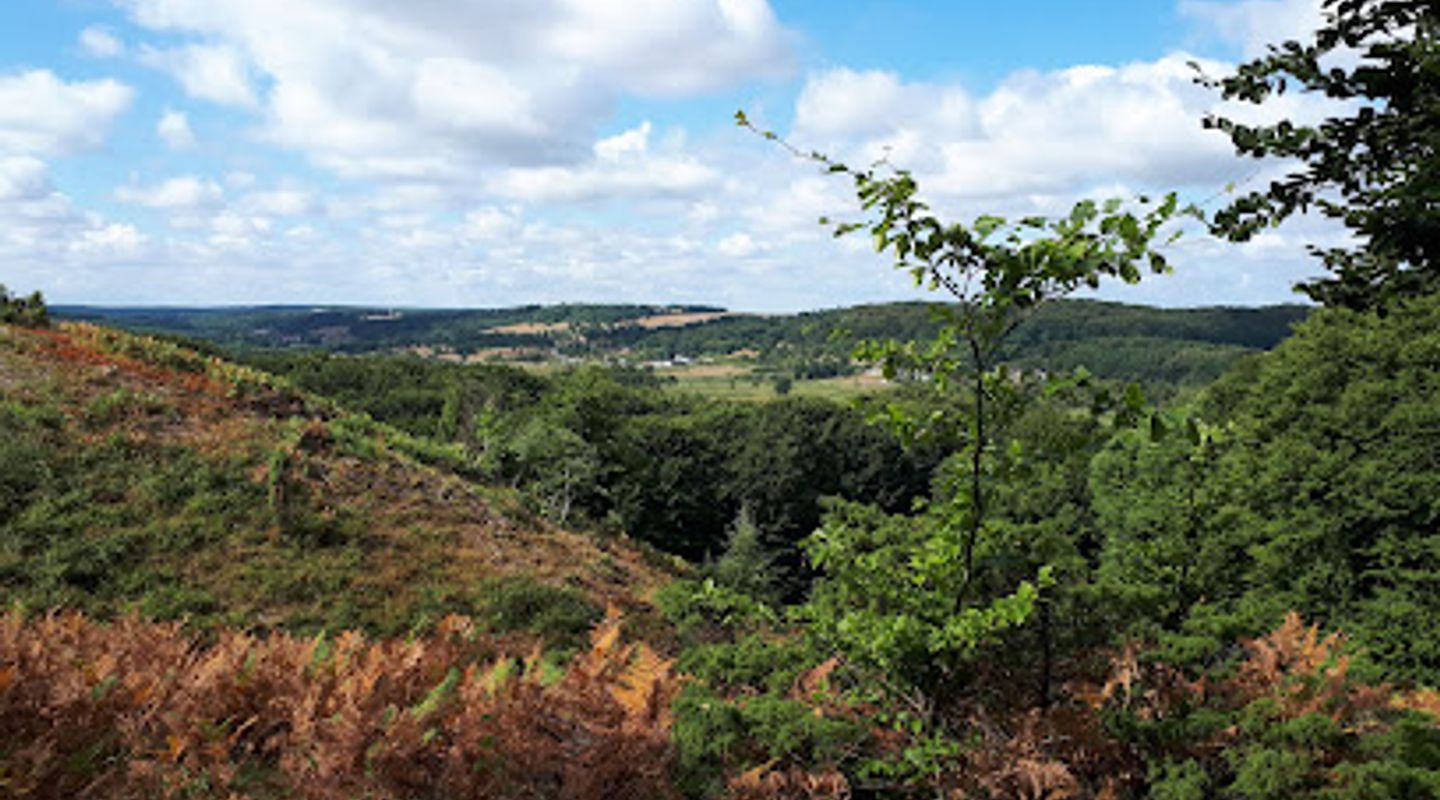
Tucked into the wooded slopes northwest of Rebild Bakker, Ravnkilde is one of North Jutland’s most beautiful natural springs. Here, crystal-clear groundwater wells up through a swampy basin and gathers in small rivulets that quickly form a strong stream flowing towards the Lindenborg River. Rare mosses, cold-loving plants and seasonal spawning sea trout make this small valley a surprisingly rich pocket of life, perfect for a quiet pause amid Rebild’s rolling heath and forest.
On-site amenities
 Restrooms
 Trash bins
 Information boards
 Seating areas
Opening hours
- Every dayOpen 24 hours
Opening hours as listed on the venue’s Google Business Profile. Hours can change for services and special events, so check with the venue before you go.
- Address
- Unnamed Road,, 9520 Skørping
Getting there
Car from Aalborg
Train and walk from Aalborg
Cycling from Skørping area
Discover more about Ravnkilde
A hidden spring in the Rebild hills
Ravnkilde lies in a small, steep-sided valley just beyond the open heath slopes of Rebild Bakker, where the forest closes in and the ground suddenly turns wet underfoot. Instead of a single gushing source, the spring rises as a broad, swampy basin where groundwater quietly seeps up through the peat and sand. Dozens of tiny rivulets appear between clumps of grass, slowly weaving together into a clear, fast-running stream that soon heads off toward the river Lindenborg Å.Although the area is compact, the sense of enclosure from the wooded hillsides makes it feel like a self-contained world. The sound here is soft and constant: water trickling and rushing, leaves moving above, occasional birdsong echoing along the slope. It is an intimate counterpart to the broader landscapes of Rebild Bakker, rewarding visitors who follow the paths just that bit further from the open viewpoints.
A rare wetland full of plant life
What sets Ravnkilde apart is not just the quantity of water – the spring discharges a very large volume for its size – but also the cool, stable temperature that shapes the plant community around it. The saturated ground hosts rare and delicate mosses that thrive only in constantly wet, clean conditions. In early spring you may see cold-loving wood sorrel emerging in fresh green patches along the edges of the wetland.Closer to the water’s edge, the vegetation becomes a mosaic of specialist wetland species. Golden saxifrage forms low yellow-green carpets in shallow seepages, while creeping spearwort and watercress colonise the margins where the current is gentle. In slightly deeper channels, cutleaf water parsnip and water mint add height and scent, and willowherb finds purchase where the soil is just a little drier. This variety of plants turns the small valley into a living field guide to northern European spring-fed wetlands.
Where trout fight their way upstream
Ravnkilde is not only a botanical refuge; it is also an important spawning ground for sea trout. In late autumn and early winter, large fish leave the nearby river system and push their way up into the spring stream. At high water they even cross the shallow ford on the gravel track that passes the spring, using the short, stony section above it as a place to lay their eggs.This seasonal movement is a reminder of how closely connected the spring is to the wider aquatic landscape. The clean, oxygen-rich water emerging from the ground creates ideal conditions for trout eggs and fry. Even when water levels are lower and the fish are absent, the gravelly streambed and the shifting patterns of current tell the story of that upstream struggle each year.
Walking among clear water and wooded slopes
Paths and small tracks allow you to approach the spring and follow the flow of water without having to step directly into the wettest ground. From slightly higher points on the slope you gain a good view over the swampy basin, watching how the individual trickles come together into a single stream. Down at water level, the clarity of the spring water is striking, with stones, roots and bubbles sharply visible beneath the surface.The surrounding forest adds to the atmosphere. Taller trees on the slopes frame narrower views and filter the light, so that on bright days dapples of sun move across the moss and water, while on overcast days the area feels hushed and enclosed. Even short visits often include a quiet pause on a bank or tree root simply to listen to the water and notice the slow details of the place.
A small stop on longer Rebild routes
Although Ravnkilde can be the focus of a brief outing, it also sits naturally as a highlight on longer circular routes through Rebild Bakker and the nearby hills. Walkers heading across the heath or over Kejserbakke often dip down into the valley to visit the spring before climbing back up to open views again. The contrast between wind-exposed ridges and this sheltered, moist pocket is part of the experience.Because the spring lies within a broader landscape of protected nature, it invites a gentle approach. Staying on paths, avoiding trampling the soft wetland edges and keeping noise low all help preserve the fragile plants and the clear water that make Ravnkilde special. Treated with care, this modest valley continues to offer a close-up look at the quiet workings of a powerful spring.
Evendo Review Centre
 Google
Guest reviews
Best time to go
Quietest: Jan, Feb & Dec · before 7am or from 9pm
Busy times are Evendo estimates for a typical year, to help you plan. Actual crowds vary with events, school holidays and the weather.
Explore Ravnkilde on the map
A handpicked selection of must-see spots near Ravnkilde, mapped for you.
Get your free copy of our complete guide to Ravnkilde, delivered straight to you.
Everything on this page, from opening hours and how to get there to Eve’s tips and the best time to go, in one PDF you can read offline, print or share.
Already have an account? Sign in
Your Ravnkilde guide is ready.
We'll send it to · Not you? Sign out

Getting your guide ready…
We are putting together a fresh copy of the Ravnkilde guide. This can take up to a minute.
This can take a few moments. If your browser asks, choose Allow so the download can start. You'll find the guide in your Downloads folder.
Nothing happened? Download it again
Sorry, the guide is taking longer than usual. Please try again in a minute, or get it by email instead.
Other nearby places you may find interesting
The closest places of the same kind, if this one is not quite what you had in mind.
-
-
-
-
-


Swipe for more places
More to explore near Ravnkilde

 Best experiences near Ravnkilde
 Best hotels near Ravnkilde
 Best landmarks near Ravnkilde
 Best attractions near Ravnkilde
 Best shops near Ravnkilde
 Best restaurants near Ravnkilde
 Best bars near Ravnkilde
Do you manage this location?
Take control to get all the benefits, like improved information, better appearance, and stronger visibility across AI-powered discovery.
Explore more

Explore more of Rebild National Park
Discover the natural wonders of Rebild National Park, Denmark’s picturesque escape filled with scenic trails, historic landmarks, and vibrant wildlife.
Explore Rebild National Park
Explore more of Denmark
Discover Denmark: A perfect blend of history, modern design, and the cozy concept of hygge. Explore vibrant cities, serene landscapes, and world-class cuisine.
Explore Denmark
