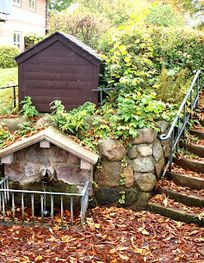
Mindesten for Træskoslaget, Koge Travel Guide
A modest memorial stone in central Køge marking the 1807 “Clogs Battle,” where local militia faced British troops during the turbulent Gunboat War.
Mindesten for Træskoslaget is a modest yet historically potent memorial stone in central Køge, commemorating the 1807 Battle of Køge, also known as Træskoslaget – the “Clogs Battle.” Set along Nørregade, this small urban memorial marks where Danish militia, many in wooden clogs and poorly equipped, made a last stand against British forces during the Gunboat War. Today it offers a quiet pause amid the town’s streets, linking everyday life with a dramatic moment in Denmark’s past.
A brief summary to Mindesten for Træskoslaget
- Nørregade 31, Køge, 4600, DK
- Duration: 0.25 to 0.5 hours
- Free
-
 Outdoor
- Mobile reception: 5 out of 5

Know before you go
Hi, I'm Eve. Here are a few practical things to know before exploring Mindesten for Træskoslaget.
- Combine a stop at Mindesten for Træskoslaget with a walk through Køge’s old town and nearby church to place the battle story in its urban and historical setting.
- Read up briefly on the Battle of Køge or the Gunboat War before you arrive; having the wider context makes the simple stone and its inscription much more meaningful.
- Visit in daylight for easier reading of the inscription and to appreciate surrounding historic buildings and streets that frame the memorial.
Do you manage this location?
Take control to get all the benefits, like improved information, better appearance, and stronger visibility across AI-powered discovery. Learn more about listing your business on Evendo
Activate your presenceOther nearby places you may find interesting
The closest places of the same kind, if this one is not quite what you had in mind.
Explore Mindesten for Træskoslaget on the Map
A handpicked selection of must-see spots near Mindesten for Træskoslaget, mapped for you.
Getting There
-
Train and short walk from Copenhagen
From Copenhagen Central Station, take a regional train towards Køge or Næstved; direct services to Køge typically run at least twice per hour and take about 35–45 minutes. A standard adult ticket usually costs in the range of 80–120 DKK one way, depending on train type and any discounts. From Køge Station, it is an easy 10–15 minute walk through the town centre on generally flat pavements to reach Nørregade, making this option suitable for most visitors with moderate mobility.
-
Regional bus within Køge area
If you are already in the Køge region, several local buses stop near the historic centre. Typical town and regional bus journeys into central Køge take around 10–25 minutes, with single tickets usually costing about 24–36 DKK within the local zones. Alight at a central stop near the old town; from there, expect a 5–10 minute walk on paved streets to reach the memorial on Nørregade. Buses can be a good option in poor weather, but services run less frequently in evenings and on weekends.
-
Car from greater Zealand
Arriving by car from other parts of Zealand, travel times to Køge are typically 20–40 minutes from many southern Copenhagen suburbs and 40–60 minutes from towns further away on the island, depending on traffic. There is paid and time-limited parking in and around Køge’s centre, often within a 5–10 minute walk of Nørregade. Expect parking fees in the approximate range of 12–25 DKK per hour in central zones and be aware that spaces can be harder to find on busy weekdays and market days.
For the on-the-go comforts that matter to you
-
 Restrooms
-
 Drink Options
-
 Food Options
-
 Seating Areas
-
 Trash Bins
-
 Information Boards
Discover more about Mindesten for Træskoslaget
A small stone with a dramatic story behind it
Mindesten for Træskoslaget may look unassuming at first glance: a single memorial stone set within the streetscape of Nørregade in Køge. Yet it marks one of the most dramatic moments in the town’s history, the Battle of Køge in August 1807. This clash between British troops and Danish militia formed part of the wider Gunboat War, when Denmark–Norway tried to defend its fleet and territory in a tense European conflict.The stone stands close to where Danish forces offered organized resistance before being overwhelmed. Many of those who fought were local militiamen, not professional soldiers, and the memorial anchors that story in the very town they came from.From battlefields to the “Clogs Battle” nickname
The battle is widely known in Danish as Træskoslaget – the “Clogs Battle” – a name that comes from the wooden clogs worn by many of the militiamen. As British troops advanced and the Danish lines broke, some soldiers are said to have thrown off their heavy clogs to flee more easily across the fields and lanes around Køge.The nickname captures the contrast between a great-power army and a locally raised defense force, drawn largely from farmers and townspeople. Standing by the stone, it is easy to imagine the chaos of that day: smoke from cannon fire drifting over the landscape, shouted orders, and the sudden collapse of an inexperienced army facing a professional opponent.Commemorating sacrifice a century later
The memorial stone was erected in 1907, on the hundredth anniversary of the battle, at a time when anniversaries and monuments played an important role in shaping national memory. Its simple design reflects early 20th-century taste for sober, dignified commemoration rather than heroic statues on horseback.Inscribed text recalls the Danish militiamen who fell in the fighting, emphasizing both their sacrifice and their status as ordinary citizens called to arms. The stone ties local identity to larger national narratives of resistance and loss during the Napoleonic era, when Denmark found itself caught between rival great powers.A quiet pause in the fabric of the old town
Today, Mindesten for Træskoslaget sits in a central, walkable part of Køge, within easy reach of the historic town square and the church. The surroundings are urban rather than park-like, but there is usually enough space nearby to pause, read the inscription and reflect without stepping far out of everyday pedestrian flow.Because the memorial is outdoors and always accessible, it is an easy addition to a broader stroll through Køge’s cobbled streets, timbered houses and churches. Even a brief stop provides a useful historical anchor, adding context to other sites linked to the same period and conflict.Connecting local streets to wider European history
Although the stone focuses on the local militia, the events it recalls were part of a much wider story. The battle took place while British forces attempted to neutralize the Danish fleet to prevent it falling into French hands. Decisions taken in distant capitals translated into fighting on the edge of this market town, where farmers and townsfolk suddenly found themselves in the path of a major army.For visitors interested in history, the memorial offers a compact, tangible starting point for exploring themes such as small-state politics, citizen armies and the human cost of strategic decisions. It is a reminder that even quiet provincial streets can have roots in far-reaching global events.A brief but meaningful stop on a Køge itinerary
Mindesten for Træskoslaget is not a destination that demands a long visit, but it rewards those who take a few extra minutes to read, think and perhaps look up more about the Battle of Køge. Combined with nearby museums, churches and historic squares, it forms part of a network of places that together tell the story of the town.History enthusiasts, students, families and casual urban explorers alike can use this spot as a simple, accessible waypoint in understanding how conflict, memory and everyday life intersect in contemporary Køge.More to explore near Mindesten for Træskoslaget













Your all‑in‑one travel companion app
Explore expert travel guides, compare and book tours, experiences, hotels, and more—all from the palm of your hand. Download now for seamless trip planning wherever your wanderlust takes you.


Explore More of Koge
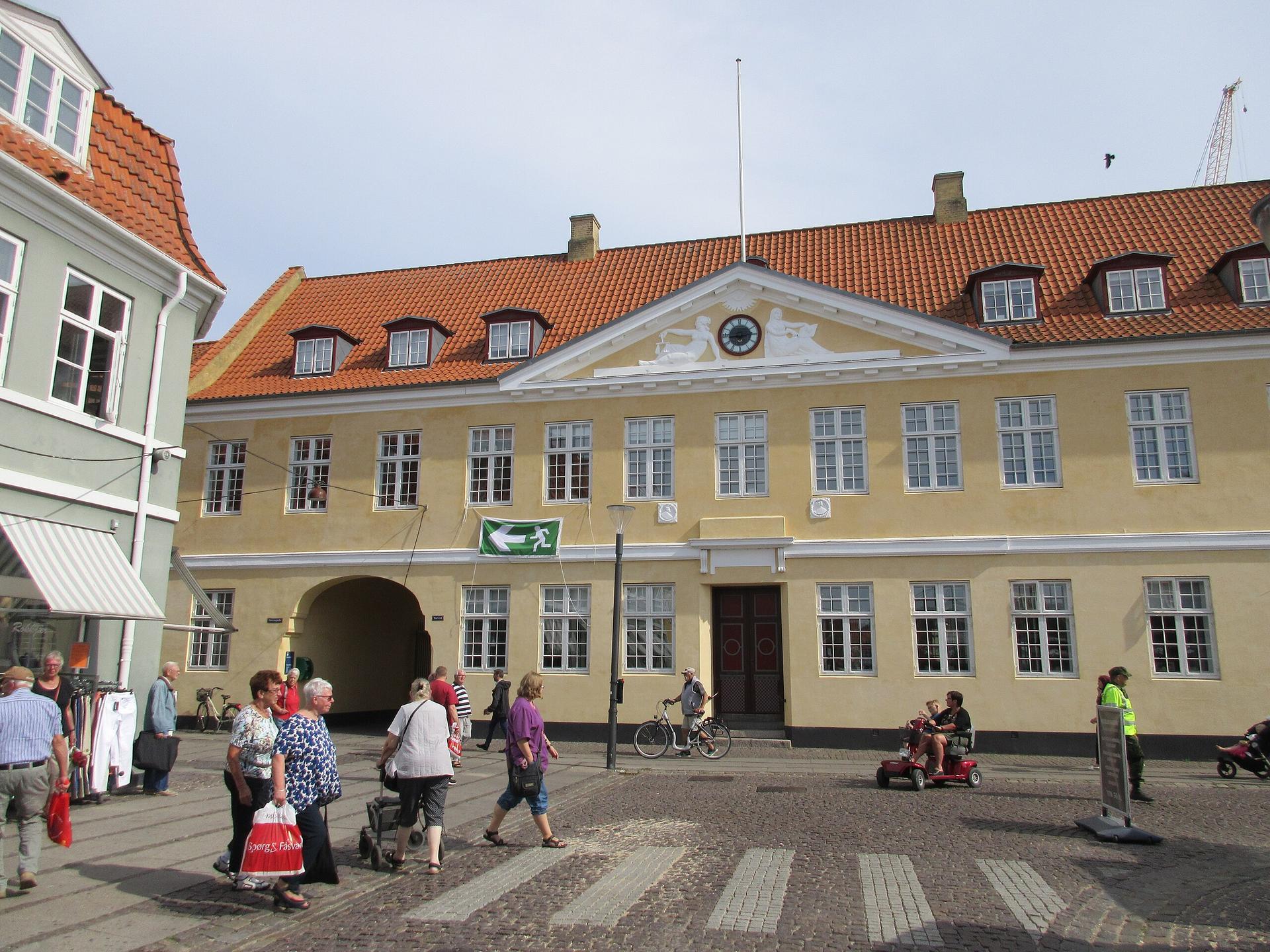
Looking beyond Mindesten for Træskoslaget? Discover Koge for broader travel guides, local hot-spots, and regional highlights.
Explore Koge